🌤 Weather at Royal Palm State Park by season
| Spring | Summer | Fall | Winter |
|---|---|---|---|
| 58–89 °F | 72–93 °F | 64–91 °F | 55–81 °F |
Each range runs from the coldest monthly average low to the warmest monthly average high in that season (1991-2020 climate normals), measured at Royal Palm Rs, 1 mi away, elevation 7 ft. Conditions at the park can differ from the station, especially where elevation differs — check a forecast before you go.

Florida’s FIRST State Park (1916) — The Historic Origin of Everglades National Park, Paradise Key, Anhinga Trail, Gumbo Limbo Trail & the Conservation Legacy That Saved the Everglades
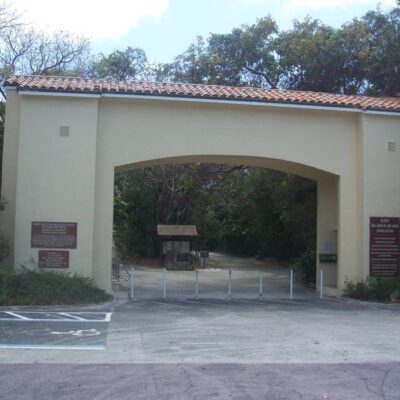
Royal Palm State Park was Florida’s first state park, established in 1916 on Paradise Key in what is now Everglades National Park. The park was created through the conservation efforts of the Florida Federation of Women’s Clubs, led by May Mann Jennings, to protect one of the last remaining stands of royal palms and tropical hardwood hammock in the Everglades. In 1947, the land was transferred to the federal government and became part of Everglades National Park. Today, the site operates as the Royal Palm Visitor Center, featuring the world-famous Anhinga Trail, the Gumbo Limbo Trail, ranger-led programs, interpretive exhibits, and restrooms.
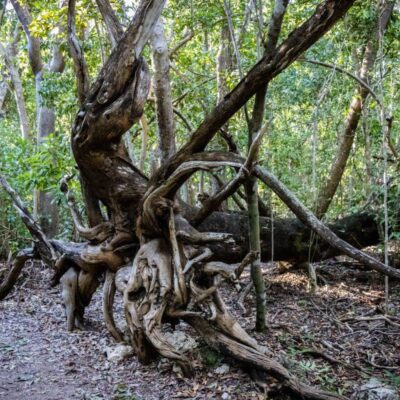
While no longer a state park in the administrative sense, Royal Palm’s historical significance as the nucleus that launched the entire Everglades conservation movement makes it one of the most important sites in American conservation history. The Anhinga Trail — a short, wheelchair-accessible boardwalk over Taylor Slough — is widely considered one of the best wildlife viewing trails in the United States, offering close encounters with alligators, anhingas, herons, turtles, and tropical fish in their natural habitat. The Gumbo Limbo Trail passes through a tropical hardwood hammock with towering royal palms.
Things to Do
Anhinga Trail
- Distance: 0.8-mile paved loop (wheelchair accessible)
- Features: Boardwalk over Taylor Slough
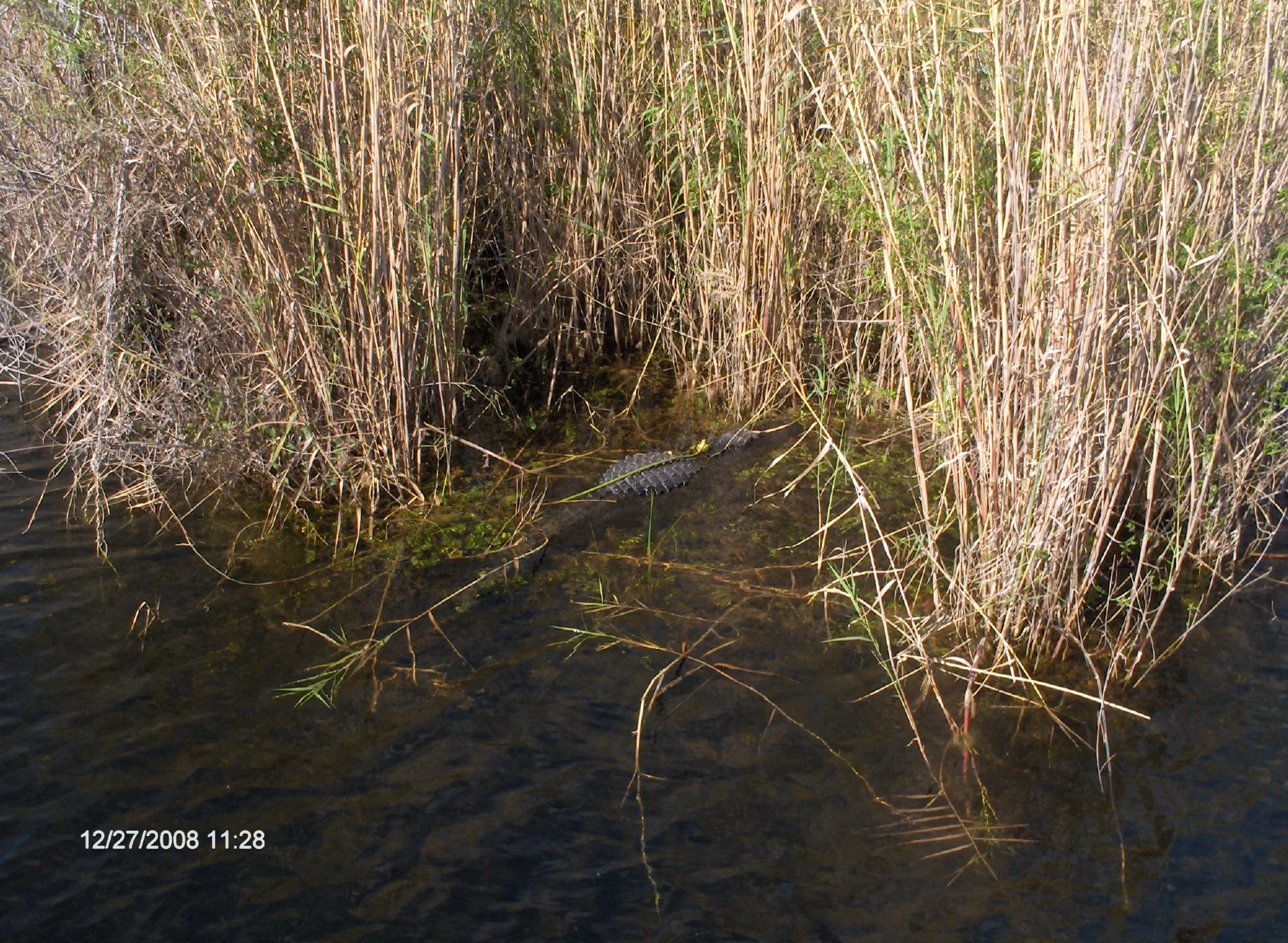
- Wildlife: Alligators, anhingas, great blue herons, green herons, turtles, garfish, and tropical fish at very close range
- Best for: Photography, wildlife viewing, families
- ⭐ Often called one of the best wildlife viewing trails in the United States
Gumbo Limbo Trail
- Distance: 0.4-mile paved loop (wheelchair accessible)
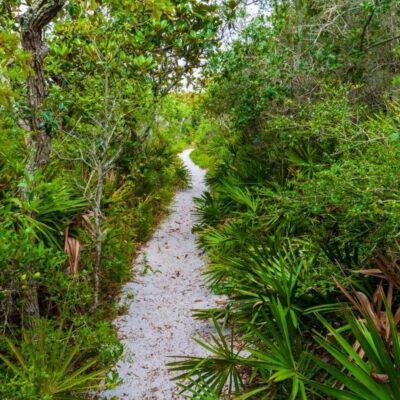
- Features: Through tropical hardwood hammock
- Flora: Royal palms, gumbo limbo trees, wild coffee, ferns, air plants
- Shade: Dense canopy provides welcome shade on hot days
Visitor Center & Programs
- Interpretive exhibits: Everglades ecology and conservation history
- Ranger-led programs: Walks, talks, and seasonal activities
- Bookstore: Books, educational materials, souvenirs
- Restrooms and drinking water
Conservation History
Royal Palm State Park’s story is central to American conservation history. In the early 1900s, the Florida Everglades were being rapidly drained for agriculture. The Florida Federation of Women’s Clubs, led by May Mann Jennings (wife of Governor William Jennings), campaigned to protect the Paradise Key hammock and its royal palms from destruction. Their success in establishing Royal Palm State Park in 1916 demonstrated the ecological value of the Everglades and provided the “nucleus” — the proof-of-concept — that eventually led to the creation of Everglades National Park in 1947. The Federation transferred the land to the National Park Service at the park’s dedication. Without the Federation’s pioneering conservation work at Royal Palm, the Everglades as we know them today might not exist.
Park Information
| Feature | Details |
|---|---|
| Current Status | Now part of Everglades National Park (NPS) |
| Historical Status | Florida’s FIRST state park (est. 1916) |
| Entrance Fee | Standard Everglades National Park fee ($30/vehicle for 7 days) |
| Trails | Anhinga Trail (0.8 mi) + Gumbo Limbo Trail (0.4 mi) — both wheelchair accessible |
| Facilities | Visitor center, restrooms, drinking water, vending machines, bookstore |
| Camping | Not at this location — use Long Pine Key or Flamingo campgrounds within Everglades NP |
Best Time to Visit
| Season | Highlights | Considerations |
|---|---|---|
| Winter (Dec–Mar) | ⭐ BEST: Dry season; wildlife concentrated around water sources; incredible Anhinga Trail viewing; comfortable temps; low mosquitoes; ranger programs peak | Most crowded time; parking fills early; National Park peak season pricing |
| Spring (Apr–May) | Good wildlife; wading bird nesting; decreasing crowds; still dry; longer days | Warming; mosquitoes increasing; humidity rising |
| Fall (Oct–Nov) | Transition season; some wildlife; fewer visitors; uncrowded; cooling | Water levels high; wildlife dispersed; hurricane season (through Nov) |
| Summer (Jun–Sep) | Lush green; thunderstorm drama; lowest crowds; subtropical immersion | ⚠️ Extreme heat + humidity; mosquitoes INTENSE; daily thunderstorms; many facilities reduced |
Visitor Tips
- Dry season is BEST: Visit December through March for the best wildlife viewing — as water levels drop, animals concentrate along the Anhinga Trail boardwalk.
- Arrive early: The parking lot fills by mid-morning during peak season (January–March). Aim for 8–9 AM.
- Wheelchair accessible: Both the Anhinga Trail and Gumbo Limbo Trail are paved and wheelchair accessible.
- Bring water and food: There are no food services at the Royal Palm area — bring water, snacks, and sunscreen.
- Vulture warning: Vultures in the parking lot are known to damage vehicle rubber parts (wiper blades, seals). Follow posted precautions.
- National Park fee: Entry is covered by the standard Everglades NP entrance fee ($30/vehicle for 7 days). America the Beautiful annual passes are accepted.
Frequently Asked Questions
Was Royal Palm State Park really Florida’s first state park?
Yes — Royal Palm State Park, established in 1916 on Paradise Key, was Florida’s first state park. It was created through the conservation efforts of the Florida Federation of Women’s Clubs, led by May Mann Jennings, to protect one of the last remaining stands of royal palms and tropical hardwood hammock in the Everglades. The park served as the “nucleus” that demonstrated the ecological value of the Everglades and ultimately led to the creation of Everglades National Park in 1947, when the land was transferred to the National Park Service. Today the site operates as the Royal Palm Visitor Center within Everglades National Park.
What can you see on the Anhinga Trail at Royal Palm?
The Anhinga Trail at the Royal Palm Visitor Center in Everglades National Park is widely considered one of the best wildlife viewing trails in the United States. The 0.8-mile paved, wheelchair-accessible boardwalk extends over Taylor Slough, providing remarkably close encounters with alligators, anhingas (the trail’s namesake bird), great blue herons, green herons, turtles, garfish, and tropical fish in their natural habitat. The best viewing is during the dry season (December through March), when falling water levels concentrate wildlife along the trail. The adjacent Gumbo Limbo Trail (0.4 miles) passes through a tropical hardwood hammock with royal palms.
Last updated: May 2026
Nearby state parks: If you have extra time, Dagny Johnson Key Largo Hammock Botanical State Park is within about an hour’s drive, and Key Largo Hammock Botanical State Park is within about an hour’s drive.
Camping reservations: Book campsites and cabins for Florida state parks online at reserve.floridastateparks.org.

🐾 Dogs & Pets at Royal Palm State Park
- Pets allowed? statewide rule
- Domestic pets are welcome in many Florida State Parks — on hiking trails, in picnic areas and campgrounds — but only in designated areas.
- Leash rule statewide rule
- Leashes may not exceed 6 feet; pets must be under physical control at all times.
- Beaches & swim areas statewide rule
- Pets are not permitted on beaches, boardwalks or playgrounds, or in bathing areas — swimming pets can be viewed as prey by alligators.
- Cabins & lodging statewide rule
- Pets are not allowed in any state park buildings, cabins or cabin areas.
- Statewide exceptions statewide rule
- Pets prohibited at several parks including Ellie Schiller Homosassa Springs (free kennels at the entrance), Weeki Wachee Springs and Egmont Key; in campgrounds pets must be confined in the camping unit 11 p.m.-7 a.m.
Are dogs allowed at Royal Palm State Park?
Domestic pets are welcome in many Florida State Parks — on hiking trails, in picnic areas and campgrounds — but only in designated areas. Individual parks can post stricter rules — check signage on arrival.
Rules verified July 2026 via floridastateparks.org. More: Florida state parks guide · Dog rules in all 50 states compared
Park Location
Plan your gear for Royal Palm State Park
From our editorial guides, matched to this park’s activities: