
🌤 Weather at Tippy Dam State Recreation Area by season
| Spring | Summer | Fall | Winter |
|---|---|---|---|
| 19–68 °F | 50–81 °F | 26–72 °F | 12–33 °F |
Each range runs from the coldest monthly average low to the warmest monthly average high in that season (1991-2020 climate normals), measured at Wellston 1N, 3 mi away, elevation 773 ft. Conditions at the park can differ from the station, especially where elevation differs — check a forecast before you go.

🏆 Tippy Dam State Recreation Area — One of Michigan’s most legendary fishing destinations — a Chinook salmon, steelhead, and trophy brown trout hotspot on the Big Manistee River below Tippy Dam.
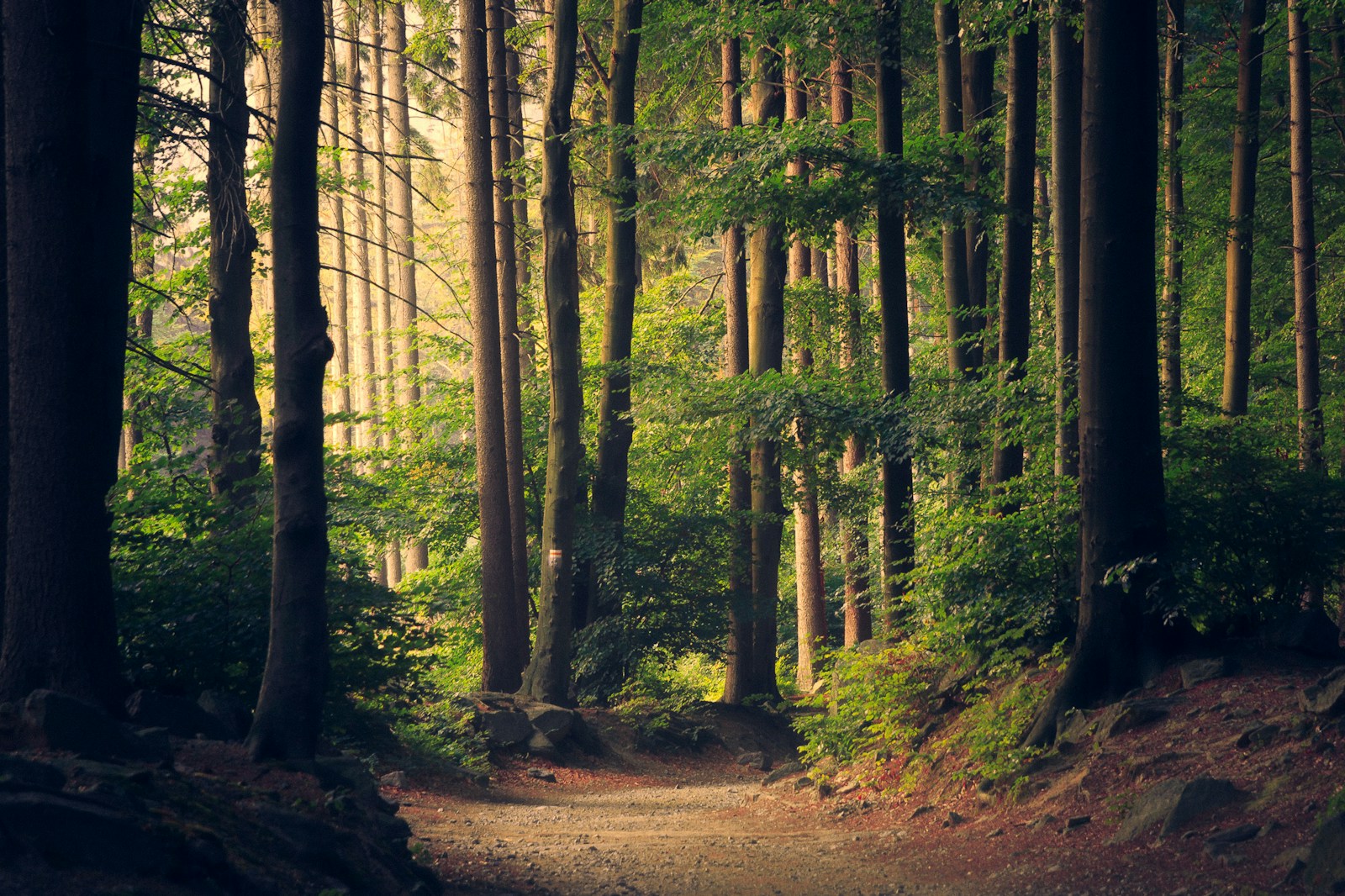
Tippy Dam State Recreation Area sits below the Consumers Energy hydroelectric dam on the Big Manistee River near Brethren, Michigan. The stretch of river below the dam is widely considered one of the finest migratory trout and salmon fisheries in the Midwest, attracting anglers from across the country year-round for its extraordinary runs of Chinook salmon, steelhead, and resident brown trout.
Visitor Information
| Detail | Information |
|---|---|
| Location | Brethren, Manistee County, MI — Big Manistee River |
| Season | Year-round |
| Campground | Rustic (year-round) + rustic cabin |
| Admission | Michigan Recreation Passport required |
| Managed By | Michigan DNR |
Fishing — Seasonal Calendar
The Manistee River below Tippy Dam offers year-round fishing with distinct seasonal runs:
| Season | Species | Timing |
|---|---|---|
| Spring | Steelhead (spawning run) | March – April (peak) |
| Summer | Skamania steelhead (summer-run) | June – August |
| Fall | Chinook (King) salmon | Labor Day – late October |
| Fall | Coho salmon | October – November |
| Fall/Winter | Steelhead (fall run) | Late October – December |
| Year-round | Resident brown trout, rainbow trout | Best early spring & late fall |
Trophy Brown Trout
The Big Manistee River below Tippy Dam is famous for producing exceptionally large brown trout, including fish over 20 pounds. The river’s combination of cold tailwater from the dam, abundant forage, and diverse habitat structure creates ideal conditions for trophy-class fish.
Fishing Techniques
| Method | Best For | Notes |
|---|---|---|
| Fly Fishing | Steelhead, trout | Nymphs, streamers, egg patterns |
| Spinning/Baitcasting | Salmon, steelhead | Beads, crankbaits, spawn bags |
| Drift Boat | All species | Two boat launches available |
| Wade Fishing | All species | Gravel riffles, wadeable in most conditions |
Facilities
| Facility | Details |
|---|---|
| Accessible Fishing Pier | Universally accessible platform near parking |
| Boat Launches | Two: main river + dam backwaters |
| Fish Cleaning Station | Available near campground |
| Rustic Campground | Year-round, vault toilets |
| Rustic Cabin | Reservable |
Activities
| Activity | Details |
|---|---|
| Fishing | World-class salmon, steelhead, and trout fishery |
| Camping | Rustic campground + cabin, year-round |
| Boating | Two boat launches, drift boats popular |
| Wildlife Viewing | Bald eagles, osprey (especially during salmon runs) |
| Hiking | Riverside trails |
Getting There
From Traverse City: ~45 minutes southwest via M-115. From Manistee: ~25 minutes east via M-55. Take Coates Highway south from M-55 to reach the recreation area.
Nearby Attractions
| Attraction | Distance | Highlights |
|---|---|---|
| Interlochen State Park | 35 miles NE | Michigan’s first state park, two lakes, music center |
| Manistee National Forest | Adjacent | Extensive trail network, North Country Trail |
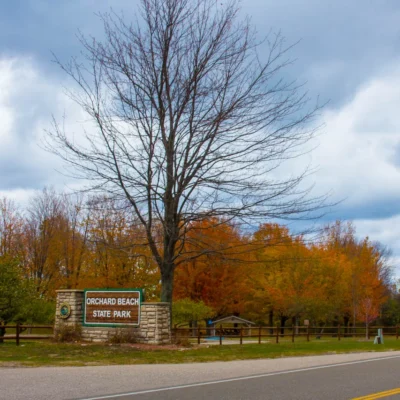
| Orchard Beach SP | 25 miles W | Lake Michigan beach, camping |
| Manistee Riverwalk | 25 miles W | 1.5-mile paved path along Manistee River to Lake Michigan |
Frequently Asked Questions
When is the best time for salmon fishing at Tippy Dam?
The peak Chinook (King) salmon run occurs from Labor Day through late October, with the most intense action typically in September. Coho salmon follow in October and November. Arrive early during peak season, as the banks below the dam become very crowded. Weekday fishing offers more space.
Do I need a Michigan Recreation Passport?
Yes. A Michigan Recreation Passport is required for vehicle entry to Tippy Dam State Recreation Area. You can purchase one when you renew your vehicle registration or at the park entrance. You also need a valid Michigan fishing license with the appropriate stamps for the species you’re targeting.
Can I camp at Tippy Dam year-round?
Yes. The rustic campground at Tippy Dam is open year-round, making it popular with winter steelhead anglers. Facilities are basic — vault toilets, no showers or hookups. A reservable rustic cabin is also available. Water may be shut off during freezing months.
How big are the brown trout at Tippy Dam?
The Big Manistee River below Tippy Dam is famous for producing trophy brown trout, with fish regularly exceeding 10 pounds and occasional catches over 20 pounds. The cold tailwater from the dam creates ideal habitat. Brown trout fishing is best in early spring and late fall when water temperatures are optimal.
Keep exploring: The closest neighbors are Orchard Beach State Park (within about an hour’s drive) and William Mitchell State Park (within about an hour’s drive).
Camping reservations: Book campsites and cabins for Michigan state parks online at midnrreservations.com.

🐾 Dogs & Pets at Tippy Dam State Recreation Area
- Pets allowed? statewide rule
- Pets are welcome in Michigan state parks, campgrounds, harbors and state-designated trails, except designated swim beaches and other posted areas.
- Leash rule statewide rule
- Pets must always be on a 6-foot leash and under the owner's immediate control.
- Beaches & swim areas statewide rule
- Pets are prohibited in buoyed swim areas but allowed along the shoreline outside them (on a 6-ft leash, even in the water); 50+ parks have pet-friendly shoreline or designated dog beaches.
- Cabins & lodging statewide rule
- Up to two pets (cats and dogs only) allowed at ~12 parks' designated pet-friendly cabins, yurts and lodges; $10 per night per pet (cabins) or $15 (lodges); otherwise pets barred from overnight lodging.
- Pet fees statewide rule
- No day-use pet fee; pet-friendly lodging costs $10/night per pet (cabins) or $15/night per pet (lodges).
- Statewide exceptions statewide rule
- Leash laws do not apply to dogs used for hunting on land open to such use; pets may not be left unattended.
Are dogs allowed at Tippy Dam State Recreation Area?
Pets are welcome in Michigan state parks, campgrounds, harbors and state-designated trails, except designated swim beaches and other posted areas. Individual parks can post stricter rules — check signage on arrival.
Rules verified July 2026 via michigan.gov. More: Michigan state parks guide · Dog rules in all 50 states compared
Park Location
Plan your gear for Tippy Dam State Recreation Area
From our editorial guides, matched to this park’s activities:





Top Tours & Activities Near Frankfort
 from $15
 from $17