🌤 Weather at Valley Forge State Park by season
| Spring | Summer | Fall | Winter |
|---|---|---|---|
| 31–75 °F | 61–88 °F | 34–79 °F | 23–45 °F |
Each range runs from the coldest monthly average low to the warmest monthly average high in that season (1991-2020 climate normals), measured at Phoenixville 1 E, 3 mi away, elevation 85 ft. Conditions at the park can differ from the station, especially where elevation differs — check a forecast before you go.

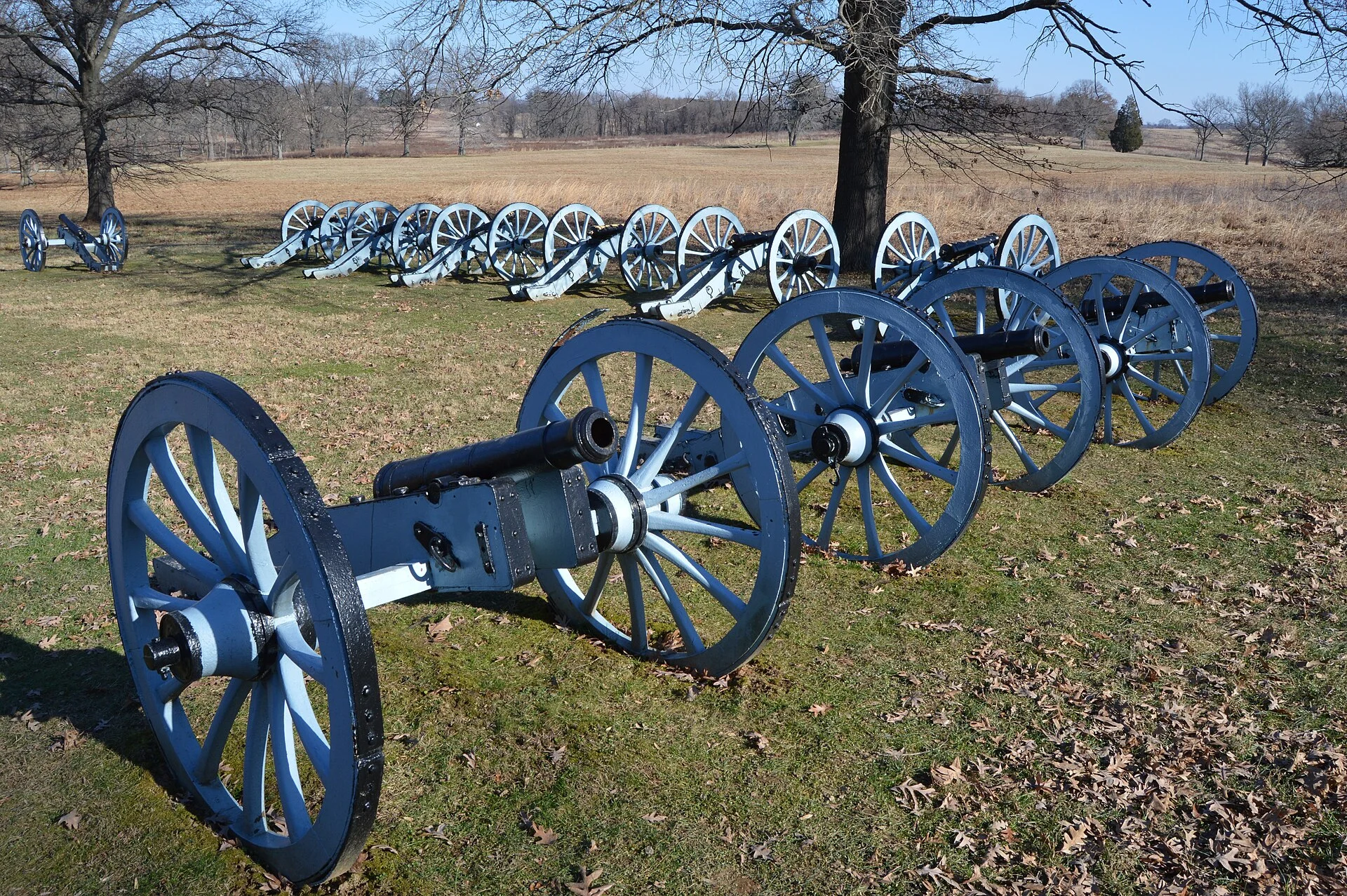
🏆 Washington’s Winter — Site of the Continental Army’s legendary 1777–78 winter encampment — where 12,000 soldiers endured brutal conditions and emerged as a professional fighting force
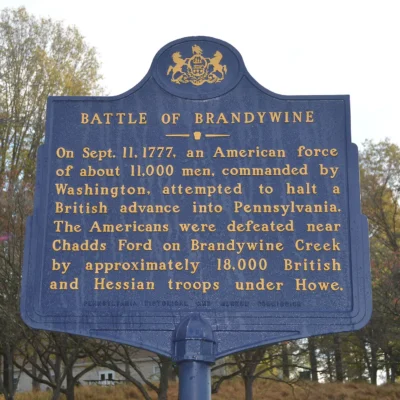
Valley Forge State Park (now Valley Forge National Historical Park) is one of the most sacred sites in American history — where George Washington’s Continental Army endured the brutal winter of 1777–78! After defeats at Brandywine and Germantown, 12,000 soldiers camped here from December 1777 to June 1778. Conditions were desperate — 2,000 soldiers died from disease, exposure, and starvation. But Baron von Steuben (a Prussian military advisor) used the winter to transform the ragged militia into a disciplined army. The force that marched out of Valley Forge in June 1778 was a professional fighting force that would go on to win the war!
Visitor Information
| Detail | Information |
|---|---|
| Location | Chester County, PA |
| Entry Fee | Free |
| Winter | 1777–78 — 12,000 soldiers, 2,000 died! |
| Result | Von Steuben forged a REAL army! |
Frequently Asked Questions
Was Valley Forge a battle?
No — Valley Forge was a winter encampment, not a battle. No fighting occurred here. The “battle” was against cold, disease, and starvation. But the experience forged a professional army — Baron von Steuben drilled the troops relentlessly, teaching European military tactics. The Continental Army that left Valley Forge was vastly superior to the one that entered.
What made Valley Forge so terrible?
Washington’s 12,000 troops arrived at Valley Forge in December 1777 — poorly clothed, underfed, and demoralized after losing Philadelphia. Supply chains collapsed. Soldiers lived in crude log huts, many without shoes or blankets. Over 2,000 died from typhus, dysentery, and exposure. Yet the army survived — and Baron von Steuben’s drilling transformed them into a force that could match the British.
Nearby state parks: If you have extra time, Evansburg State Park is a short drive away, and Norristown Farm Park is a short drive away.
Insider Tips
Revolution’s crucible: Valley Forge (winter 1777-1778) was where Washington’s Continental Army endured a desperate winter — 2,000+ soldiers died from disease, cold, and starvation. Pro tip: The army that emerged in spring 1778 was transformed — Baron von Steuben drilled the ragged troops into a professional fighting force. No battle: No battle was fought at Valley Forge — the enemy was winter itself.
Best Time to Visit
December-February: Experience the winter landscape the soldiers endured. Spring: Wildflowers and renewal — as the army experienced. Summer: Full programming. Fall: Foliage on the parade grounds.
Wildlife & Nature
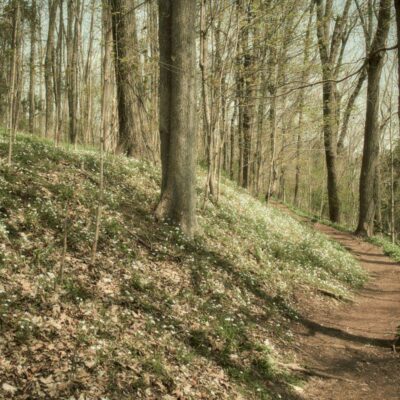
Valley Forge — now a National Historical Park — preserves the site of the Continental Army’s 1777-78 winter encampment. Washington’s 12,000 troops endured a devastating winter here, with ~2,000 dying of disease. The park’s meadows, forest, and creek support white-tailed deer (often abundant), red foxes, and red-tailed hawks. Eastern bluebirds nest.
Nearby Attractions
King of Prussia — adjacent. Philadelphia — 20 miles southeast. Brandywine Battlefield — 15 miles south. Fort Washington SP — 10 miles east.

🐾 Dogs & Pets at Valley Forge State Park
- Pets allowed? statewide rule
- Pets are allowed in day-use areas of Pennsylvania state parks and in designated campground sites, but must be physically controlled, attended at all times and leashed, caged or crated.
- Leash rule statewide rule
- Leash required at all times; no universal maximum length — inquire at the park office (electronic fences/shock collars not accepted as control)
- Beaches & swim areas statewide rule
- Pets are prohibited in swimming areas and designated beaches
- Cabins & lodging statewide rule
- Dogs allowed in a limited number of designated cabins, cottages and yurts (pilot program); maximum two dogs per unit; dogs must be house-trained and current on rabies vaccination
- Pet fees statewide rule
- No standard statewide pet fee; fees may be assessed for damage in dog-friendly lodging
- Statewide exceptions statewide rule
- Maximum two non-caged pets per campsite; pets prohibited in buildings; pet food may not be left outside camping units
Are dogs allowed at Valley Forge State Park?
Pets are allowed in day-use areas of Pennsylvania state parks and in designated campground sites, but must be physically controlled, attended at all times and leashed, caged or crated. Individual parks can post stricter rules — check signage on arrival.
Rules verified July 2026 via pa.gov. More: Pennsylvania state parks guide · Dog rules in all 50 states compared
Park Location

Top Tours & Activities Near Philadelphia
 from $59
 from $595
 from $35