🌤 Weather at Barnett’s Woods State Natural Area by season
| Spring | Summer | Fall | Winter |
|---|---|---|---|
| 37–79 °F | 64–89 °F | 37–84 °F | 28–52 °F |
Each range runs from the coldest monthly average low to the warmest monthly average high in that season (1991-2020 climate normals), measured at Murfreesboro 5 N, 4 mi away, elevation 535 ft. Conditions at the park can differ from the station, especially where elevation differs — check a forecast before you go.

🏆 Old-Growth Forest Remnant — One of Tennessee’s last remaining old-growth hardwood stands
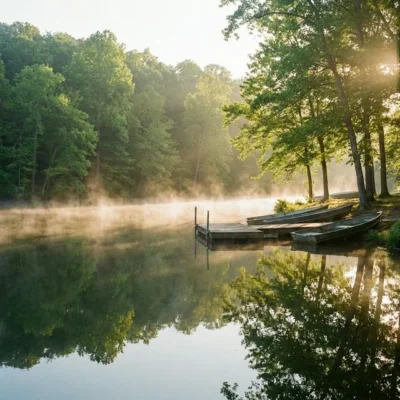
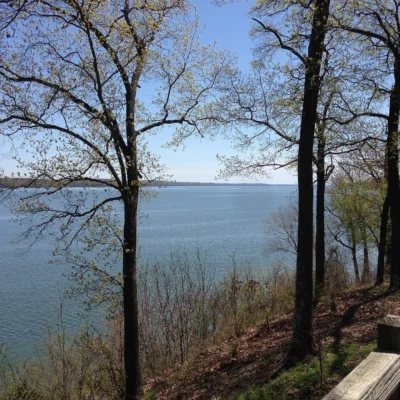
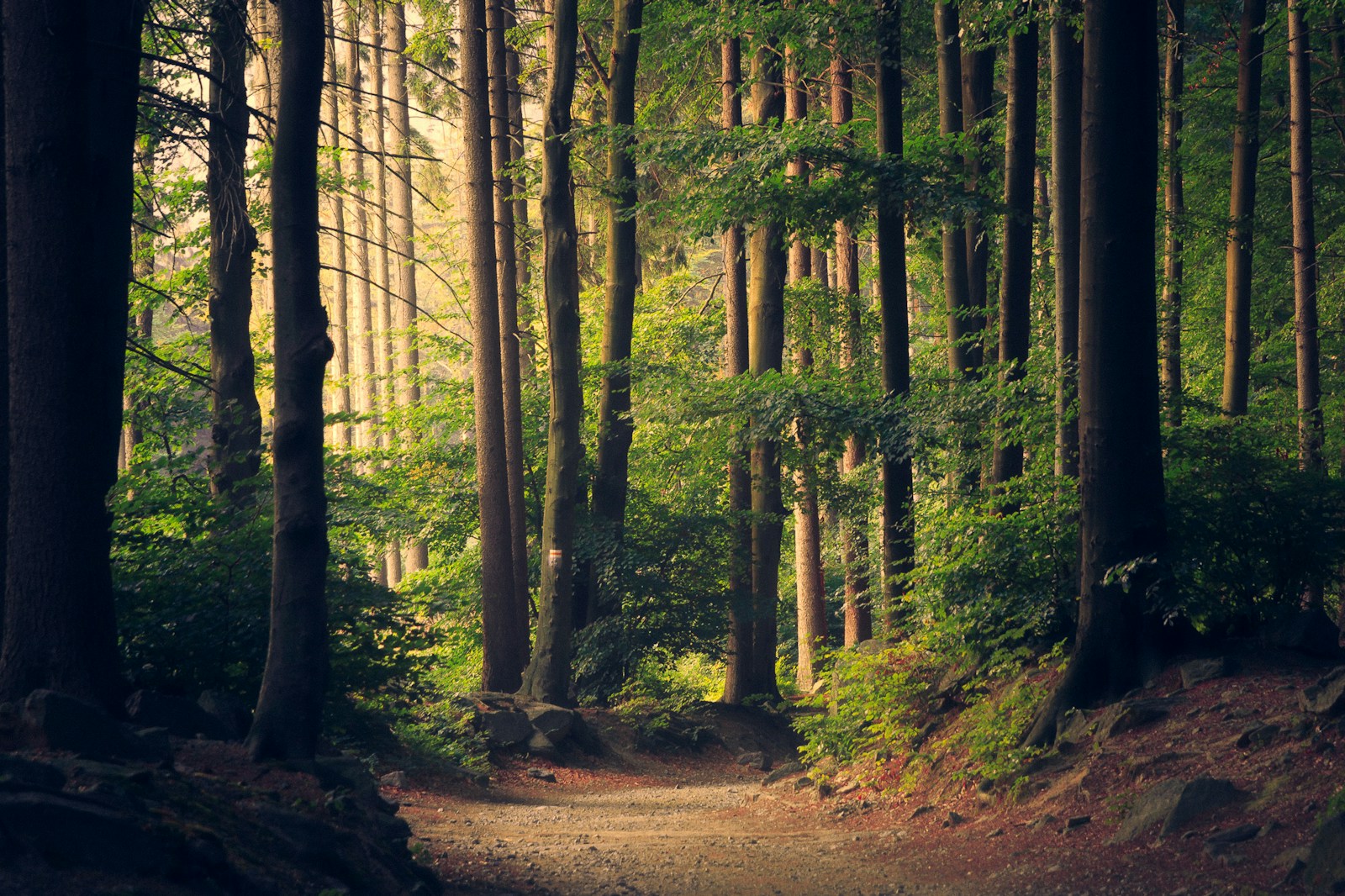
Barnett’s Woods State Natural Area protects one of the last remaining stands of old-growth hardwood forest in middle Tennessee. The forest contains trees that have never been logged—towering oaks, hickories, and tulip poplars several centuries old that provide a glimpse of the primeval forests that once blanketed the region. The understory supports a diverse community of native wildflowers, including spring ephemerals that create spectacular displays in April and May.
Visitor Information
| Detail | Information |
|---|---|
| Location | Middle Tennessee |
| Entry Fee | Free |
| Habitat | Old-growth hardwood (never logged) |
| Best Season | Spring (wildflowers Apr–May) |
| Status | State Natural Area (protected) |
Frequently Asked Questions
What makes old-growth forests special?
Old-growth forests have never been commercially logged, allowing natural processes to operate for centuries. Trees reach maximum size, dead wood provides habitat for wildlife, and complex canopy layers support far greater biodiversity than regrown forests.
Why is Tennessee so biodiverse?
Tennessee’s position between the Appalachian Mountains and the Mississippi River creates extraordinary habitat diversity. The state has 340+ freshwater fish species (more than all of Europe), 80+ mussel species, and over 300 bird species. The Cumberland Plateau and Great Smoky Mountains act as biological refugia — species survived Ice Age glaciation here.
Keep exploring: The closest neighbors are Flat Rock Cedar Glades & Barrens State Natural Area (a short drive away) and Walterhill Floodplain State Natural Area (a short drive away).
🌳 Visit Barnett’s Woods SNA
Centuries-old trees in one of Tennessee’s last unlogged forests.
About Barnett’s Woods
Barnett’s Woods State Natural Area in Rutherford County protects a remnant old-growth cedar forest in the Nashville Basin — one of the last uncut stands in this rapidly developing region. The woods feature eastern red cedars growing on thin limestone soils, creating a globally rare cedar glade ecosystem found almost exclusively in middle Tennessee.
Things to Do
Walking through the old-growth cedar forest, observing rare cedar glade plants (many found nowhere else on Earth), birdwatching, and studying this globally rare ecosystem. The Nashville Basin cedar glades are one of Tennessee’s most significant natural features.
Insider Tips
Old-growth remnant: Barnett’s Woods protects one of Middle Tennessee’s last old-growth hardwood forests — massive tulip poplars, oaks, and sugar maples over 200 years old. Pro tip: Spring wildflower displays are extraordinary — trilliums, bloodroot, and Virginia bluebells carpet the forest floor before the canopy leafs out. Biodiversity hotspot: Tennessee ranks 4th nationally in biodiversity — more freshwater fish species than any other state.
Best Time to Visit
April: Peak spring ephemeral wildflower bloom. Fall: Hardwood foliage — Tennessee’s forests rival New England. Summer: Deep shade keeps trails cool. Winter: Tree architecture visible without leaves.

🐾 Dogs & Pets at Barnett’s Woods State Natural Area
- Pets allowed? statewide rule
- Dogs, cats and other pets are permitted in Tennessee State Parks, including all campgrounds, if leashed, crated or otherwise under physical restrictive control at all times.
- Leash rule statewide rule
- 6 ft physical leash required; pets must not be left unattended
- Beaches & swim areas statewide rule
- Pets are prohibited on designated swimming beaches and at pools at all times
- Cabins & lodging statewide rule
- Pets prohibited in park lodges and cabins except designated pet-friendly units; each park offers a limited number of pet-friendly lodge rooms and one pet-friendly cabin ($20 per pet per night)
- Pet fees statewide rule
- No day-use or campground pet fee; $20 per pet per night in designated lodge rooms/cabins
- Statewide exceptions statewide rule
- Park management may post additional no-pet areas on trails; proof of rabies vaccination may be required
Are dogs allowed at Barnett’s Woods State Natural Area?
Dogs, cats and other pets are permitted in Tennessee State Parks, including all campgrounds, if leashed, crated or otherwise under physical restrictive control at all times. Individual parks can post stricter rules — check signage on arrival.
Rules verified July 2026 via tnstateparks.com. More: Tennessee state parks guide · Dog rules in all 50 states compared
Park Location
Plan your gear for Barnett’s Woods State Natural Area
From our editorial guides, matched to this park’s activities: