🌤 Weather at Gattinger’s Cedar Glade & Barrens State Natural Area by season
| Spring | Summer | Fall | Winter |
|---|---|---|---|
| 35–79 °F | 62–90 °F | 33–84 °F | 26–52 °F |
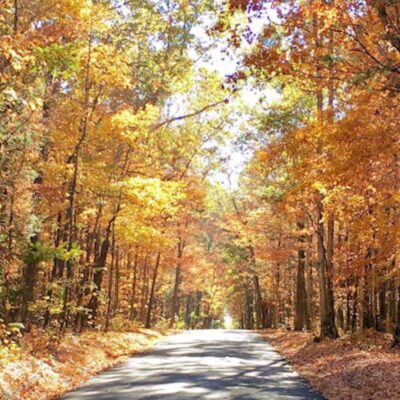
Each range runs from the coldest monthly average low to the warmest monthly average high in that season (1991-2020 climate normals), measured at Gladeville, 5 mi away, elevation 600 ft. Conditions at the park can differ from the station, especially where elevation differs — check a forecast before you go.

🏆 Named for Nashville’s Pioneer Botanist — Cedar glade honoring Augustin Gattinger, Tennessee’s first great naturalist
Gattinger’s Cedar Glade & Barrens State Natural Area is named for Augustin Gattinger (1825–1903), a German-born physician who became Tennessee’s pioneering botanist and published the state’s first comprehensive flora. This natural area preserves a cedar glade ecosystem in the Nashville Basin, protecting the kind of habitat that Gattinger first described to science in the 19th century. The glade supports multiple endemic species that Gattinger himself collected and documented.
Visitor Information
| Detail | Information |
|---|---|
| Location | Nashville Basin, TN |
| Entry Fee | Free |
| Namesake | Augustin Gattinger (1825–1903), pioneer botanist |
| Habitat | Cedar glade & barrens |
Frequently Asked Questions
Who was Augustin Gattinger?
Augustin Gattinger was a German-born physician who immigrated to Tennessee and became the state’s most important 19th-century botanist. He published “The Flora of Tennessee” (1887) — the first comprehensive catalog of the state’s plants.
How long does the fame flower bloom?
The limestone fame flower opens for only 2-3 hours on hot summer afternoons — typically between 2-5 PM on days above 90°F. Each individual flower blooms for a single afternoon, then drops its petals. The entire population synchronizes blooming — creating brief but spectacular displays on the bare limestone.
Make it a road trip: Pair a visit with John & Hester Lane Cedar Glades State Natural Area (a short drive away) or Couchville Cedar Glade State Natural Area (a short drive away).
🌼 Visit Gattinger’s Cedar Glade SNA
Named for Tennessee’s pioneer botanist — endemic wildflowers on Nashville Basin limestone.
About Gattinger’s Cedar Glade
Gattinger’s Cedar Glade and Barrens State Natural Area in Rutherford County is named for Augustin Gattinger — an Austrian-born botanist who documented Tennessee’s flora in the 1880s. The glade preserves globally rare limestone outcrop habitat with endemic species including the Tennessee coneflower, which was once on the federal endangered species list.
Things to Do
Observing rare and endemic cedar glade plants (including the recovered Tennessee coneflower), botanical study, photography, and learning about 19th-century botanical exploration in Tennessee.
Insider Tips
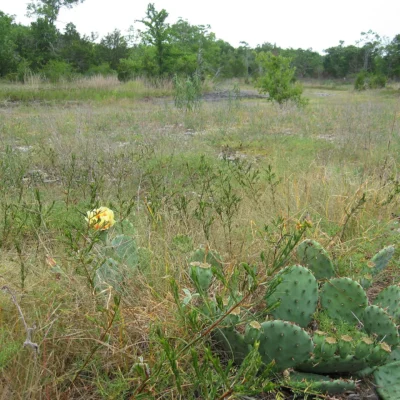
Named for a botanist: Augustin Gattinger was a 19th-century Nashville physician and botanist who first documented Tennessee’s cedar glade flora. Pro tip: This glade is one of the best-studied in Tennessee — decades of botanical research have documented every plant species. Limestone fame flower: The glade supports the limestone fame flower (Phemeranthus calcaricus) — a tiny succulent endemic to Tennessee cedar glades that blooms for only a few hours on hot summer afternoons.
Best Time to Visit
June-July: Fame flower blooms on hot afternoons. May: Tennessee coneflower begins blooming. Spring: Early glade wildflowers. Fall: Late-season botanical interest.
Wildlife & Nature
Gattinger’s Cedar Glade SNA — named for Augustin Gattinger, Tennessee’s pioneering botanist — preserves a globally significant cedar glade. The park’s endemic plants, thin-soiled limestone, and seasonal pools support rare wildflowers found nowhere else. Eastern fence lizards bask on the warm rock.
Nearby Attractions
Nashville area — surrounding. Cedars of Lebanon SP — nearby.

🐾 Dogs & Pets at Gattinger’s Cedar Glade & Barrens State Natural Area
- Pets allowed? statewide rule
- Dogs, cats and other pets are permitted in Tennessee State Parks, including all campgrounds, if leashed, crated or otherwise under physical restrictive control at all times.
- Leash rule statewide rule
- 6 ft physical leash required; pets must not be left unattended
- Beaches & swim areas statewide rule
- Pets are prohibited on designated swimming beaches and at pools at all times
- Cabins & lodging statewide rule
- Pets prohibited in park lodges and cabins except designated pet-friendly units; each park offers a limited number of pet-friendly lodge rooms and one pet-friendly cabin ($20 per pet per night)
- Pet fees statewide rule
- No day-use or campground pet fee; $20 per pet per night in designated lodge rooms/cabins
- Statewide exceptions statewide rule
- Park management may post additional no-pet areas on trails; proof of rabies vaccination may be required
Are dogs allowed at Gattinger’s Cedar Glade & Barrens State Natural Area?
Dogs, cats and other pets are permitted in Tennessee State Parks, including all campgrounds, if leashed, crated or otherwise under physical restrictive control at all times. Individual parks can post stricter rules — check signage on arrival.
Rules verified July 2026 via tnstateparks.com. More: Tennessee state parks guide · Dog rules in all 50 states compared