🌤 Weather at Cape Bend (Illinois) by season
| Spring | Summer | Fall | Winter |
|---|---|---|---|
| 37–78 °F | 66–89 °F | 37–82 °F | 26–48 °F |
Each range runs from the coldest monthly average low to the warmest monthly average high in that season (1991-2020 climate normals), measured at Cape Girardeau Municipal Airport, 8 mi away, elevation 336 ft. Conditions at the park can differ from the station, especially where elevation differs — check a forecast before you go.

Situated in the scenic southern reaches of Illinois within Alexander County, Cape Bend State Fish and Wildlife Area is a tranquil, 1,380-acre parcel of semi-protected Mississippi River bottomland habitat. Managed by the Illinois Department of Natural Resources (IDNR), this site is a prime example of active, year-round habitat management dedicated to conservation and outdoor recreation.
A Journey Back to Nature
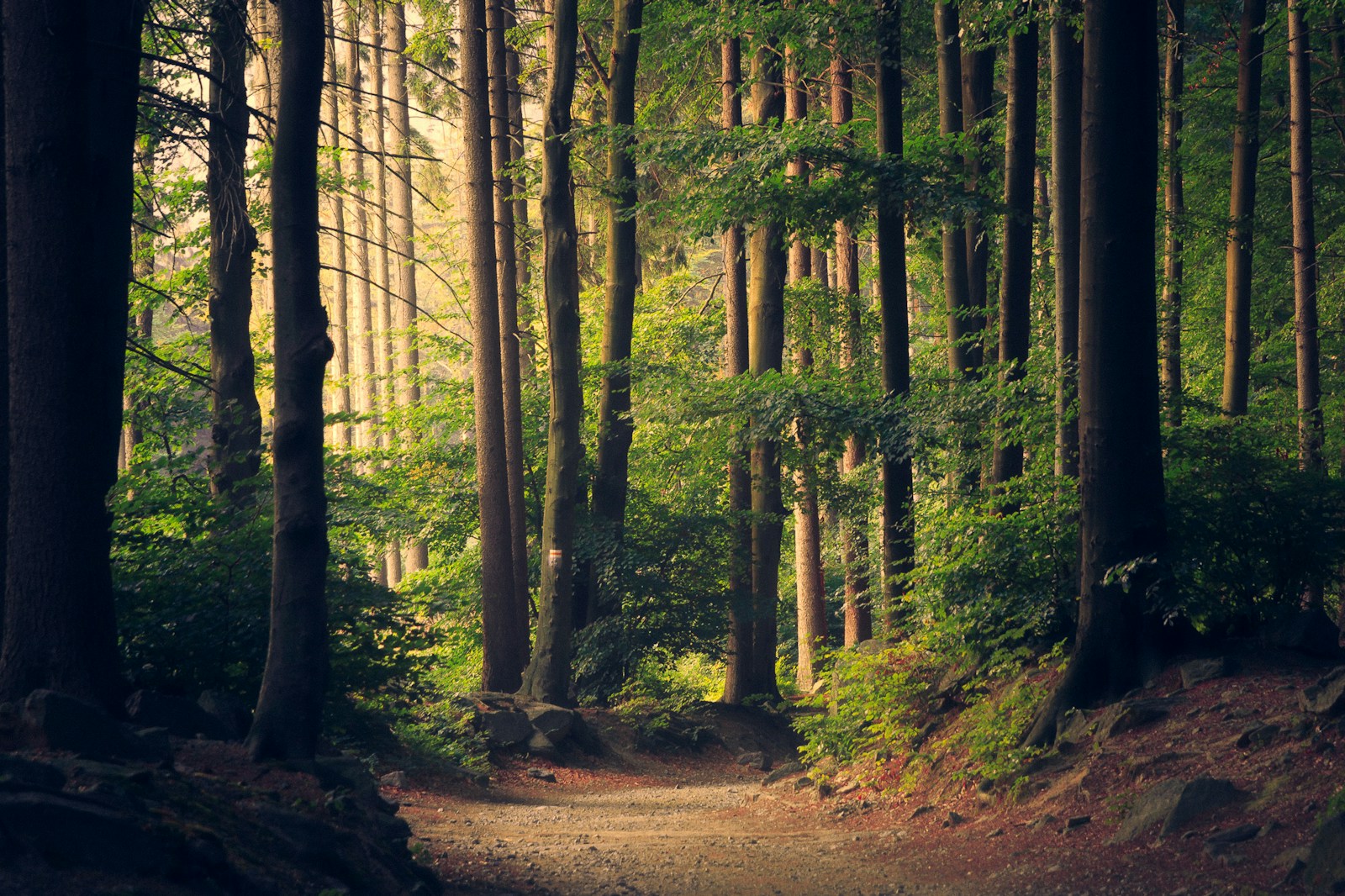
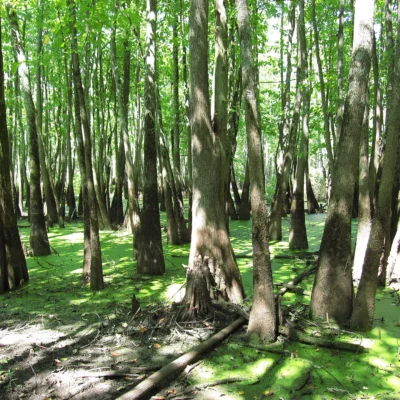
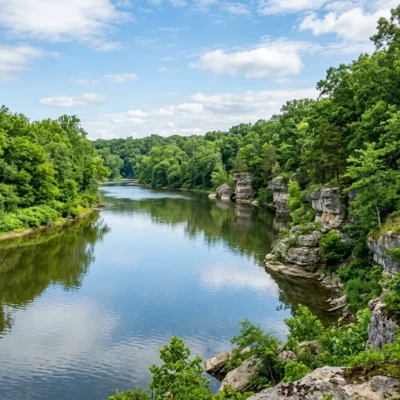
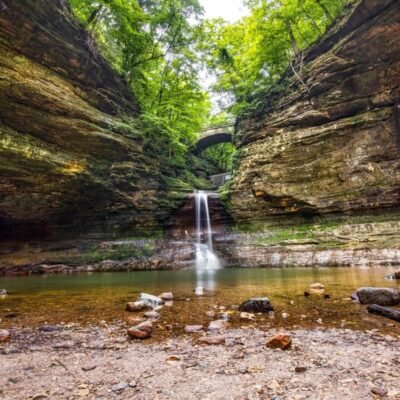
Cape Bend is a living testament to ecological restoration in the Mississippi floodplains. The landscape is a rich tapestry of distinct environments, featuring mature bottomland hardwood forests, early successional reforested crop fields, vital wetlands, and shallow water sloughs. This diverse ecosystem is carefully curated by the IDNR to support a wide array of native flora and fauna, making it an essential refuge in the region.
Outdoor Experiences
Hunting in the Bottomlands
As a designated Fish and Wildlife Area, Cape Bend is managed primarily to support robust wildlife populations and provide high-quality hunting opportunities. The combination of dense hardwood forests and open, reforested fields creates ideal conditions for upland game, waterfowl, and forest game hunting. Note to Hunters: All hunters are strictly required to sign in and out daily at designated kiosks and accurately report their harvest to assist with ongoing wildlife management efforts.
Wildlife Observation and Trails
While the area has traditionally catered heavily to sportsmen, it is increasingly welcoming to the general public for nature appreciation. The diverse wetland and forest habitats make it an excellent, uncrowded spot for bird watching and wildlife photography. To enhance the visitor experience, the IDNR is currently in the process of developing dedicated interpretive trails and specific wildlife observation areas, promising even more accessible ways to enjoy the landscape in the future.
Important Visitor Guidelines
Because Cape Bend is actively managed for wildlife and frequently serves as a site for ongoing ecological research, visitors should be aware that some specific areas may be subject to seasonal restrictions or temporary closures. Before planning a visit—especially outside of established hunting seasons or if you intend to explore off-trail—it is highly recommended to contact the main office for the most current access information.
The site operates out of the nearby Union County State Fish and Wildlife Area office, located on Refuge Road in Jonesboro.
Explore More Illinois State Parks
Cape Bend (Illinois) is one of many outstanding state parks in Illinois. Discover more parks in our Best State Parks in Illinois guide, or use our Park Finder to search by activity, location, or features.
Wildlife & Nature
Cape Bend State Fish and Wildlife Area occupies a dramatic bend of the Ohio River in extreme southern Illinois — the region known as “Little Egypt” for its warm climate and fertile river bottoms. Southern Illinois’ latitude (37°N) and proximity to the confluence of the Ohio and Mississippi Rivers creates a climate and ecology more similar to Kentucky and Tennessee than to Chicago. The bottomland hardwood forests of cypress, tupelo, and sweet gum support southern species at the northern edge of their range — including the prothonotary warbler (the “golden swamp warbler”), Mississippi kites, and chuck-will’s-widows. The Ohio River supports paddlefish — primitive cartilaginous fish with distinctive paddle-shaped snouts used to filter plankton from the water.
Nearby Attractions
Fort Massac State Park preserves a French and American frontier fort on the Ohio River. Metropolis — the “Hometown of Superman” — features a Superman statue and museum. Paducah (Kentucky) — across the Ohio — is a UNESCO Creative City known for its arts and quilt museum. Cave-in-Rock State Park has the historic river pirate cave. Shawnee National Forest provides extensive backcountry recreation. Garden of the Gods features stunning sandstone formations.
Keep exploring: The closest neighbors are Union County State Fish and Wildlife Area (a short drive away) and Cape Bend State Fish and Wildlife Area (within about an hour’s drive).

🐾 Dogs & Pets at Cape Bend (Illinois)
- Pets allowed? statewide rule
- Pets are allowed in Illinois state parks and on trails as long as they are leashed at all times.
- Leash rule statewide rule
- Leash required at all times; state code caps leash length at 10 feet
- Beaches & swim areas statewide rule
- Pets are prohibited in areas posted 'NO PETS', reserved for beach areas, concession areas and crowded campground/picnic areas (e.g. no dogs on the beach at Illinois Beach State Park)
- Cabins & lodging statewide rule
- Pets are not allowed in campground cabins
- Statewide exceptions statewide rule
- Leash rule exceptions for hunting dogs, field trials and dog training areas; pets must not be left unattended
Are dogs allowed at Cape Bend (Illinois)?
Pets are allowed in Illinois state parks and on trails as long as they are leashed at all times. Individual parks can post stricter rules — check signage on arrival.
Rules verified July 2026 via dnr.illinois.gov. More: Illinois state parks guide · Dog rules in all 50 states compared
Park Location
Plan your gear for Cape Bend (Illinois)
From our editorial guides, matched to this park’s activities: