🌤 Weather at Union County State Fish and Wildlife Area by season
| Spring | Summer | Fall | Winter |
|---|---|---|---|
| 37–79 °F | 65–90 °F | 37–84 °F | 25–50 °F |
Each range runs from the coldest monthly average low to the warmest monthly average high in that season (1991-2020 climate normals), measured at Anna 2 NNE, 9 mi away, elevation 640 ft. Conditions at the park can differ from the station, especially where elevation differs — check a forecast before you go.

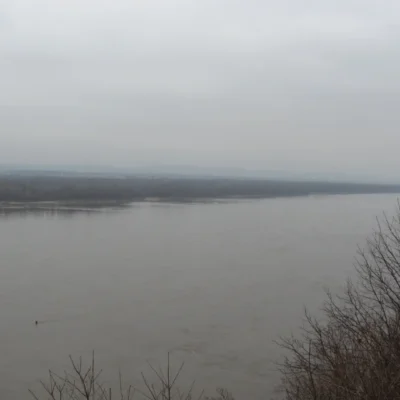
Stretching across 6,200 acres of Mississippi River bottomland near Jonesboro, Union County State Fish and Wildlife Area is one of the most ecologically significant wildlife management sites in Illinois. Positioned along the Mississippi Flyway, this vast complex of shallow sloughs, hardwood timber, wetlands, and managed agricultural fields serves as a critical stopover and wintering ground for hundreds of thousands of migratory birds — and has earned a well-deserved reputation as one of the Midwest’s premier destinations for waterfowl hunting and bald eagle viewing.
Habitat and Landscape
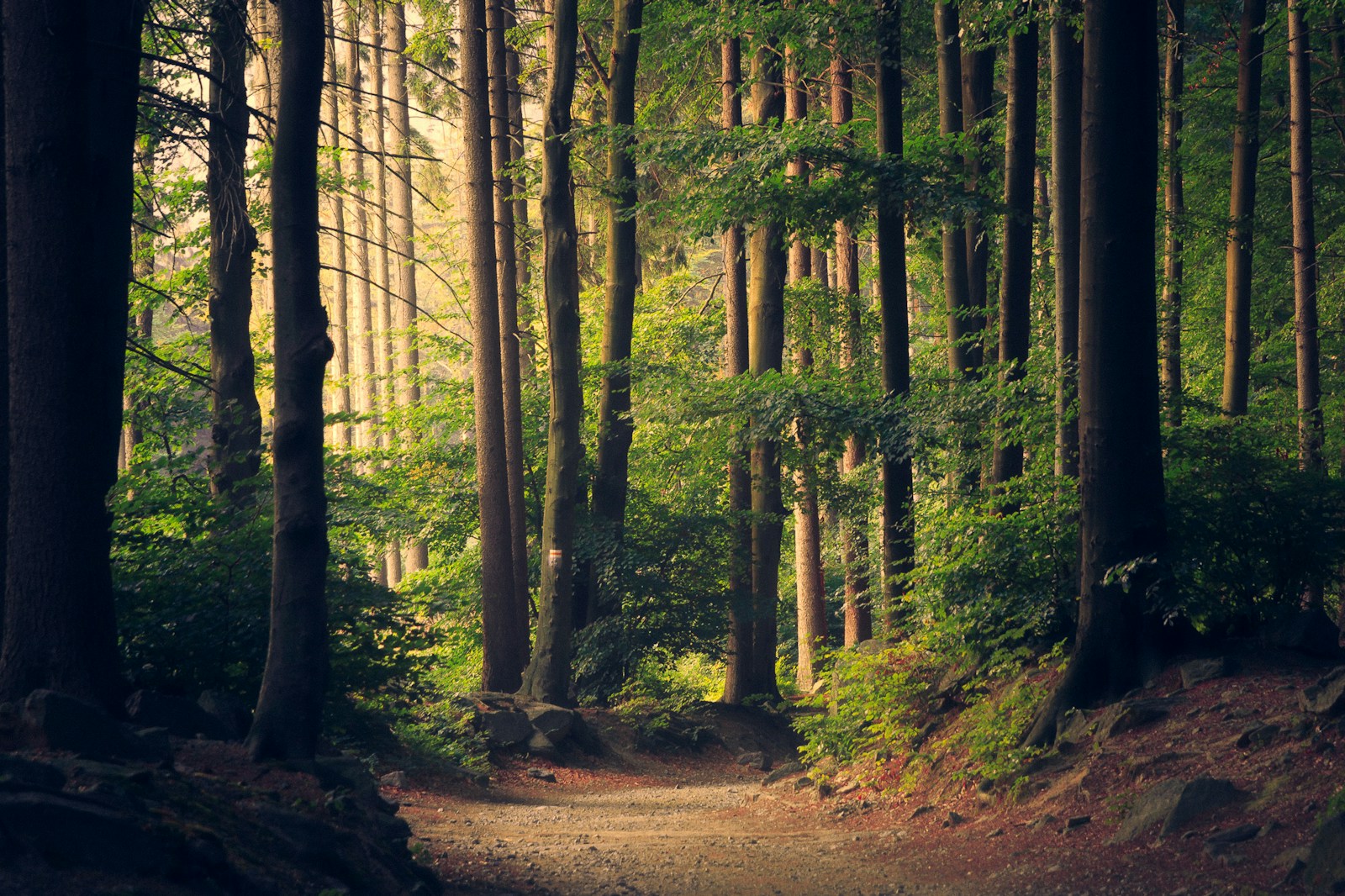
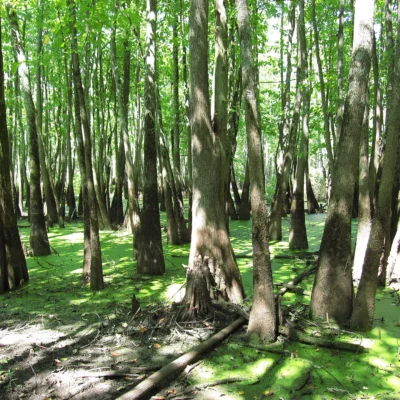
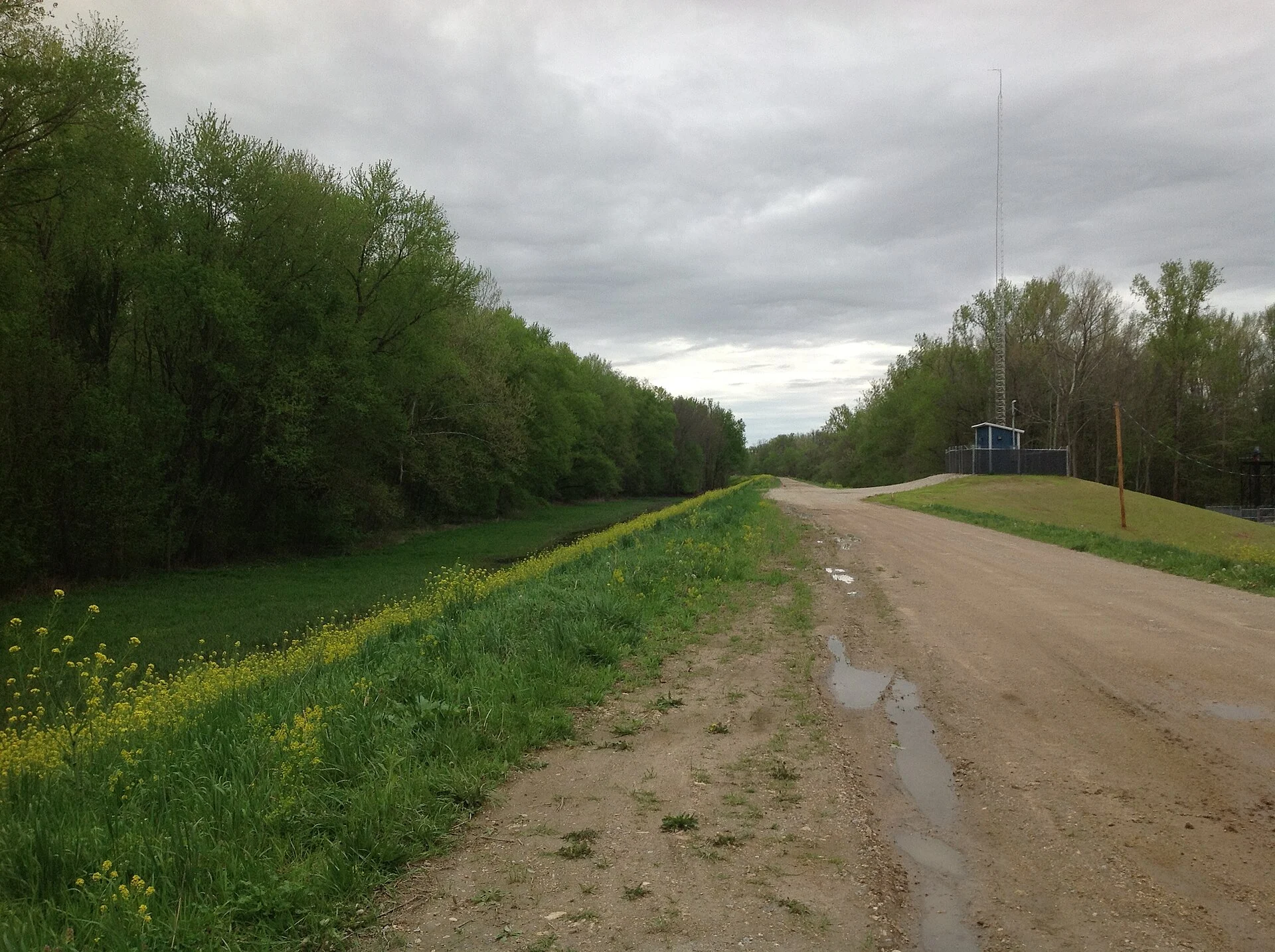
The property encompasses a remarkable diversity of bottomland habitats. Approximately 1,100 acres of shallow sloughs and wetlands provide critical waterfowl habitat, anchored by two prominent water bodies: Grassy Lake (350 acres) and Lyerla Lake (275 acres). Surrounding these wetlands are stands of bottomland hardwood timber, brushlands, and agricultural fields managed specifically to produce food for wintering waterfowl and other wildlife. The interplay of permanent water, seasonally flooded timber, and food plots creates a mosaic of habitat that supports an extraordinary density and diversity of birdlife.
Waterfowl Hunting
Union County is one of Illinois’ most sought-after public waterfowl hunting destinations. Approximately 2,050 acres at the south end of the property are designated as a Public Hunting Area for ducks and geese. Hunting is conducted from designated blind sites on a permit basis, with access allocated through online reservations and daily drawings at the check station. The site’s location on the Mississippi Flyway ensures consistent concentrations of mallards, pintails, teal, and Canada geese throughout the migration and wintering seasons.
Bald Eagle Viewing
From December through March, Union County becomes one of southern Illinois’ most reliable locations for observing bald eagles. The eagles are drawn by the concentrations of wintering waterfowl and fish in the area’s lakes and sloughs. The Refuge Drive offers excellent viewing opportunities from the road, and eagles can frequently be seen perching in large sycamores and cottonwoods along the waterways. The refuge portion of the property — where hunting is prohibited — serves as a sanctuary that keeps both eagles and their prey concentrated and visible.
Wildlife Refuge and Conservation
A large portion of the site functions as a designated wildlife refuge, closed to hunting and most public disturbance. This refuge area is critical to the site’s ecological function, providing undisturbed resting and feeding habitat for the massive flocks of wintering geese and other waterfowl. The refuge is accessible for sightseeing, wildlife photography, and nature observation from designated roads and viewing areas. Peak waterfowl concentrations — sometimes exceeding 100,000 Canada geese — typically occur in late November through January.
Other Recreation
Beyond waterfowl hunting and wildlife observation, the area supports seasonal deer and turkey hunting in designated zones, fishing in the lakes and sloughs, and hiking along site roads and levees. The bottomland forests are particularly scenic during spring when they come alive with migrating warblers and other songbirds.
Visitor Information
Union County State Fish and Wildlife Area is located at 2755 Refuge Road, Jonesboro, IL 62952. The site office can be reached at (618) 833-5175. Visitors should check access restrictions during waterfowl hunting seasons. The Refuge Drive is generally accessible year-round for wildlife viewing. Admission is free.
Wildlife & Nature
Union County State Fish and Wildlife Area — 6,200 acres in the Cache River valley — is one of the most important waterfowl management areas in Illinois. The area’s managed wetlands, grain fields, and timber attract extraordinary concentrations of migrating and wintering waterfowl. Canada geese — numbering 100,000+ during peak winter — create a spectacle of sound and movement. Snow geese and white-fronted geese add to the concentration. The area’s location in extreme southern Illinois — at the convergence of the Mississippi and Ohio River flyways — makes it a natural funnel for migrating birds. Bald eagles follow the geese, picking off weak and injured birds. The surrounding upland forest supports wild turkeys, white-tailed deer, and bobcats.
Nearby Attractions
Shawnee National Forest surrounds the area. Giant City State Park — with massive sandstone formations and a CCC lodge — is adjacent. Bald Knob Cross of Peace (111 feet tall) offers panoramic Shawnee Hills views. Alto Pass and the Shawnee Hills Wine Trail offer vineyard tours. Cache River State Natural Area protects ancient cypress. Pomona Natural Bridge is a rare geological feature. Carbondale and SIU provide university-town amenities.
Insider Tips
Shawnee National Forest gateway: Union County SFWA sits at the edge of the Shawnee National Forest in southern Illinois. Pro tip: The area is famous for its massive Canada goose migration — tens of thousands winter here. Geography: Southern Illinois is more Ozark than Midwest — rugged hills, cypress swamps, and surprising biodiversity.
Best Time to Visit
Winter: Canada goose migration — spectacular. Fall: Deer hunting and foliage. Spring: Turkey hunting and wildflowers. Summer: Fishing.
Frequently Asked Questions
Why do so many geese winter in southern Illinois?
Southern Illinois sits at the convergence of the Mississippi and Ohio Rivers — creating vast wetlands and agricultural fields that provide food and shelter. Union County SFWA and nearby Crab Orchard NWR host hundreds of thousands of Canada geese each winter, making this one of the largest goose concentrations in North America.
Nearby parks: If you have extra time, Cape Bend State Fish and Wildlife Area is a short drive away, and Giant City State Park is within about an hour’s drive.

🐾 Dogs & Pets at Union County State Fish and Wildlife Area
- Pets allowed? statewide rule
- Pets are allowed in Illinois state parks and on trails as long as they are leashed at all times.
- Leash rule statewide rule
- Leash required at all times; state code caps leash length at 10 feet
- Beaches & swim areas statewide rule
- Pets are prohibited in areas posted 'NO PETS', reserved for beach areas, concession areas and crowded campground/picnic areas (e.g. no dogs on the beach at Illinois Beach State Park)
- Cabins & lodging statewide rule
- Pets are not allowed in campground cabins
- Statewide exceptions statewide rule
- Leash rule exceptions for hunting dogs, field trials and dog training areas; pets must not be left unattended
Are dogs allowed at Union County State Fish and Wildlife Area?
Pets are allowed in Illinois state parks and on trails as long as they are leashed at all times. Individual parks can post stricter rules — check signage on arrival.
Rules verified July 2026 via dnr.illinois.gov. More: Illinois state parks guide · Dog rules in all 50 states compared
Park Location
Plan your gear for Union County State Fish and Wildlife Area
From our editorial guides, matched to this park’s activities: