🌤 Weather at Columbia State Historic Park by season
| Spring | Summer | Fall | Winter |
|---|---|---|---|
| 37–76 °F | 51–93 °F | 36–87 °F | 32–58 °F |
Each range runs from the coldest monthly average low to the warmest monthly average high in that season (1991-2020 climate normals), measured at Sonora, 5 mi away, elevation 1,675 ft. Conditions at the park can differ from the station, especially where elevation differs — check a forecast before you go.

Columbia State Historic Park is California’s living Gold Rush town—the largest collection of 1850s structures in the state! Walk car-free streets, pan for gold, and ride a stagecoach!
Attractions
| Experience | Details |
|---|---|
| ⛏️ Gold Panning | Try your luck! |
| 🐴 Stagecoach Rides | Authentic 1850s experience |
| 🔨 Blacksmith Shop | Working demonstrations |
| 🏫 Historic Schoolhouse | Restored 1850s building |
Gold Rush History
| Fact | Details |
|---|---|
| 📅 Founded | 1850 after gold discovery |
| 💰 Gold Extracted | $150 million (1850s–1900s) |
| 👗 Interpreters | Costumed docents in period dress |
2025 Events
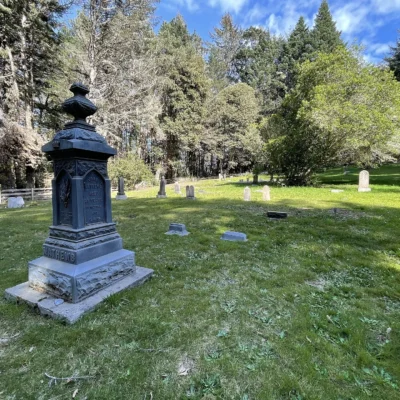
Columbia Diggins 1852 (May 15-18): 150+ volunteers recreate 1852 mining camp! Miners Christmas (Dec 20-21). Stories in Stone lantern cemetery tours (Sept-Oct).
FAQ
Is there camping at Columbia?
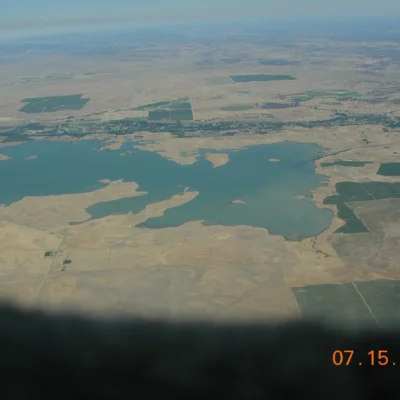
No camping within the historic park. Nearby camping at Calaveras Big Trees or New Melones Lake.
Wildlife & Nature
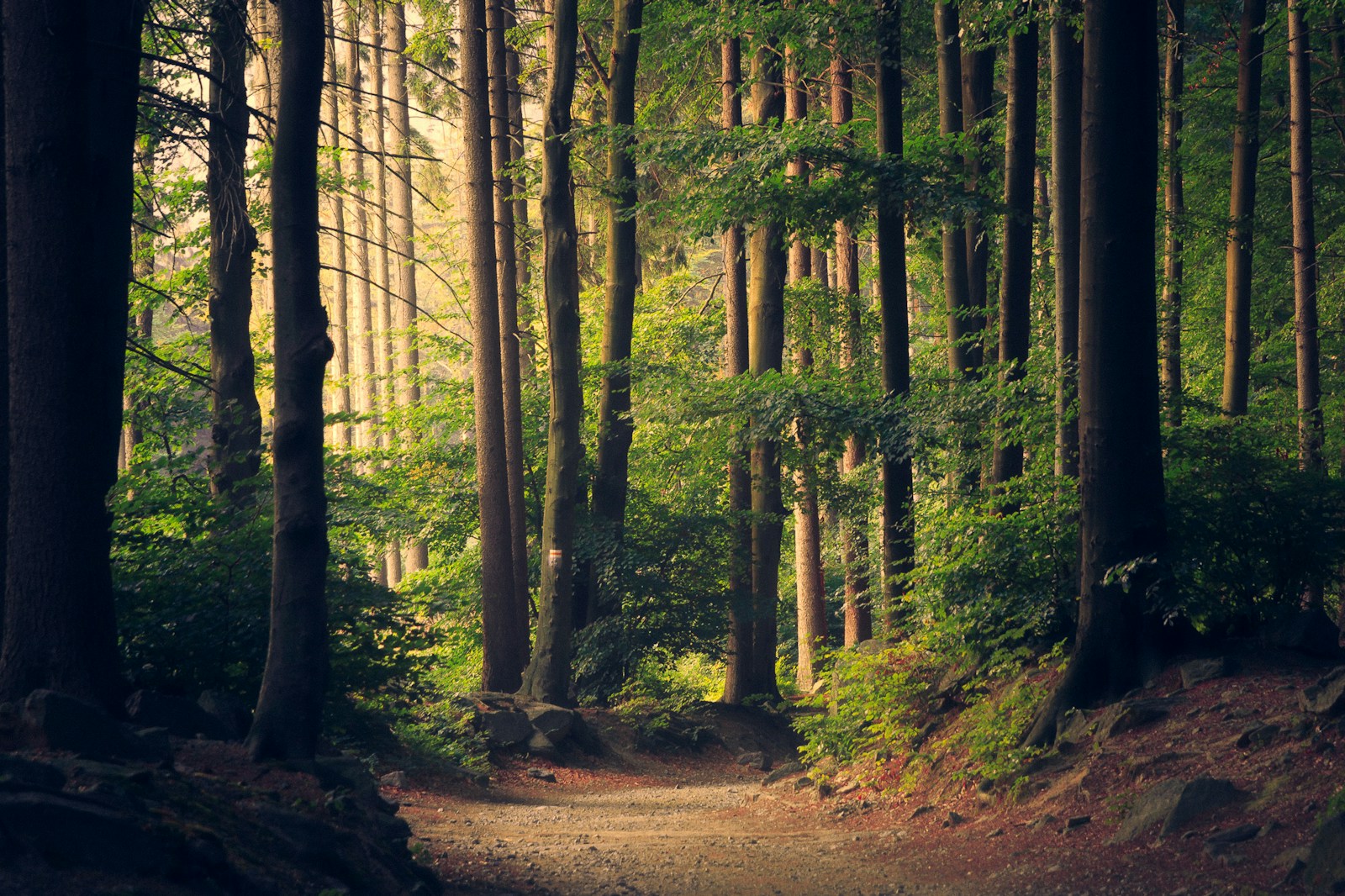
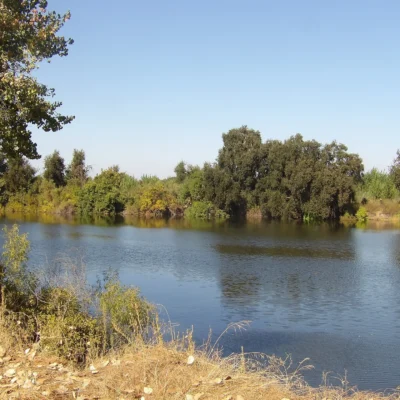
Columbia preserves the character of a mid-Connecticut rural landscape. The area lies within the Eastern Highlands — a region of rolling hills, stone walls, and mixed hardwood forests. White-tailed deer populations in Connecticut are among the densest in the nation — often exceeding 30 per square mile in suburban areas. This density damages forest regeneration and gardens alike. The Columbia Lake watershed supports diverse aquatic life including largemouth bass and chain pickerel. Great horned owls — the “tigers of the sky” — are apex predators in these forests, capable of taking prey as large as skunks and rabbits. Spring peepers announce the season from every wetland with their deafening chorus.
Nearby Attractions
Hop River State Park Trail runs nearby — a 20-mile paved rail trail connecting Bolton to Willimantic. Mansfield Hollow State Park offers lake recreation at a scenic Army Corps reservoir. Windham Textile Museum in Willimantic celebrates the Thread City’s manufacturing heritage. The Frog Bridge in Willimantic commemorates the legendary “Battle of the Frogs” (1754) — when townspeople mistook frog croaking for an approaching army. UConn Dairy Bar in nearby Storrs serves ice cream made from the university’s own herd — a beloved Connecticut institution.
⛏️ California’s Gold Rush Time Machine
Visit CA State Parks
Things to Do
California state parks span an extraordinary range of landscapes — from ancient redwood forests and rugged Pacific coastline to Mojave Desert dunes and Sierra Nevada alpine meadows. Depending on the park, visitors can enjoy hiking through old-growth groves, swimming and surfing along miles of wild beaches, camping beneath towering sequoias, kayaking coastal sea caves, mountain biking oak-studded foothills, fishing in alpine lakes, rock climbing granite formations, and wildlife watching for everything from elephant seals to California condors.
Best Time to Visit
California’s parks are a year-round destination, though the ideal season depends on the region. Coastal parks enjoy mild weather from spring through fall. Desert parks are best visited October through April. Mountain parks in the Sierra Nevada are most accessible June through October. Spring brings wildflower super blooms. Fall offers thinner crowds and stunning foliage at higher elevations.
Visitor Tips
Most California state parks charge a day-use parking fee of $12–$20 per vehicle (demand-based pricing). An annual pass is recommended: Golden Poppy ($125, 112 parks) or California Explorer ($195, 134 parks including the Southern California beaches). Camping reservations through ReserveCalifornia up to 6 months in advance. Cell service is limited in many parks. Dogs are generally allowed in campgrounds but not on most trails or beaches.
Explore More California State Parks
Columbia State Historic Park is one of many outstanding state parks in California. Discover more parks in our Best State Parks in California guide, or use our Park Finder to search by activity, location, or features.
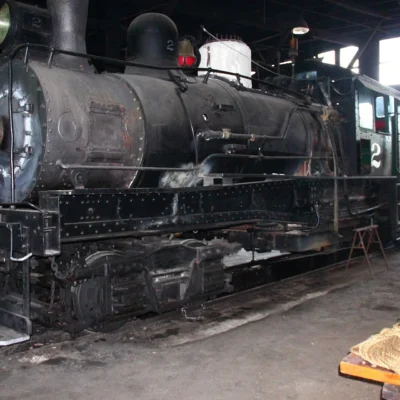
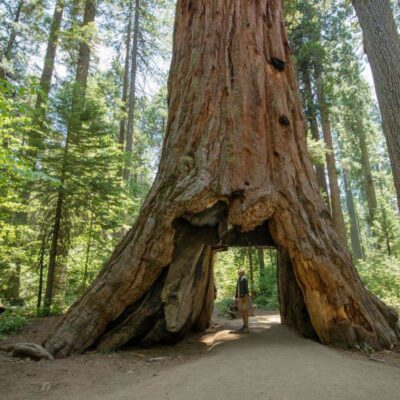
Nearby parks: If you have extra time, Railtown 1897 State Historic Park is a short drive away, and Calaveras Big Trees State Park is within about an hour’s drive.

🐾 Dogs & Pets at Columbia State Historic Park
- Pets allowed? statewide rule
- Dogs are permitted in California State Parks only in developed areas — campgrounds, picnic areas, parking lots and paved roads — and are prohibited on most trails, beaches and undeveloped areas unless specifically designated as dog-friendly.
- Leash rule statewide rule
- Maximum 6-foot leash at all times; dogs may not be left unattended.
- Beaches & swim areas statewide rule
- Dogs are prohibited on most state beaches; only beaches specifically designated as dog-allowed permit them (varies by park).
- Cabins & lodging statewide rule
- Pets are generally not allowed in buildings or cabins; overnight campers must keep dogs inside a tent or vehicle at night.
- Statewide exceptions statewide rule
- Designated dog-friendly trails and beaches vary park by park; misrepresenting a pet as a service animal is a misdemeanor.
Are dogs allowed at Columbia State Historic Park?
Dogs are permitted in California State Parks only in developed areas — campgrounds, picnic areas, parking lots and paved roads — and are prohibited on most trails, beaches and undeveloped areas unless specifically designated as dog-friendly. Individual parks can post stricter rules — check signage on arrival.
Rules verified July 2026 via parks.ca.gov. More: California state parks guide · Dog rules in all 50 states compared
Park Location
Plan your gear for Columbia State Historic Park
From our editorial guides, matched to this park’s activities: