🌤 Weather at F.J. McLain State Park by season
| Spring | Summer | Fall | Winter |
|---|---|---|---|
| 17–61 °F | 49–75 °F | 26–66 °F | 9–28 °F |
Each range runs from the coldest monthly average low to the warmest monthly average high in that season (1991-2020 climate normals), measured at Hancock Houghton Co Airport, 7 mi away, elevation 1,095 ft. Conditions at the park can differ from the station, especially where elevation differs — check a forecast before you go.

Overview: Keweenaw Peninsula on Lake Superior
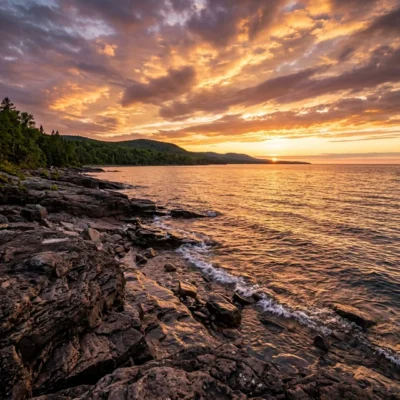
Spread across 443 acres of Lake Superior shoreline on the Keweenaw Peninsula between Hancock and Calumet, F.J. McLain State Park occupies one of the most geographically dramatic locations in the Michigan state park system—at the entrance to the Keweenaw Waterway (Portage Canal), where the engineered channel cuts through the peninsula and an art deco lighthouse guards the passage. Two miles of sandy Lake Superior beach, legendary sunsets over the world’s largest freshwater lake, and the Keweenaw Peninsula’s unique copper mining heritage combine to create a park experience found nowhere else in Michigan.
Named for Frederick J. McLain, a Houghton County Commissioner who secured the land in the 1930s, the park features infrastructure originally built by the Works Progress Administration (WPA)—the New Deal construction program that was the CCC’s civilian counterpart. Open year-round, McLain serves as both a summer beach destination and a winter basecamp for snowshoeing, cross-country skiing, and exploring the Keweenaw’s snow-buried copper country.
Lake Superior Beach: 2 Miles
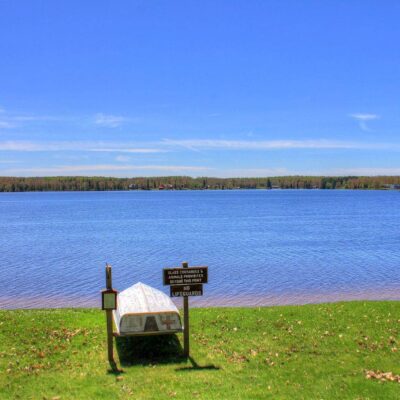
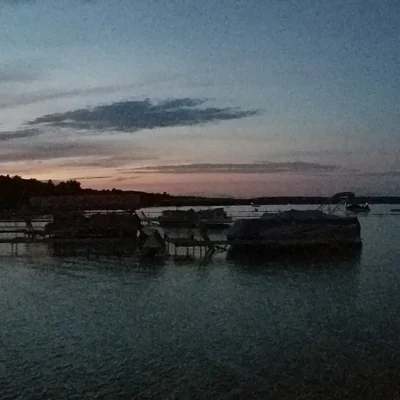
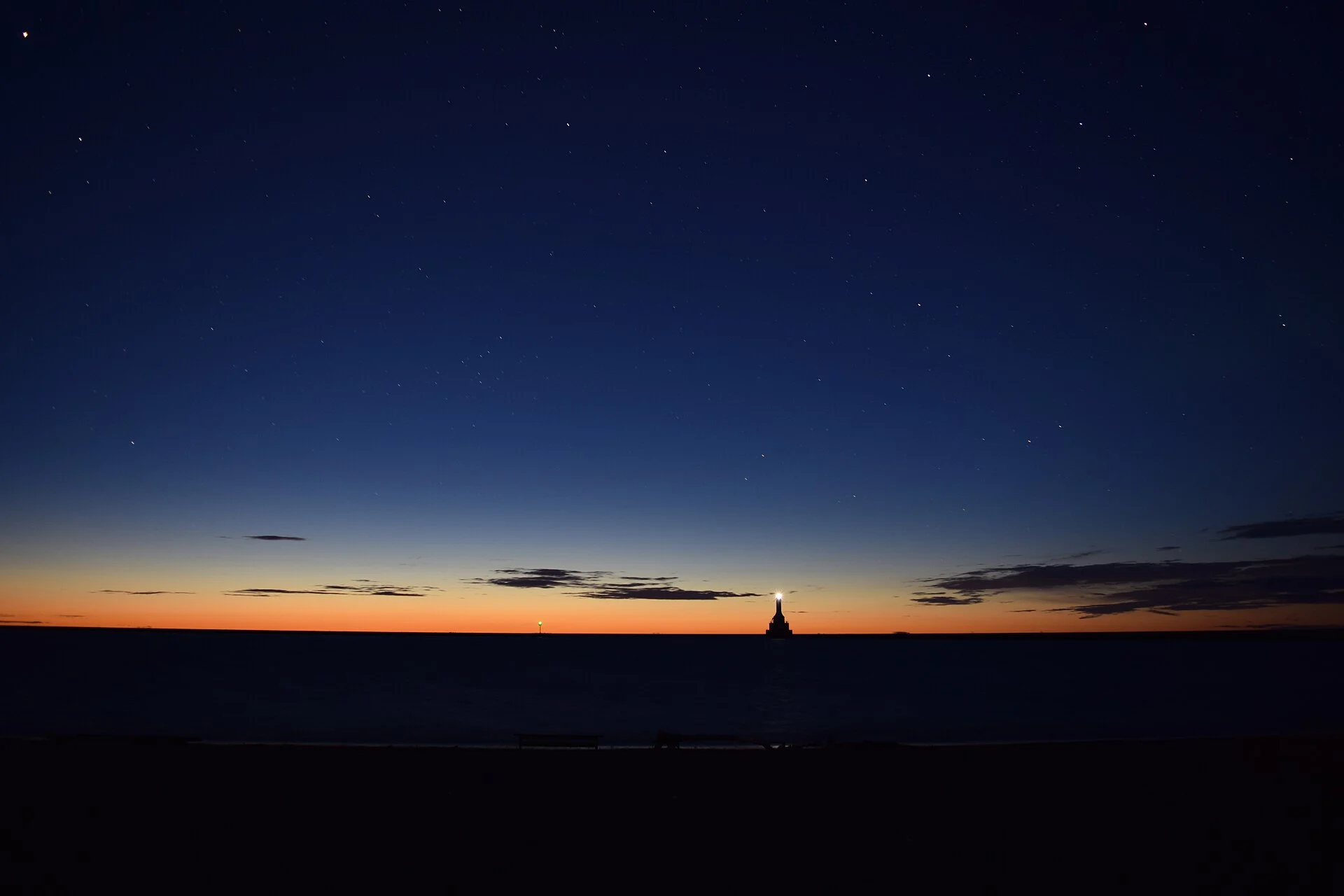
McLain’s two miles of Lake Superior beach alternate between sandy stretches and the rocky, agate-studded shoreline typical of the Keweenaw coast. The water is cold—Lake Superior rarely exceeds 55°F even in August—but the beach experience is unmatched: vast, empty stretches of sand facing west-northwest into legendary Superior sunsets, with the art deco Keweenaw Waterway lighthouse visible to the south.
- The Breakwaters: The southern beach section near the Keweenaw Waterway entrance features breakwaters that create calmer, slightly warmer conditions
- Agate Hunting: The rocky shoreline sections yield Lake Superior agates for patient beachcombers
- Thimbleberries: Wild thimbleberry bushes grow prolifically in and around the park—the Keweenaw’s signature wild fruit, prized for jams and eaten fresh by the handful during the July–August season
The Keweenaw Waterway Lighthouse
The Keweenaw Waterway Upper Entrance Light—an art deco–style lighthouse visible from the park—marks the Lake Superior entrance to the Portage Canal, which cuts completely through the Keweenaw Peninsula. The lighthouse’s distinctive geometric design makes it one of the most architecturally interesting lighthouses on the Great Lakes, and its position near the park creates a compelling photographic subject, especially during sunset.
Camping and Lodging
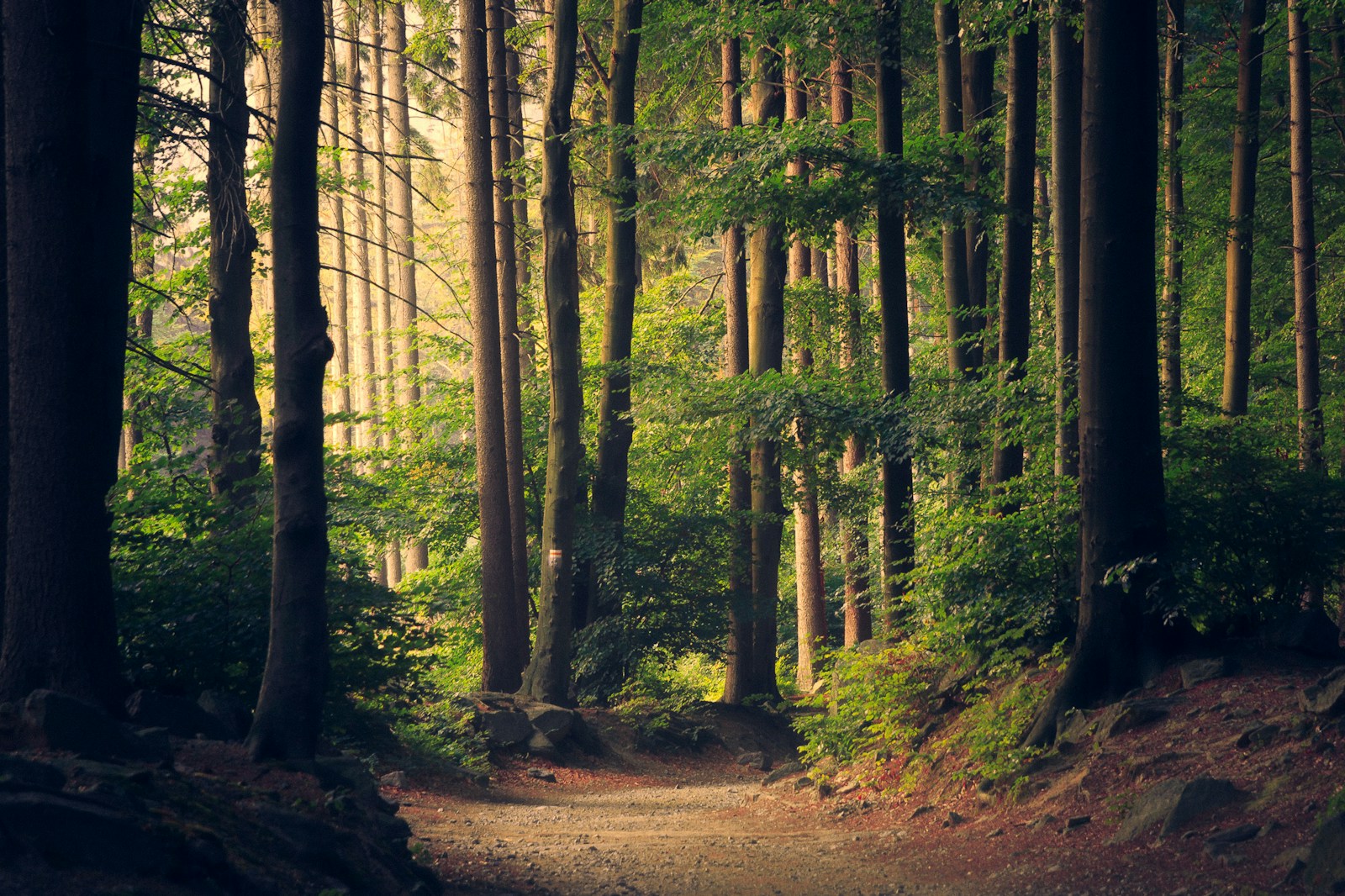
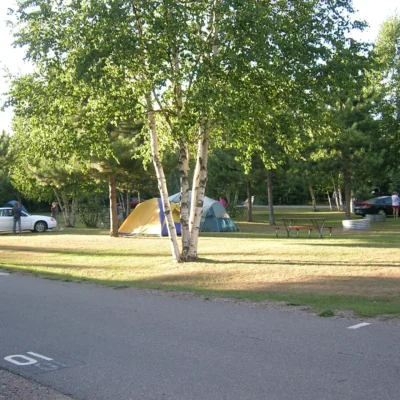
- 98 Campsites: Some with electrical service, in a wooded setting of birch, spruce, and mixed northern forest
- Cabins and Tiny Houses: Rental structures for visitors seeking sheltered accommodation
- Year-Round Operation: McLain is open throughout the year, making it one of the few UP state parks accessible for winter recreation
Copper Country
The Keweenaw Peninsula is Michigan’s Copper Country—the site of America’s first significant copper mining boom (1840s–1960s) and home to the Keweenaw National Historical Park, historic mine tours, and charming mining-era towns. McLain’s location between Hancock and Calumet places visitors within easy reach of:
- Quincy Mine: Historic copper mine tour in Hancock
- Calumet Historic District: Preserved mining-era architecture and the Calumet Theatre
- Michigan Technological University: The engineering university in Houghton that grew from the mining industry
- Brockway Mountain Drive: The highest above-sea-level road between the Rockies and the Alleghenies
Seasonal Guide
Spring (May–June)
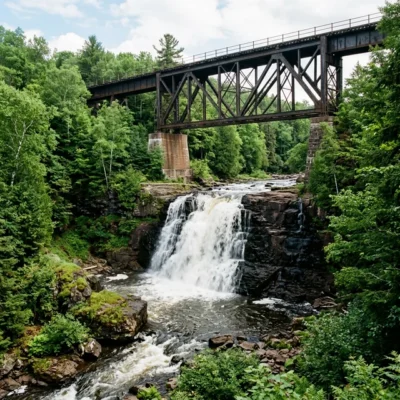
Campground opens. Lake Superior still very cold. Spring wildflowers. Waterfall season in the Keweenaw.
Summer (July–August)
Peak season. Beach days (embrace the cold water). Thimbleberry picking. Copper country touring. Superior sunsets at their longest.
Autumn (September–October)
Fall color in the Keweenaw—some of the earliest and most dramatic in Michigan. Lake Superior storm watching. Agate hunting after storms.
Winter (November–April)
The Keweenaw receives massive snowfall (200+ inches annually). Cross-country skiing, snowshoeing. Frozen Superior shoreline formations. Winter aurora viewing potential.
Frequently Asked Questions
Can I swim in Lake Superior here? Technically yes, but the water is cold—rarely above 55°F even in August. The Breakwaters area at the southern end offers slightly warmer conditions. Most visitors wade rather than swim.
What are thimbleberries? A wild raspberry-like fruit native to the Upper Peninsula and especially abundant in the Keweenaw. They ripen in July–August and are prized for jams. Look for them along trails and park edges.
Is the park open in winter? Yes, year-round. The Keweenaw receives enormous snowfall, and winter access is available for skiing, snowshoeing, and winter camping.
Wildlife & Nature
F.J. McLain SP — on Lake Superior in the Keweenaw — has dramatic sunsets and agate hunting. Black bears and bald eagles frequent the area. Lake Superior agates wash ashore.
Nearby Attractions
Hancock/Houghton — adjacent. Copper Harbor — 45 miles north. Isle Royale NP — ferry from Houghton.
Keep exploring: The closest neighbor is Douglass Houghton Falls Scenic Site (a short drive away).

🐾 Dogs & Pets at F.J. McLain State Park
- Pets allowed? statewide rule
- Pets are welcome in Michigan state parks, campgrounds, harbors and state-designated trails, except designated swim beaches and other posted areas.
- Leash rule statewide rule
- Pets must always be on a 6-foot leash and under the owner's immediate control.
- Beaches & swim areas statewide rule
- Pets are prohibited in buoyed swim areas but allowed along the shoreline outside them (on a 6-ft leash, even in the water); 50+ parks have pet-friendly shoreline or designated dog beaches.
- Cabins & lodging statewide rule
- Up to two pets (cats and dogs only) allowed at ~12 parks' designated pet-friendly cabins, yurts and lodges; $10 per night per pet (cabins) or $15 (lodges); otherwise pets barred from overnight lodging.
- Pet fees statewide rule
- No day-use pet fee; pet-friendly lodging costs $10/night per pet (cabins) or $15/night per pet (lodges).
- Statewide exceptions statewide rule
- Leash laws do not apply to dogs used for hunting on land open to such use; pets may not be left unattended.
Are dogs allowed at F.J. McLain State Park?
Pets are welcome in Michigan state parks, campgrounds, harbors and state-designated trails, except designated swim beaches and other posted areas. Individual parks can post stricter rules — check signage on arrival.
Rules verified July 2026 via michigan.gov. More: Michigan state parks guide · Dog rules in all 50 states compared
Park Location
Plan your gear for F.J. McLain State Park
From our editorial guides, matched to this park’s activities: