
🌤 Weather at Kidd Lake Marsh (Illinois) by season
| Spring | Summer | Fall | Winter |
|---|---|---|---|
| 34–76 °F | 63–88 °F | 35–81 °F | 22–46 °F |
Each range runs from the coldest monthly average low to the warmest monthly average high in that season (1991-2020 climate normals), measured at Festus, 15 mi away, elevation 600 ft. Conditions at the park can differ from the station, especially where elevation differs — check a forecast before you go.

🏆 Ice Age Relic Marsh — Rare glacial marsh preserving Ice Age plant communities — one of the most ecologically significant wetlands in the Midwest
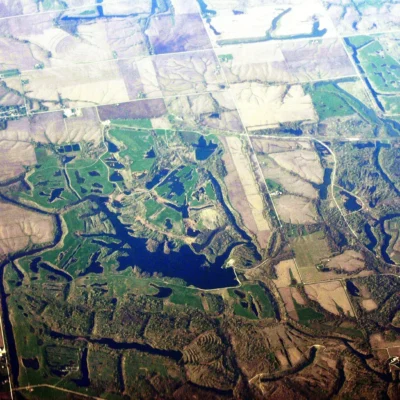
Kidd Lake Marsh Natural Area protects a rare glacial marsh in Monroe County — one of the most ecologically significant wetlands in the Midwest. The marsh supports relic plant communities that have persisted since the last Ice Age, including species typically found hundreds of miles to the north. Kidd Lake sits at the edge of the glacial boundary — the Illinoian glacier (300,000 years ago) reached this far south, creating the depression that became the marsh. The site is a National Natural Landmark.
Visitor Information
| Detail | Information |
|---|---|
| Location | Monroe County, IL |
| Entry Fee | Free |
| Age | 300,000 years — Illinoian glacier! |
| Status | National Natural Landmark! |
About Kidd Lake Marsh
Kidd Lake Marsh Natural Area in Monroe County protects a significant wetland complex in the American Bottom — the broad Mississippi River floodplain in southwestern Illinois. The marsh provides critical habitat for migratory waterfowl on the Mississippi Flyway and is part of the wetland network that makes the American Bottom one of the most important bird migration corridors in North America.
Things to Do
Birdwatching during fall and spring migrations (the marsh attracts thousands of waterfowl), hunting (seasonal), and wildlife photography. The American Bottom wetlands support bald eagles in winter.
Insider Tips
Wetland gem: Kidd Lake Marsh is one of the best birding sites in southwestern Illinois — a restored wetland that attracts thousands of migrating waterfowl and shorebirds. Pro tip: The marsh is part of the American Bottoms — the floodplain where Cahokia Mounds, the largest pre-Columbian city north of Mexico, once stood. Shorebirds: Drawn-down mudflats in August attract rare shorebirds.
Best Time to Visit
Fall: Peak waterfowl migration. August-September: Shorebird migration on mudflats. Spring: Breeding marsh birds. Winter: Short-eared owls hunt over the marsh at dusk.
Frequently Asked Questions
What was Cahokia?
Cahokia Mounds (15 minutes away) was the largest city in pre-Columbian North America — population 20,000+ around 1100 AD, larger than contemporary London. The 120 earthen mounds include Monks Mound, the largest prehistoric earthwork in the Americas. It’s a UNESCO World Heritage Site.
Wildlife & Nature
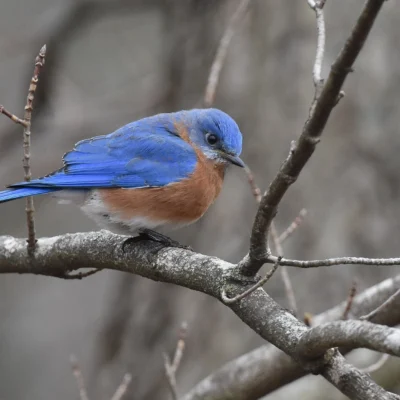
Kidd Lake Marsh State Natural Area in Monroe County preserves one of the finest remaining examples of Mississippi River floodplain wetland in southwestern Illinois. The marsh — fed by seasonal Mississippi River flooding and groundwater seepage — supports diverse aquatic and wetland vegetation. Cattails, bulrushes, and lotus create dense cover for nesting waterfowl and marsh birds. American bitterns — stocky herons that “freeze” with bills pointed skyward to mimic marsh vegetation — breed here. Sora and Virginia rails — secretive marsh birds heard more often than seen — call from the cattails. The marsh attracts migrating shorebirds during late summer drawdowns. Muskrats build lodges throughout the marsh. Northern harriers patrol low over the wetland.
Nearby Attractions
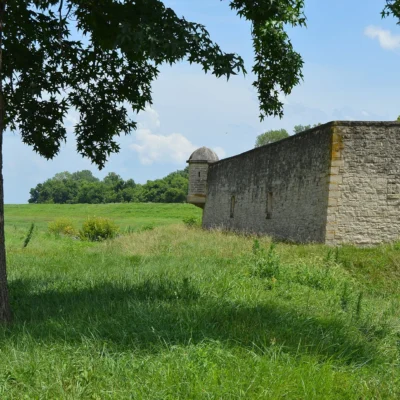
Cahokia Mounds State Historic Site — a UNESCO World Heritage Site — preserves the largest pre-Columbian city north of Mexico. Fort de Chartres State Historic Site has French colonial fortifications. Prairie du Rocher retains French colonial character. Columbia has antique shops. Waterloo is the Monroe County seat. St. Louis is 30 minutes away with the Gateway Arch and Forest Park. Modoc Rock Shelter preserves 8,000 years of human habitation.
More parks nearby: Fort de Chartres State Historic Site is a short drive away, while Illinois Caverns (Illinois) lies a short drive away.
🧊 Visit Kidd Lake Marsh
Ice Age relic — 300,000-year-old glacial marsh, National Natural Landmark!

🐾 Dogs & Pets at Kidd Lake Marsh (Illinois)
- Pets allowed? statewide rule
- Pets are allowed in Illinois state parks and on trails as long as they are leashed at all times.
- Leash rule statewide rule
- Leash required at all times; state code caps leash length at 10 feet
- Beaches & swim areas statewide rule
- Pets are prohibited in areas posted 'NO PETS', reserved for beach areas, concession areas and crowded campground/picnic areas (e.g. no dogs on the beach at Illinois Beach State Park)
- Cabins & lodging statewide rule
- Pets are not allowed in campground cabins
- Statewide exceptions statewide rule
- Leash rule exceptions for hunting dogs, field trials and dog training areas; pets must not be left unattended
Are dogs allowed at Kidd Lake Marsh (Illinois)?
Pets are allowed in Illinois state parks and on trails as long as they are leashed at all times. Individual parks can post stricter rules — check signage on arrival.
Rules verified July 2026 via dnr.illinois.gov. More: Illinois state parks guide · Dog rules in all 50 states compared
Park Location
Plan your gear for Kidd Lake Marsh (Illinois)
From our editorial guides, matched to this park’s activities: