🌤 Weather at Baldwin Lake State Fish & Wildlife Area by season
| Spring | Summer | Fall | Winter |
|---|---|---|---|
| 33–76 °F | 62–88 °F | 34–81 °F | 22–45 °F |
Each range runs from the coldest monthly average low to the warmest monthly average high in that season (1991-2020 climate normals), measured at Sparta 1 W, 9 mi away, elevation 535 ft. Conditions at the park can differ from the station, especially where elevation differs — check a forecast before you go.

🐟 Another Illinois Coal Mine Reborn — 2,018 Acres of Bass Water and Waterfowl Marsh in Southern Illinois — Baldwin Lake State Fish and Wildlife Area in Randolph County, Illinois, 2,018 acres of reclaimed strip-mine land, Baldwin Lake (2,018-acre cooling lake for Baldwin Power Station), largemouth bass crappie channel catfish bluegill fishing, waterfowl hunting, warm water discharge creates year-round fishing, boat ramp, near Kaskaskia River — Randolph County, IL
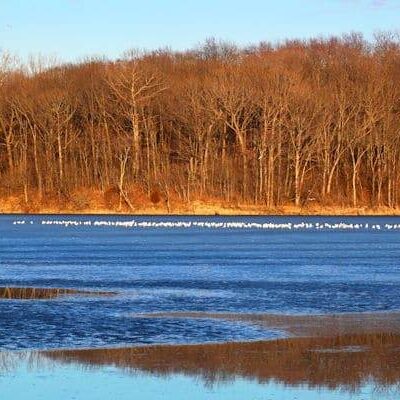
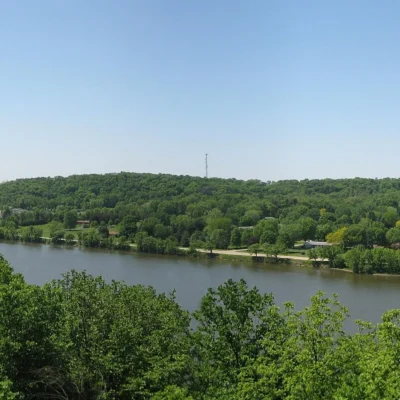
Baldwin Lake exists because of coal. The Baldwin Power Station needed cooling water, so they dammed a creek and made a 2,018-acre lake in southern Illinois coal country. The warm water discharge from the plant created something unusual — a lake where bass grow fast, catfish grow fat, and the water stays warm enough to fish year-round.
The surrounding land — strip-mined, reclaimed, and returned to grass and wetland — draws waterfowl by the thousands during migration. It’s not wilderness. It’s not pristine. It’s something else entirely — an industrial landscape that accidentally became one of the best fishing and hunting areas in southern Illinois.
What to Do
| Activity | Details |
|---|---|
| Fishing | 2,018-acre lake — largemouth bass, crappie, bluegill, channel catfish, white bass, and hybrid striped bass. Warm water discharge creates year-round fishing opportunities. Boat ramps available. 10 HP motor limit |
| Waterfowl Hunting | Managed waterfowl hunting areas during fall migration. Canada geese, mallards, teal, and wood ducks. The reclaimed strip-mine ponds and wetlands create excellent waterfowl habitat |
| Upland Hunting | Pheasant, quail, rabbit, and dove hunting in season. The reclaimed grasslands provide quality upland bird habitat |
| Boating | Electric and gas motors allowed (10 HP limit). Multiple boat ramps. The lake is large enough for a full day of fishing. Flat, open water — little protection from wind |
| Birding | Warm water attracts unusual species — bald eagles in winter, pelicans during migration. Shorebirds on mud flats. The warm discharge area draws birds year-round |
How a Power Plant Made a Fishery
| Era | What Happened |
|---|---|
| 1960s–1970s | The Baldwin Power Station (coal-fired) is built in Randolph County. A 2,018-acre cooling lake is created to cool discharge water from the plant |
| 1970s–2000s | The warm water discharge creates an artificially warm lake — bass and catfish thrive. Fish grow faster than in natural lakes. Anglers discover the fishery. The Illinois DNR manages surrounding lands for wildlife |
| Strip Mining Legacy | Surrounding land was strip-mined for coal. Reclamation converts the mine land to grassland, wetland, and hunting areas. Waterfowl colonize the reclaimed ponds |
| Present | Baldwin Lake is one of southern Illinois’ most productive fishing lakes. The warm water creates a unique fishery that stays active through winter when other lakes freeze |
Best Time to Visit
| Season | Best For |
|---|---|
| Spring (Mar–May) | 🌸 Bass spawning. Crappie run in shallow water. White bass active. Best overall fishing season. Waterfowl migration |
| Fall (Oct–Nov) | 🍂 Waterfowl hunting season. Crappie and catfish feeding heavily before winter. Bald eagles arriving. Cool, comfortable days |
| Summer (Jun–Aug) | Warm water fishing — catfish active at night. Bass early morning and evening. Hot on the open lake. Bring shade |
| Winter (Dec–Feb) | The warm discharge keeps parts of the lake ice-free — winter fishing when other lakes are frozen. Bald eagles congregate near open water. Unique winter fishery |
Frequently Asked Questions
Why does the lake stay warm?
The Baldwin Power Station uses the lake for cooling water. Warm water discharged from the plant keeps parts of the lake significantly warmer than natural temperatures. This creates faster fish growth, year-round fishing, and attracts species that wouldn’t normally thrive this far north.
Is there a motor limit?
Yes — 10 horsepower motor limit. Both gas and electric motors are allowed, but maximum 10 HP. Multiple boat ramps provide access. The lake is large and open — wind can be a factor on rough days.
More parks nearby: World Shooting and Recreational Complex is a short drive away, while Piney Creek Ravine (Illinois) lies a short drive away.
🐟 Coal Made the Lake. Warm Water Made the Fish. Nature Made the Rest.
A power plant needed cooling water. The warm discharge grew bass and catfish that shouldn’t be this big. The strip mines became wetlands. And the eagles came for the fish that the coal built.

🐾 Dogs & Pets at Baldwin Lake State Fish & Wildlife Area
- Pets allowed? statewide rule
- Pets are allowed in Illinois state parks and on trails as long as they are leashed at all times.
- Leash rule statewide rule
- Leash required at all times; state code caps leash length at 10 feet
- Beaches & swim areas statewide rule
- Pets are prohibited in areas posted 'NO PETS', reserved for beach areas, concession areas and crowded campground/picnic areas (e.g. no dogs on the beach at Illinois Beach State Park)
- Cabins & lodging statewide rule
- Pets are not allowed in campground cabins
- Statewide exceptions statewide rule
- Leash rule exceptions for hunting dogs, field trials and dog training areas; pets must not be left unattended
Are dogs allowed at Baldwin Lake State Fish & Wildlife Area?
Pets are allowed in Illinois state parks and on trails as long as they are leashed at all times. Individual parks can post stricter rules — check signage on arrival.
Rules verified July 2026 via dnr.illinois.gov. More: Illinois state parks guide · Dog rules in all 50 states compared
Park Location
Plan your gear for Baldwin Lake State Fish & Wildlife Area
From our editorial guides, matched to this park’s activities: