
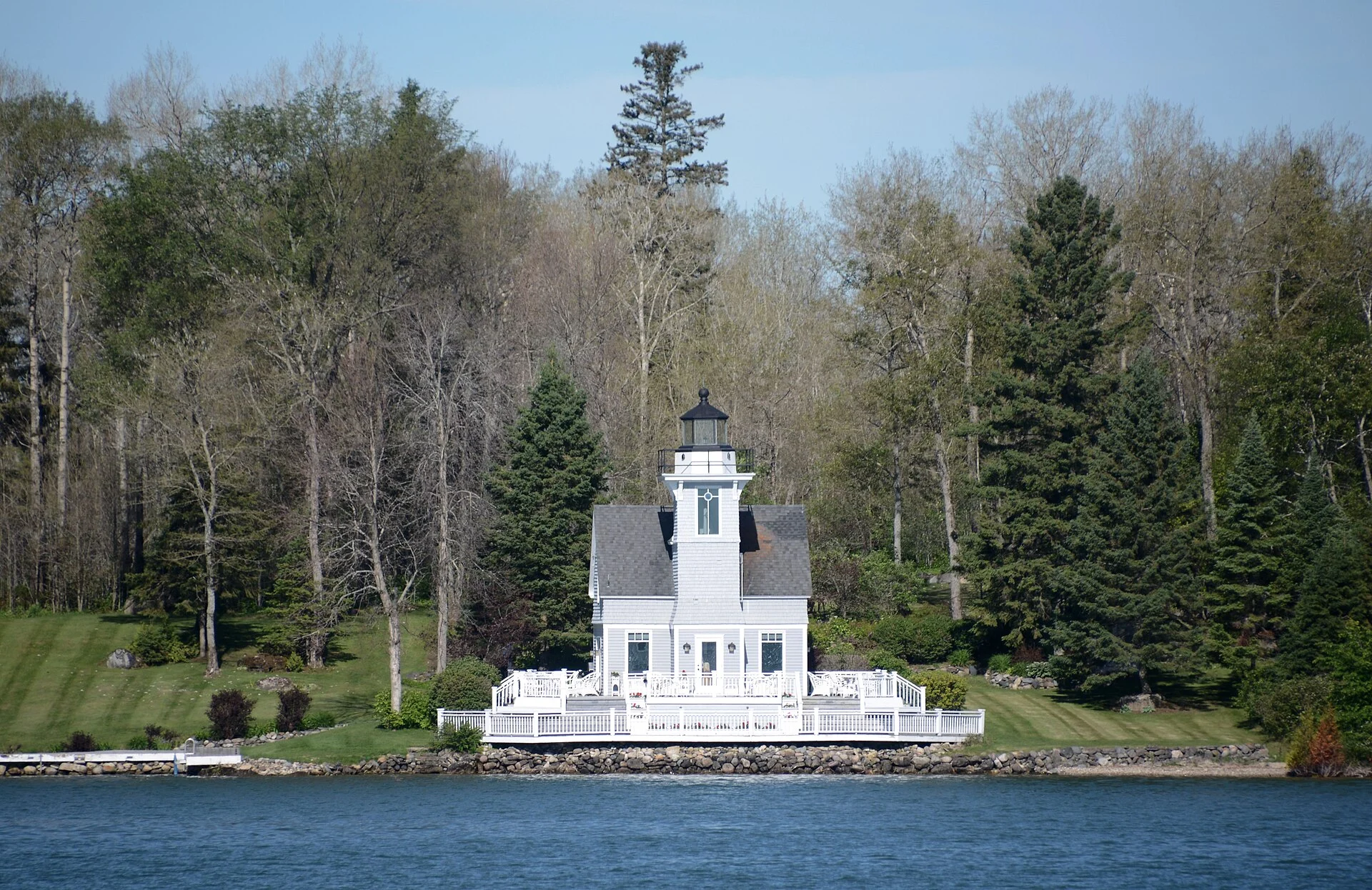
🌤 Weather at Lime Island State Recreation Area by season
| Spring | Summer | Fall | Winter |
|---|---|---|---|
| 17–59 °F | 52–75 °F | 30–66 °F | 9–31 °F |
Each range runs from the coldest monthly average low to the warmest monthly average high in that season (1991-2020 climate normals), measured at Detour Village, 8 mi away, elevation 595 ft. Conditions at the park can differ from the station, especially where elevation differs — check a forecast before you go.

Overview: Michigan’s Most Remote Island Park
Floating in the swift, cold currents of the St. Marys River between Michigan’s Upper Peninsula and the Canadian province of Ontario, Lime Island State Recreation Area is arguably the most unusual and most inaccessible unit in the entire Michigan state park system. This 980-acre island park, located near the tiny mainland community of Raber in Chippewa County, can only be reached by private boat—there is no ferry, no bridge, and no public transportation. It is an off-the-grid destination in the most literal sense: solar panels provide minimal electricity, there is no running water, and cell phone reception is essentially nonexistent.
What draws visitors to endure these logistical challenges is a combination found nowhere else in Michigan: a hauntingly atmospheric 19th and 20th-century industrial ghost site, seven miles of secluded hiking trails through thick northern forest, primitive camping in absolute solitude, and the extraordinary experience of watching 1,000-foot Great Lakes freighters glide silently past within a few hundred yards of the island’s rocky shoreline. For adventurous travelers willing to plan carefully and embrace genuine remoteness, Lime Island delivers one of the most memorable and unique outdoor experiences in the entire Great Lakes region.
A Layered History: From Lime Kilns to Coal Docks
Lime Island’s history stretches back thousands of years. Indigenous peoples used the island as a seasonal gathering and fishing site, drawn by the rich fishery of the St. Marys River. The island’s European history begins in the 1700s, when British forces quarried limestone from the island’s exposed bedrock to construct nearby Fort St. Joseph. The remains of crude 18th-century lime kilns—low stone structures where the raw limestone was heated and converted into lime for morite mortar—can still be explored on the island’s shoreline today.
The Coal-Fueling Era (1910–1982)
Lime Island’s most dramatic historical chapter began in 1910, when it was developed as a critical mid-voyage coal-refueling station for the massive Great Lakes freighters transiting between Lake Superior and Lake Huron. Before the advent of modern diesel engines, these enormous ore carriers and grain ships burned vast quantities of coal, and the St. Marys River—with its narrow, slow-speed shipping channel—was an ideal location for a refueling stop.
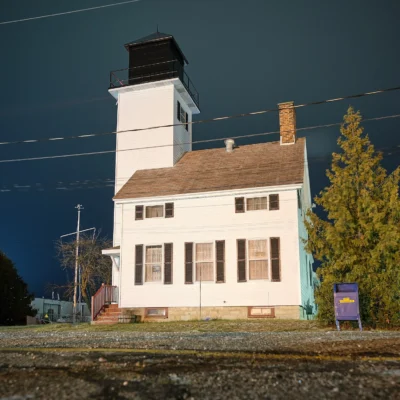
At its peak, Lime Island was a small, self-contained industrial community. Workers and their families lived year-round on the island, supported by a schoolhouse (built in 1912), a superintendent’s residence, company housing, massive coal storage bunkers, and sprawling dock infrastructure. Children attended the island’s one-room school, and the community was entirely dependent on boat access for supplies, mail, and connection to the outside world.
As shipping technology evolved and freighters transitioned to diesel power in the mid-20th century, the need for mid-voyage coal stops vanished. The Lime Island fueling operation closed in 1982, and the resident families gradually departed. In a remarkably prescient conservation decision, the island was sold to the State of Michigan for the symbolic price of one dollar. In 2011, it officially became the 99th unit in the Michigan state park system.
Exploring the Ghost Infrastructure
Today, the remains of Lime Island’s industrial past are the park’s most compelling attraction. Walking through the slowly decaying structures creates an experience more akin to visiting an archaeological site than a traditional state park.
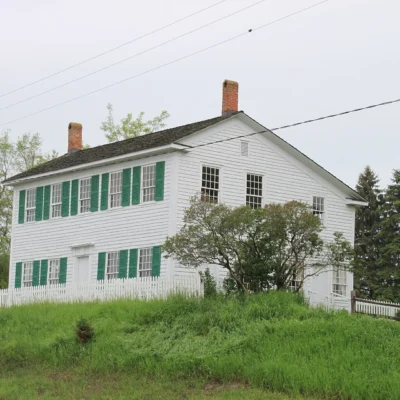
- The Schoolhouse Museum: The restored 1912 schoolhouse now functions as a small museum and interpretive center, displaying photographs, artifacts, and documents from the island’s coal-fueling era. The single-room structure, with its original chalkboards and wooden desks, vividly conveys the isolated, self-reliant lifestyle of the island’s former residents.
- The Superintendent’s House: This larger residential structure has been partially restored and is available as a rental cottage during the operating season.
- Coal Bunkers and Dock Ruins: The massive concrete and steel coal storage structures and the crumbling dock pilings along the waterfront are the most visually dramatic remnants. These industrial ruins, slowly being reclaimed by the forest and the river, provide extraordinary photographic subjects, particularly in the soft morning light or during autumn color.
- Lime Kilns: Near the shoreline, the 18th-century British lime kilns represent the island’s earliest European industrial activity. These low, rough stone structures are subtle and easy to overlook without the interpretive signage that identifies them.
Freighter Watching: A Front-Row Seat
One of Lime Island’s most unexpected and thrilling attractions is its position directly adjacent to the St. Marys River shipping channel. The massive Great Lakes freighters—some exceeding 1,000 feet in length—pass within a few hundred yards of the island’s eastern shore as they navigate the narrow channel between Lake Superior and Lake Huron. Watching these enormous vessels glide silently past at close range, their hulls towering above the waterline, is a genuinely awe-inspiring experience, particularly at night when the ships are illuminated by navigation lights and their engines create a low, reverberating hum that carries across the water.
Hiking the Island
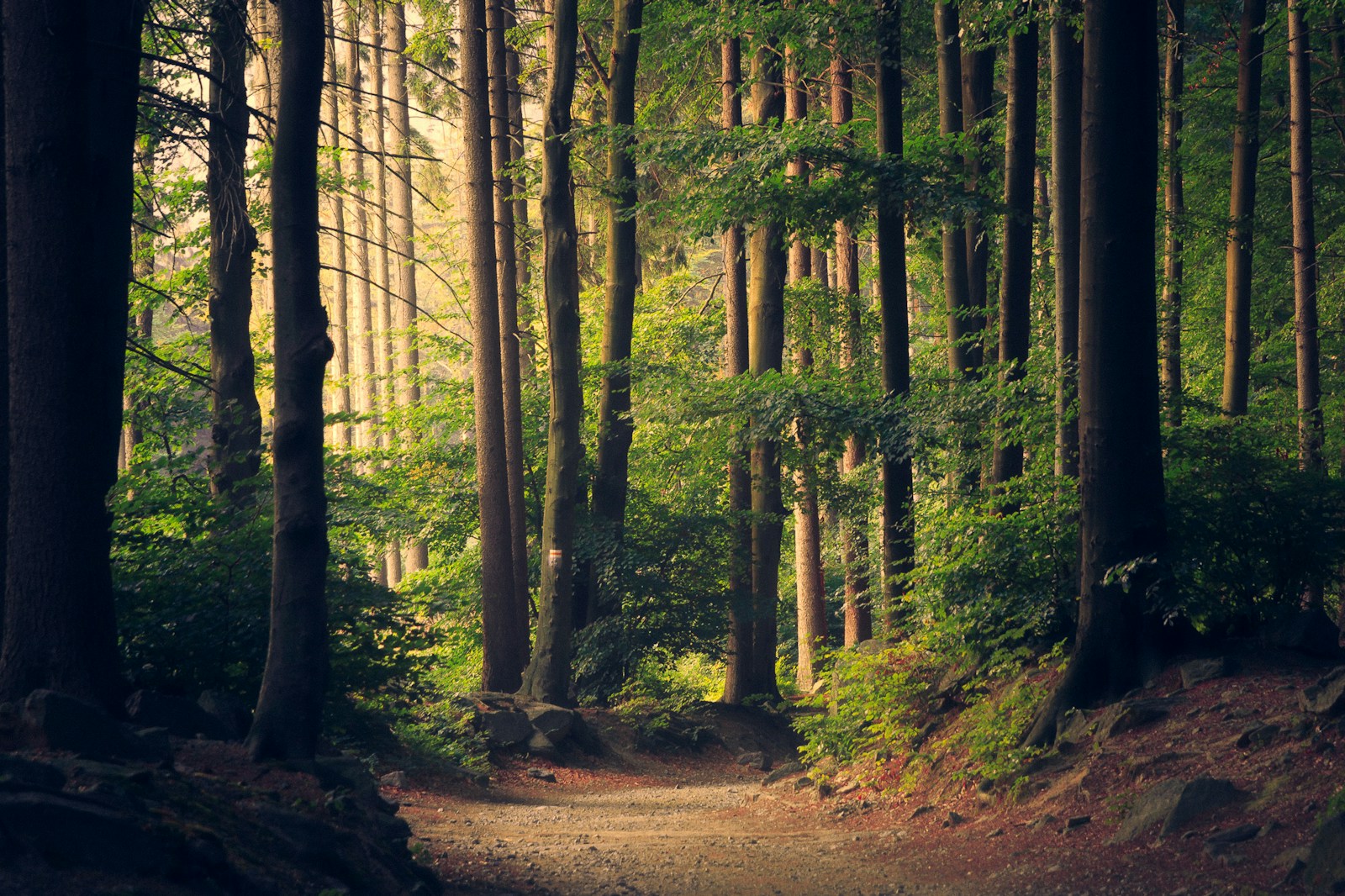
Approximately 7 miles of hiking trails wind through Lime Island’s interior. The trails pass through dense northern hardwood and coniferous forest, skirting wetlands, crossing small streams, and following sections of the rocky shoreline. The island’s relatively flat topography makes the hiking generally easy, though trails can be muddy and overgrown in places, particularly early in the season.
Wildlife encounters are frequent and sometimes dramatic. Black bears inhabit the island, and while they are generally shy and avoid human contact, visitors should practice proper food storage and bear-aware camping techniques. White-tailed deer, snowshoe hares, and a wide variety of northern forest birds are commonly observed.
Camping and Accommodations
Lime Island offers two categories of overnight accommodations, both requiring advance reservation through the Michigan DNR.
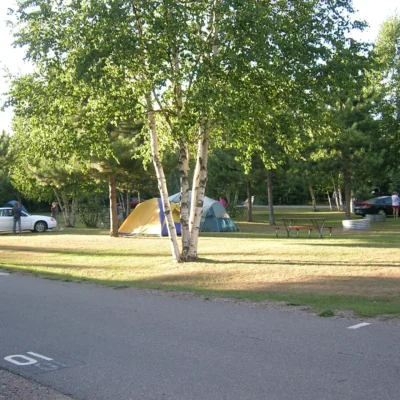
- Primitive Tent Sites: Several tent camping sites are scattered around the island, featuring fire rings and basic clearing. These sites have no amenities beyond the fire ring; campers must bring all water, food, and supplies and pack out all waste.
- Rental Cottages: The restored superintendent’s house and other structures are available as rental cottages during the operating season (approximately Memorial Day through mid-September). The cottages provide basic shelter with bunks and minimal solar electricity but no running water. Guests must bring all bedding, food, and supplies.
Getting There: The Boat-Access Challenge
The single most important logistical consideration for any Lime Island visit is transportation. There is no public ferry service, no charter boat operation, and no commercial transportation to the island. Visitors must arrange their own boat transport.
- Launch Point: The primary mainland launch point is the public boat ramp in Raber, Michigan, approximately 3 miles across the river from the island.
- Vessel Requirements: A reliable motorized boat is strongly recommended. The St. Marys River carries heavy commercial freighter traffic, and the currents can be swift and unpredictable. Kayaks and canoes are generally not advised due to the danger posed by the large vessel wakes and the choppy open-water crossing.
- Weather Dependence: Crossings should only be attempted in calm to moderate conditions. Wind, waves, and fog can make the crossing dangerous. Always check weather conditions before departing and carry appropriate safety equipment including life jackets, a VHF marine radio, and navigation lights if crossing near dusk.
Frequently Asked Questions
Is there a ferry to Lime Island? No. There is no public ferry, water taxi, or charter boat service to Lime Island. All visitors must arrange their own motorized boat transportation from the mainland boat ramp in Raber, Michigan.
Is there running water or electricity on the island? No running water is available. The cottages have minimal solar-powered electricity sufficient for charging small devices and basic lighting—but no appliances or heating. All drinking water must be brought from the mainland.
Are there bears on the island? Yes. Black bears inhabit Lime Island. While encounters are uncommon, visitors must practice proper food storage (bear canisters or hanging food bags) and never leave food unattended at campsites.
Can I kayak or canoe to Lime Island? It is strongly not recommended. The 3-mile crossing involves navigating a major international shipping channel with active freighter traffic, significant current, and potentially choppy conditions. The wakes from passing freighters can swamp small, non-motorized vessels.
What is the operating season? Cottages and designated campsites are generally available from Memorial Day weekend through mid-September. The island remains publicly owned and technically accessible year-round, but winter conditions make crossing the river extremely dangerous.
More parks nearby: Drummond Island State Forest is within about an hour’s drive, while Mackinac Island State Park lies within about an hour’s drive.

🐾 Dogs & Pets at Lime Island State Recreation Area
- Pets allowed? statewide rule
- Pets are welcome in Michigan state parks, campgrounds, harbors and state-designated trails, except designated swim beaches and other posted areas.
- Leash rule statewide rule
- Pets must always be on a 6-foot leash and under the owner's immediate control.
- Beaches & swim areas statewide rule
- Pets are prohibited in buoyed swim areas but allowed along the shoreline outside them (on a 6-ft leash, even in the water); 50+ parks have pet-friendly shoreline or designated dog beaches.
- Cabins & lodging statewide rule
- Up to two pets (cats and dogs only) allowed at ~12 parks' designated pet-friendly cabins, yurts and lodges; $10 per night per pet (cabins) or $15 (lodges); otherwise pets barred from overnight lodging.
- Pet fees statewide rule
- No day-use pet fee; pet-friendly lodging costs $10/night per pet (cabins) or $15/night per pet (lodges).
- Statewide exceptions statewide rule
- Leash laws do not apply to dogs used for hunting on land open to such use; pets may not be left unattended.
Are dogs allowed at Lime Island State Recreation Area?
Pets are welcome in Michigan state parks, campgrounds, harbors and state-designated trails, except designated swim beaches and other posted areas. Individual parks can post stricter rules — check signage on arrival.
Rules verified July 2026 via michigan.gov. More: Michigan state parks guide · Dog rules in all 50 states compared
Park Location
Plan your gear for Lime Island State Recreation Area
From our editorial guides, matched to this park’s activities:
Top Tours & Activities Near Mackinaw City
 from $128
 from $95
 from $12