
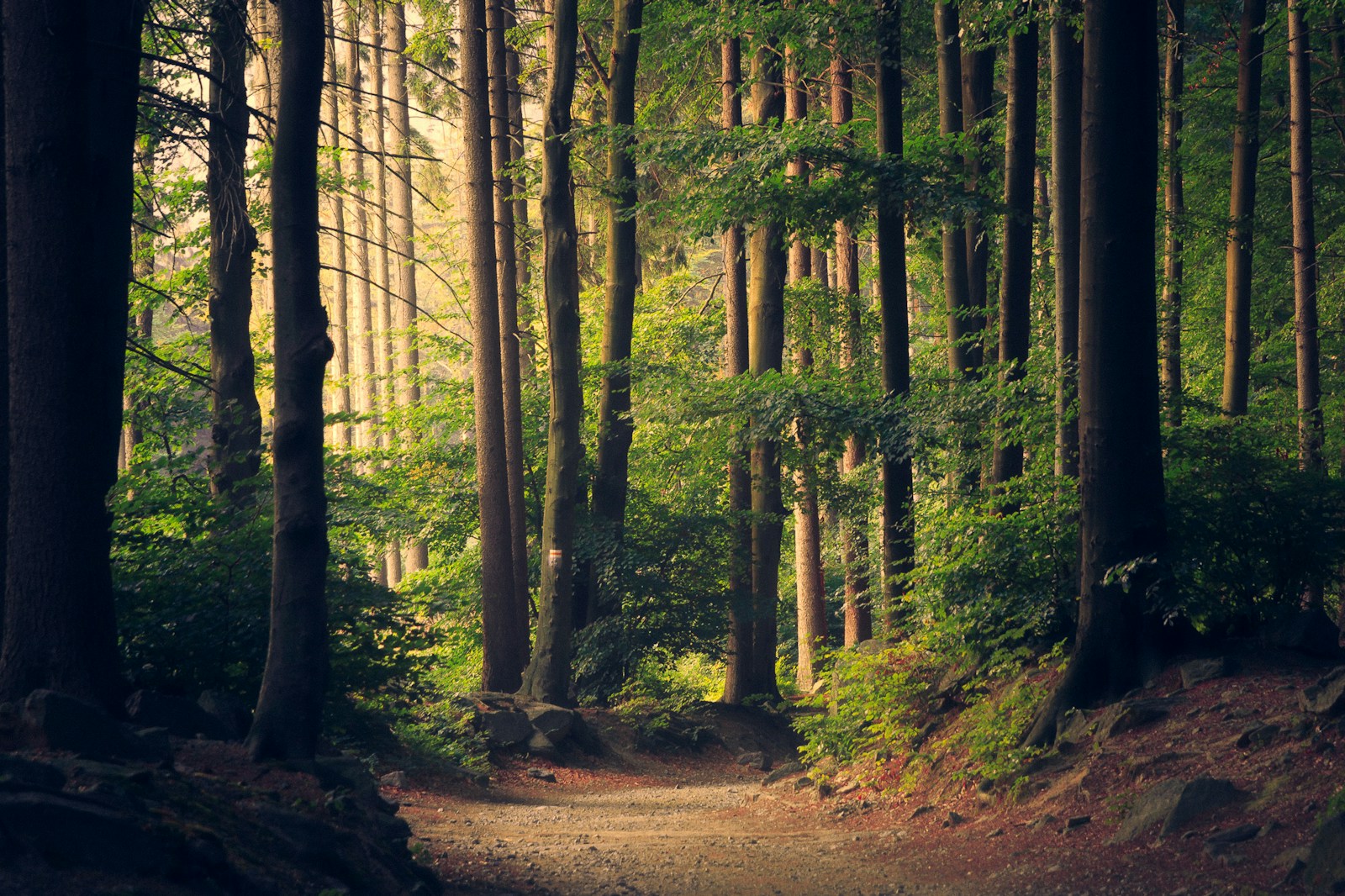
Father Marquette National Memorial

Overview
Father Marquette National Memorial is located within the west unit of Straits State Park in St. Ignace, Michigan, overlooking the Straits of Mackinac and the iconic Mackinac Bridge. The memorial honors Father Jacques Marquette (1637-1675), the French Jesuit missionary and explorer who founded Michigan’s earliest European settlements and co-led the historic 1673 expedition down the Mississippi River with Louis Jolliet.
Designated by the National Park Service in 1975, the site is currently undergoing an extensive reimagining under the project title “Gchi Mshiikenh Deh Minising” (Heart of the Great Turtle Island), a collaboration between the Michigan History Center and several Michigan tribal nations to provide a more inclusive interpretation centered on Anishinaabe history.
Historical Significance
Father Marquette arrived in New France in 1666, mastered several Native American languages, and established missions at Sault Ste. Marie in 1668 and St. Ignace in 1671. In 1673, he and Jolliet became the first Europeans to map the upper Mississippi River, traveling from St. Ignace through Green Bay and down the Mississippi to present-day Arkansas.
The memorial sits on a bluff with commanding views of the Straits and the Mackinac Bridge. An outdoor interpretive trail explores Marquette’s journeys and the broader history of French-Native American relations in the Great Lakes region.
Location and Access
The memorial is within Straits State Park, located off Interstate 75 at St. Ignace on Michigan’s Upper Peninsula. A Michigan Recreation Passport is required for vehicle entry to the state park.
Frequently Asked Questions
Is there a separate fee for the memorial?
No, access to the memorial is included with entry to Straits State Park via the Michigan Recreation Passport.
Can I visit the memorial in conjunction with Mackinac Island?
Yes, St. Ignace is a primary departure point for Mackinac Island ferries. The memorial and state park are just minutes from the ferry docks.
What did Marquette and Jolliet discover?
In 1673, Marquette and Jolliet paddled from Lake Michigan down the Mississippi River to present-day Arkansas — proving the Mississippi flowed south to the Gulf of Mexico (not west to the Pacific, as some hoped). They documented Native peoples, geography, and wildlife along the way. Their expedition opened French exploration of the Mississippi Valley. Marquette died on the return journey in 1675, near present-day Ludington, Michigan.
Insider Tips
French explorer: Jacques Marquette was a Jesuit missionary who explored the Mississippi River with Louis Jolliet in 1673 — the first Europeans to map the upper Mississippi. Pro tip: Marquette established missions at Sault Ste. Marie and St. Ignace — Michigan’s oldest European settlements. French heritage: Michigan’s French colonial heritage is visible in place names: Detroit (“strait”), Mackinac, Sault Ste. Marie, and Marquette.
Best Time to Visit
Summer: Full memorial access and Straits views. Fall: UP foliage. Spring: Migrating birds. Winter: Limited access — heavy snow.

Park Location



Top Tours & Activities Near Mackinaw City
 from $128
 from $95
 from $18