🌤 Weather at Shirley Chisholm State Park by season
| Spring | Summer | Fall | Winter |
|---|---|---|---|
| 34–68 °F | 62–84 °F | 40–76 °F | 26–44 °F |
Each range runs from the coldest monthly average low to the warmest monthly average high in that season (1991-2020 climate normals), measured at New York Jfk Intl Airport, 6 mi away, elevation 11 ft. Conditions at the park can differ from the station, especially where elevation differs — check a forecast before you go.

🌿 Brooklyn’s Urban Wilderness — 407 acres of restored coastal habitat on Jamaica Bay, 10 miles of car-free trails, free bike library, guided kayaking, and New York City’s newest state park rising from a reclaimed landfill
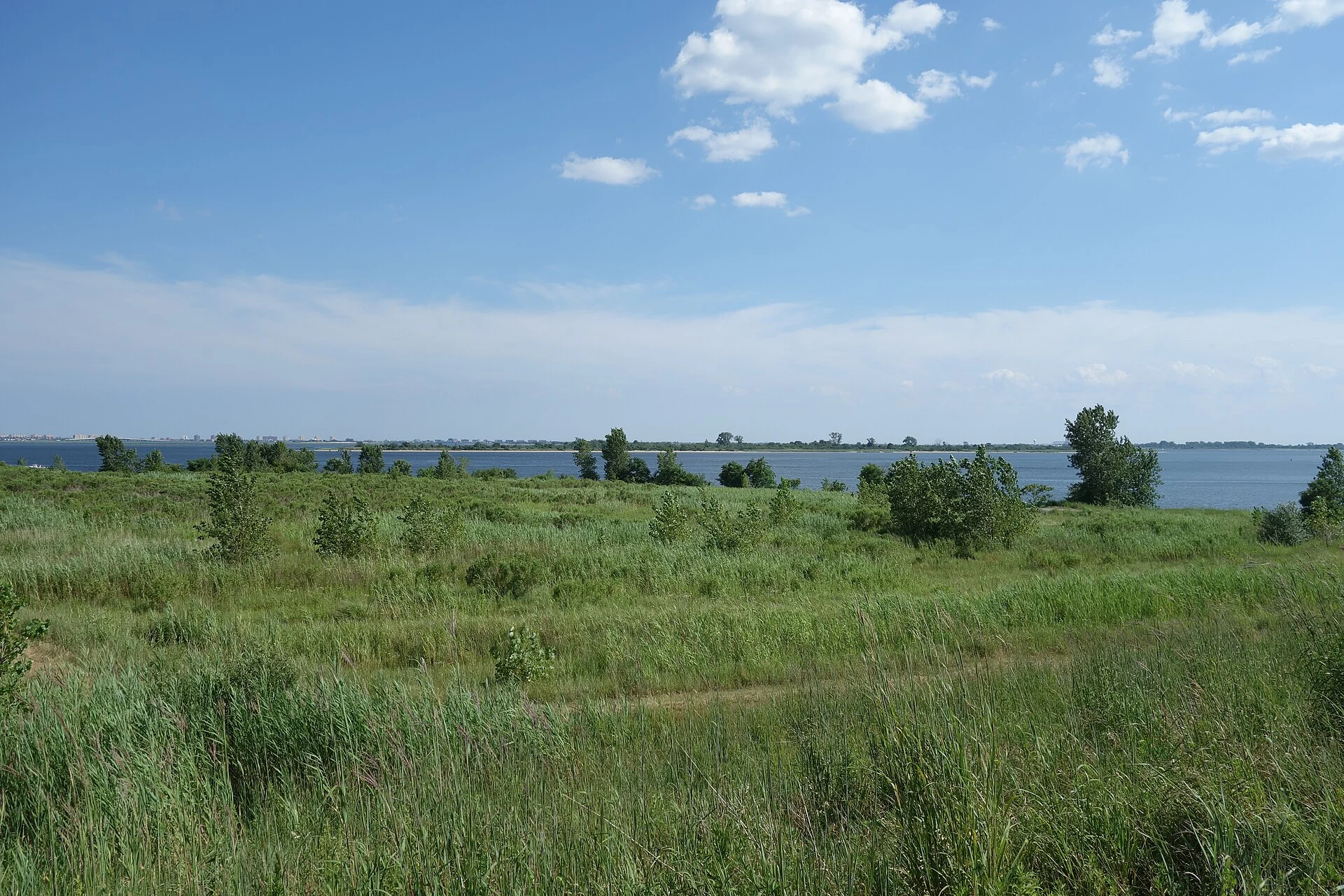
On the southeastern edge of Brooklyn, where the urban grid finally dissolves into the marshlands and tidal flats of Jamaica Bay, something extraordinary has emerged from one of New York City’s most overlooked landscapes. Shirley Chisholm State Park — named for the trailblazing Brooklyn congresswoman who became the first Black woman elected to Congress in 1968 — occupies 407 acres of rolling hills, grasslands, and coastal shoreline that were created from a capped landfill. Opened to the public in 2019, it is the largest state park in Brooklyn and one of the most ambitious urban park reclamation projects in American history.
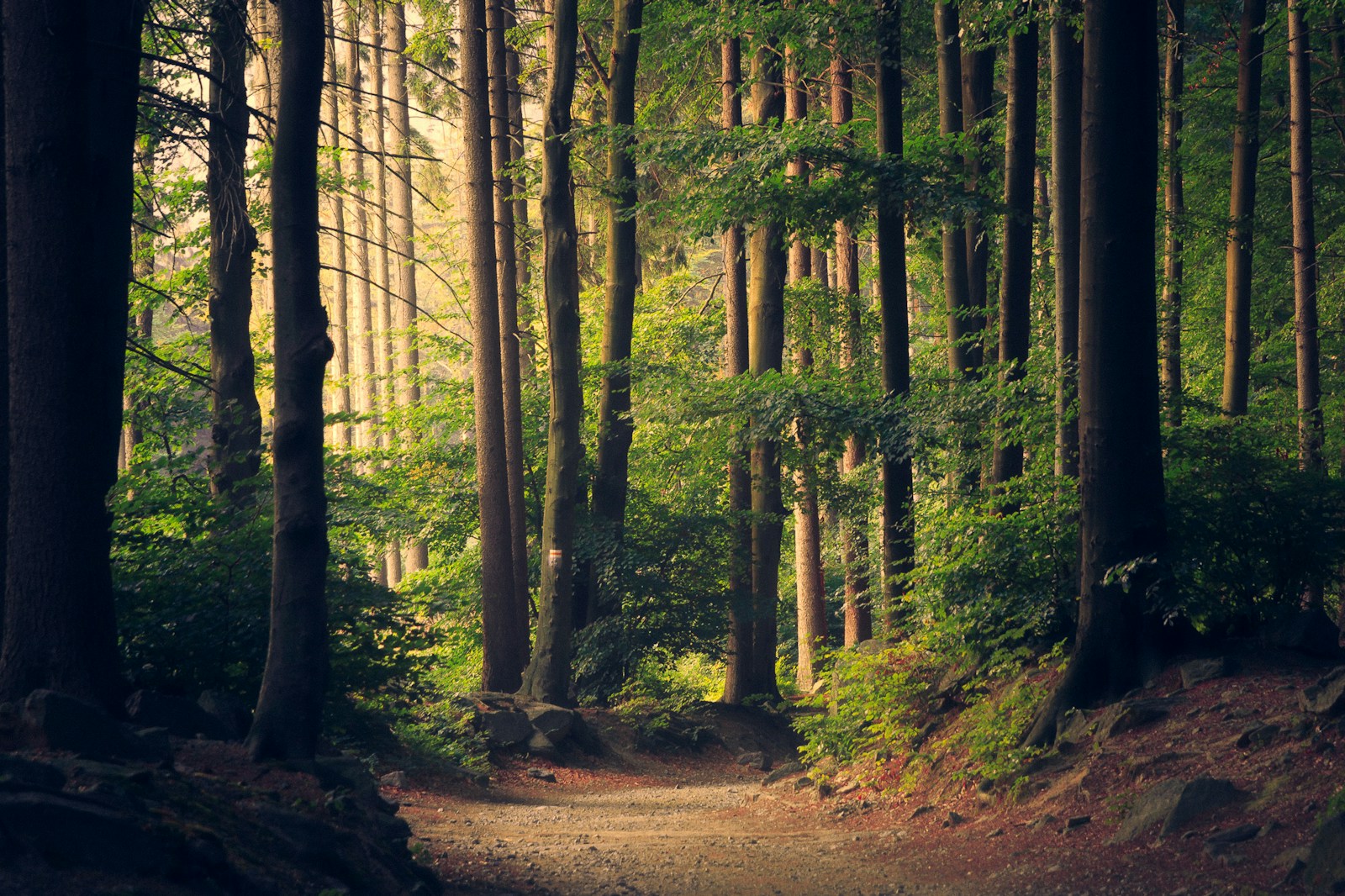
The park feels like a secret that 8 million people haven’t discovered yet. Ten miles of wide, car-free, paved and gravel trails wind through meadows of wildflowers and native grasses, over engineered hills that provide panoramic views of Jamaica Bay, the Manhattan skyline, the Rockaways, and JFK Airport. There are no entrance fees, no parking fees, and no crowds — a genuinely rare thing in New York City. It is, perhaps more than any other park in the state system, a park that was built for the community around it: the predominantly Black and Caribbean neighborhoods of East New York, Canarsie, and Spring Creek that have historically had some of the lowest park access in the city.
History: From Landfill to Legacy
The Pennsylvania and Fountain Avenue Landfills
The land beneath Shirley Chisholm State Park was once two of New York City’s largest landfills — the Pennsylvania Avenue Landfill (closed in 1983) and the Fountain Avenue Landfill (closed in 1985). Together, they received decades of municipal solid waste, rising into towering mounds along the Jamaica Bay shoreline. After closure, the landfills were capped with an engineered barrier system — layers of clay, soil, and drainage infrastructure designed to contain the waste and prevent contamination of the surrounding waterways.
The Transformation
Beginning in the 2000s, New York State and City agencies began transforming the capped landfills into public parkland. The project involved grading the hills to create usable terrain, planting over 35,000 native trees and shrubs, establishing native grassland meadows, and building an extensive trail network. The park opened in phases: the first 407 acres in July 2019, with an additional phase planned to eventually bring the total to over 750 acres, making it larger than Prospect Park.
Shirley Chisholm: The Namesake
Shirley Anita Chisholm (1924-2005) represented Brooklyn’s 12th Congressional District from 1969 to 1983. In 1972, she became the first woman and first African American to seek a major-party nomination for President of the United States. Her motto — “Unbought and unbossed” — reflected a career defined by fierce independence, and the park that bears her name embodies her vision of equitable access to public resources.
What to Do
1. Trails
The park features 10 miles of wide, well-maintained trails — a mix of paved paths suitable for bikes, strollers, and wheelchairs, and gravel paths for a more natural hiking experience. The trails wind through rolling hills, grassland meadows, and along the Jamaica Bay shoreline.
| Trail | Surface | Best For |
|---|---|---|
| Main Loop | Paved | Biking, joggin, strollers, accessibility |
| Ridge Trails | Gravel | Hilltop views, Manhattan skyline panorama |
| Shoreline Path | Gravel | Jamaica Bay views, birding, quiet walks |
| Connector Trails | Mixed | Exploring meadows, wildflower viewing |
2. Free Bike Library
One of the park’s most innovative programs: a free bike loan service where visitors can borrow bikes and helmets for up to 2 hours at no cost. Available seasonally (typically Thursday through Sunday), the program is designed to make cycling accessible to communities where bike ownership may be limited.
3. Guided Kayaking and Environmental Programs
The park offers seasonal guided kayaking programs on Jamaica Bay — equipment (kayaks, paddles, life vests) and instruction are provided. These are organized events requiring advance registration through the park website or by calling (718) 277-2420. Environmental education programs include guided nature walks, birding excursions, and community workshops.
4. Bird Watching
The park’s location on the Jamaica Bay estuary makes it an exceptional birding destination. The restored grasslands and coastal edges attract a diverse range of species:
- Raptors: Osprey, red-tailed hawks, and the occasional peregrine falcon
- Shorebirds: Great blue herons, snowy egrets, various sandpipers
- Grassland species: Bobolinks, meadowlarks, and grasshopper sparrows in the restored meadows
- Seasonal: Fall hawk migration visible from the hilltops
5. Photography and Skyline Views
The engineered hills provide some of the most unexpected panoramic views in New York City. From the highest points, you can see:
- The Manhattan skyline (including One World Trade Center) to the northwest
- Jamaica Bay and the Gateway National Recreation Area to the south
- The Rockaways and the Atlantic Ocean shoreline
- JFK Airport — planes descending on final approach pass dramatically close
Essential Visitor Information
| Detail | Information |
|---|---|
| Address | 1750 Pennsylvania Ave, Brooklyn, NY 11239 |
| Hours | 8 AM – Dusk, 365 days/year |
| Entrance Fee | FREE (no parking fee either) |
| Pets | Not allowed |
| Camping | Not available |
| Restrooms | Available at main entrance area |
| Phone | (718) 277-2420 |
Getting There
- By Car: Off Pennsylvania Avenue near the Belt Parkway. Free parking available
- By Bus: B13, B83, or B84 to Pennsylvania Avenue; short walk to entrance
- By Subway + Bus: L train to Canarsie-Rockaway Parkway, then B42 bus south
- By Bike: Accessible via bike lanes on Pennsylvania Avenue and connecting neighborhood streets
Best Time to Visit
| Season | Highlights | Crowd Level |
|---|---|---|
| Spring (Apr-May) | Wildflowers, migrating birds, perfect temps | Low-Moderate |
| Summer (Jun-Aug) | Bike library, kayaking, full programs | Moderate |
| Fall (Sep-Nov) | Hawk migration, golden meadows, cool breezes | Low-Moderate |
| Winter (Dec-Mar) | Solitude, dramatic skies, wintering raptors | Very Low |
Nearby Attractions
- Jamaica Bay Wildlife Refuge: 3 miles south — premier birding, salt marsh trails, NPS visitor center
- Canarsie Pier: 2 miles south — fishing pier, bay views, picnic area
- Floyd Bennett Field: 5 miles southwest — historic airfield, camping, community gardens
- Rockaway Beach: 8 miles south — ocean beach, boardwalk, surf
- Brooklyn Bridge Park: 12 miles northwest — waterfront park, Manhattan views
Frequently Asked Questions
Is Shirley Chisholm State Park free?
Yes, completely free. There are no entrance fees and no parking fees at Shirley Chisholm State Park. The park is open 365 days a year from 8 AM to dusk. The free bike library program (seasonal, Thursday–Sunday) also has no cost — you can borrow a bike and helmet for up to 2 hours at no charge.
Was Shirley Chisholm State Park built on a landfill?
Yes. The park was built on two former New York City landfills — the Pennsylvania Avenue Landfill and the Fountain Avenue Landfill — that were capped and transformed into public parkland. The waste is sealed beneath engineered barrier systems, and the park’s rolling hills, native grasslands, and 35,000+ planted trees and shrubs were established on top of the capped surface. It is one of the most successful landfill-to-park conversions in the country.
Are dogs allowed at Shirley Chisholm State Park?
No. Pets, including dogs, are not allowed at Shirley Chisholm State Park. This policy protects the restored native grassland habitat and the wildlife that depends on it, including ground-nesting birds and other sensitive species. Service animals are permitted.
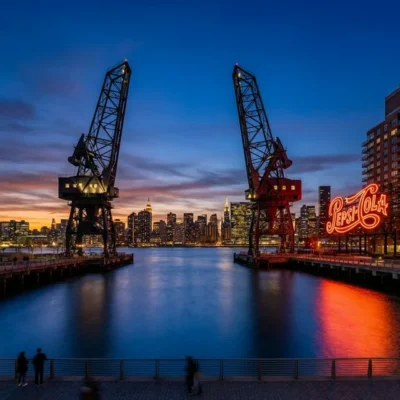
More parks nearby: Gantry Plaza State Park is a short drive away, while Franklin D. Roosevelt Four Freedoms State Park lies a short drive away.
Camping reservations: Book campsites and cabins for New York state parks online at newyorkstateparks.reserveamerica.com.

🐾 Dogs & Pets at Shirley Chisholm State Park
- Pets allowed? statewide rule
- Pets are permitted in most state parks and campgrounds (maximum two pets per site where allowed), but policies vary by park and some parks prohibit pets entirely.
- Leash rule statewide rule
- Leash no longer than 6 ft required, pet under control at all times
- Beaches & swim areas statewide rule
- Pets are not permitted on guarded beaches, boardwalks, pools or spray-grounds
- Cabins & lodging statewide rule
- No uniform statewide rule — pets are prohibited in buildings and most cabins, but some parks designate pet-friendly cabin areas (e.g. Letchworth Cabin Area C); check with the individual park
- Statewide exceptions statewide rule
- Proof of rabies vaccination required upon request; maximum two pets per campsite; some parks (e.g. Wildwood State Park) do not allow pets at all
Are dogs allowed at Shirley Chisholm State Park?
Pets are permitted in most state parks and campgrounds (maximum two pets per site where allowed), but policies vary by park and some parks prohibit pets entirely. Individual parks can post stricter rules — check signage on arrival.
Rules verified July 2026 via parks.ny.gov. More: New York state parks guide · Dog rules in all 50 states compared
Park Location
Plan your gear for Shirley Chisholm State Park
From our editorial guides, matched to this park’s activities: