🌤 Weather at Watkins Lake State Park and County Preserve by season
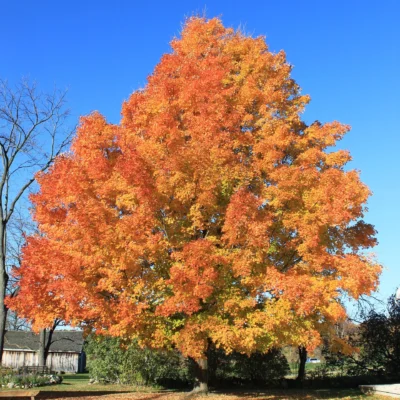
| Spring | Summer | Fall | Winter |
|---|---|---|---|
| 25–70 °F | 56–83 °F | 30–75 °F | 15–36 °F |
Each range runs from the coldest monthly average low to the warmest monthly average high in that season (1991-2020 climate normals), measured at Manchester, 6 mi away, elevation 965 ft. Conditions at the park can differ from the station, especially where elevation differs — check a forecast before you go.

Overview: Michigan’s First State-County Partnership Park
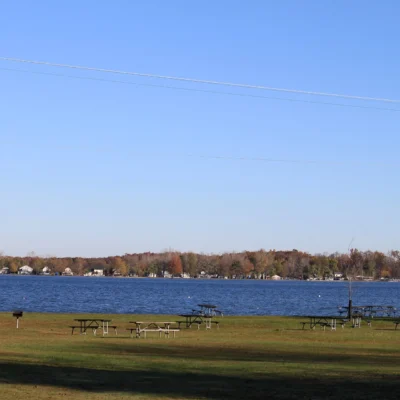
Spanning approximately 1,120 acres across the border of Jackson and Washtenaw Counties in southeastern Michigan, Watkins Lake State Park and County Preserve holds a distinctive position as the first park in Michigan to be jointly managed by the state Department of Natural Resources and a county parks commission. This innovative partnership, formalized in 2015, combines 717 acres of state-owned land in Norvell Township with 405 acres of Washtenaw County-owned land in Manchester Township to create a single, seamlessly managed natural area centered around the shallow, wildlife-rich Watkins Lake.
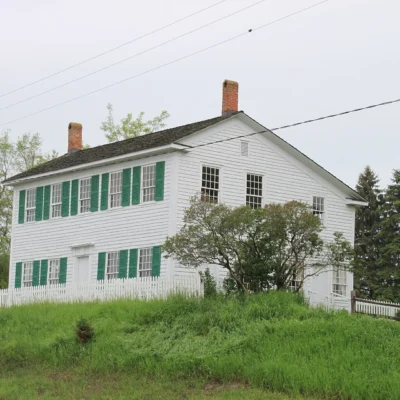
Named after Royal and Sally Carpenter Watkins—early settlers who played an active role in the Underground Railroad, helping enslaved people escape to freedom in Canada—the park carries both ecological and historical significance. Today, Watkins Lake serves as a designated waterfowl refuge, protecting critical habitat for migratory and breeding birds, while the surrounding landscape of rolling meadows, mixed hardwood forests, wetlands, and remnant prairie grasslands provides a surprisingly rich natural experience within an hour’s drive of Ann Arbor, Jackson, and the western Detroit suburbs.
The Waterfowl Refuge
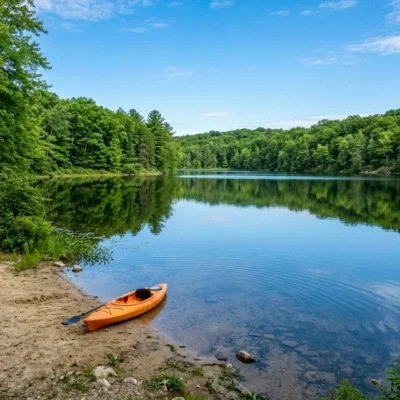
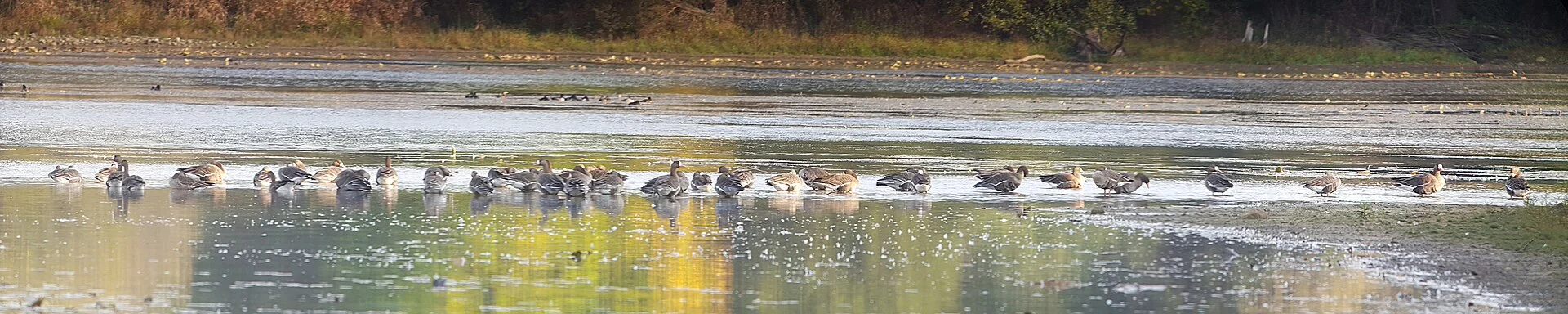
Watkins Lake itself is a shallow, marshy body of water that functions primarily as wildlife habitat rather than a traditional recreation lake. The lake and its surrounding wetlands have been designated as a waterfowl refuge by the Michigan DNR, providing critical staging, feeding, and nesting habitat for migrating and resident waterfowl.
During spring and fall migration, the lake attracts impressive concentrations of ducks, geese, grebes, herons, and other waterbirds. The marshy margins support breeding populations of several duck species, and the surrounding grasslands provide nesting habitat for grassland birds including bobolinks and eastern meadowlarks.
Seasonal Access Restrictions
To protect the waterfowl during their most sensitive periods, access to certain portions of the lake and surrounding land is restricted during two annual windows.
- February 15 – May 15: Spring migration and early nesting season
- September 1 – January 1: Fall migration and wintering period
During these periods, visitors must stay on designated trails and avoid entering restricted areas. Check posted signage for current access boundaries.
The Trails
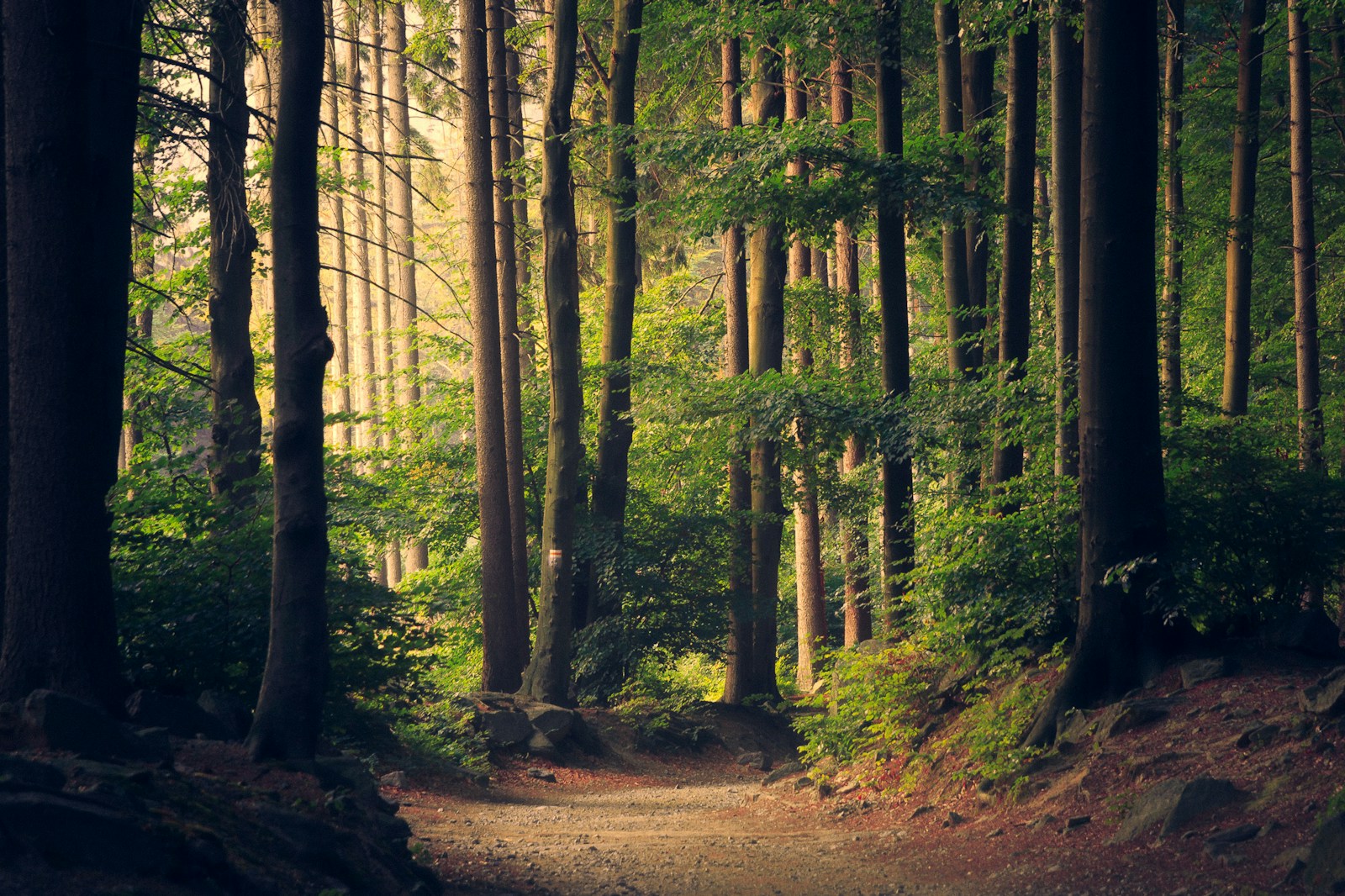
The park’s trail system provides the primary visitor experience, threading through the property’s diverse habitats.
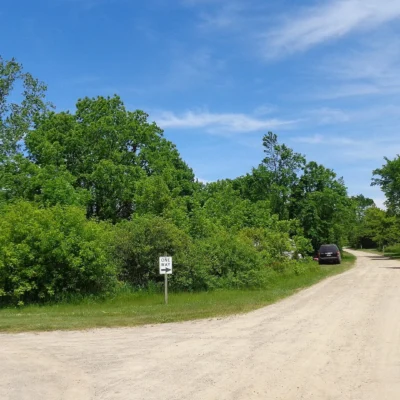
- Rail-Trail Corridor (3.5–5 miles): The park’s centerpiece trail follows a former railroad grade—a wide, unpaved, gently graded path that traverses the property from west to east through forests and open grasslands. The flat, easy surface makes it accessible for visitors of most fitness levels.
- Hiker-Only Trails: Additional trail networks, particularly within the county-managed portion, offer quieter, more intimate experiences through varied habitats including wetland overlooks and forest interiors.
Prairie and Grassland
One of the park’s most ecologically interesting features is its open grassland and remnant prairie habitat, particularly along the former rail corridor. These grasslands—maintained through periodic prescribed burns and mowing—support native wildflower species and provide critical habitat for grassland-dependent birds and pollinators. During summer, the meadows come alive with wildflowers including black-eyed Susans, asters, and native grasses.
Rare Wildlife
The park’s combination of wetland, forest, and grassland habitats supports several species of conservation concern.
- Eastern Massasauga Rattlesnake: This federally threatened species inhabits the park’s wetland margins. While encounters are uncommon, visitors should be aware of the species’ presence, stay on marked trails, watch where they step in tall grass, and give any snake encountered a wide berth.
- Indiana Bat: The park provides habitat for this federally endangered bat species, which roosts in the bark of dead and dying trees in the forest canopy.
Underground Railroad Heritage
The park’s namesakes, Royal and Sally Carpenter Watkins, were active participants in the Underground Railroad during the decades before the Civil War. Their homestead served as a safe house for enslaved people fleeing northward through Michigan toward freedom in Canada. This history connects the park to one of the most important chapters of American social justice and adds a profound layer of meaning to the landscape for visitors aware of its significance.
Practical Information
- Parking: Main lot off Arnold Road in Brooklyn, Michigan
- Fees: Michigan Recreation Passport required
- Activities: Hiking, birdwatching, cross-country skiing, snowshoeing, nature photography
- No camping, no swimming, no motorized boats
Frequently Asked Questions
Can I swim or boat on Watkins Lake? No. Watkins Lake is a designated waterfowl refuge. Swimming, boating, and direct lake access are prohibited to protect wildlife habitat.
Why are parts of the park closed seasonally? The waterfowl refuge restrictions (Feb 15–May 15 and Sep 1–Jan 1) protect migrating and nesting birds during their most sensitive periods.
Are there rattlesnakes in the park? Yes. The eastern Massasauga rattlesnake, a federally threatened species, inhabits wetland areas. Stay on marked trails and watch where you step. The species is shy and rarely aggressive.
What is the Underground Railroad connection? Royal and Sally Carpenter Watkins, the park’s namesakes, operated a safe house on this land for enslaved people escaping to freedom in Canada before the Civil War.
Keep exploring: The closest neighbor is Walter J. Hayes State Park (a short drive away).

🐾 Dogs & Pets at Watkins Lake State Park and County Preserve
- Pets allowed? statewide rule
- Pets are welcome in Michigan state parks, campgrounds, harbors and state-designated trails, except designated swim beaches and other posted areas.
- Leash rule statewide rule
- Pets must always be on a 6-foot leash and under the owner's immediate control.
- Beaches & swim areas statewide rule
- Pets are prohibited in buoyed swim areas but allowed along the shoreline outside them (on a 6-ft leash, even in the water); 50+ parks have pet-friendly shoreline or designated dog beaches.
- Cabins & lodging statewide rule
- Up to two pets (cats and dogs only) allowed at ~12 parks' designated pet-friendly cabins, yurts and lodges; $10 per night per pet (cabins) or $15 (lodges); otherwise pets barred from overnight lodging.
- Pet fees statewide rule
- No day-use pet fee; pet-friendly lodging costs $10/night per pet (cabins) or $15/night per pet (lodges).
- Statewide exceptions statewide rule
- Leash laws do not apply to dogs used for hunting on land open to such use; pets may not be left unattended.
Are dogs allowed at Watkins Lake State Park and County Preserve?
Pets are welcome in Michigan state parks, campgrounds, harbors and state-designated trails, except designated swim beaches and other posted areas. Individual parks can post stricter rules — check signage on arrival.
Rules verified July 2026 via michigan.gov. More: Michigan state parks guide · Dog rules in all 50 states compared
Park Location
Plan your gear for Watkins Lake State Park and County Preserve
From our editorial guides, matched to this park’s activities: