🌤 Weather at Wilderness State Park by season
| Spring | Summer | Fall | Winter |
|---|---|---|---|
| 19–62 °F | 51–74 °F | 31–67 °F | 12–33 °F |
Each range runs from the coldest monthly average low to the warmest monthly average high in that season (1991-2020 climate normals), measured at Cross Village 1E, 8 mi away, elevation 721 ft. Conditions at the park can differ from the station, especially where elevation differs — check a forecast before you go.

Overview: 12,800 Acres of Untouched Lake Michigan Shoreline
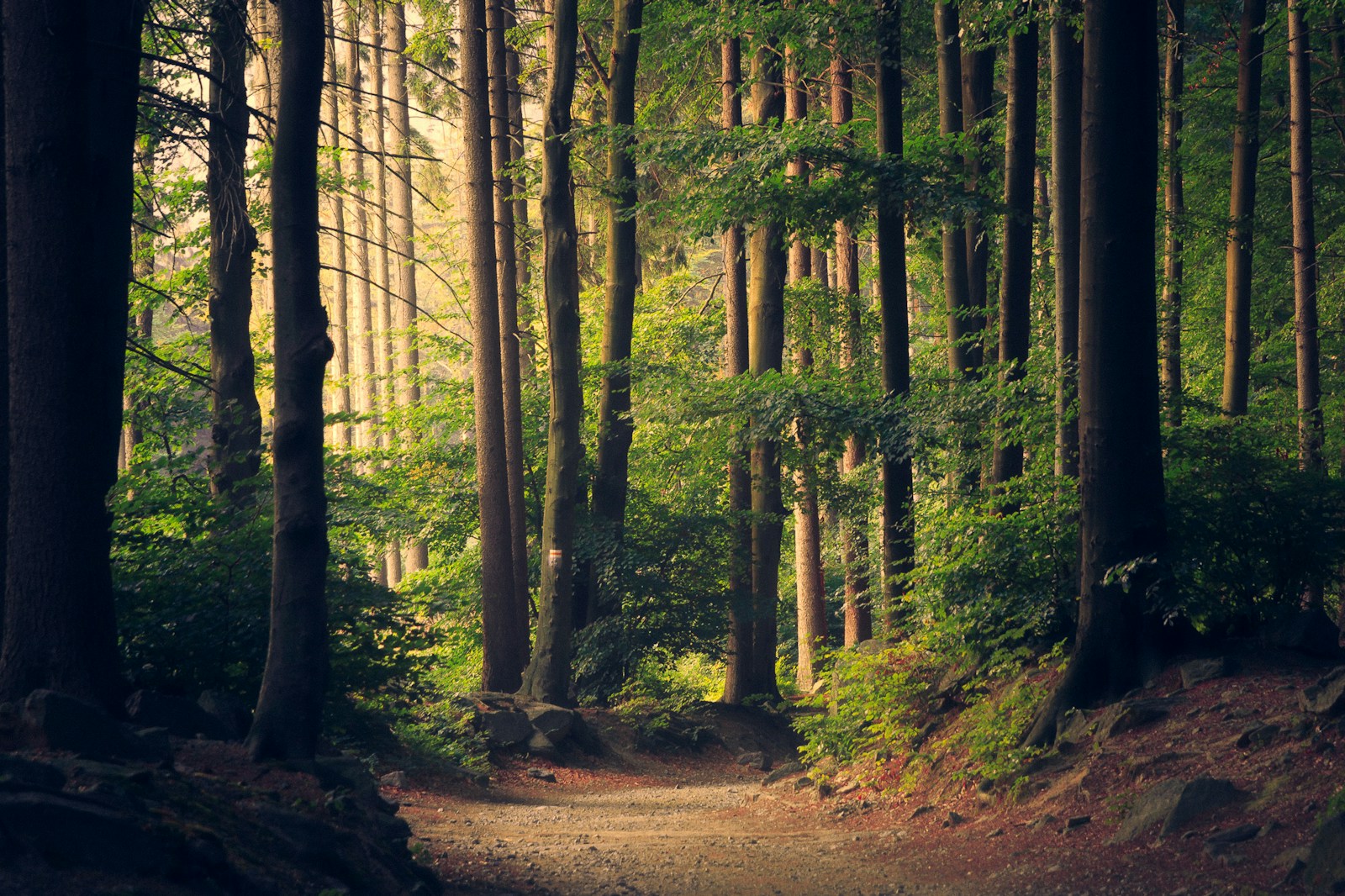
Sprawling across 12,800 acres of dense northern forest and 26 miles of undeveloped Lake Michigan shoreline in Emmet County, Wilderness State Park is one of the largest, wildest, and most ecologically significant parks in Michigan’s Lower Peninsula. Located just 11 miles west of the tourist hub of Mackinaw City—within sight of the Mackinac Bridge—the park occupies a dramatic peninsula of land that juts into the open waters of Lake Michigan, creating a landscape of cobblestone beaches, forested dune-and-swale complexes, wetlands, and vast stretches of boreal-influenced forest that feels far more like the Upper Peninsula than the resort-driven northern Lower.
Designated as a Michigan Dark Sky Preserve in 2012, Wilderness State Park delivers one of the most immersive, genuinely wild outdoor experiences available anywhere in the northern Lower Peninsula. The park’s remoteness, enormous acreage, and minimal development create an environment where encounters with black bears, bobcats, and the critically endangered piping plover are realistic possibilities—a stark and thrilling contrast to the fudge shops and souvenir stores of nearby Mackinaw City.
26 Miles of Lake Michigan Shoreline
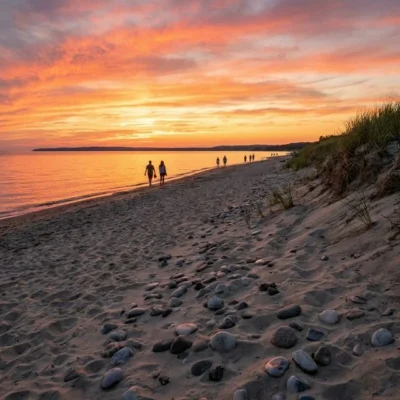
The park’s defining feature is its extraordinary 26 miles of continuous, undeveloped Lake Michigan shoreline—one of the longest stretches of publicly owned Great Lakes coast in the Lower Peninsula. The shoreline varies dramatically along its length.
- Sand Beaches: Several sections feature classic Lake Michigan sand beaches with clear, cold water and wide, walkable shoreline.
- Cobblestone Beaches: Some of the most distinctive shoreline consists of smooth, water-worn cobblestones—a habitat type that is critically important for nesting piping plovers.
- Rocky Points: Exposed bedrock and boulder fields create dramatic, rugged shoreline at several locations, particularly near Waugoshance Point.
- Forested Bluffs: In some sections, dense cedar and hemlock forest extends directly to the water’s edge, creating dark, atmospheric corridors where the trail hugs the shoreline under a dense canopy.
Waugoshance Point
The park’s most dramatic geographical feature is Waugoshance Point—a narrow, windswept peninsula that extends over a mile into the open waters of Lake Michigan toward the historic (and now ruined) Waugoshance Lighthouse, visible offshore on its crumbling stone pier. The hike to Waugoshance Point (approximately 10.5 miles round-trip via the Waugoshance Point Trail) is one of the signature outdoor experiences in northern Michigan, passing through dense forest, crossing wetland boardwalks, and emerging onto a vast, treeless cobblestone flat where the sky, water, and stone merge into a landscape of almost Arctic desolation.
The Waugoshance Lighthouse, built in 1851 and decommissioned in 1912, is one of the most haunted-looking structures on the Great Lakes—a crumbling, bird-stained tower rising from a stone crib surrounded by shallow, dangerous water. It is not accessible by foot; the lighthouse can only be viewed from the point or reached by boat in calm conditions.
Dark Sky Preserve
Wilderness State Park’s 2012 designation as a Michigan Dark Sky Preserve formally recognizes what anyone who has spent a clear night in the park already knows: the skies here are spectacularly dark. The park’s location on a remote, north-facing peninsula—with Lake Michigan eliminating light pollution from the west and north, and the sparse population of Emmet County minimizing it from the east and south—creates conditions where the Milky Way arches overhead with breathtaking clarity.
- Best Viewing: The Lakeshore and Big Stone Bay campground areas provide the widest sky views. New moon periods in August through October typically offer the darkest conditions.
- Meteor Showers: The Perseid (August) and Geminid (December) meteor showers are spectacular from the park.
- Northern Lights: During periods of strong geomagnetic activity, the aurora borealis is occasionally visible from the park’s north-facing shoreline.
Trails: 20+ Miles Through Wilderness
- Waugoshance Point Trail (10.5 mi): The park’s signature long hike to the remote cobblestone point. Moderate difficulty, with some wet sections and boardwalks.
- Nebo Trail Loop (7.5 mi): A circuit through the park’s interior forest and wetland habitats. Good for wildlife observation.
- Big Stone Bay Trail (3.5 mi): An accessible shoreline route offering easy walking along Lake Michigan.
- Swamp Line Trail (2.0 mi): A shorter interpretive walk through lowland forest and wetland.
Wildlife
The park’s sheer size and habitat diversity support a wildlife community that is genuinely wild by Lower Peninsula standards.
- Black Bears: A resident bear population requires proper food storage at all campsites. Bear-resistant containers are recommended.
- Bobcats: Present in the park’s deep forest interior, though rarely seen.
- Piping Plovers: Wilderness State Park’s cobblestone beaches are among the most important nesting sites for the federally endangered piping plover in the Great Lakes basin. Seasonal beach closures protect nesting areas—please respect all posted restrictions.
- Bald Eagles, Osprey, Loons: All regularly observed along the shoreline and over the park’s inland lakes.
Camping
- Modern Campgrounds (East Lakeshore, West Lakeshore, Pines Loop): Sites with 20/30/50-amp electrical hookups, modern restrooms, and hot showers. Many sites are within walking distance of the Lake Michigan beach.
- Rustic Cabins: Several cabins available for reservation, providing sheltered accommodations in a wilderness setting.
- Backcountry Campsites: Hike-in sites, including the remote O’Neal Lake area, for visitors seeking true backcountry solitude.
Seasonal Guide
Spring (April–May)
Wildflowers emerge. Piping plover nesting season begins—beach closures may be in effect. Lake Michigan is still very cold. Excellent birding during spring migration.
Summer (June–August)
Peak season. Swimming, camping, and hiking at full capacity. Reserve campsites well in advance. Lake Michigan water reaches swimmable temperatures (60–70°F) by late July.
Autumn (September–October)
Spectacular fall color in the hardwood forests. Dark sky conditions are optimal. Campground availability improves. The Waugoshance Point hike is at its most atmospheric.
Winter (December–March)
Cross-country skiing and snowshoeing. Ice formations along the Lake Michigan shoreline. Cabins available year-round for winter stays. Extreme cold and heavy snow are common.
Frequently Asked Questions
Are there bears at Wilderness State Park? Yes. Black bears are present. Proper food storage is essential—use bear-resistant containers or hang food from trees. Never leave food unattended at your campsite.
Can I see the Waugoshance Lighthouse? The lighthouse is visible from Waugoshance Point (10.5-mile round-trip hike). It sits offshore on a deteriorating stone crib and is not accessible on foot. Boat approaches are possible in calm conditions but require extreme caution due to shallow water and submerged debris.
What is a Dark Sky Preserve? A designation recognizing that the park provides exceptionally dark nighttime conditions suitable for astronomical observation, with managed lighting to minimize light pollution.
Can I swim in Lake Michigan here? Yes. Several beach sections provide swimming access, though Lake Michigan water temperatures remain cold (often below 60°F) until mid to late summer. There are no lifeguards.
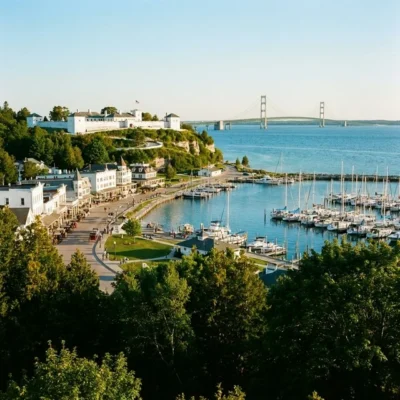
How far is Mackinaw City? Approximately 11 miles east of the park, providing access to restaurants, fuel, groceries, and the Mackinac Island ferry.
Make it a road trip: Pair a visit with Fort Michilimackinac State Park (a short drive away) or Straits State Park (within about an hour’s drive).

⛺ Camping at Wilderness State Park: Campgrounds & Cabins
| Campsites | East Lakeshore Modern Campground: sites #301-365 (incl. 2 tent-only walk-in, non-electric, sites 364-365). West Lakeshore Modern Campground: sites #401-471, many with Lake Michigan views. Pines Modern Campground: sites #501-599, across county road from lakeshore loops. Rustic Walk-in Tent Campground: sites #101-125, ADA sites available. |
|---|---|
| Cabins & Lodging | 6 CCC-era rustic log cabins: Caps (sleeps 8), Nebo (sleeps 5), Big Stone (sleeps 8), Station Point (sleeps 4, 2 mi from winter parking), Sturgeon Bay (sleeps 5, 3.5 mi), Waugoshance (sleeps 8, 2.5 mi). Wood-heating stove provided; no lighting/running water; winter access by foot/snowshoe/ski/snowmobile only. |
| Pets | Two pet-friendly beaches in the park (east of headquarters, and another location). |
| Reservations | midnrreservations.com or 1-800-447-2757 for modern sites/cabins; park direct line 231-436-5381 for backcountry/group/bunkhouse. Recreation Passport required. |
| Special sites | Youth Group Campground (up to 72) and rustic Bunkhouses; 2 backcountry campsites (East Boundary, O'Neal - bear poles provided); boat launch at Big Stone Bay. |
| Season notes | Pines & West Lakeshore modern restrooms available mid-May through mid-October only. Designated Dark Sky Preserve. |
Camping questions about Wilderness State Park
Can you camp at Wilderness State Park?
East Lakeshore Modern Campground: sites #301-365 (incl. 2 tent-only walk-in, non-electric, sites 364-365). West Lakeshore Modern Campground: sites #401-471, many with Lake Michigan views. Pines Modern Campground: sites #501-599, across county road from lakeshore loops. Rustic Walk-in Tent Campground: sites #101-125, ADA sites available.
How do you reserve a campsite at Wilderness State Park?
midnrreservations.com or 1-800-447-2757 for modern sites/cabins; park direct line 231-436-5381 for backcountry/group/bunkhouse. Recreation Passport required.
Are there cabins at Wilderness State Park?
6 CCC-era rustic log cabins: Caps (sleeps 8), Nebo (sleeps 5), Big Stone (sleeps 8), Station Point (sleeps 4, 2 mi from winter parking), Sturgeon Bay (sleeps 5, 3.5 mi), Waugoshance (sleeps 8, 2.5 mi). Wood-heating stove provided; no lighting/running water; winter access by foot/snowshoe/ski/snowmobile only.
Are pets allowed at the Wilderness State Park campground?
Two pet-friendly beaches in the park (east of headquarters, and another location).
Source: michigan.gov (verified July 2026). Details change seasonally — confirm when booking.
🐾 Dogs & Pets at Wilderness State Park
- Pets allowed? statewide rule
- Pets are welcome in Michigan state parks, campgrounds, harbors and state-designated trails, except designated swim beaches and other posted areas.
- Leash rule statewide rule
- Pets must always be on a 6-foot leash and under the owner's immediate control.
- Beaches & swim areas statewide rule
- Pets are prohibited in buoyed swim areas but allowed along the shoreline outside them (on a 6-ft leash, even in the water); 50+ parks have pet-friendly shoreline or designated dog beaches.
- Cabins & lodging statewide rule
- Up to two pets (cats and dogs only) allowed at ~12 parks' designated pet-friendly cabins, yurts and lodges; $10 per night per pet (cabins) or $15 (lodges); otherwise pets barred from overnight lodging.
- Pet fees statewide rule
- No day-use pet fee; pet-friendly lodging costs $10/night per pet (cabins) or $15/night per pet (lodges).
- Statewide exceptions statewide rule
- Leash laws do not apply to dogs used for hunting on land open to such use; pets may not be left unattended.
Are dogs allowed at Wilderness State Park?
Pets are welcome in Michigan state parks, campgrounds, harbors and state-designated trails, except designated swim beaches and other posted areas. Individual parks can post stricter rules — check signage on arrival.
Rules verified July 2026 via michigan.gov. More: Michigan state parks guide · Dog rules in all 50 states compared
Park Location
Plan your gear for Wilderness State Park
From our editorial guides, matched to this park’s activities:
Top Tours & Activities Near Mackinaw City
 from $128
 from $95
 from $12