
🌤 Weather at Weymouth Woods-Sandhills Nature Preserve by season
| Spring | Summer | Fall | Winter |
|---|---|---|---|
| 40–80 °F | 65–90 °F | 39–83 °F | 31–56 °F |
Each range runs from the coldest monthly average low to the warmest monthly average high in that season (1991-2020 climate normals), measured at Carthage Wtp, 13 mi away, elevation 440 ft. Conditions at the park can differ from the station, especially where elevation differs — check a forecast before you go.

🌲 676 Acres of Ancient Longleaf Pine Forest — Home to Endangered Red-Cockaded Woodpeckers — One of the last old-growth longleaf pine ecosystems in the Sandhills region, with centuries-old trees, carnivorous plants, and rare wildlife — Moore County, North Carolina
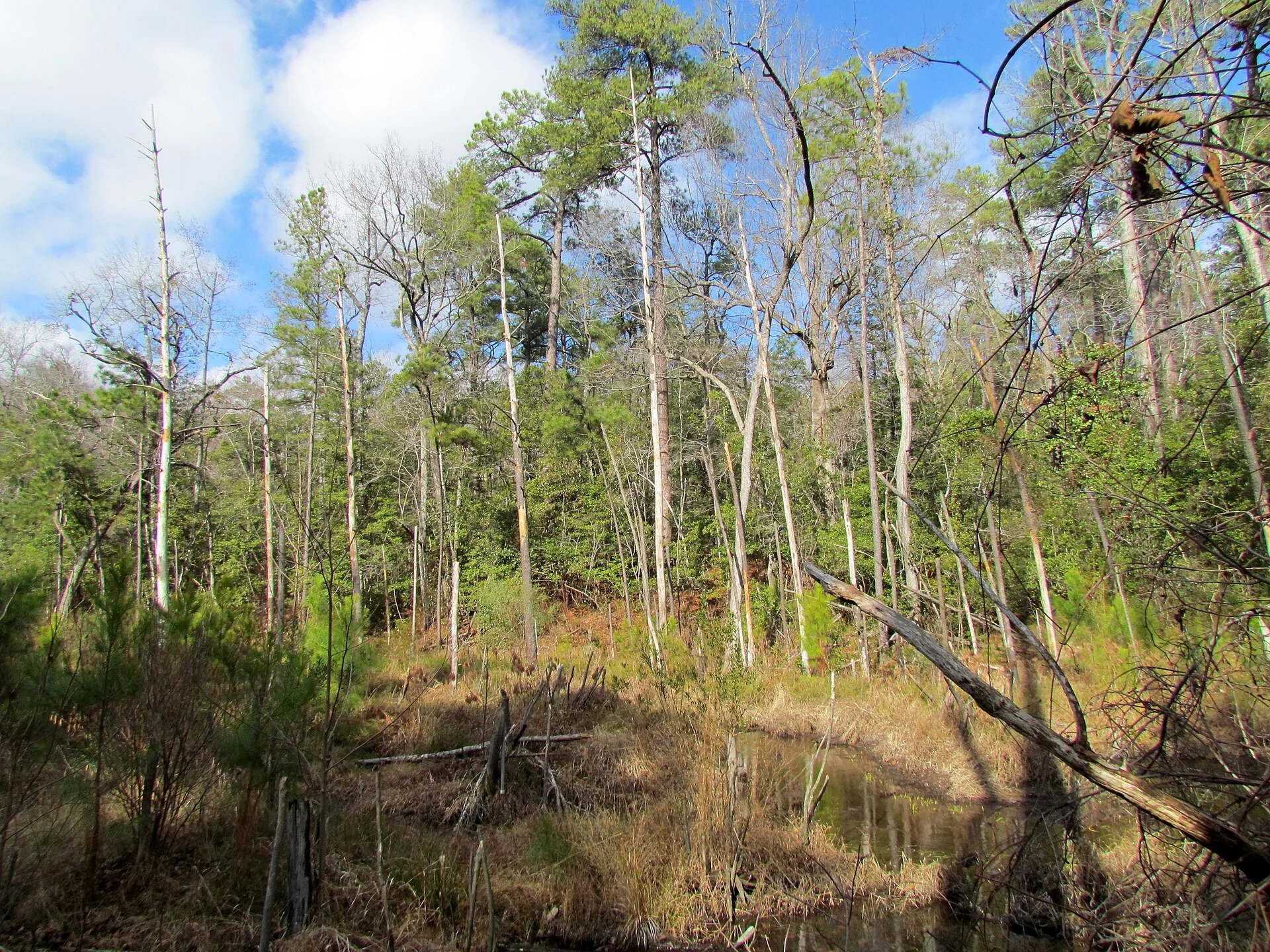
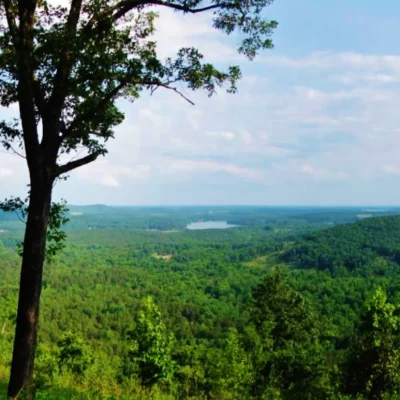
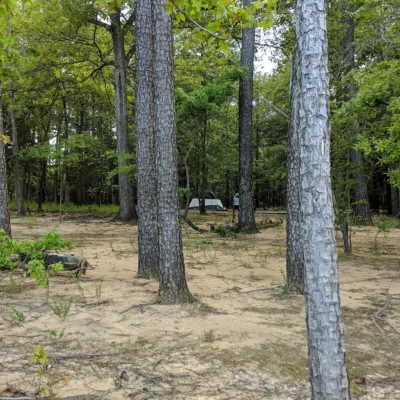
Weymouth Woods-Sandhills Nature Preserve protects 676 acres of one of the most endangered ecosystems in North America — the longleaf pine forest. Before European settlement, longleaf pine forests covered an estimated 90 million acres across the southeastern United States. Today, less than 3% remains. Weymouth Woods preserves some of the finest old-growth longleaf pines in the Sandhills region, with individual trees hundreds of years old — their tall, straight trunks and open canopy creating a cathedral-like forest floor of wiregrass and wildflowers.
The preserve is a critical habitat for the federally endangered red-cockaded woodpecker, which excavates nesting cavities exclusively in living longleaf pines — a process that takes 1–6 years per cavity. Other rare species here include fox squirrels, pine snakes, pine barrens tree frogs, and the carnivorous purple pitcher plant found in the preserve’s unique bog habitats.
Trails
| Trail | Distance | Difficulty | Highlights |
|---|---|---|---|
| Pine Barrens Trail | 1.0 mi | Easy | Old-growth longleaf pines, wiregrass understory |
| Bower’s Bog Trail | 0.3 mi | Easy | Bog ecosystem, purple pitcher plants, sundews |
| Lighter Stump Trail | 0.5 mi | Easy | Historic turpentine industry remnants |
| Holly Road Trail | 2.0 mi | Moderate | Diverse forest types, wildlife viewing |
| Bridle Trail | 2.5 mi | Easy | Horseback riding (no trailer parking at park) |
Wildlife to Watch For
| Species | Status | When/Where |
|---|---|---|
| Red-Cockaded Woodpecker | Federally Endangered | Old-growth pines, look for white resin streaks on trunks |
| Fox Squirrel | State rare | Larger than gray squirrel, open pine forest |
| Pine Snake | State rare | Sandy soils, non-venomous, shy |
| Pine Barrens Tree Frog | State rare | Bog areas, spring breeding calls |
| Purple Pitcher Plant | Carnivorous | Bower’s Bog, traps insects in liquid-filled leaves |
Best Time to Visit
| Season | Weather | Best For |
|---|---|---|
| Spring (Mar–May) | 55–78°F | Wildflowers, tree frog calls, pitcher plants active, nesting |
| Summer (Jun–Aug) | 80–92°F | Full canopy, but hot — morning visits best |
| Fall (Sep–Nov) | 55–72°F | Comfortable hiking, fox squirrel activity, prescribed burns |
| Winter (Dec–Feb) | 35–55°F | Woodpecker viewing (bare understory), quiet |
💰 Trip Cost Estimator
| Expense | Cost | Notes |
|---|---|---|
| Entrance | FREE | No entrance fee |
| Parking | FREE | Visitor center lot |
| Visitor Center | FREE | Sandhills Discovery Room with exhibits |
| Typical Visit | $0 | 1–3 hours |
⚠️ Know Before You Go
| Item | Details |
|---|---|
| 🔥 Prescribed Burns | Fire is essential for longleaf pine health — occasional closures for burns |
| ⛺ No Camping | Day-use only — no overnight facilities |
| 🐍 Snakes | Pine snakes and copperheads present — watch footing |
| 🌿 Stay on Trails | Bog habitats are extremely fragile |
Frequently Asked Questions
Can I see red-cockaded woodpeckers?
Yes — with patience. Look for trees with white resin streaks running down the trunk — these mark active cavity trees. The birds are small (robin-sized) with black and white plumage. Best viewing in early morning.
What are the pitcher plants?
Purple pitcher plants are carnivorous plants that trap and digest insects in their water-filled, tube-shaped leaves. Find them at Bower’s Bog, primarily visible spring through fall.
Why do they burn the forest?
Longleaf pine ecosystems depend on fire to survive. Without regular burns (naturally from lightning), hardwoods and undergrowth crowd out wiregrass and longleaf seedlings. Prescribed burns replicate the natural fire cycle.
Is there camping?
No. Day-use only. Camping is available nearby at Uwharrie National Forest and private campgrounds in the Southern Pines area.
Is it free?
Yes — completely free. No entrance fee, free parking, free visitor center with nature exhibits.
How old are the oldest trees?
Some longleaf pines in the preserve are several hundred years old. These trees survived the turpentine industry that destroyed most of North Carolina’s longleaf forests.
How far from Pinehurst?
About 5 miles (10 minutes) from Pinehurst/Southern Pines. An easy add-on to a golf trip or Sandhills visit.
What is the Sandhills Discovery Room?
An interactive exhibit space in the visitor center with displays on the longleaf pine ecosystem, native wildlife, and Sandhills geology. Great for kids and nature enthusiasts.
Keep exploring: The closest neighbors are Weymouth Woods-Sandhills Nature Preserve (a short drive away) and Carvers Creek State Park (within about an hour’s drive).
🌲 Walk Among Ancient Pines
Centuries-old longleaf pines, endangered woodpeckers, carnivorous plants, and one of the last remnants of an ecosystem that once covered 90 million acres. Free admission, free parking, priceless ecology.

🐾 Dogs & Pets at Weymouth Woods-Sandhills Nature Preserve
- Pets allowed? statewide rule
- Pets are permitted in all North Carolina state parks as long as they are on an attended leash and under the constant control of the owner.
- Leash rule statewide rule
- Attended leash or other restraint no longer than 6 feet required at all times
- Beaches & swim areas statewide rule
- Pets are not permitted at swim areas or in bathhouses
- Cabins & lodging statewide rule
- Pets are strictly prohibited from entering any building, including cabins; no pet-friendly cabin program
- Statewide exceptions statewide rule
- Not all campgrounds allow pets (contact the park office first); pets must be confined to tent or vehicle during quiet hours (10 p.m.-7 a.m.); at Hammocks Beach visitors must arrange their own transportation for pets to Bear Island
Are dogs allowed at Weymouth Woods-Sandhills Nature Preserve?
Pets are permitted in all North Carolina state parks as long as they are on an attended leash and under the constant control of the owner. Individual parks can post stricter rules — check signage on arrival.
Rules verified July 2026 via ncparks.gov. More: North Carolina state parks guide · Dog rules in all 50 states compared
Park Location
Plan your gear for Weymouth Woods-Sandhills Nature Preserve
From our editorial guides, matched to this park’s activities:


Top Tours & Activities Near Fayetteville
 from $65
 from $113
 from $14