In-Depth Guide to North Dakota State Parks
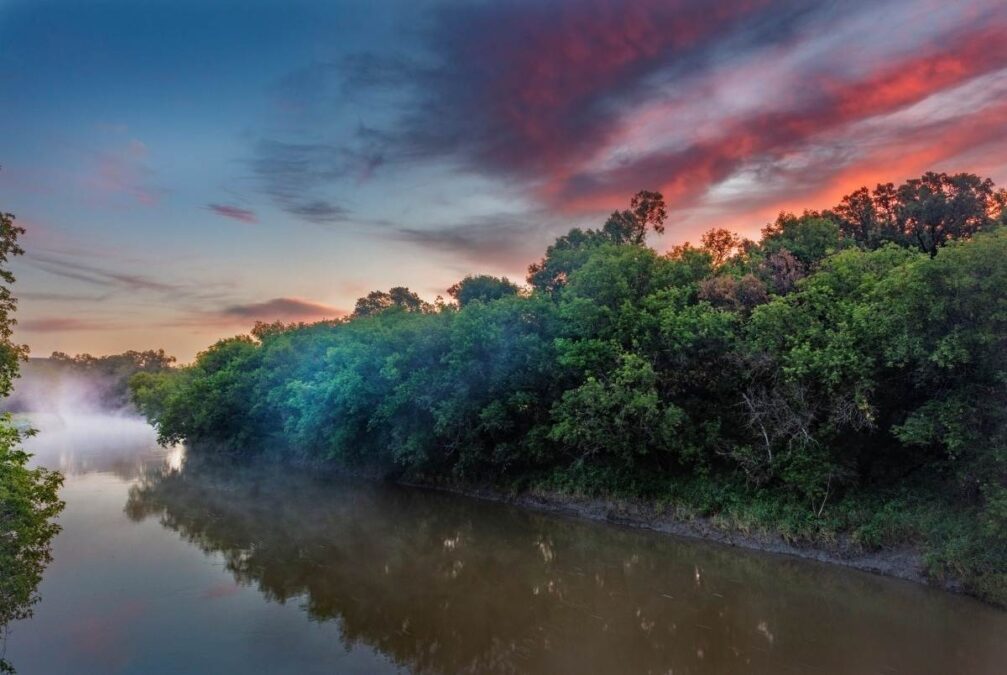
Theodore Roosevelt called the North Dakota Badlands the landscape that “made me who I am” — and that same raw, rugged beauty runs through the state’s 13 state parks. From the painted canyons of the Little Missouri where wild horses still roam to the shoreline parks on Lake Sakakawea (one of the largest man-made reservoirs in America), North Dakota’s parks deliver wide-open plains adventure under the biggest skies in the country. These aren’t manicured golf-course parks — they’re untamed prairie, free-flowing river, and Badlands canyon, served with frontier history and world-class walleye fishing.
Passes & Fees
| Pass Type | Cost | Details |
|---|---|---|
| Daily Vehicle Fee | $7 | Valid at any state park for one day |
| Annual Vehicle Permit | $35 | All parks, 12 months |
| Senior Annual (65+ resident) | $28 | Reduced rate for ND residents |
| Annual Family Permit | $61.25 | 2 vehicles, same household |
| Disabled Veteran / Former POW | Free | Lifetime pass |
📋 North Dakota Annual Pass: $35/year for everyone — no resident/non-resident split (family permit for 2 vehicles: $61.25). → See our Complete 50-State Annual Pass Price Guide, or our 50-State Park Fees Study.
Parks by Region
Missouri River Corridor
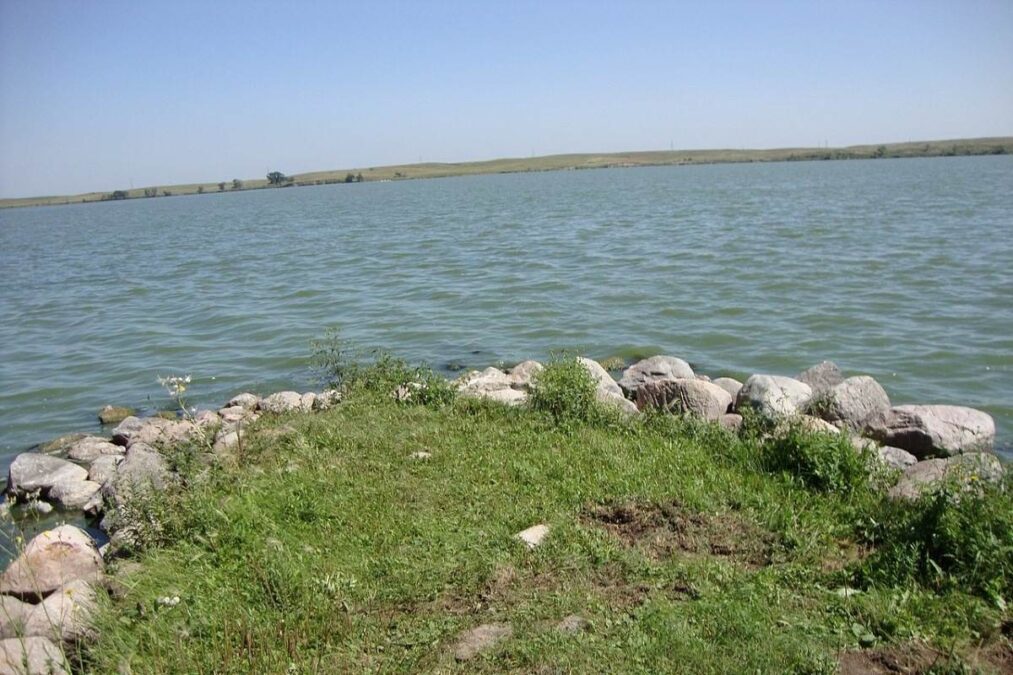
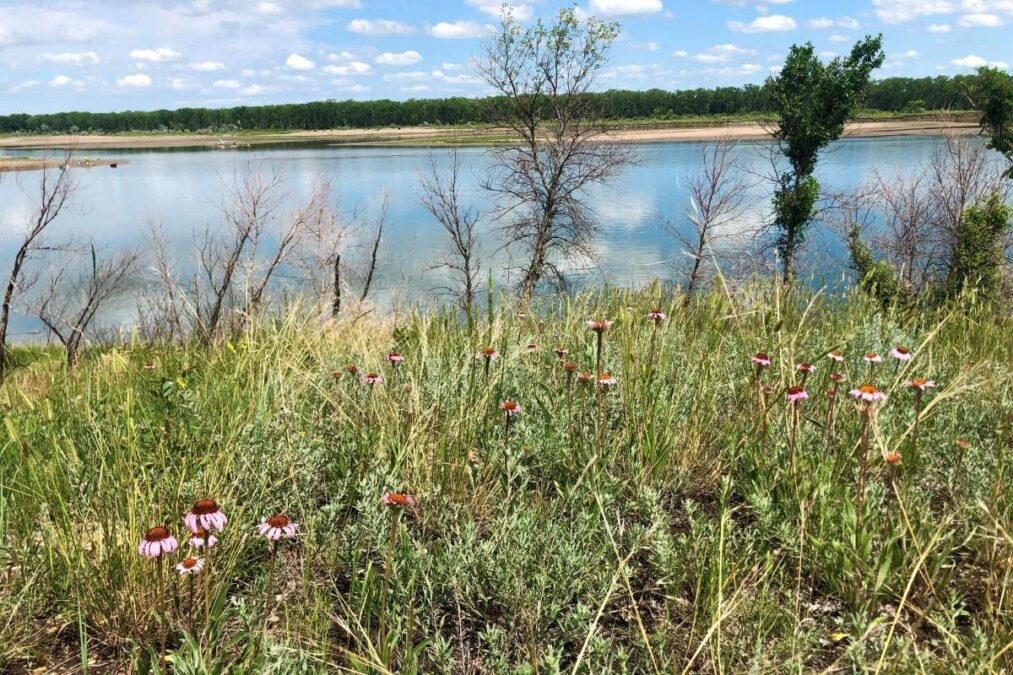
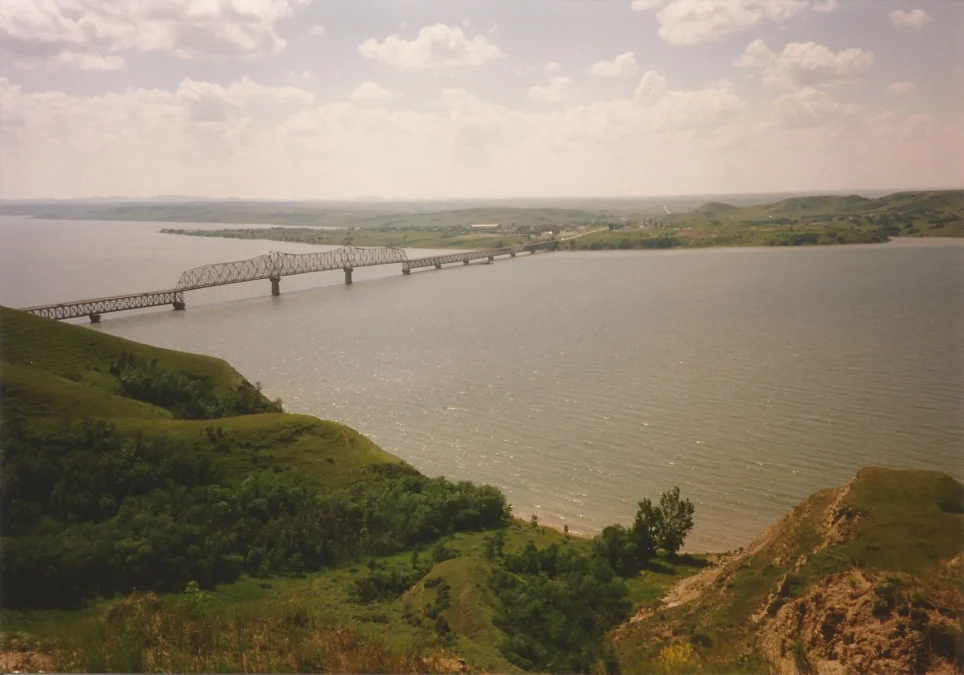
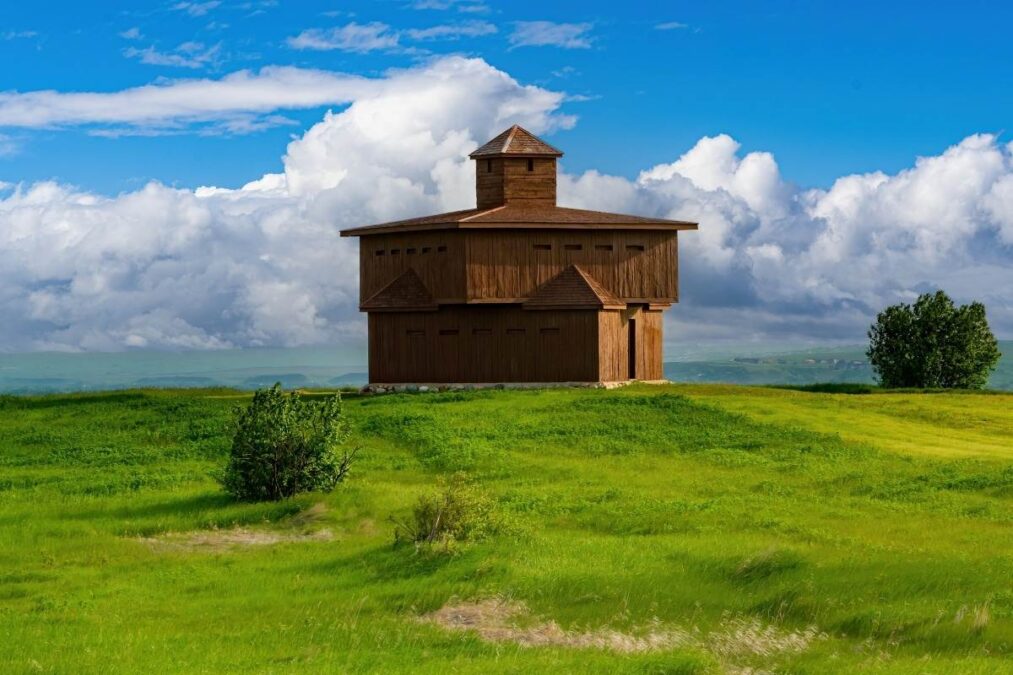
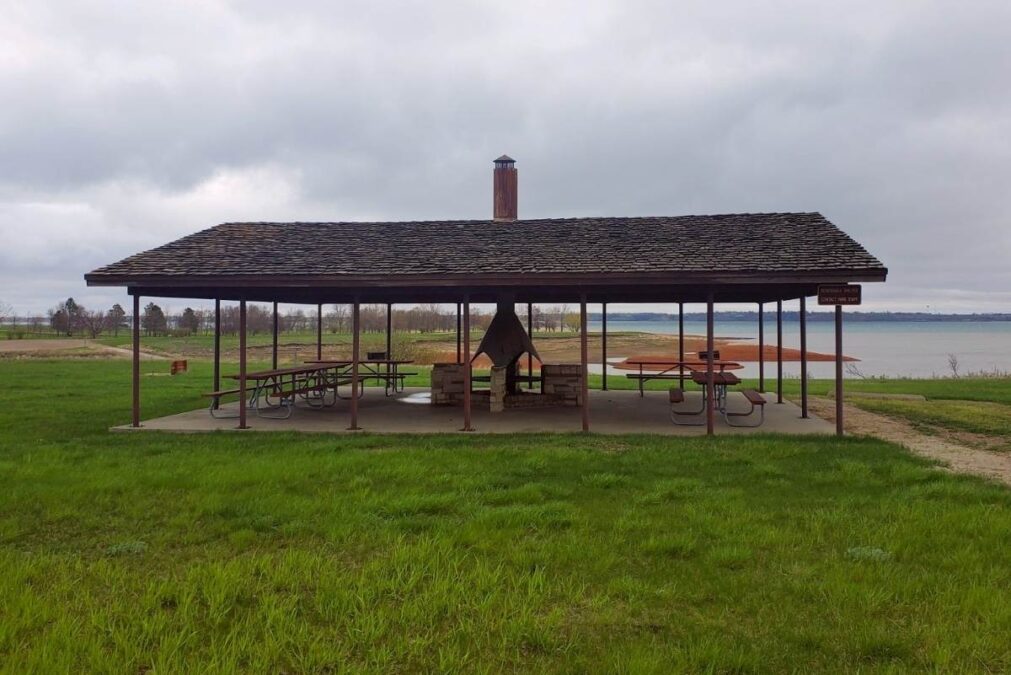
The Missouri River — Lewis and Clark’s highway west — connects North Dakota’s most significant state parks. Fort Abraham Lincoln State Park south of Mandan is the flagship: the reconstructed On-a-Slant Mandan Indian Village features five earth lodges (the Mandan people lived here for 200+ years), and the Custer House marks where Lt. Col. George Custer departed for his fateful 1876 campaign at Little Bighorn. Guided tours bring both stories to life. Fort Stevenson State Park juts into Lake Sakakawea with premium cabins (the Western Engineer Cabin sleeps 6 with full kitchen and Wi-Fi), a full-service marina, and access to what’s arguably the best walleye fishery in North America. Cross Ranch State Park protects the last free-flowing, undammed stretch of the Missouri River in North Dakota — with native bison herds grazing the mixed-grass prairie and newly constructed full-service cabins (the York Cabin) offering Missouri River views.
Badlands & West
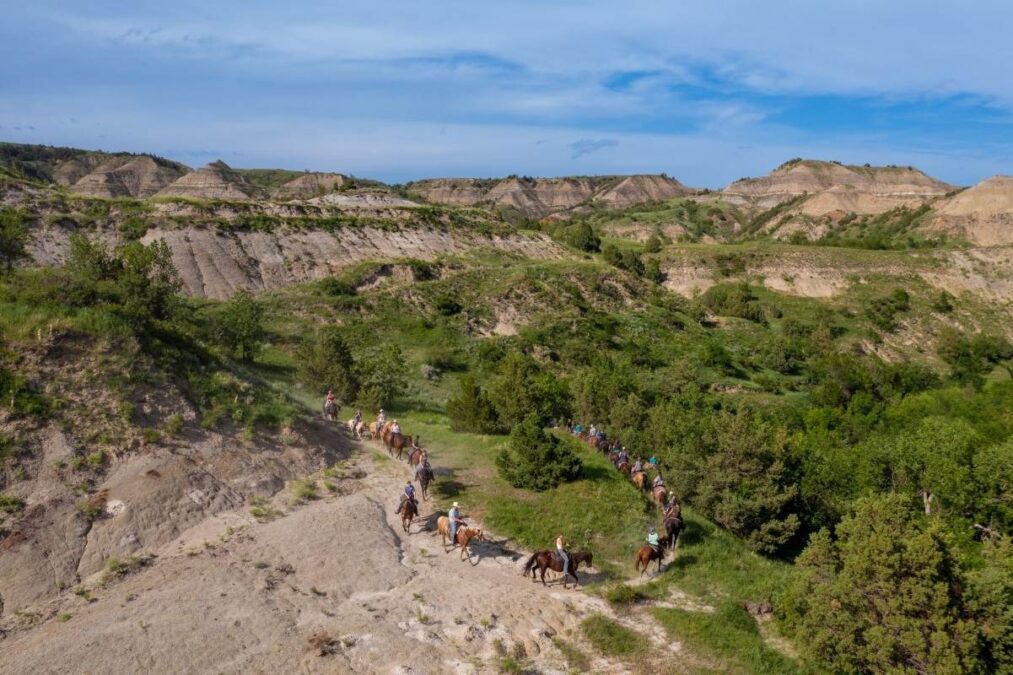
Little Missouri State Park is North Dakota’s Badlands secret — 6,000 acres of deeply eroded canyons, buttes, and coulees without the crowds of Theodore Roosevelt National Park. The park is a horseback riding paradise with 75+ miles of trails threading through formations that glow orange and purple at sunset. Primitive camping puts you deep in the landscape. Rough Rider State Park (formerly Sully Creek) south of Medora serves as the perfect basecamp for Theodore Roosevelt National Park, with riverside camping along the Little Missouri and easy access to the park’s South Unit. Lewis and Clark State Park overlooks Lake Sakakawea near Williston with boat ramps, camping, and sweeping reservoir views.
Eastern Prairie & Lakes
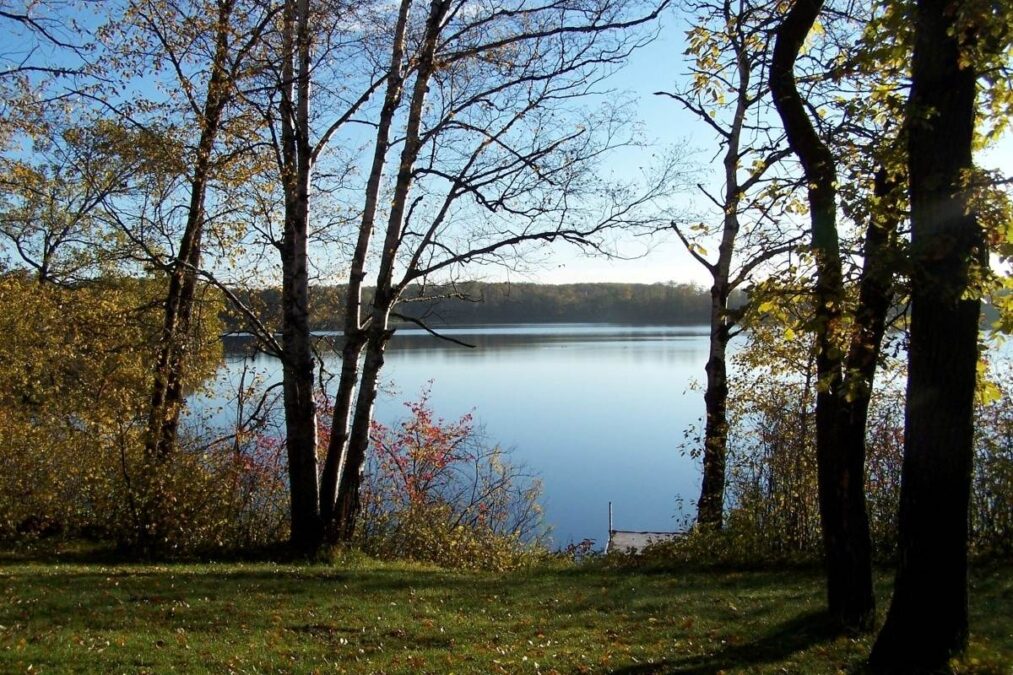
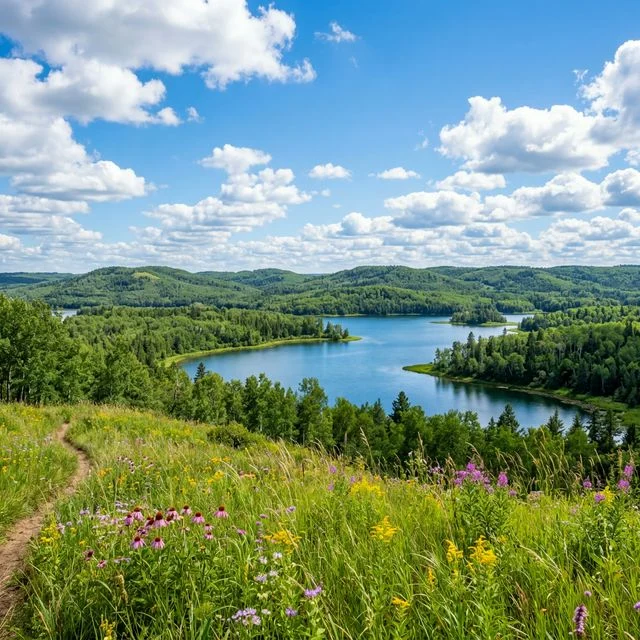
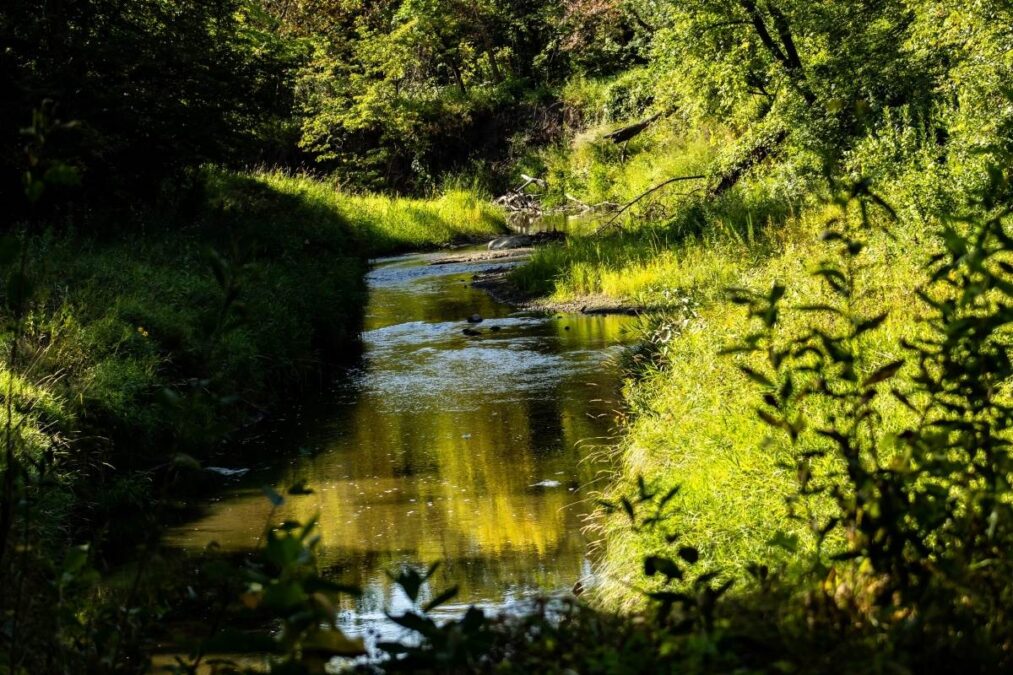
Eastern North Dakota’s parks are oases of forest and water in a sea of prairie. Lake Metigoshe State Park in the Turtle Mountains near the Canadian border is a lush wooded surprise — oak and aspen forest surrounding a lake with cabins, swimming, and winter cross-country skiing. Fort Ransom State Park occupies what many call the most beautiful valley in eastern North Dakota — the Sheyenne River winding through wooded hills with the annual Sodbuster Days heritage festival each July and unique accommodations including the Percheron Wagon. Icelandic State Park preserves the heritage of Icelandic immigrants who settled Pembina County, featuring a pioneer homestead, the Gunlogson Nature Preserve, and waterfront camping on Lake Renwick. Turtle River State Park near Grand Forks offers forested trails along a meandering river with cabin rentals — a favorite for University of North Dakota families.
State Parks Near Bismarck, Fargo & Grand Forks
North Dakota’s parks spread along the Missouri River and the eastern valleys. Here are the closest to each hub, with approximate drive times.
Near Bismarck & Mandan
Fort Abraham Lincoln State Park and its earth lodges sit just 15 minutes south of Mandan, and Cross Ranch State Park with its bison prairie is about 45 minutes north along the free-flowing Missouri. An hour-plus northwest, Fort Stevenson and Lake Sakakawea State Park open the big reservoir; out west, Rough Rider (by Medora) and Little Missouri State Park anchor the Badlands about two hours away.
Near Fargo & Grand Forks
From Grand Forks, Turtle River State Park is only 25 minutes west — the local hiking and cabin favorite — while Icelandic State Park (about 90 minutes north near Cavalier) pairs pioneer history with Lake Renwick camping, and Pembina Gorge adds canyon adventure near Walhalla. From Fargo, Fort Ransom State Park in the Sheyenne Valley is about 90 minutes southwest. Up on the Canadian border, Lake Metigoshe State Park (an hour north of Minot) hides in the wooded Turtle Mountains.
Camping & Lodging Guide
| Accommodation | Availability | Price Range | Details |
|---|---|---|---|
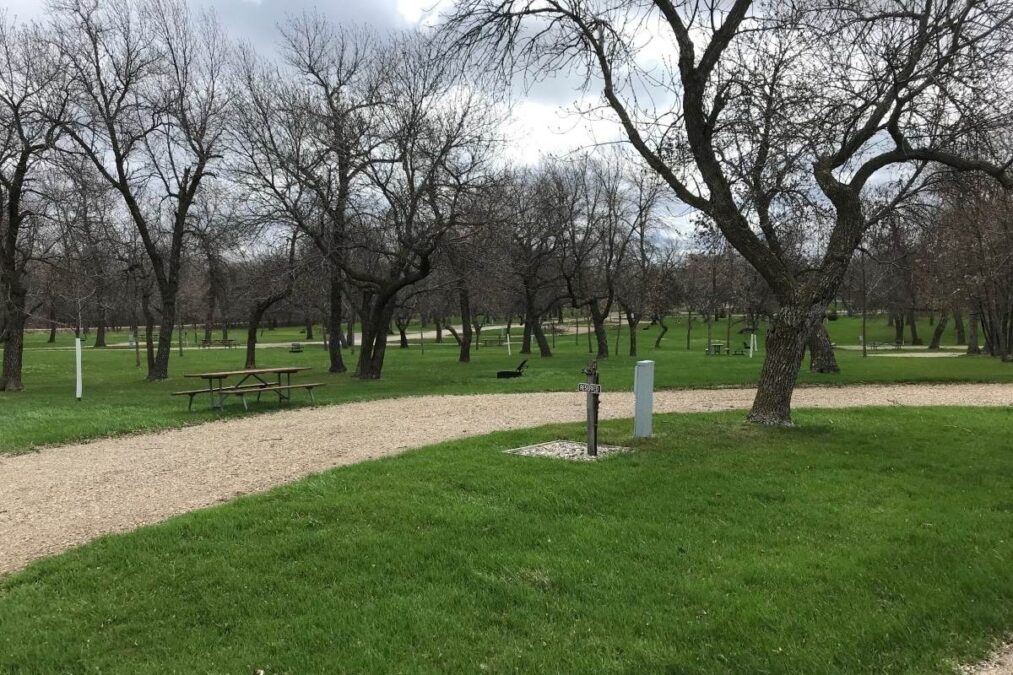
| Modern Campsites | Most parks | $20–$35/night | Electric hookups, showers, picnic tables |
| Primitive Camping | Little Missouri, Rough Rider, Cross Ranch | $10–$15/night | No hookups; Badlands backcountry experience |
| Cabins | 6+ parks | $50–$150/night | Rustic to full-service; some year-round |
| Premium Cabins | Fort Stevenson, Cross Ranch | $120–$200/night | Full kitchen, Wi-Fi, river/lake views |
| Equestrian Camping | Little Missouri, Fort Abraham Lincoln | $15–$25/night | Corrals and tie-ups available |
Booking tip: Campsites open for reservation 95 days in advance. Year-round cabins can be booked up to 365 days ahead at parkrec.nd.gov. Peak season (June–August) fills fast at Fort Stevenson and Lake Metigoshe.
Insider Tips
🏕️ Local Knowledge
- Walleye capital: Fort Stevenson holds the unofficial title “Walleye Capital of North Dakota.” Book a slip at the marina and fish Lake Sakakawea’s 1,500 miles of shoreline — spring (May–June) and fall (September) are prime.
- Horseback in the Badlands: Little Missouri SP is the best horseback riding destination — bring your own horse or arrange a guided ride from nearby outfitters. 75+ miles of trails with zero crowds.
- Bison at sunrise: Cross Ranch’s bison herd is most active at dawn and dusk. The Missouri River Valley trail offers the best viewing with the free-flowing Missouri as backdrop.
- Medora base camp: Rough Rider SP (formerly Sully Creek) is far cheaper (and quieter) than Medora hotels. Camp here and drive 7 minutes to TRNP’s South Unit entrance or Medora’s musical theater.
- 2026 new campground: Pembina Gorge State Recreation Area near Walhalla opens its first campground in 2026 — becoming North Dakota’s 14th state park campground with dramatic cliff-side settings.
Best Parks by Activity
Best for Hiking
- Little Missouri — 75+ miles of Badlands canyon and butte trails
- Fort Ransom — Sheyenne River valley trails through wooded hills
- Cross Ranch — Missouri River bluffs and bison-grazed prairie
Best for Fishing
- Fort Stevenson — Lake Sakakawea world-class walleye
- Lake Sakakawea SP — Reservoir walleye, salmon, pike
- Lake Metigoshe — Northern pike and walleye in the Turtle Mountains
Best for History
- Fort Abraham Lincoln — Mandan earth lodges and Custer’s cavalry post
- Fort Stevenson — Frontier military garrison on Lake Sakakawea
- Icelandic SP — Pioneer homestead and Icelandic immigrant heritage
Best for Families
- Fort Abraham Lincoln — Guided earth lodge tours (kids love crawling inside)
- Lake Metigoshe — Swimming, canoeing, winter sledding and skiing
- Fort Stevenson — Lake beach, marina, and frontier reenactment events
When to Visit
| Season | Highlights | Crowds |
|---|---|---|
| Spring (Apr–May) | Prairie wildflowers, migratory birdwatching, walleye spawning run | Low |
| Summer (Jun–Aug) | Lake swimming, longest days, Sodbuster Days at Fort Ransom | Moderate |
| Fall (Sep–Oct) | Golden prairie, waterfowl migration, peak walleye fishing | Low |
| Winter (Dec–Mar) | Cross-country skiing at Lake Metigoshe, quiet parks, northern lights | Very Low |
Planning around the seasons? Explore our national guides to the best state parks for spring wildflowers, summer swimming, fall foliage, and winter camping & snow sports — plus our guide to the best times to visit state parks by region.
FAQs
What is North Dakota’s best state park?
Fort Abraham Lincoln is the most popular for its Mandan earth lodges and Custer history. For natural scenery, Little Missouri SP offers the best Badlands experience without TRNP crowds.
Is Lake Sakakawea good for fishing?
World-class. Lake Sakakawea’s 1,500 miles of shoreline support one of North America’s premier walleye fisheries. Fort Stevenson SP is the best base with a full-service marina and premium cabins.
Can I see bison in North Dakota state parks?
Yes — Cross Ranch SP has a native bison herd grazing the prairie along the last free-flowing stretch of the Missouri River. The herd is best viewed at dawn from the river bluff trails.
What are Mandan earth lodges?
Reconstructed semi-subterranean dwellings at Fort Abraham Lincoln’s On-a-Slant Village. The Mandan people lived here for 200+ years, building dome-shaped homes from timber and earth that housed extended families. Guided tours explain the construction and daily life.
Can I ride horses in North Dakota state parks?
Little Missouri SP is the premier equestrian destination — 75+ miles of Badlands trails with designated horse camping and corrals. Fort Abraham Lincoln also has equestrian facilities. Bring your own horse.
Is North Dakota good for stargazing?
Exceptional. With minimal light pollution, especially in western ND, the Badlands parks (Little Missouri, Rough Rider) offer some of the darkest skies in the lower 48. Northern lights are visible in winter months.
How many state parks does North Dakota have?
North Dakota has 13 state parks plus several state recreation areas — about 19,000 acres in all, from Badlands canyons to Turtle Mountain lakes. One $35 annual vehicle permit (same price for residents and visitors) covers every one of them; daily entry is $7.
Does North Dakota have a national park?
Yes — Theodore Roosevelt National Park in the western Badlands, split into a South Unit at Medora and a wilder North Unit. Rough Rider State Park (formerly Sully Creek) makes the cheapest basecamp, 7 minutes from the South Unit entrance, and Little Missouri State Park delivers the same Badlands scenery with a fraction of the visitors. The NPS also runs Knife River Indian Villages National Historic Site and Fort Union Trading Post National Historic Site.
Are dogs allowed in North Dakota state parks?
Pets are welcome in North Dakota state parks but must stay on a leash. No maximum leash length is published statewide. Pets are not allowed in cabins or yurts where parks state a policy (e.g. Fort Ransom State Park); no statewide pet-friendly cabin program advertised. Most parks have designated off-leash areas or dog parks (e.g. Fort Ransom’s off-leash area with river access, Grahams Island’s fenced dog park). Rules verified July 2026 via parkrec.nd.gov. Full 50-state comparison: Dog Rules in America’s State Parks.
Badlands canyons, bison prairie, and world-class walleye — explore North Dakota’s 13 state parks.