🌤 Weather at Turtle Mountain State Recreation Area by season
| Spring | Summer | Fall | Winter |
|---|---|---|---|
| 14–65 °F | 52–79 °F | 16–69 °F | -4 to 20 °F |
Each range runs from the coldest monthly average low to the warmest monthly average high in that season (1991-2020 climate normals), measured at Bottineau, 2 mi away, elevation 1,619 ft. Conditions at the park can differ from the station, especially where elevation differs — check a forecast before you go.

🏆 North Dakota’s Northern Forest Escape — Forested hills, glacial lakes, and wildlife in the remote Turtle Mountains near the Canadian border
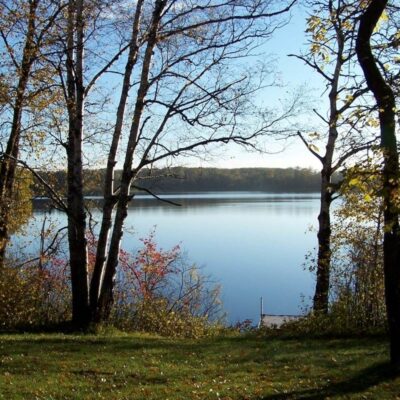
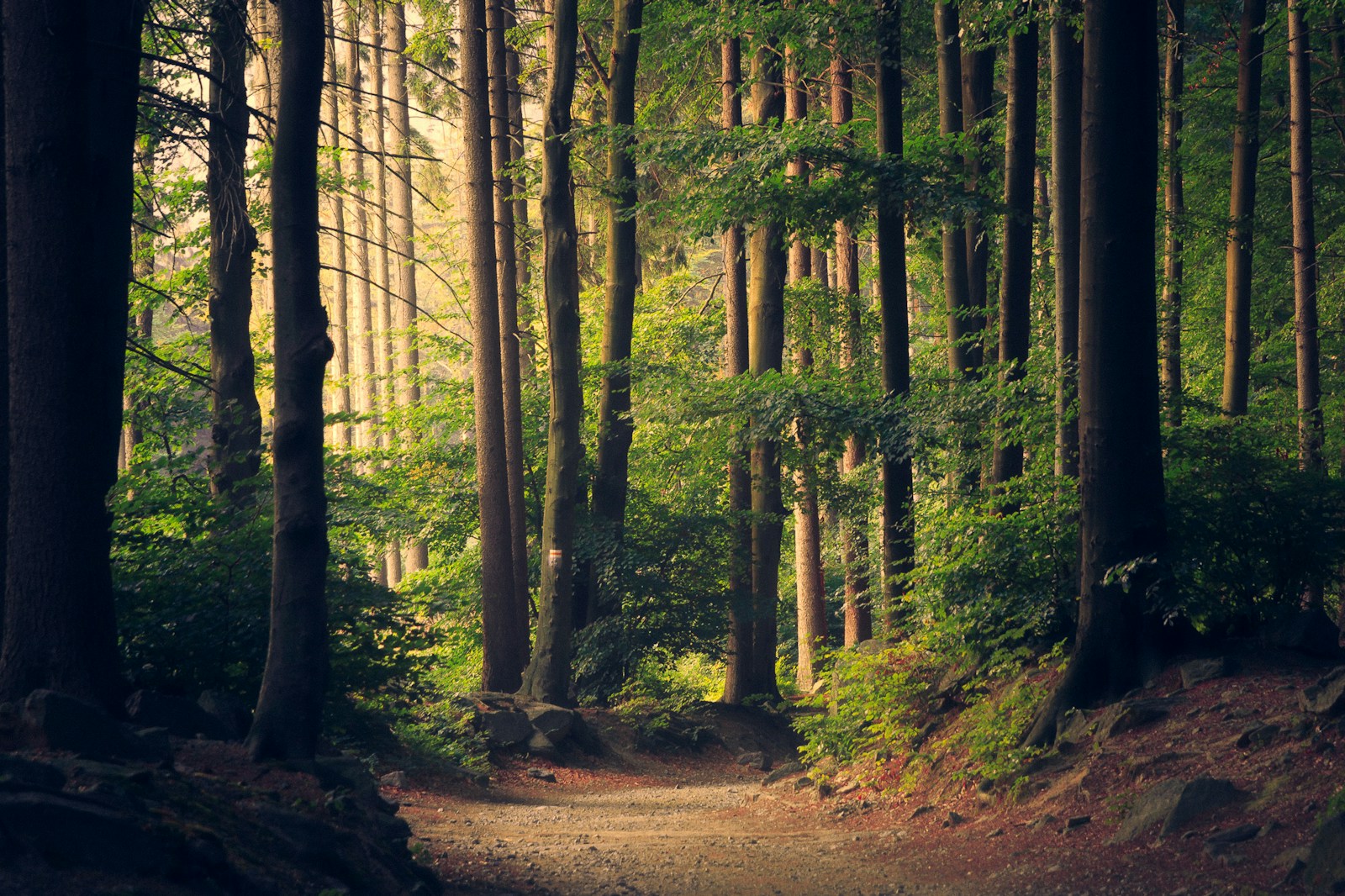
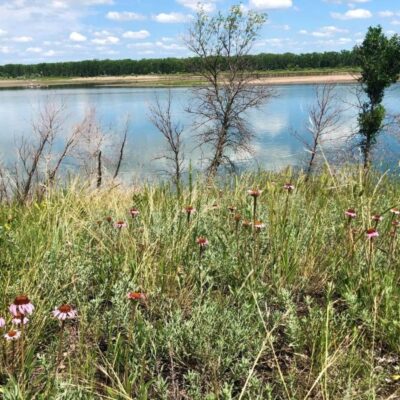
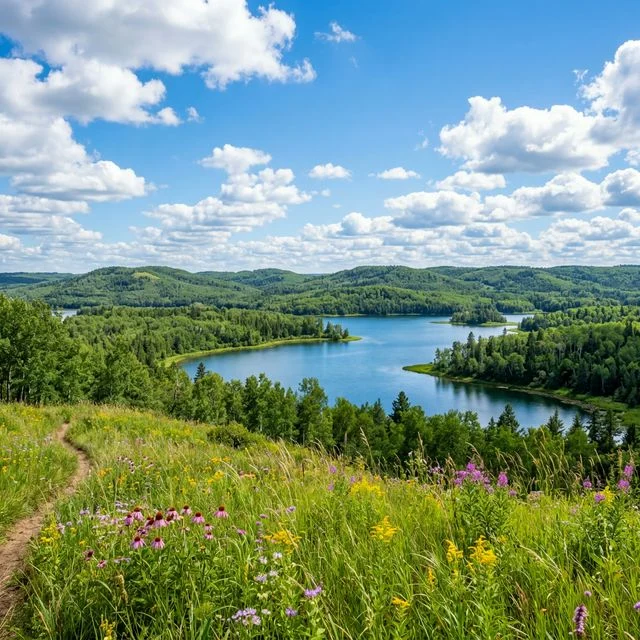
In the far north-central corner of North Dakota, a geological anomaly rises from the Great Plains. The Turtle Mountains — a small, isolated range of forested hills — climb several hundred feet above the surrounding prairie, creating a landscape that looks more like northern Minnesota or southern Manitoba than the wide-open grasslands for which North Dakota is known. Covered in aspen, birch, and oak forests, dotted with glacial lakes and wetlands, and home to moose, black bears, and white-tailed deer, the Turtle Mountains are one of the most biologically distinctive regions in the northern Great Plains.
Turtle Mountain State Recreation Area, located in Bottineau County just south of the Canadian border, protects a portion of this unique landscape. The park offers hiking through boreal-influenced forests, fishing in glacial lakes, camping beneath aspens, and some of the best wildlife watching in North Dakota. It’s remote — the nearest city of any size is Minot, 90 miles to the south — but that remoteness is precisely the point. This is where you go to disappear into a landscape that most people don’t even know exists in North Dakota.
Table of Contents
About the Park
The Turtle Mountains were formed by glacial activity during the Pleistocene era. As continental ice sheets retreated approximately 10,000 years ago, they left behind a hilly terrain of moraines, kettle lakes, and till deposits that now supports a forest ecosystem unique in the Great Plains context. The “mountains” rise only about 600 feet above the surrounding prairie — modest by any mountain standard — but the ecological contrast is dramatic: dense deciduous and boreal forest where you’d expect open grassland.
📊 Park Quick Facts
• Location: Bottineau County, North Dakota — 15 miles from the Canadian border
• Terrain: Forested glacial hills, kettle lakes, wetlands
• Elevation: 1,900–2,300 feet
• Forest type: Aspen-birch-oak with boreal influences
• Managed by: North Dakota Parks & Recreation
• Key activities: Hiking, fishing, camping, wildlife watching, cross-country skiing
Hiking Trails
The park features several trails that wind through the Turtle Mountain forest, offering a mix of ridgetop views, lake access, and immersion in the aspen-birch woodland. The terrain is rolling rather than steep, making most trails accessible to hikers of moderate fitness.
| Trail | Distance | Difficulty | Highlights |
|---|---|---|---|
| Lakeshore Trail | 2.5 miles | Easy | Lake views, birding, wildflowers |
| Forest Ridge Loop | 4.0 miles | Moderate | Aspen-birch canopy, wildlife corridor |
| Wetland Walk | 1.0 mile | Easy | Boardwalk sections, waterfowl habitat, beaver activity |
| North Hills Trail | 3.5 miles | Moderate | Highest elevations, panoramic prairie views |
Trail conditions: Trails are natural surface (dirt, leaf litter, grass). Expect muddy conditions in spring and after rain. Mosquitoes can be intense from June through August — insect repellent is essential. In fall, the aspen and birch display brilliant gold and amber colors, making September and early October ideal for hiking.
Fishing
The glacial lakes of the Turtle Mountains support a variety of warm and cool-water fish species. The park provides access to several of these lakes, which are stocked by the North Dakota Game and Fish Department.
| Species | Best Season | Method | Notes |
|---|---|---|---|
| 🐟 Northern Pike | Spring, Fall | Spoons, spinners, live bait | Top predator in Turtle Mountain lakes |
| 🐟 Walleye | Spring, Fall | Jigs, crankbaits, live minnows | Best at dawn and dusk |
| 🐟 Yellow Perch | Year-round | Small jigs, worms | Excellent ice fishing target |
| 🐟 Bluegill | Summer | Worms, crickets | Abundant in smaller lakes |
| 🐟 Largemouth Bass | Summer | Soft plastics, topwater | Available in select lakes |
A valid North Dakota fishing license is required. Ice fishing is popular from December through March when the lakes freeze solid — yellow perch and northern pike are prime ice fishing targets.
Wildlife
The Turtle Mountains support wildlife communities more typical of the northern boreal forests than the Great Plains. This ecological transition zone creates excellent wildlife diversity.
| Category | Species |
|---|---|
| 🦌 Large Mammals | Moose, white-tailed deer, black bear, elk (occasional) |
| 🦊 Predators | Coyote, red fox, bobcat, fisher (rare) |
| 🦅 Raptors | Bald eagle, great horned owl, red-tailed hawk, northern harrier |
| 🦆 Waterfowl | Wood duck, mallard, blue-winged teal, Canada goose |
| 🐦 Songbirds | Scarlet tanager, indigo bunting, rose-breasted grosbeak, ovenbird |
Moose are the star attraction. The Turtle Mountains are one of the southernmost moose habitats in the lower 48, and sightings are not uncommon, especially near lakes and wetlands during early morning and evening hours. Black bears are present but generally shy and rarely seen.
Camping
| Detail | Information |
|---|---|
| ⛺ Sites | Modern and primitive campsites available |
| 🔌 Hookups | Electric hookups at modern sites |
| 🚻 Restrooms | Vault toilets; modern restrooms at campground |
| 💰 Rates | $10–$25/night depending on site type |
| 📋 Reservations | Recommended for summer weekends via parkrec.nd.gov |
| 🐕 Pets | Allowed on leash |
Winter Recreation
The Turtle Mountains receive significant snowfall due to their elevation and proximity to moisture from the Manitoba lakes. This creates excellent conditions for cross-country skiing, snowshoeing, and snowmobiling. The nearby Bottineau Winter Park offers downhill skiing and snowboarding — the only downhill skiing facility in North Dakota.
Ice fishing on the glacial lakes is a popular winter tradition. The thick ice (often 2–3 feet by mid-January) allows safe access, and the yellow perch fishing can be outstanding.
Visitor Information
| Detail | Information |
|---|---|
| 📍 Location | Bottineau County, North Dakota — near Bottineau |
| 📞 Contact | ND Parks & Recreation: (701) 328-5357 |
| 🕐 Hours | Year-round, dawn to dusk |
| 💰 Entry Fee | Daily vehicle permit: $7; Annual: $35 |
| 🅿️ Parking | Available at trailheads and campground |
| 📡 Cell Service | Limited — rural, remote area |
Best Time to Visit
| Season | Weather | Best For |
|---|---|---|
| 🌸 Spring (May–Jun) | 45–70°F | Wildflowers, migratory birds, fishing season opens |
| ☀️ Summer (Jul–Aug) | 70–85°F | Camping, hiking, full lake access, wildlife |
| 🍂 Fall (Sep–Oct) | 40–65°F | Fall colors (aspen/birch), moose activity, hunting season |
| ❄️ Winter (Nov–Apr) | -10 to 25°F | Cross-country skiing, ice fishing, snowmobiling |
Nearby Attractions
| Destination | Distance | Highlights |
|---|---|---|
| Lake Metigoshe State Park | 10 miles | Premier ND park, lake recreation, cabins |
| International Peace Garden | 15 miles | US-Canada border gardens, floral displays, concerts |
| Bottineau Winter Park | 10 miles | North Dakota’s only downhill ski area |
| J. Clark Salyer NWR | 60 miles | Largest NWR in ND, marshland birding |
Keep exploring: The closest neighbors are Lake Metigoshe State Park (a short drive away) and Butte Saint Paul State Recreation Area (a short drive away).
Frequently Asked Questions
Are there moose at Turtle Mountain?
Yes — the Turtle Mountains are one of the southernmost moose habitats in the contiguous United States. Moose inhabit the forests and wetlands of the area and can occasionally be seen near lakes and marshy areas, especially during early morning and evening. Keep your distance if you encounter one — moose can be aggressive, particularly cow moose with calves.
Is there camping at Turtle Mountain SRA?
Yes — the park offers both modern campsites with electric hookups and primitive camping. Rates range from $10–$25/night. Reservations are recommended for summer weekends and can be made through the North Dakota Parks website (parkrec.nd.gov). A daily vehicle permit ($7) or annual pass ($35) is also required.
What fish can you catch?
The glacial lakes support northern pike, walleye, yellow perch, bluegill, and largemouth bass. Ice fishing is popular in winter, targeting yellow perch and pike. A valid North Dakota fishing license is required.
How remote is Turtle Mountain?
Very remote by lower-48 standards. The nearest city of any size is Bottineau (~10 miles south), and Minot is about 90 miles south. Cell service is limited. Stock up on fuel, food, and supplies before visiting. The remote location is also the park’s appeal — you’ll find genuine solitude here.
Can you ski at Turtle Mountain?
Cross-country skiing and snowshoeing are available on park trails when snow conditions allow. For downhill skiing, Bottineau Winter Park (~10 miles away) offers North Dakota’s only downhill ski facility with slopes, lifts, and equipment rentals.
What is the International Peace Garden?
Located just 15 miles from the park, the International Peace Garden straddles the US-Canada border and features 2,339 acres of formal gardens, fountains, floral displays, and a 9/11 memorial. It’s one of the most popular attractions in the Turtle Mountains region and makes an excellent day trip complement to the state recreation area.
When do the fall colors peak?
The aspen and birch forests of the Turtle Mountains typically peak in late September to early October. The display can be spectacular — the entire hillside canopy turns golden-amber against the evergreen understory. The exact timing varies by year, so check local reports in September for current conditions.
🦌 Explore Turtle Mountain State Recreation Area
Discover North Dakota’s hidden forest — hike beneath aspen canopies, fish glacial lakes, watch for moose, and experience one of the most unique landscapes in the northern Great Plains.
🗺️ North Dakota Parks 🌸 International Peace GardenFrequently Asked Questions
How much does it cost to visit North Dakota state parks?
A daily vehicle pass costs $7. An annual pass costs $35. Multi-park passes and camping combo options are also available.
What are the best state parks in North Dakota?
Theodore Roosevelt (though federally managed, the state’s pride), Fort Abraham Lincoln (Custer’s last post), Turtle River, and Lake Metigoshe are popular destinations offering diverse Badlands and prairie experiences.
What is the best time to visit North Dakota state parks?
Summer (June-August) offers the warmest weather and longest days. Fall brings stunning Badlands colors. Spring is short and windy. Winters are extremely cold (-20°F possible) with most parks having limited services.
Explore More North Dakota State Parks
Turtle Mountain State Recreation Area is one of many outstanding state parks in North Dakota. Discover more parks in our Best State Parks in North Dakota guide, or use our Park Finder to search by activity, location, or features.

🐾 Dogs & Pets at Turtle Mountain State Recreation Area
- Pets allowed? statewide rule
- Pets are welcome in North Dakota state parks but must stay on a leash.
- Leash rule statewide rule
- Leash required; no maximum length specified on the official site
- Cabins & lodging statewide rule
- Pets are not allowed in cabins or yurts where parks state a policy (e.g. Fort Ransom State Park); no statewide pet-friendly cabin program advertised
- Statewide exceptions statewide rule
- Most parks have designated off-leash areas or dog parks (e.g. Fort Ransom's off-leash area with river access, Grahams Island's fenced dog park)
Are dogs allowed at Turtle Mountain State Recreation Area?
Pets are welcome in North Dakota state parks but must stay on a leash. Individual parks can post stricter rules — check signage on arrival.
Rules verified July 2026 via parkrec.nd.gov. More: North Dakota state parks guide · Dog rules in all 50 states compared
Park Location
Plan your gear for Turtle Mountain State Recreation Area
From our editorial guides, matched to this park’s activities: