🌤 Weather at Castle Rock State Park (California) by season
| Spring | Summer | Fall | Winter |
|---|---|---|---|
| 41–67 °F | 52–81 °F | 44–79 °F | 40–55 °F |
Each range runs from the coldest monthly average low to the warmest monthly average high in that season (1991-2020 climate normals), measured at Skyline Ridge Preserve, 7 mi away, elevation 2,270 ft. Conditions at the park can differ from the station, especially where elevation differs — check a forecast before you go.

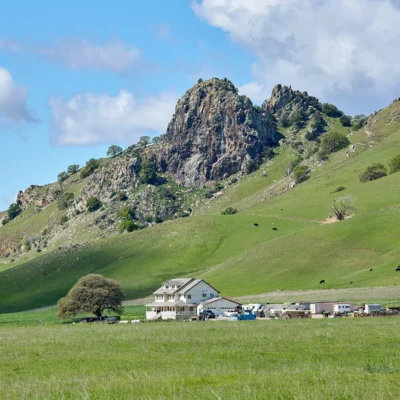
🏆 Castle Rock State Park — Home to sculpted sandstone, lush forests, and sweeping vistas of the Pacific Coast and Monterey Bay.
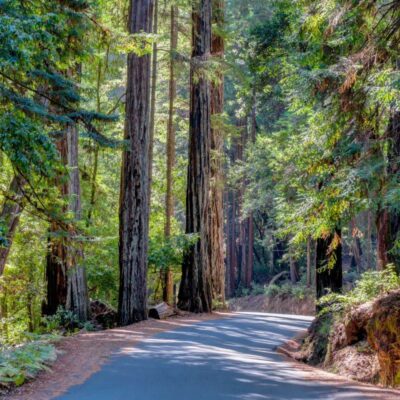
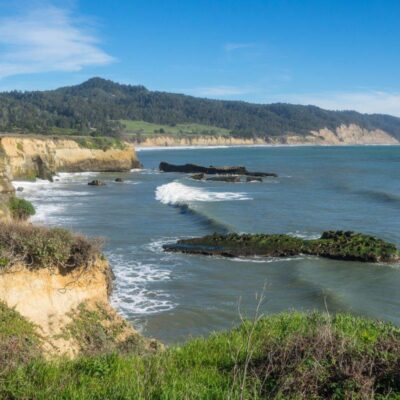
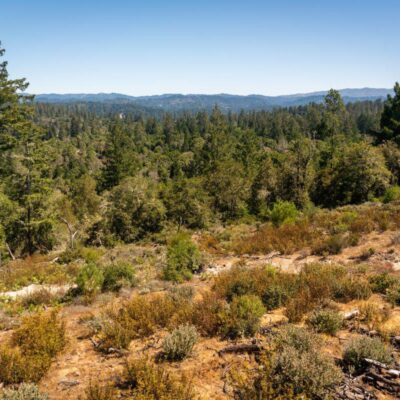
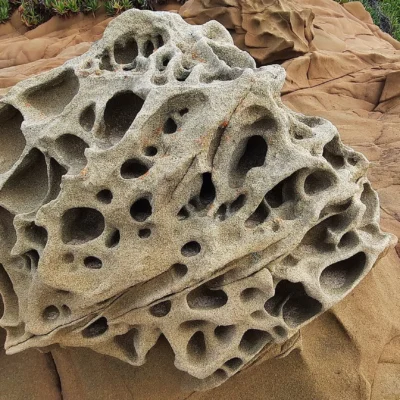
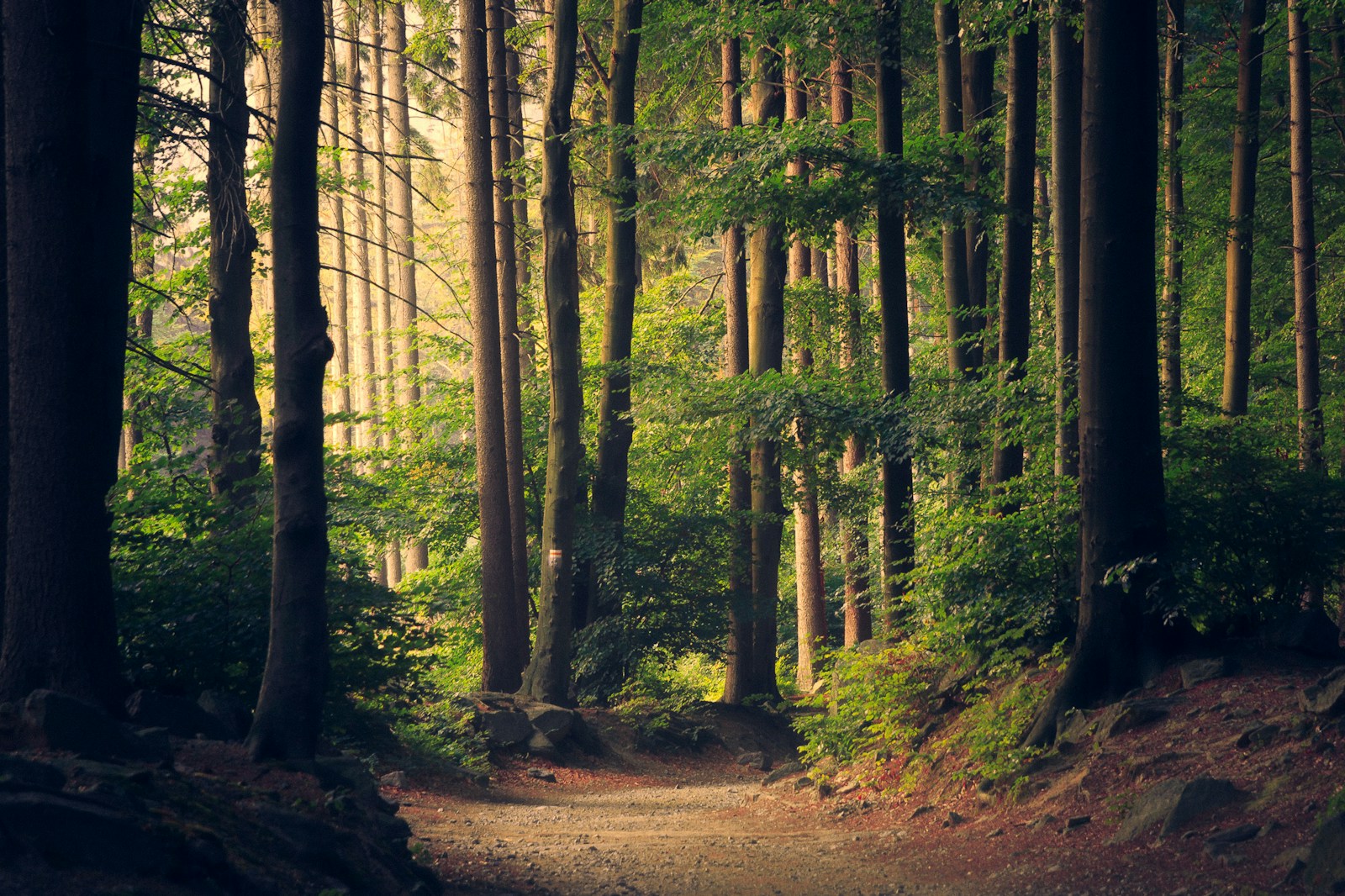
Castle Rock State Park is a land of sculpted sandstone, lush forests, and sweeping vistas. Perched on one of the highest ridges in the Santa Cruz Mountains, this rugged park offers world-class rock climbing, 34 miles of trails, and stunning views of the Bay Area and Pacific Ocean.
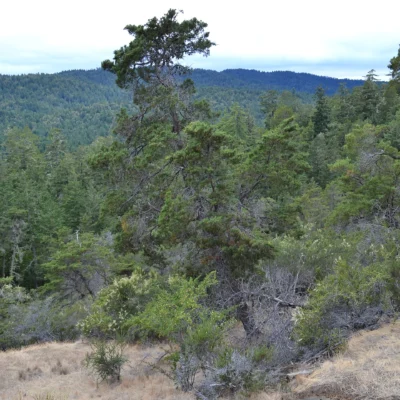
Rock climbers from around the world come to explore Castle Rock’s caverns and dramatic sandstone formations—including the namesake Castle Rock itself. Hikers and backpackers discover high-elevation coast redwoods, California black oaks, and knobcone pines along trails that connect all the way to Big Basin Redwoods State Park via the legendary Skyline to the Sea Trail.
This park is also home to the endangered marbled murrelet, a small seabird that nests in old-growth redwoods. Part of California’s “Crumb Clean” program, the park asks visitors to pack out all food scraps to protect these rare birds.
Park Fast Facts
Castle Rock State Park is located on Highway 35 (Skyline Boulevard), about 2.5 miles southeast of the junction with Highway 9.
| 📍 Location | Highway 35, Los Gatos, CA 95033 |
| 🗺️ Region | Santa Cruz Mountains / Bay Area |
| 📐 Total Area | 5,242 acres |
| 🥾 Trail Miles | 34 miles |
| ⏰ Hours | 6 AM – Sunset daily |
| 📞 Phone | (408) 868-9540 |
| 📱 Cell Service | NO cell reception in park! |
Entry Fees
| Fee Type | Cost | Notes |
|---|---|---|
| 🚗 Vehicle Day Use | $10 | Standard parking |
| 👴 Senior (62+) | $9 | Per vehicle |
| 🚌 Small Bus (10-24) | $50 | Per bus |
| 🚌 Large Bus (25+) | $100 | Per bus |
| 🎫 CA Annual Pass | FREE | Explorer or Golden Poppy |
Rock Climbing
Castle Rock is one of the premier rock climbing destinations in the San Francisco Bay Area. The sculpted sandstone formations offer routes for all skill levels.
| Climbing Info | Details |
|---|---|
| 🪨 Rock Type | Sculpted sandstone |
| 🧗 Features | Caverns, overhangs, cracks |
| 📍 Main Areas | Castle Rock, Goat Rock, Indian Rock |
| 📏 Routes | 100+ established routes |
| ⚠️ Note | Top-rope and bouldering; limited lead climbing |
Trails & Connections
| Trail | Distance | Highlights |
|---|---|---|
| 🥾 Castle Rock Trail | 5.6 mi loop | Namesake formation, waterfall |
| 🏔️ Ridge Trail | Varies | Panoramic Bay Area views |
| 🌲 Saratoga Toll Road | To Big Basin | Historic road, horses allowed |
| 🌊 Skyline to Sea Trail | 32 mi total | Mountains to ocean! |
| 🚴 Skyline Trail (Ridge) | N of Hwy 35 | Bay Area Ridge Trail, bikes OK |
Trail Camps
Castle Rock offers trail camps for backpackers—a rare treat in the Bay Area!
| Camp Info | Details |
|---|---|
| 🏕️ Type | Environmental/trail camps only |
| 📍 Access | Hike-in or bike-in |
| 🔥 Fires | Designated fire rings only (rainy season) |
| 🪵 Firewood | Sold at trail camp; gathering prohibited |
| 📅 Reservations | Required; book through ReserveCalifornia |
Important Rules
| Rule | Details |
|---|---|
| 🐕 Dogs | NOT ALLOWED (service animals only) |
| 📱 Cell Service | NO RECEPTION—no rideshare! |
| 🚁 Drones | Prohibited |
| 🍾 Glass Containers | Prohibited |
| 🚬 Smoking | Prohibited throughout park |
| 🍞 Crumb Clean | Pack out ALL food scraps! |
Frequently Asked Questions
Can I bring my dog to Castle Rock State Park?
No, dogs are not allowed anywhere in Castle Rock State Park (except service animals). This is to protect the endangered marbled murrelet and other wildlife. Nearby Sanborn County Park does allow dogs if you need a dog-friendly alternative.
Is there cell phone service at Castle Rock?
No! There is no cell reception within the park or surrounding area. This means rideshare services (Uber, Lyft) are not recommended. Plan your transportation accordingly and bring paper maps.
Can you rock climb at Castle Rock?
Yes! Castle Rock is one of the premier climbing destinations in the Bay Area. The sculpted sandstone formations offer 100+ routes for top-rope climbing and bouldering. Popular areas include Castle Rock, Goat Rock, and Indian Rock.
Can you camp at Castle Rock State Park?
Yes! Castle Rock has trail camps for backpackers—hike-in or bike-in camping only. There are no drive-in campgrounds. Fires are only allowed in designated fire rings during rainy season. Reservations required through ReserveCalifornia.
What is the Skyline to the Sea Trail?
The Skyline to the Sea Trail is a 32-mile trail that runs from Castle Rock through Big Basin Redwoods State Park all the way to the Pacific Ocean at Waddell Beach. It’s one of the most iconic long-distance trails in the Bay Area.
What is the Crumb Clean Campaign?
The Crumb Clean Campaign protects the endangered marbled murrelet, a small seabird that nests in the park’s old-growth redwoods. Visitors must pack out all food scraps—even crumbs—because jays and crows attracted to human food prey on murrelet eggs and chicks.
Nearby parks: If you have extra time, Big Basin Redwoods State Park is a short drive away, and Portola Redwoods State Park is a short drive away.
Climb, Hike, Explore
Discover sculpted sandstone, world-class climbing, and 34 miles of trails in the Santa Cruz Mountains. No dogs, no cell service—just pure wilderness adventure!
Explore More California State Parks
Castle Rock State Park (California) is one of many outstanding state parks in California. Discover more parks in our Best State Parks in California guide, or use our Park Finder to search by activity, location, or features.

🐾 Dogs & Pets at Castle Rock State Park (California)
- Pets allowed? statewide rule
- Dogs are permitted in California State Parks only in developed areas — campgrounds, picnic areas, parking lots and paved roads — and are prohibited on most trails, beaches and undeveloped areas unless specifically designated as dog-friendly.
- Leash rule statewide rule
- Maximum 6-foot leash at all times; dogs may not be left unattended.
- Beaches & swim areas statewide rule
- Dogs are prohibited on most state beaches; only beaches specifically designated as dog-allowed permit them (varies by park).
- Cabins & lodging statewide rule
- Pets are generally not allowed in buildings or cabins; overnight campers must keep dogs inside a tent or vehicle at night.
- Statewide exceptions statewide rule
- Designated dog-friendly trails and beaches vary park by park; misrepresenting a pet as a service animal is a misdemeanor.
Are dogs allowed at Castle Rock State Park (California)?
Dogs are permitted in California State Parks only in developed areas — campgrounds, picnic areas, parking lots and paved roads — and are prohibited on most trails, beaches and undeveloped areas unless specifically designated as dog-friendly. Individual parks can post stricter rules — check signage on arrival.
Rules verified July 2026 via parks.ca.gov. More: California state parks guide · Dog rules in all 50 states compared
Park Map
Plan your gear for Castle Rock State Park (California)
From our editorial guides, matched to this park’s activities: