

🌤 Weather at Meadow Brook Wildlife Management Area by season
| Spring | Summer | Fall | Winter |
|---|---|---|---|
| 28–70 °F | 57–84 °F | 32–75 °F | 19–42 °F |
Each range runs from the coldest monthly average low to the warmest monthly average high in that season (1991-2020 climate normals), measured at Meriden Markham Municipal Airport, 7 mi away, elevation 103 ft. Conditions at the park can differ from the station, especially where elevation differs — check a forecast before you go.

🏆 Brook Habitat — Riparian wetland and meadow along a meandering brook
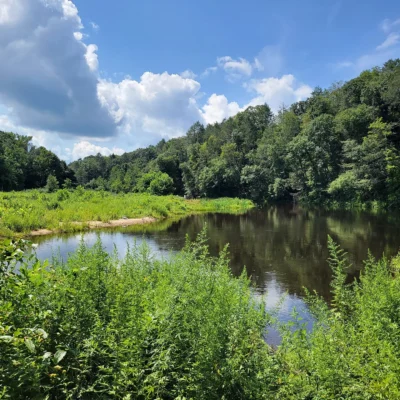
Meadow Brook Wildlife Management Area protects riparian wetland and meadow habitat along a meandering brook in Connecticut. These small, connected wetland areas are critical wildlife corridors that allow animals to move between larger habitat patches in Connecticut’s fragmented landscape.
Visitor Information
| Detail | Information |
|---|---|
| Location | Connecticut |
| Entry Fee | Free |
| Habitat | Riparian meadow, brook corridor |
About Meadow Brook WMA
Meadow Brook Wildlife Management Area protects a stream corridor and surrounding wetlands in Connecticut. The brook and its associated marshes provide habitat for waterfowl, wood ducks, and diverse amphibian species that depend on clean headwater streams.
Meadow Brook Wildlife Management Area in Hartford County preserves wetland and meadow habitat in the Central Connecticut lowlands. The area provides critical wildlife habitat in one of the most densely developed corridors in New England — the I-91/I-84 intersection zone. Urban and suburban WMAs like Meadow Brook serve as wildlife refugia in the fragmented landscape of southern New England.
Things to Do
Hunting (seasonal), birdwatching along the stream corridor, fishing for brook trout, and wildlife observation in the wetland-forest transition zone.
Birdwatching for wetland and meadow species, hunting (seasonal), wildlife observation, hiking, and appreciating preserved natural habitat in Connecticut’s most urbanized corridor.
Frequently Asked Questions
Do I need a permit to visit?
Connecticut Wildlife Management Areas are open to the public for hiking, birdwatching, and nature study without a permit. Hunting and fishing require valid Connecticut licenses and stamps. WMAs may be closed during certain hunting seasons — check the CT DEEP website for current access restrictions.
Are dogs allowed?
Dogs are permitted but must be kept under control at all times. During bird nesting season (April through July), dogs should be leashed to protect ground-nesting species. Hunting dogs are allowed during designated hunting seasons with appropriate permits.
What kind of meadow habitat does this WMA protect?
Meadow Brook WMA maintains open grassland and shrubland habitat through active management — mowing and controlled burns prevent forest succession. These managed meadows support declining species like bobolinks, meadowlarks, and field sparrows that need open habitats.
When should I visit for the best wildflowers?
Late June through July brings the peak wildflower display in managed meadows — black-eyed Susans, milkweed (critical for monarch butterflies), and New England aster. Goldenrod blooms in August-September and supports fall migrating monarchs.
Wildlife & Nature
Meadow Brook WMA provides riparian and wetland habitat managed for waterfowl and wading birds. Wet meadows — grasslands with high water tables that flood seasonally — support a unique community of grasses, sedges, and wildflowers. These habitats are magnets for migrating shorebirds during late summer and fall — yellowlegs, sandpipers, and plovers probe the muddy edges for invertebrates. Virginia rails and soras — secretive marsh birds more often heard than seen — nest in the dense cattail stands. Their calls are distinctive — the rail’s “kidick-kidick” and the sora’s descending whinny. Mink patrol the stream banks, their dark, sleek fur barely visible as they slip through the vegetation hunting crayfish and frogs.
Nearby Attractions
The area provides access to Connecticut’s rich cultural and natural heritage. Connecticut River Museum in Essex chronicles New England’s longest river. Essex Steam Train & Riverboat offers heritage rail and cruise experiences. Old Lyme — birthplace of American Impressionism — has the Florence Griswold Museum in the boarding house where artists created their masterpieces. Rocky Neck State Park offers excellent Long Island Sound swimming. Old Saybrook was one of Connecticut’s original settlements and home to Katharine Hepburn — the Kate cultural center honors her legacy.
Keep exploring: The closest neighbors are Osbornedale State Park (a short drive away) and Lamentation Mountain State Park (a short drive away).

🐾 Dogs & Pets at Meadow Brook Wildlife Management Area
- Pets allowed? statewide rule
- Pets on a leash are permitted in most Connecticut state parks and forests, but not in buildings, swimming areas or state park campgrounds.
- Leash rule statewide rule
- Pets must be leashed and under control at all times; in state forest camping areas the leash may be no longer than 7 feet.
- Beaches & swim areas statewide rule
- Pets are prohibited in swimming areas; Sherwood Island and Squantz Pond State Parks ban pets entirely April 15 - September 30.
- Cabins & lodging statewide rule
- Pets are banned from all state park campgrounds; they are allowed only in the American Legion, Pachaug and Salt Rock state forest campgrounds, but not on rustic cabin sites.
- Statewide exceptions statewide rule
- Pets prohibited year-round at Dinosaur State Park and in the formal gardens and beach at Harkness Memorial State Park.
Are dogs allowed at Meadow Brook Wildlife Management Area?
Pets on a leash are permitted in most Connecticut state parks and forests, but not in buildings, swimming areas or state park campgrounds. Individual parks can post stricter rules — check signage on arrival.
Rules verified July 2026 via portal.ct.gov. More: Connecticut state parks guide · Dog rules in all 50 states compared
Park Location
Plan your gear for Meadow Brook Wildlife Management Area
From our editorial guides, matched to this park’s activities:


Top Tours & Activities Near Hartford
 from $143
 from $79
 from $20