

🌤 Weather at East Swamp Wildlife Management Area by season
| Spring | Summer | Fall | Winter |
|---|---|---|---|
| 30–71 °F | 60–85 °F | 35–76 °F | 20–42 °F |
Each range runs from the coldest monthly average low to the warmest monthly average high in that season (1991-2020 climate normals), measured at Hartford Brainard Field, 6 mi away, elevation 19 ft. Conditions at the park can differ from the station, especially where elevation differs — check a forecast before you go.

🏆 Freshwater Swamp — Forested swamp habitat in central Connecticut
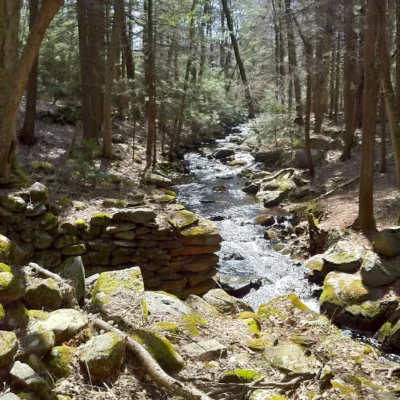
East Swamp Wildlife Management Area protects freshwater forested swamp in central Connecticut. Red maple swamps like this are the most common wetland type in Connecticut but face continued pressure from development. The swamp provides breeding habitat for wood frogs, spring peepers, and spotted turtles — one of New England’s rarest reptiles.
Visitor Information
| Detail | Information |
|---|---|
| Location | Central CT |
| Entry Fee | Free |
| Wildlife | Spotted turtle (rare!), wood frog |
Frequently Asked Questions
What is a spotted turtle?
Spotted turtles are small turtles with yellow polka dots on their dark shells. They’re declining across New England due to habitat loss and collection — a species of special concern in Connecticut.
What amphibians live in Connecticut wetlands?
Connecticut wetlands support diverse amphibian communities including wood frogs, spring peepers, spotted salamanders, red-backed salamanders, and American toads. Vernal pools — seasonal wetlands that dry up in summer — are critical breeding habitat for several species. Spring nighttime visits during rain events offer the best viewing.
Keep exploring: The closest neighbors are Rocky Hill Dinosaur Track (a short drive away) and Dinosaur State Park (a short drive away).
About East Swamp
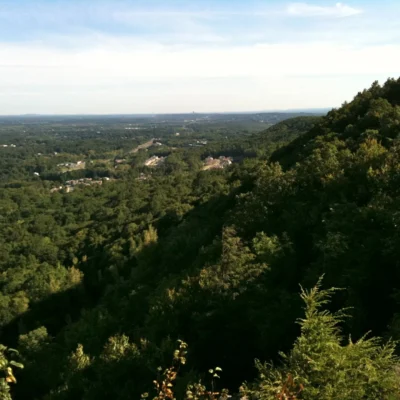
East Swamp Wildlife Management Area in Glastonbury protects a large forested swamp and surrounding uplands in the hills east of the Connecticut River. The swamp provides critical wetland habitat in a region where development pressure is high. Red maples, whose brilliant fall color earned them the nickname “swamp maples,” dominate the canopy.
East Swamp Wildlife Management Area in Tolland County protects forested wetland in northeastern Connecticut’s “Quiet Corner” — the state’s least-developed and most rural region. The swamp supports diverse amphibian populations including spotted salamanders, wood frogs, and spring peepers — whose deafening chorus in March is New England’s true announcement of spring.
Things to Do
Hunting (deer, turkey, small game), birdwatching in the swamp and upland forest, wildlife observation, and fall foliage viewing — the red maple swamp is spectacular in October.
Listening for spring peeper chorus (March-April — an unforgettable natural soundscape), vernal pool observation for salamanders and frogs, hunting (seasonal), birdwatching, and exploring Connecticut’s quiet rural northeast.
Insider Tips
Wetland preserve: East Swamp WMA protects a significant freshwater wetland complex in eastern Connecticut. Pro tip: Excellent for observing amphibian breeding — wood frogs, spring peepers, and spotted salamanders are active in early spring. Birding: Breeding warblers and marsh birds in summer.
Best Time to Visit
Spring: Amphibian breeding season (March-April). Summer: Breeding bird surveys. Fall: Waterfowl staging. Winter: Tracking wildlife in snow.

🐾 Dogs & Pets at East Swamp Wildlife Management Area
- Pets allowed? statewide rule
- Pets on a leash are permitted in most Connecticut state parks and forests, but not in buildings, swimming areas or state park campgrounds.
- Leash rule statewide rule
- Pets must be leashed and under control at all times; in state forest camping areas the leash may be no longer than 7 feet.
- Beaches & swim areas statewide rule
- Pets are prohibited in swimming areas; Sherwood Island and Squantz Pond State Parks ban pets entirely April 15 - September 30.
- Cabins & lodging statewide rule
- Pets are banned from all state park campgrounds; they are allowed only in the American Legion, Pachaug and Salt Rock state forest campgrounds, but not on rustic cabin sites.
- Statewide exceptions statewide rule
- Pets prohibited year-round at Dinosaur State Park and in the formal gardens and beach at Harkness Memorial State Park.
Are dogs allowed at East Swamp Wildlife Management Area?
Pets on a leash are permitted in most Connecticut state parks and forests, but not in buildings, swimming areas or state park campgrounds. Individual parks can post stricter rules — check signage on arrival.
Rules verified July 2026 via portal.ct.gov. More: Connecticut state parks guide · Dog rules in all 50 states compared
Park Location

Top Tours & Activities Near Hartford
 from $143
 from $79
 from $20