
🌤 Weather at James V. Spignesi Wildlife Management Area by season
| Spring | Summer | Fall | Winter |
|---|---|---|---|
| 28–70 °F | 57–84 °F | 32–75 °F | 19–42 °F |
Each range runs from the coldest monthly average low to the warmest monthly average high in that season (1991-2020 climate normals), measured at Meriden Markham Municipal Airport, 3 mi away, elevation 103 ft. Conditions at the park can differ from the station, especially where elevation differs — check a forecast before you go.

🏆 Woodland Habitat
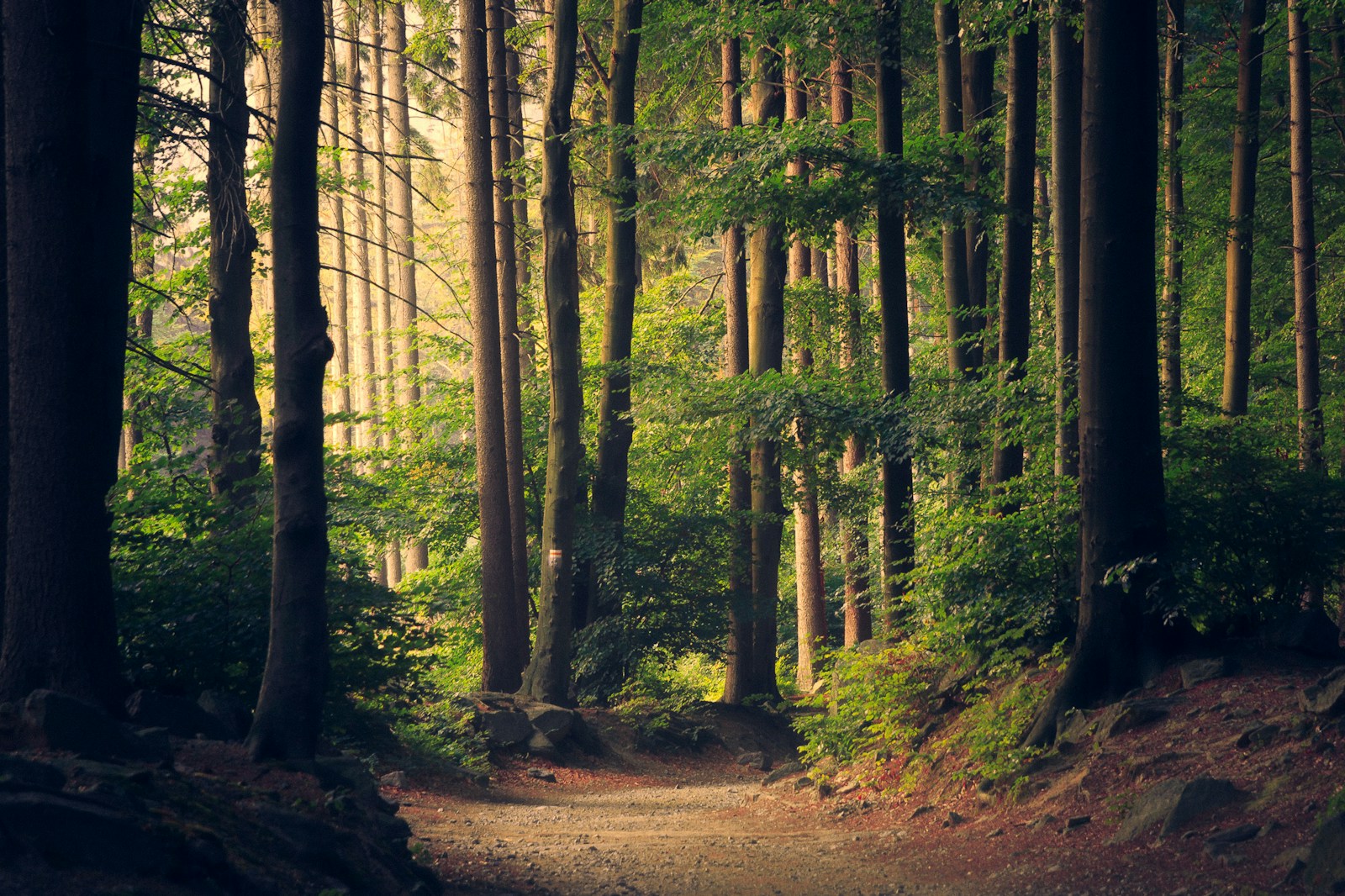
James V. Spignesi Wildlife Management Area provides upland forest habitat for hunting and wildlife observation. The mixed hardwood forest supports white-tailed deer, wild turkey, and ruffed grouse — the latter being one of Connecticut’s most prized game birds, distinguished by its explosive flush when startled.
Visitor Information
| Detail | Information |
|---|---|
| Location | CT |
| Entry Fee | Free |
| Feature | Oak-hickory forest |
| Wildlife | Ruffed grouse, deer, turkey |
About Spignesi WMA
James V. Spignesi Wildlife Management Area in East Hampton protects forest and wetland habitat in the Connecticut River hills. The area is named for a Connecticut conservation officer and provides hunting grounds and wildlife viewing in the forested hills between the Connecticut River and the Salmon River.
James V. Spignesi Wildlife Management Area in East Hampton provides upland habitat in the Connecticut River Valley. The area honors a dedicated local conservationist and provides critical habitat connectivity in the densely populated Interstate 91 corridor — where preserved wildlife lands serve as green stepping stones for animals moving through the suburban landscape.
Things to Do
Hunting (deer, turkey, small game), hiking through mixed hardwood forest, wildlife observation, and birdwatching. The nearby Salmon River State Forest and Day Pond State Park offer extended hiking opportunities.
Hunting (deer, turkey, small game — seasonal), hiking, birdwatching for forest and edge species, and enjoying preserved natural habitat in the Connecticut River Valley.
Frequently Asked Questions
Do I need a permit to visit?
Connecticut Wildlife Management Areas are open to the public for hiking, birdwatching, and nature study without a permit. Hunting and fishing require valid Connecticut licenses and stamps. WMAs may be closed during certain hunting seasons — check the CT DEEP website for current access restrictions.
Are dogs allowed?
Dogs are permitted but must be kept under control at all times. During bird nesting season (April through July), dogs should be leashed to protect ground-nesting species. Hunting dogs are allowed during designated hunting seasons with appropriate permits.
What wildlife can I expect to see?
The WMA supports white-tailed deer, wild turkeys, red foxes, and diverse songbirds. Look for great horned owls at dusk, red-tailed hawks soaring over fields, and woodpeckers (including the impressive pileated woodpecker) in the forest sections.
Is the area good for mushroom foraging?
Connecticut’s mixed hardwood forests produce excellent mushroom diversity — chanterelles, chicken-of-the-woods, and hen-of-the-woods are found in season. However, always forage with expert guidance, as toxic look-alikes exist. Commercial harvesting is not permitted on state land.
Wildlife & Nature
Spignesi WMA provides managed habitat focused on early successional growth — young forest and dense shrubland that supports declining species. Connecticut’s landscape was once maintained in a mosaic of habitats by natural forces — storms, fire, and beaver activity created young forest patches essential for certain wildlife. American woodcock — known for their spectacular “sky dance” courtship display at dusk — depend on young forest for feeding and nesting. The males spiral high into the air, their wing feathers producing a twittering sound, before plummeting back to earth. Ruffed grouse drum from fallen logs to establish territories — a sound like a distant motor starting. These species have declined 60-70% as New England’s abandoned farmland matured into closed-canopy forest.
Nearby Attractions
Meshomasic State Forest — established in 1903 as Connecticut’s first state forest — pioneered the state’s forest conservation movement. Portland Brownstone Quarries now host Brownstone Exploration & Discovery Park with cliff jumping, zip lines, and kayaking. Hurd State Park offers dramatic Connecticut River cliff-top views from Split Rock. Comstock Covered Bridge in East Hampton is one of Connecticut’s last covered bridges. East Hampton’s village center has a traditional New England character with locally-owned shops and restaurants.
Nearby state parks: If you have extra time, Black Pond Wildlife Management Area is a short drive away, and Lamentation Mountain State Park is a short drive away.

🐾 Dogs & Pets at James V. Spignesi Wildlife Management Area
- Pets allowed? statewide rule
- Pets on a leash are permitted in most Connecticut state parks and forests, but not in buildings, swimming areas or state park campgrounds.
- Leash rule statewide rule
- Pets must be leashed and under control at all times; in state forest camping areas the leash may be no longer than 7 feet.
- Beaches & swim areas statewide rule
- Pets are prohibited in swimming areas; Sherwood Island and Squantz Pond State Parks ban pets entirely April 15 - September 30.
- Cabins & lodging statewide rule
- Pets are banned from all state park campgrounds; they are allowed only in the American Legion, Pachaug and Salt Rock state forest campgrounds, but not on rustic cabin sites.
- Statewide exceptions statewide rule
- Pets prohibited year-round at Dinosaur State Park and in the formal gardens and beach at Harkness Memorial State Park.
Are dogs allowed at James V. Spignesi Wildlife Management Area?
Pets on a leash are permitted in most Connecticut state parks and forests, but not in buildings, swimming areas or state park campgrounds. Individual parks can post stricter rules — check signage on arrival.
Rules verified July 2026 via portal.ct.gov. More: Connecticut state parks guide · Dog rules in all 50 states compared
Park Location
Plan your gear for James V. Spignesi Wildlife Management Area
From our editorial guides, matched to this park’s activities:
Top Tours & Activities Near Connecticut
 from $100
 from $28from $75