🌤 Weather at Fort Custer State Recreation Area by season
| Spring | Summer | Fall | Winter |
|---|---|---|---|
| 27–72 °F | 57–83 °F | 32–74 °F | 17–37 °F |
Each range runs from the coldest monthly average low to the warmest monthly average high in that season (1991-2020 climate normals), measured at Battle Creek 5NW, 4 mi away, elevation 923 ft. Conditions at the park can differ from the station, especially where elevation differs — check a forecast before you go.

Overview: From Military Training Ground to Trail Running Mecca
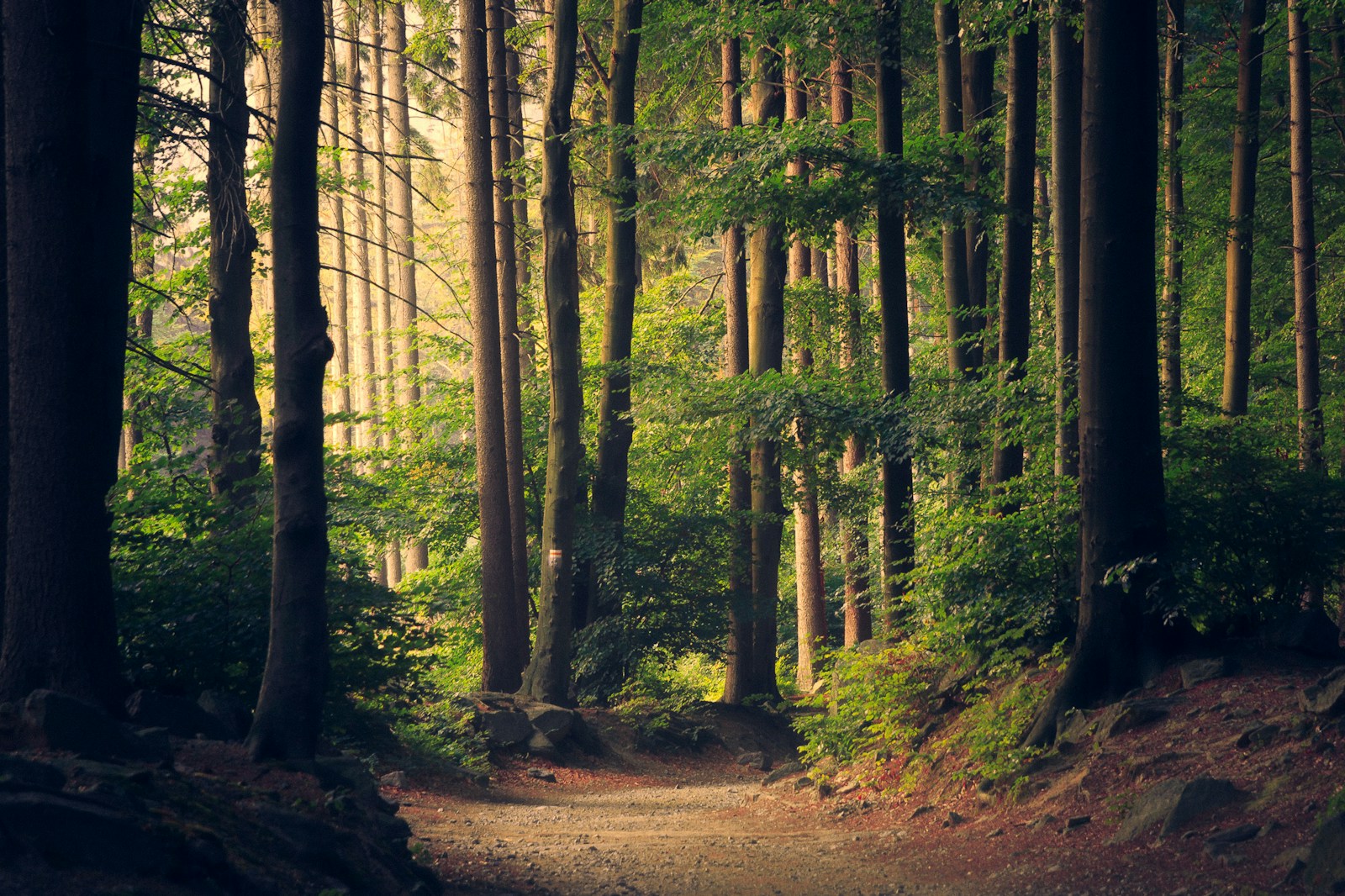
Occupying 3,033 acres of rolling, oak-hickory forest and remnant prairie between Battle Creek and Kalamazoo in southwestern Michigan, Fort Custer State Recreation Area has transformed from a World War-era military training installation into one of the most celebrated trail destinations in the state. The park’s extensive network of over 40 miles of multi-use trails—threading through a rugged landscape of steep ravines, dense forests, open meadows, and winding lakeshores—has earned it a devoted following among mountain bikers, trail runners, equestrians, and endurance athletes who consider it one of the finest singletrack experiences in the Midwest.
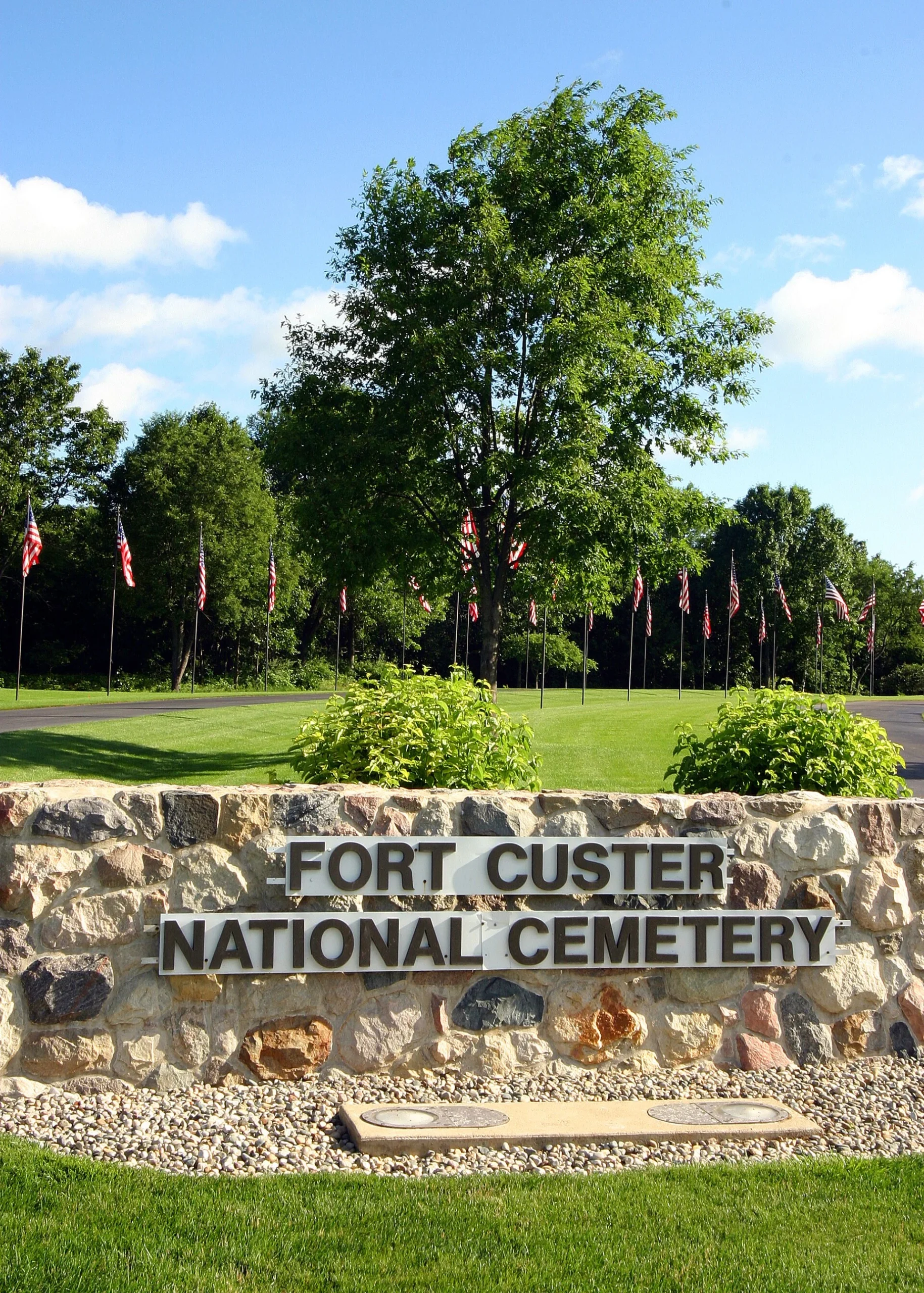
The park’s military heritage adds a distinctive layer of character. Originally acquired by the federal government in 1917 as Camp Custer—an induction and training center that processed tens of thousands of soldiers during both World Wars—the land was transferred to the State of Michigan in 1971 under the “Legacy of Parks” program. Despite the name, Fort Custer was never an actual military fort; it was a training camp named in honor of General George Armstrong Custer, who grew up in nearby Monroe, Michigan.
The Trail Network: 40+ Miles of Pure Singletrack
Fort Custer’s trail system is the park’s defining attraction—the reason riders and runners drive past dozens of closer parks to reach this particular property.
Mountain Biking Trails
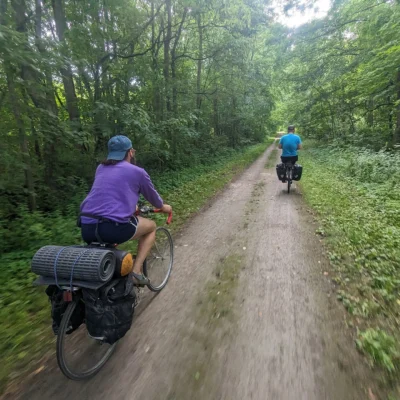
The mountain bike network is organized into color-coded loops of increasing difficulty.
- Green Loop: The most accessible loop, featuring flowing singletrack through open forest with moderate elevation changes. Suitable for strong beginners and intermediate riders seeking a confidence-building ride.
- Blue Loop: Intermediate-level trails with more significant climbs, tighter turns, and technical root and rock sections. The blue trails are the park’s bread-and-butter riding experience.
- Red Loop: The most technically demanding trails, featuring steep ravine descents, sustained climbs, and narrow, exposed singletrack that demands advanced bike-handling skills. The red trails are where Fort Custer earns its reputation among serious riders.
The trail system’s design exploits the park’s glacial terrain brilliantly, using the natural ravines, ridgelines, and drainage patterns to create a flowing, varied ride that never feels repetitive despite the relatively modest acreage. The trails are maintained through an active partnership between the DNR and dedicated volunteer trail organizations.
Equestrian Trails
A separate equestrian trail system, supported by a dedicated equestrian campground, provides approximately 20 miles of riding through the park’s forests and meadows. Equestrian trails are clearly separated from the mountain bike network to prevent user conflicts.
Hiking
All trails are open to hikers, though the mountain bike trails can see high-speed traffic during peak riding periods. The equestrian trails and lakeside paths typically offer a quieter walking experience.
The Remnant Prairie
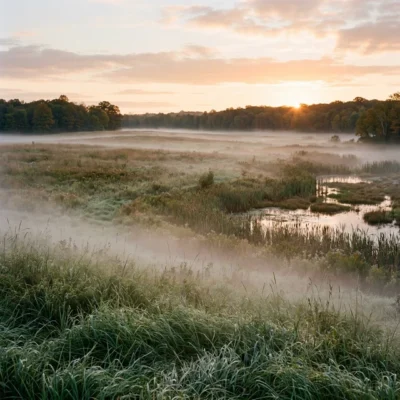
One of Fort Custer’s most ecologically significant features is its remnant prairie habitat—scattered patches of native grassland that survived the park’s military era and now represent some of the rarest plant communities in southwestern Michigan. These prairies support wildflower species including blazing star, big bluestem, and various native asters that have been eliminated from nearly all of the surrounding agricultural landscape. The Michigan DNR manages these prairie remnants through periodic prescribed burns, mimicking the natural fire regime that historically maintained grassland ecosystems in this region.
The Lakes
- Eagle Lake: The park’s primary recreation lake, featuring a swimming beach, boat launch, and fishing opportunities for bass and panfish.
- Jackson Lake: A quieter lake with carry-in boat access, better suited for kayaking, canoeing, and shore fishing.
- Whitford-Lawler Lake: The most secluded of the park’s water bodies, accessible primarily by trail and offering excellent wildlife viewing along its marshy margins.
The Kalamazoo River
The Kalamazoo River borders the park’s southern edge, providing additional fishing, paddling, and wildlife viewing opportunities. A group-use camping area is situated along the river, offering a unique riverside camping experience. The river section here is generally calm and suitable for kayaking and canoeing.
Camping Options
- Modern Campground: Standard sites with amenities for tents, pop-ups, and RVs.
- Equestrian Campground: Rustic sites with horse tie-outs and direct trail access.
- Group Campgrounds: Whitford Lake and Kalamazoo River group-use areas for larger parties.
- Cabins: Rustic cabins including trailside and riverside options for visitors preferring sheltered accommodations.
Dog Sledding and Mushing
One of Fort Custer’s most unusual recreational offerings is its designation as one of the few Michigan state parks that permits dog sledding and mushing during winter months. The park’s wide, rolling trails provide excellent terrain for recreational mushers, and the activity has developed a small but dedicated following among southwestern Michigan’s dog sledding community.
Seasonal Guide
Spring (April–May)
Wildflowers emerge in the forest and prairie areas. Mountain bike trails may have temporary closures during wet conditions. Spring turkey hunting is popular in designated areas.
Summer (June–August)
Peak trail season. Mountain biking, swimming at Eagle Lake, and camping are at their busiest. Early morning and evening rides avoid the heat and crowds.
Autumn (September–October)
The oak-hickory forests produce rich, warm fall color. Mountain biking through the autumn canopy is exceptional. Trail running events may be scheduled. Hunting seasons begin.
Winter (December–March)
Cross-country skiing and snowshoeing. Fat-tire biking when conditions permit. Dog sledding and mushing on designated trails. Ice fishing on Eagle Lake.
Frequently Asked Questions
Was Fort Custer an actual military fort? No. The site was Camp Custer, a military induction and training center established in 1917. It processed soldiers during both World Wars but was never a fortified military installation. It was named after General George Armstrong Custer.
How difficult are the mountain bike trails? The trail system ranges from beginner-friendly (Green Loop) through intermediate (Blue) to advanced (Red). The terrain is genuinely challenging, with significant elevation changes and technical features. Fort Custer is considered one of the best mountain biking destinations in southwestern Michigan.
Can I go dog sledding at Fort Custer? Yes. Fort Custer is one of the few Michigan state parks that permits recreational dog sledding and mushing during winter months on designated trails.
Are there prairie wildflowers in the park? Yes. Fort Custer contains remnant prairie habitat with native wildflower species including blazing star and big bluestem. These areas are managed through periodic prescribed burns.
Is the Kalamazoo River safe for paddling? The river section along the park’s southern boundary is generally calm and suitable for kayaking and canoeing. Check current water quality advisories before prolonged contact.
Nearby parks: If you have extra time, Yankee Springs State Recreation Area is within about an hour’s drive, and Coldwater Lake State Park is elsewhere in the state.
Camping reservations: Book campsites and cabins for Michigan state parks online at midnrreservations.com.

🐾 Dogs & Pets at Fort Custer State Recreation Area
- Pets allowed? statewide rule
- Pets are welcome in Michigan state parks, campgrounds, harbors and state-designated trails, except designated swim beaches and other posted areas.
- Leash rule statewide rule
- Pets must always be on a 6-foot leash and under the owner's immediate control.
- Beaches & swim areas statewide rule
- Pets are prohibited in buoyed swim areas but allowed along the shoreline outside them (on a 6-ft leash, even in the water); 50+ parks have pet-friendly shoreline or designated dog beaches.
- Cabins & lodging statewide rule
- Up to two pets (cats and dogs only) allowed at ~12 parks' designated pet-friendly cabins, yurts and lodges; $10 per night per pet (cabins) or $15 (lodges); otherwise pets barred from overnight lodging.
- Pet fees statewide rule
- No day-use pet fee; pet-friendly lodging costs $10/night per pet (cabins) or $15/night per pet (lodges).
- Statewide exceptions statewide rule
- Leash laws do not apply to dogs used for hunting on land open to such use; pets may not be left unattended.
Are dogs allowed at Fort Custer State Recreation Area?
Pets are welcome in Michigan state parks, campgrounds, harbors and state-designated trails, except designated swim beaches and other posted areas. Individual parks can post stricter rules — check signage on arrival.
Rules verified July 2026 via michigan.gov. More: Michigan state parks guide · Dog rules in all 50 states compared
Park Location
Plan your gear for Fort Custer State Recreation Area
From our editorial guides, matched to this park’s activities:
Top Tours & Activities Near Kalamazoo
 from $15
 from $23
 from $23