

Mississippi’s Hidden Gem — Golden Memorial State Park, 15-Acre Spring-Fed Lake, Record Loblolly Pine, Historic One-Room Schoolhouse Site, Leake County Near Walnut Grove
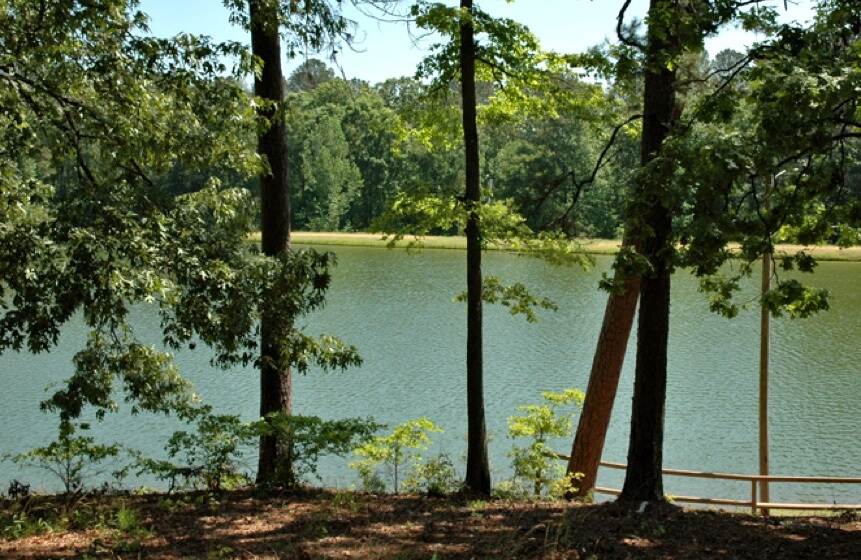
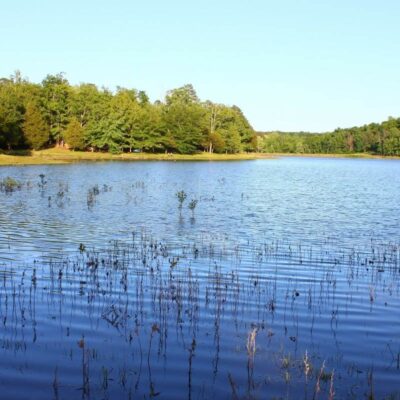
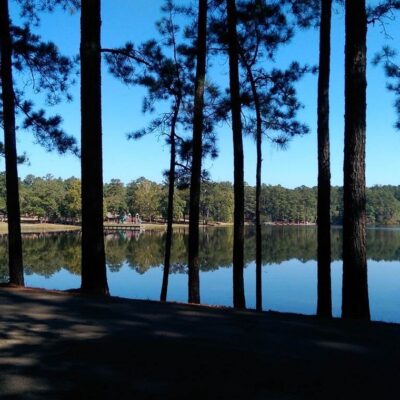
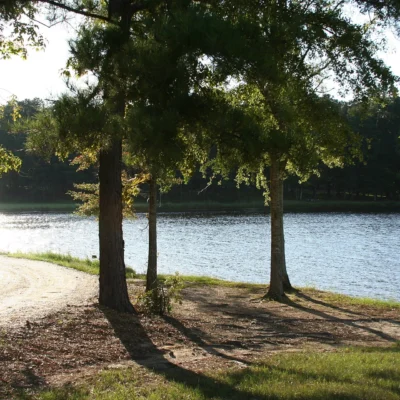
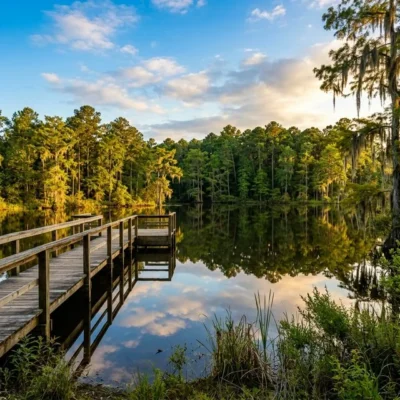
Golden Memorial State Park is a day-use recreation area in Leake County, Mississippi, near Walnut Grove, managed by the Mississippi Department of Wildlife, Fisheries, and Parks (MDWFP). This quiet, off-the-beaten-path park centers on a 15-acre spring-fed lake and is home to the second-largest loblolly pine tree in Mississippi. Features include 15-acre spring-fed fishing lake stocked with bass, bream, and catfish, the Loblolly Trail showcasing Mississippi’s second-largest loblolly pine, site of a historic post-Civil War one-room schoolhouse, two picnic pavilions, playground, and unpaved boat launch, and small boats (14-foot Jon boats or smaller) with trolling motors only.
Spring-Fed Lake
The park’s 15-acre lake is fed by natural springs, keeping the water clear and cool. The lake is regularly stocked and supports excellent fishing for largemouth bass, bluegill bream, and channel catfish. A valid Mississippi fishing license is required for anglers ages 16–65. Swimming and skiing are prohibited.
The Loblolly Trail
The park’s nature trail leads to the second-largest loblolly pine in Mississippi — a towering specimen that has been recognized by state forestry officials. The trail also passes the site of a post-Civil War one-room schoolhouse, offering a glimpse into Reconstruction-era rural Mississippi.
Frequently Asked Questions
Is camping available?
Golden Memorial is primarily a day-use facility, though limited overnight camping may be available. Contact Roosevelt State Park for current information.
What boats are allowed?
Small boats only — 14-foot Jon boats or smaller, with trolling motors or no motors. An unpaved boat launch is available at no charge.
Insider Tips
Rural Mississippi: Golden Memorial represents rural Mississippi — where small communities preserve traditions dating to the antebellum era. Pro tip: Mississippi’s literary tradition is extraordinary — William Faulkner, Eudora Welty, Richard Wright, and Tennessee Williams all called Mississippi home. Civil Rights: Mississippi was the epicenter of the civil rights movement — the 1964 Freedom Summer murders in Neshoba County shocked the nation.
Frequently Asked Questions
What happened during Freedom Summer?
In summer 1964, hundreds of volunteers went to Mississippi to register Black voters — facing organized violence. On June 21, civil rights workers James Chaney, Andrew Goodman, and Michael Schwerner were murdered by KKK members including local law enforcement in Neshoba County. The murders and the investigation that followed helped pass the Civil Rights Act (1964) and Voting Rights Act (1965) — transforming American law and society forever.
Make it a road trip: Pair a visit with Roosevelt State Park (within about an hour’s drive) or Holmes County State Park (within about an hour’s drive).

🐾 Dogs & Pets at Golden Memorial State Park
- Pets allowed? statewide rule
- Pets are allowed in designated areas of Mississippi state parks only and must be restrained on a leash.
- Leash rule statewide rule
- Adequate leash not more than six feet long required.
- Beaches & swim areas statewide rule
- No pets are allowed in or around the swimming pool areas or lake beach areas.
- Cabins & lodging statewide rule
- Pets are forbidden in and around the overnight lodging areas (cabins, cottages, motels, villas) — no pet-friendly cabin program.
- Statewide exceptions statewide rule
- Pets that disturb guests will be removed from the park; pets may not be left unattended.
Are dogs allowed at Golden Memorial State Park?
Pets are allowed in designated areas of Mississippi state parks only and must be restrained on a leash. Individual parks can post stricter rules — check signage on arrival.
Rules verified July 2026 via mdwfp.com. More: Mississippi state parks guide · Dog rules in all 50 states compared
Park Location
Plan your gear for Golden Memorial State Park
From our editorial guides, matched to this park’s activities:

Top Tours & Activities Near Mississippi
 from $95
 from $300
 from $325