
🌤 Weather at Great Council State Park by season
| Spring | Summer | Fall | Winter |
|---|---|---|---|
| 34–73 °F | 62–83 °F | 36–77 °F | 23–42 °F |
Each range runs from the coldest monthly average low to the warmest monthly average high in that season (1991-2020 climate normals), measured at Xenia 6 SSE, 9 mi away, elevation 997 ft. Conditions at the park can differ from the station, especially where elevation differs — check a forecast before you go.

🏛️ Ohio’s Newest State Park — Where Tecumseh Was Born — Ohio’s 76th state park (opened June 2024), a 12,000-square-foot Shawnee longhouse interpretive center on the site of Old Chillicothe, the village where Tecumseh was raised, Daniel Boone was held captive, and the Great Council of the Shawnee shaped the fate of a continent
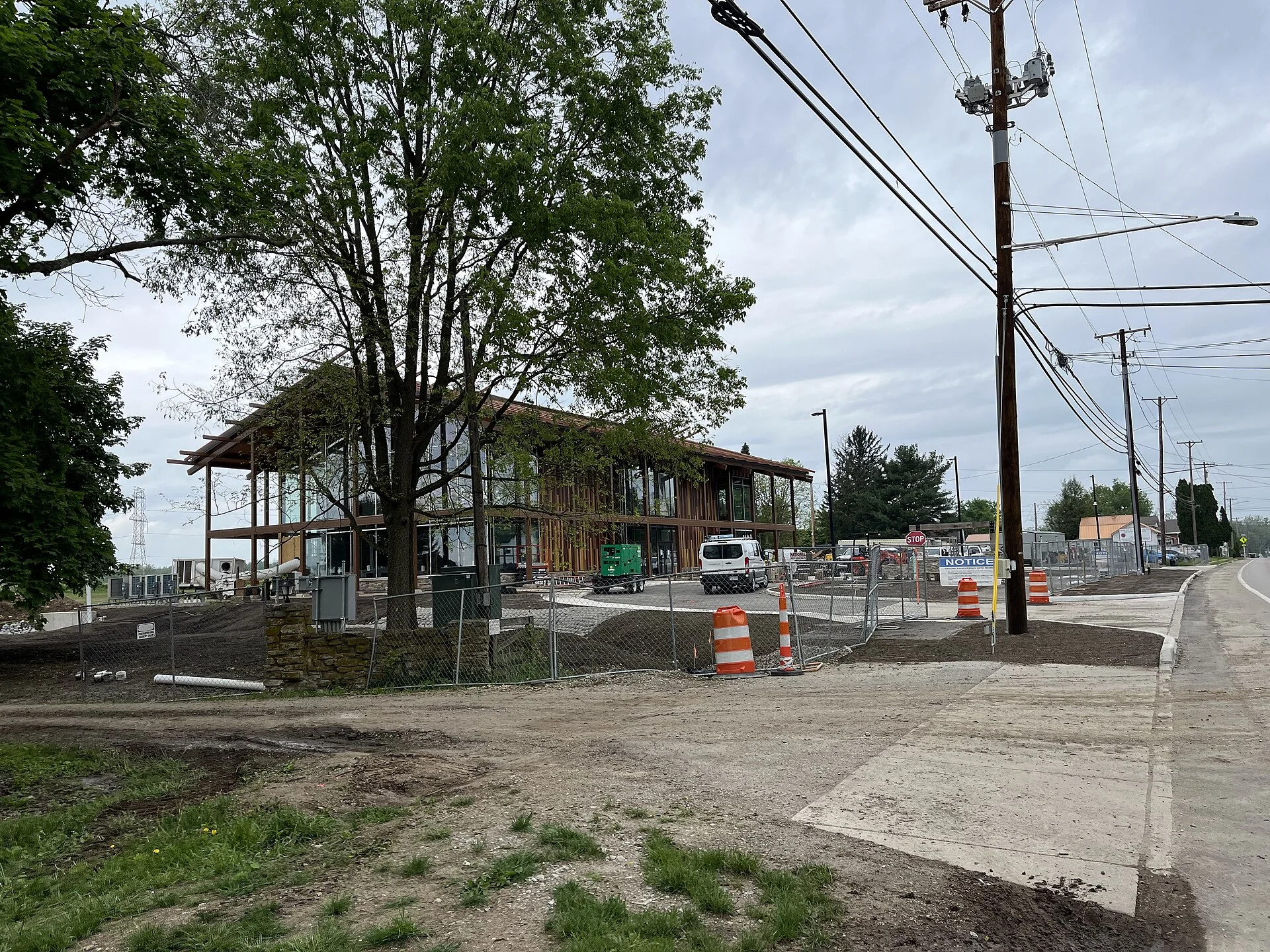
On a gentle rise above the Little Miami River in Greene County, Ohio — about 20 miles east of Dayton — a building shaped like a traditional Shawnee longhouse marks one of the most historically significant pieces of ground in North America. This is Great Council State Park, Ohio’s 76th and newest state park, which opened in June 2024 on the site of Old Chillicothe — the principal village of the Chalahgawtha division of the Shawnee people. In the late 18th century, Old Chillicothe was the political and spiritual capital of the Shawnee Nation: the place where the Great Council met, where Tecumseh came of age, where the war chief Blue Jacket led the confederacy’s resistance to American expansion, and where Daniel Boone was held captive for four months in 1778 after his capture at the Licks in Kentucky.
The park is unlike any other state park in America. There are no campgrounds, no swimming beaches, no boat ramps. Instead, Great Council State Park is a place of memory, education, and reconciliation — a 14-acre sacred site developed in direct collaboration with the three federally recognized Shawnee tribes: the Shawnee Tribe, the Eastern Shawnee Tribe of Oklahoma, and the Absentee Shawnee Tribe. For the first time in Ohio history, a state park tells the story of the Shawnee people from the Shawnee perspective — not through the lens of European conquest, but through the voices of the people who lived here, governed here, and were ultimately forced from this land by the expanding American republic.
The Interpretive Center
The centerpiece of the park is a stunning 12,000-square-foot interpretive center designed to evoke a traditional Shawnee longhouse. The building sits on the landscape with quiet authority — long, low, and timber-framed, reflecting the architecture of the community it honors. Inside, three floors of immersive, interactive exhibits tell the story of Old Chillicothe and the Shawnee people in their own words.
| Feature | Details |
|---|---|
| Building | 12,000 sq ft interpretive center, longhouse design |
| Floors | 3 levels of exhibits and galleries |
| Film | Short film featuring modern Shawnee voices |
| Living Stream | Centerpiece aquarium with native Ohio fish species |
| Wiikiwa | Walk-in traditional Shawnee dome dwelling replica |
| Gallery | Rotating exhibits on Shawnee art and modern culture |
| Gift Shop | Shawnee artisan works and educational materials |
| Guided Tours | Free 1-hour tours available (call ahead for accessibility) |
Key Exhibits
The interpretive center weaves together multiple narrative threads — the founding of Old Chillicothe in the 1770s, the daily life of a thriving Shawnee community, the diplomatic councils that shaped Native American resistance to colonial expansion, and the forced removal that scattered the Shawnee across Oklahoma. Specific highlights include:
- Chief Blackfish and Old Chillicothe: The village was led by Chief Blackfish (Chiungalla), who governed one of the most important towns in the Shawnee homeland. The exhibit details the social structure, governance, and daily rhythms of the village.
- Daniel Boone at Old Chillicothe: In February 1778, Daniel Boone was captured by a Shawnee war party at the Lower Blue Licks in Kentucky. He was brought to Old Chillicothe, where Chief Blackfish adopted him as a son — naming him Sheltowee (“Big Turtle”). Boone lived in the village for four months before escaping to warn Boonesborough of an impending attack. The exhibit presents this story from both perspectives.
- Tecumseh’s Legacy: Tecumseh, born around 1768 at a nearby village and raised in the world centered on Old Chillicothe, would become one of the most respected Native American leaders in history. His vision of a pan-tribal confederacy to resist American expansion — and his death at the Battle of the Thames in 1813 — is one of the defining stories of American history.
- Blue Jacket: The Shawnee war chief who led the Western Confederacy at the Battle of Fallen Timbers in 1794. Historical exhibits at the park address and correct the long-standing myth that Blue Jacket was a white man — modern DNA analysis has confirmed he was fully Shawnee.
The Grounds
| Feature | Details |
|---|---|
| Park Size | 14 acres |
| Trail | Half-mile loop through restored native prairie |
| Overlook | Scenic view of the Little Miami River valley |
| Prairie | Restored native tallgrass prairie and wildflowers |
| Landscape | Gentle hills above the Little Miami River floodplain |
The outdoor trail leads through a restored native plant prairie — the kind of grassland ecosystem that would have surrounded Old Chillicothe in the 18th century. In spring and summer, the prairie comes alive with native wildflowers, grasses, and pollinators. The trail terminates at an overlook above the Little Miami River, offering a view across the valley that Shawnee leaders would have known intimately.
Why This Place Matters
Great Council State Park represents a new model for how American public lands can engage with Indigenous history. The park was not imposed by the state upon a historical site — it was developed through active partnership with the Shawnee people. Members of all three federally recognized Shawnee tribes participated in the design of exhibits, the selection of artifacts, the writing of interpretive text, and the shaping of the narrative. The film shown in the interpretive center features contemporary Shawnee voices — not actors, not historians, but living members of the Shawnee community speaking about their history, their culture, and their ongoing connection to this land.
This collaborative approach is rare in American public memory, and it makes Great Council State Park not just a historical site but a living act of cultural sovereignty — a place where the Shawnee people tell their own story, on their own terms, on the land where their ancestors lived for generations.
Essential Visitor Information
| Detail | Information |
|---|---|
| Address | 1587 US Route 68 North, Xenia, OH 45385 |
| Interpretive Center | Wed–Sun 10 AM – 5 PM (closed Mon–Tue) |
| Park Grounds | Daily 6 AM – 11 PM |
| Admission | FREE |
| Guided Tours | Free, ~1 hour (call ahead for groups) |
| Opened | June 2024 — Ohio’s 76th state park |
Getting There
- From Dayton: 20 miles east via US-35 (~25 minutes)
- From Columbus: 65 miles southwest (~1 hour via I-70 and US-68)
- From Cincinnati: 65 miles northeast (~1 hour 10 minutes)
- From Springfield: 25 miles south (~30 minutes)
Best Time to Visit
| Season | Highlights | Crowd Level |
|---|---|---|
| Spring (Apr-May) | Prairie wildflowers, comfortable walking weather | Low-Moderate |
| Summer (Jun-Aug) | Full interpretive programs, prairie in bloom | Moderate |
| Fall (Sep-Nov) | Golden prairie grasses, ideal hiking, special events | Moderate |
| Winter (Dec-Feb) | Quiet visits, indoor exhibits, minimal crowds | Very Low |
Nearby Attractions
- Little Miami Scenic Trail: 78-mile paved trail — Ohio’s longest, passes near the park
- Clifton Gorge State Nature Preserve: 15 miles — dramatic limestone gorge of the Little Miami River
- John Bryan State Park: 15 miles — camping, hiking, gorge views
- National Museum of the U.S. Air Force: 20 miles (Dayton) — world’s largest military aviation museum, free
- Young’s Jersey Dairy: 12 miles — legendary Ohio farm attraction, ice cream, mini golf
Educational Programs
The park offers specialized educational programming for school groups covering Ohio history standards, including geography, human systems, and the history of Indigenous peoples in the Ohio Country during the 1700s and 1800s. Teachers should contact the park office to arrange group visits and inquire about available curriculum-aligned programs.
Wildlife & Nature
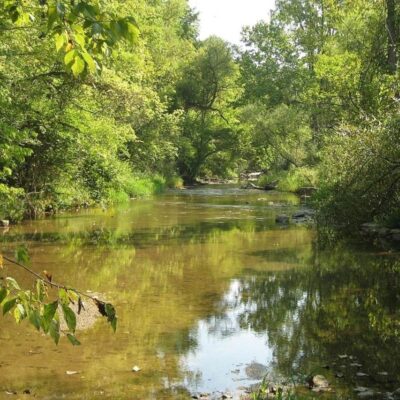
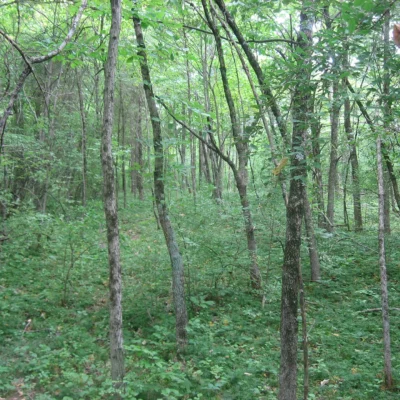
Great Council SP — the site of the 1792-1793 Grand Council at which Native American nations from the Great Lakes to the Gulf gathered to negotiate with the United States. The park’s river, prairie, and forest support white-tailed deer, songbirds, and raptors.
Frequently Asked Questions
Is Great Council State Park free?
Yes! Admission to Great Council State Park is completely free, including the interpretive center, exhibits, film, guided tours, and outdoor trails. The park is Ohio’s 76th state park, opened in June 2024, and follows Ohio’s tradition of free admission to all state parks.
What is the connection between Great Council State Park and Tecumseh?
Great Council State Park is located on the site of Old Chillicothe, the principal village of the Chalahgawtha Shawnee. Tecumseh, born around 1768 at a nearby village, was raised in the world centered on Old Chillicothe. The village served as the political and cultural capital of the Shawnee Nation during this era. Tecumseh would go on to become one of the most important Native American leaders in history, organizing a pan-tribal confederacy to resist American western expansion. The park’s interpretive center features extensive exhibits on Tecumseh and the Shawnee leadership.
Was Daniel Boone really held captive at Old Chillicothe?
Yes. In February 1778, Daniel Boone was captured by a Shawnee war party at the Lower Blue Licks in Kentucky. He was brought to Old Chillicothe — the site of today’s Great Council State Park — where Chief Blackfish adopted him as a son, giving him the Shawnee name Sheltowee (“Big Turtle”). Boone lived in the village for approximately four months before escaping in June 1778 to warn the settlement of Boonesborough of an impending attack. The park’s interpretive center presents this story from both the American and Shawnee perspectives.
Can you camp at Great Council State Park?
No. Great Council State Park is a day-use interpretive site — there are no campgrounds, RV sites, or overnight accommodations. The park focuses exclusively on cultural interpretation and education. For nearby camping, John Bryan State Park (15 miles south) offers campsites in a beautiful setting along the Little Miami River gorge.
Make it a road trip: Pair a visit with Little Miami State Park (a short drive away).

🐾 Dogs & Pets at Great Council State Park
- Pets allowed? statewide rule
- Pets are allowed in Ohio state parks and in all state park campgrounds (maximum two pets per campsite) but must be leashed in public areas.
- Leash rule statewide rule
- Leash not to exceed 6 feet in length, in hand and under control
- Beaches & swim areas statewide rule
- No pets allowed at swimming beaches; some parks have designated dog swim areas and dog parks
- Cabins & lodging statewide rule
- Pet-friendly cabins available at select parks (Buck Creek, Cowan, Dillon, Lake Hope, Mohican, Pike Lake, Pymatuning); maximum two pets per cabin; $10 added fee
- Pet fees statewide rule
- $10 added fee for pet-friendly cabins (charged whether pets come along or not); no pet fee for day use or camping
- Statewide exceptions statewide rule
- Designated leash-free dog exercise areas exist at some parks; no bathing of pets in campground shower houses
Are dogs allowed at Great Council State Park?
Pets are allowed in Ohio state parks and in all state park campgrounds (maximum two pets per campsite) but must be leashed in public areas. Individual parks can post stricter rules — check signage on arrival.
Rules verified July 2026 via ohiodnr.gov. More: Ohio state parks guide · Dog rules in all 50 states compared
Park Map
Plan your gear for Great Council State Park
From our editorial guides, matched to this park’s activities:
Top Tours & Activities Near Columbus
 from $105
 from $105
 from $20