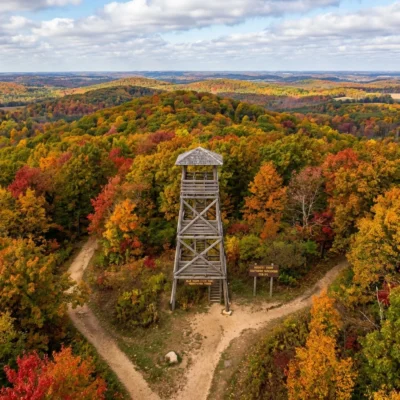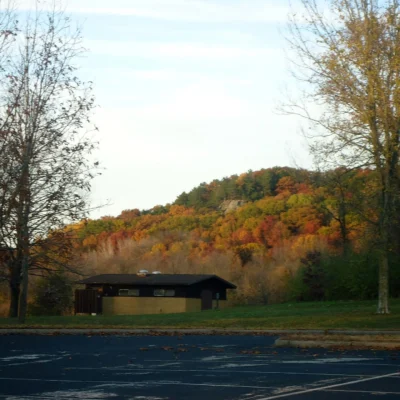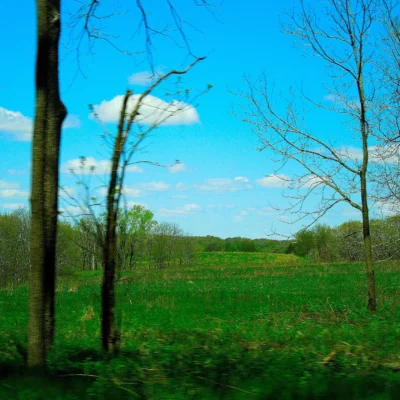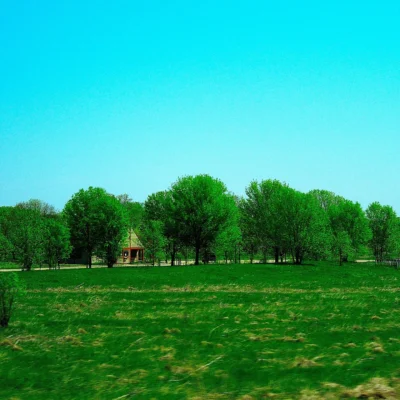

🏆 Natural Bridge State Park — a small, day-use park in Wisconsin’s Baraboo Hills protecting the state’s largest natural sandstone arch — an opening 25 feet high and 35 feet wide — above a rockshelter people used as the glaciers melted, around 11,000 years ago. 530 acres, nearly 4 miles of trails, no water or restrooms, no camping. Vehicle sticker required. Verified with the Wisconsin DNR as of August 2026.
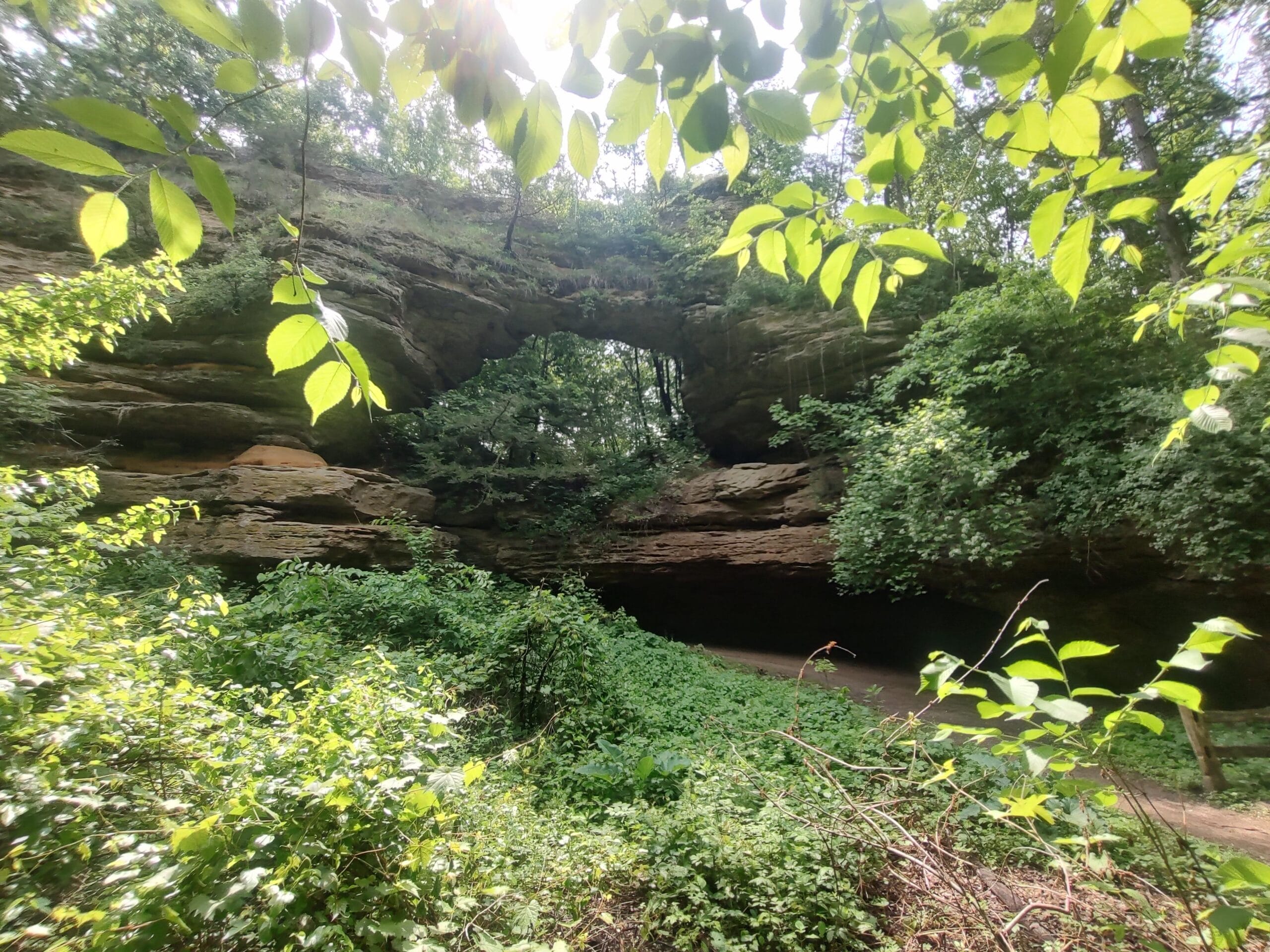
The arch comes into view suddenly on the Indian Moccasin Trail: a ribbon of weathered Cambrian sandstone bent over a hollow in the hillside, ferns hanging from the cliff face, the rockshelter beneath it 60 feet wide and 30 feet deep. Partial excavation of that shelter turned up artifacts from Archaic and earlier inhabitants, with the earliest estimates of human occupation between 9000 and 8000 B.C. — which makes Natural Bridge State Park one of the oldest documented human sites in the upper Midwest. The dig also recovered remains of 15 mollusk species and 50 vertebrate species, among them passenger pigeons, elk, wolves, fishers, marten and mountain lions, a record of what lived in these hills before settlement.
Visitor Information
| Detail | Information |
|---|---|
| Location | Sauk County — from Leland, go east on County C 1 mile to the park entrance |
| Hours | 6 a.m. to 11 p.m. year-round — day use only |
| Admission | Wisconsin state park vehicle admission sticker required: residents $13 daily / $28 annual, non-residents $16 daily / $50 annual (rates effective Aug. 19, 2025); reduced rates for residents 65+ |
| Facilities | None — picnic tables, water and restrooms are not available at the park |
| Phone | 608-356-8301 (managed from Devil’s Lake State Park) · DNR 1-888-936-7463 |
| Official site | Wisconsin DNR — Natural Bridge State Park |
The Natural Bridge and Rockshelter
The arch’s inside opening measures 25 feet wide and 15 feet high, with the top of the bridge 35 feet above ground. The 61-acre core around it was designated the Natural Bridge and Rockshelter State Natural Area in 1973. Climbing on the arch or entering the shelter is prohibited to protect the site — the view from the trail is the whole experience. Look for the cliff community of walking ferns and slender lip ferns on the damp rock, and on the dry ridge tops, small prairie remnants with Indian grass, little bluestem, grama grasses and even cacti.
Trails
| Trail | Length | Route |
|---|---|---|
| Indian Moccasin Trail | 1-mile loop | North of the highway past the natural bridge and rockshelter, through oak woodland |
| Whitetail Trail | Part of nearly 4 miles total | Crosses south of the highway and back, through woodlands and prairie |
The trails pass wildflowers in spring and give you a fair chance at turkey vultures, pileated woodpeckers, songbirds and bald eagles. Hunting and trapping are allowed in the open areas of the park during Wisconsin state park hunting seasons, with restrictions within 100 yards of trails and designated areas — wear blaze orange in fall.
Frequently Asked Questions
Can I camp at Natural Bridge State Park?
No. It is a day-use park open 6 a.m. to 11 p.m. The nearest state park camping is at Devil’s Lake, Mirror Lake and Rocky Arbor state parks.
How old is the rockshelter?
Excavation found artifacts with earliest estimates of human occupation between 9000 and 8000 B.C. — people were sheltering under the arch as the last glacier melted.
Can I walk on the natural bridge?
No. Climbing on the arch and going into the shelter are prohibited to protect the natural area.
More parks nearby: Devil’s Lake State Park, Mirror Lake State Park and Rocky Arbor State Park are nearby and offer camping.
Editorial note: Dimensions, archaeology and trail details are from the Wisconsin DNR park and State Natural Area pages; admission rates from the DNR admission page (effective Aug. 19, 2025), checked August 2026.

🐾 Dogs & Pets at Natural Bridge State Park
- Pets allowed? statewide rule
- Pets are welcome in most Wisconsin state park campgrounds, trails, roads and outlying areas, but must be leashed and under control at all times.
- Leash rule statewide rule
- 8 ft maximum physical leash required at all times (except in designated pet swim areas while the pet is in the water)
- Beaches & swim areas statewide rule
- Pets are not allowed on public beaches, but over 30 properties (e.g. Devil's Lake, Governor Dodge, Point Beach) have designated pet swim areas
- Cabins & lodging statewide rule
- Pets are not allowed in buildings, picnic shelters or other structures unless specifically signed as open to pets
- Statewide exceptions statewide rule
- Pets prohibited entirely at Copper Culture, Heritage Hill and Hoffman Hills State Recreation Areas; designated pet picnic areas exist at many properties
Are dogs allowed at Natural Bridge State Park?
Pets are welcome in most Wisconsin state park campgrounds, trails, roads and outlying areas, but must be leashed and under control at all times. Individual parks can post stricter rules — check signage on arrival.
Rules verified July 2026 via dnr.wisconsin.gov. More: Wisconsin state parks guide · Dog rules in all 50 states compared
Park Location
Plan your gear for Natural Bridge State Park
From our editorial guides, matched to this park’s activities: