
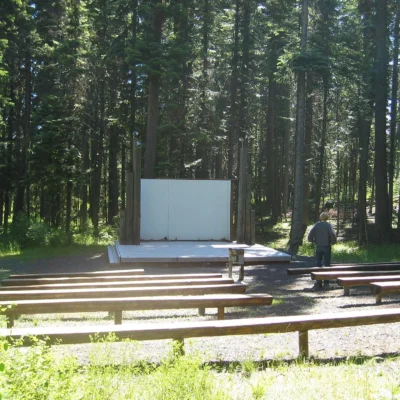
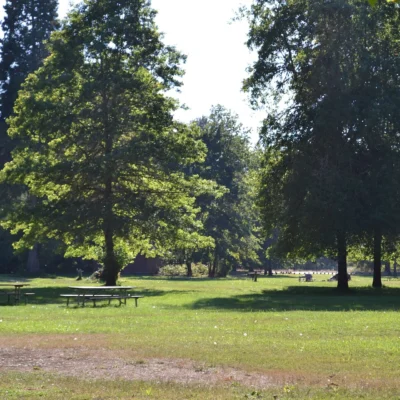
Reifschneider Park is a public state park in Oregon. Spanning 1,388 acres, the park offers a peaceful retreat into nature for visitors of all ages.
Things to Do
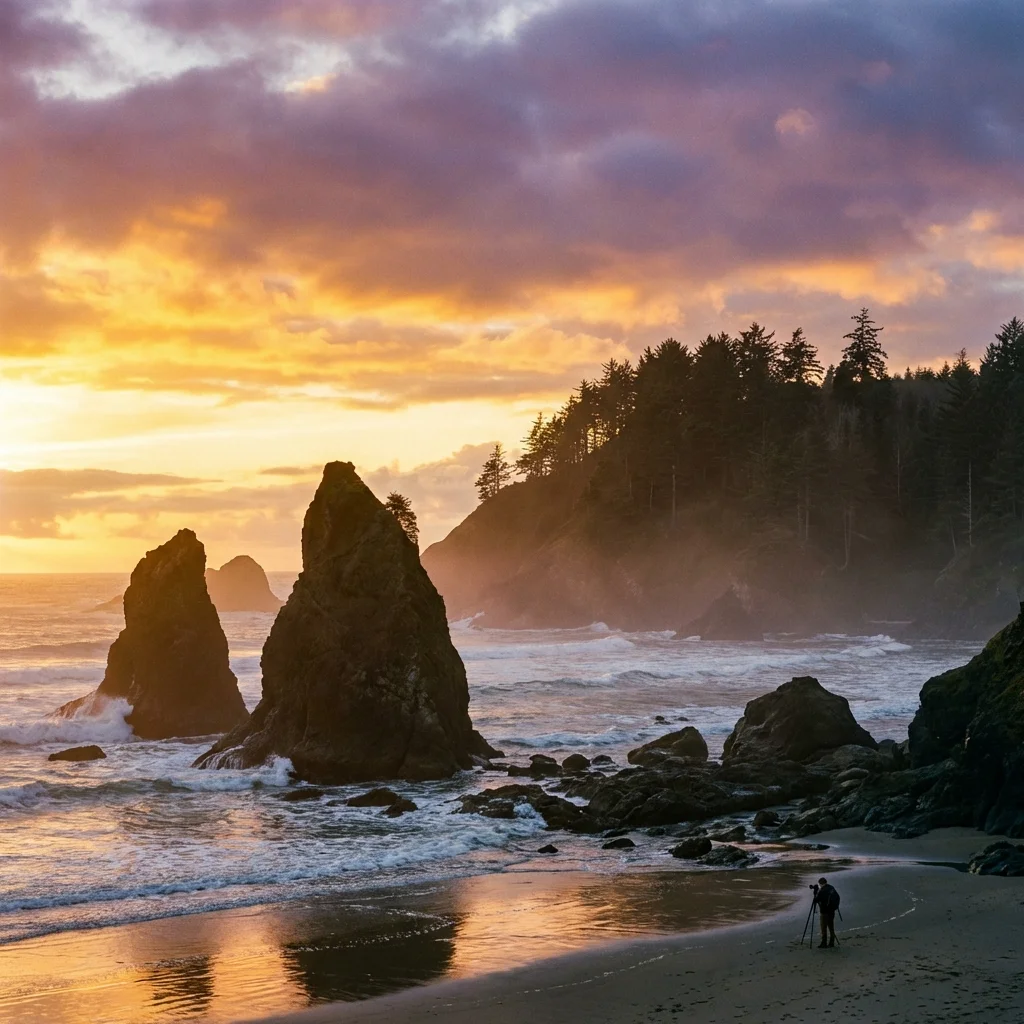
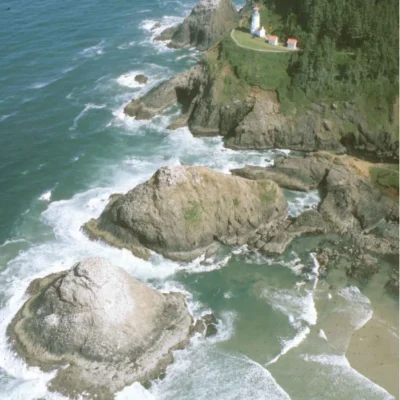
Oregon’s state parks showcase the Pacific Northwest at its finest — from towering sea stacks and tide pools along 362 miles of public coastline to ancient forests of the Coast Range, volcanic Cascade peaks, and high desert canyonlands east of the mountains. Popular activities include hiking through old-growth forests and along dramatic ocean bluffs, tide pooling at rocky shores, beachcombing for agates and fossils, camping at oceanfront sites, kayaking and paddleboarding on mountain lakes, fishing for steelhead and salmon, mountain biking volcanic singletrack, rock climbing at Smith Rock, and cross-country skiing on Cascade passes. Oregon’s waterfalls — including Multnomah Falls and Silver Falls — are among the most spectacular in the western United States.
Best Time to Visit
Oregon’s west side (coast and valleys) is wettest from November through March, making June through September the prime outdoor season with warm, dry weather. The coast can be enjoyed year-round — winter brings dramatic storms, whale watching (gray whales migrate December–January), and uncrowded beaches. Eastern Oregon and high desert parks enjoy more sunshine but can be extremely hot in summer. Cascade mountain parks are best visited July through October, when snow clears from trails. Spring brings the famous wildflower blooms in the Columbia River Gorge and waterfall season at Silver Falls. Fall foliage peaks in October, particularly along the McKenzie River and in the Cascades.
Visitor Tips
Oregon state parks are free to enter on foot or by bike. Vehicle access at most day-use parks requires a $5 day-use permit or a $30 annual permit, available at park kiosks or online. Oregon’s entire coastline is public by law — you always have the right to walk on the beach. Camping reservations are made through the Oregon State Parks reservation system up to 9 months in advance. Coastal campgrounds (especially at Cape Lookout and Nehalem Bay) book up fast for summer. Cell coverage is spotty on the coast and absent in remote Cascade parks.
Frequently Asked Questions
Are Oregon state parks free?
Oregon state parks are free to enter on foot or by bicycle. Vehicle access requires a $5 day-use permit or a $30 annual permit. Oregon’s entire coastline is public by law, guaranteeing beach access everywhere.
What are the best state parks on the Oregon Coast?
Top coastal parks include Ecola (stunning viewpoints), Cape Lookout (rainforest hiking), Shore Acres (botanical gardens and storm watching), Samuel H. Boardman (dramatic sea stacks), and Oswald West (surfer’s cove).
Can I camp on the beach in Oregon?
While camping directly on Oregon beaches is not permitted, several oceanfront campgrounds like Cape Lookout, Sunset Bay, and Harris Beach offer campsites just steps from the shore. Reserve months ahead for summer.
When is the best time to visit Oregon state parks?
June through September is prime season for dry weather. The coast can be enjoyed year-round. Spring brings spectacular wildflowers in the Columbia River Gorge (April-May). Winter offers dramatic storm watching along the coast.
Explore More Oregon State Parks
Reifschneider Park is one of many outstanding state parks in Oregon. Discover more parks in our Best State Parks in Oregon guide, or use our Park Finder to search by activity, location, or features.
Wildlife & Nature
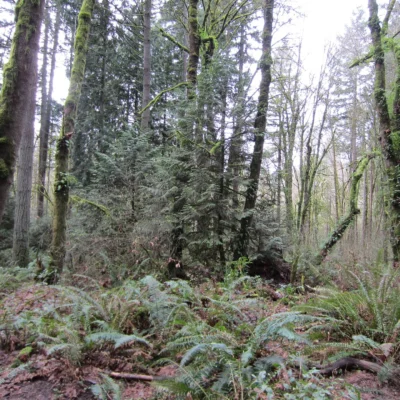
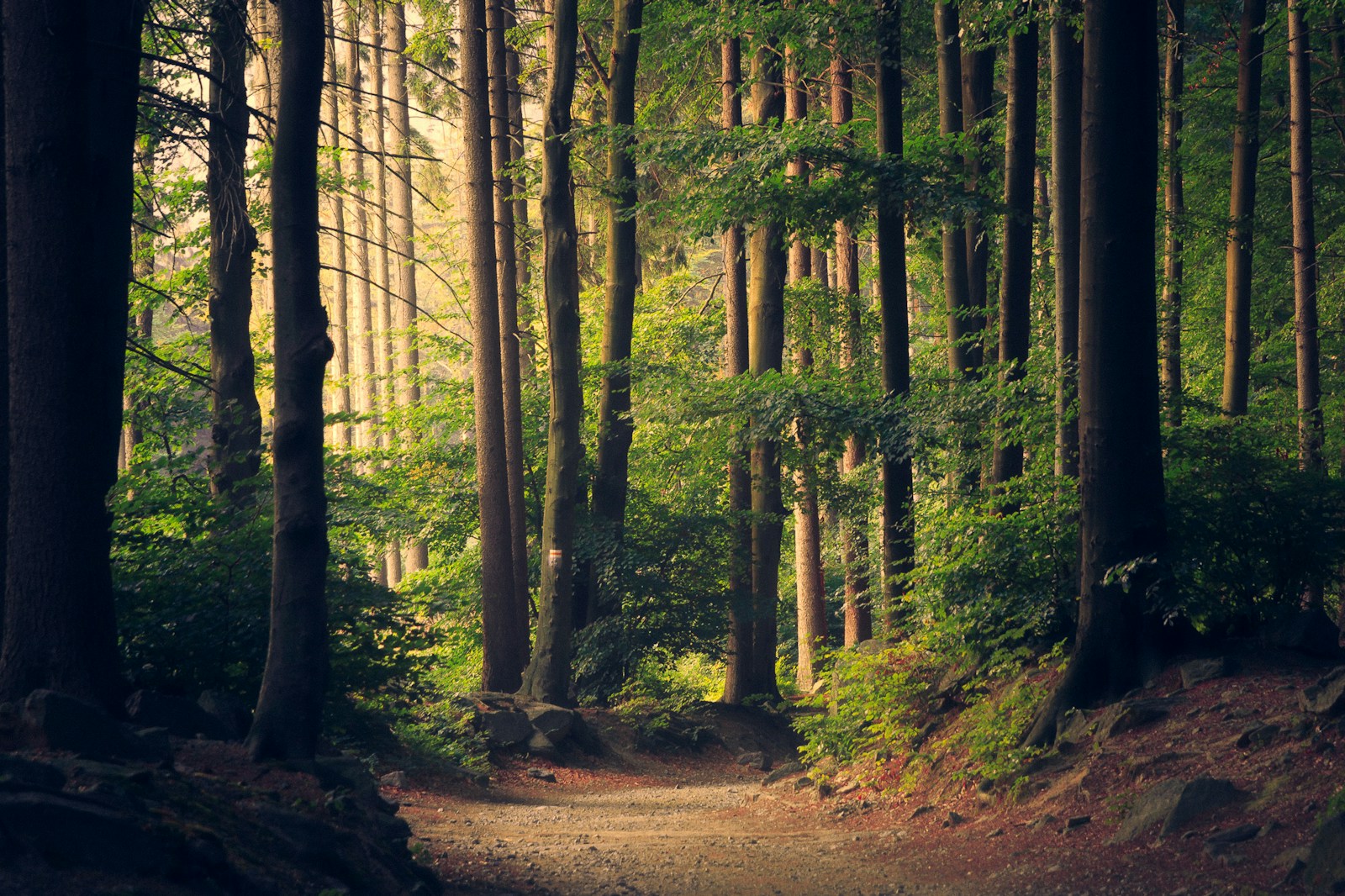
Reifschneider Park provides community recreation in Oregon’s diverse landscape. Oregon’s park system encompasses an extraordinary range of ecosystems — from the temperate rainforests of the Coast Range (receiving 200+ inches of rain in some locations) to the rain shadow deserts east of the Cascades (receiving as little as 8 inches). This precipitation gradient — one of the steepest in North America — creates dramatically different plant and animal communities within a few hours’ drive. Western Oregon’s forests support the densest biomass of any temperate forest on Earth. Eastern Oregon’s sagebrush steppe supports pronghorn, sage-grouse, and jackrabbits. The transition zone — along the Cascade crest — supports unique communities where coastal and desert species overlap.
Nearby Attractions
Oregon’s diverse recreation opportunities span every ecosystem type. Willamette Valley wine country offers world-class Pinot Noir. Oregon Cascades feature volcanic peaks including Mt. Hood, Mt. Jefferson, and the Three Sisters. Oregon Coast — entirely public — stretches 363 miles with state parks every few miles. Oregon Shakespeare Festival in Ashland runs February through November. Crater Lake — the deepest lake in the US — is Oregon’s only national park. Columbia River Gorge features the highest concentration of waterfalls in North America.
Nearby state parks: If you have extra time, Big Lake State Park is elsewhere in the state, and Crowder State Park is elsewhere in the state.

Park Location
Plan your gear for Reifschneider Park
From our editorial guides, matched to this park’s activities:
Top Tours & Activities Near Bend
 from $399
 from $215
 from $150