
🌤 Weather at Bear Paw State Natural Area by season
| Spring | Summer | Fall | Winter |
|---|---|---|---|
| 29–71 °F | 53–81 °F | 28–75 °F | 22–47 °F |
Each range runs from the coldest monthly average low to the warmest monthly average high in that season (1991-2020 climate normals), measured at Jefferson 2 E, 4 mi away, elevation 2,759 ft. Conditions at the park can differ from the station, especially where elevation differs — check a forecast before you go.

🏆 Appalachian Rock Garden — High-elevation rock outcrop ecosystem in the Blue Ridge Mountains — rare plant community with species found nowhere else on Earth
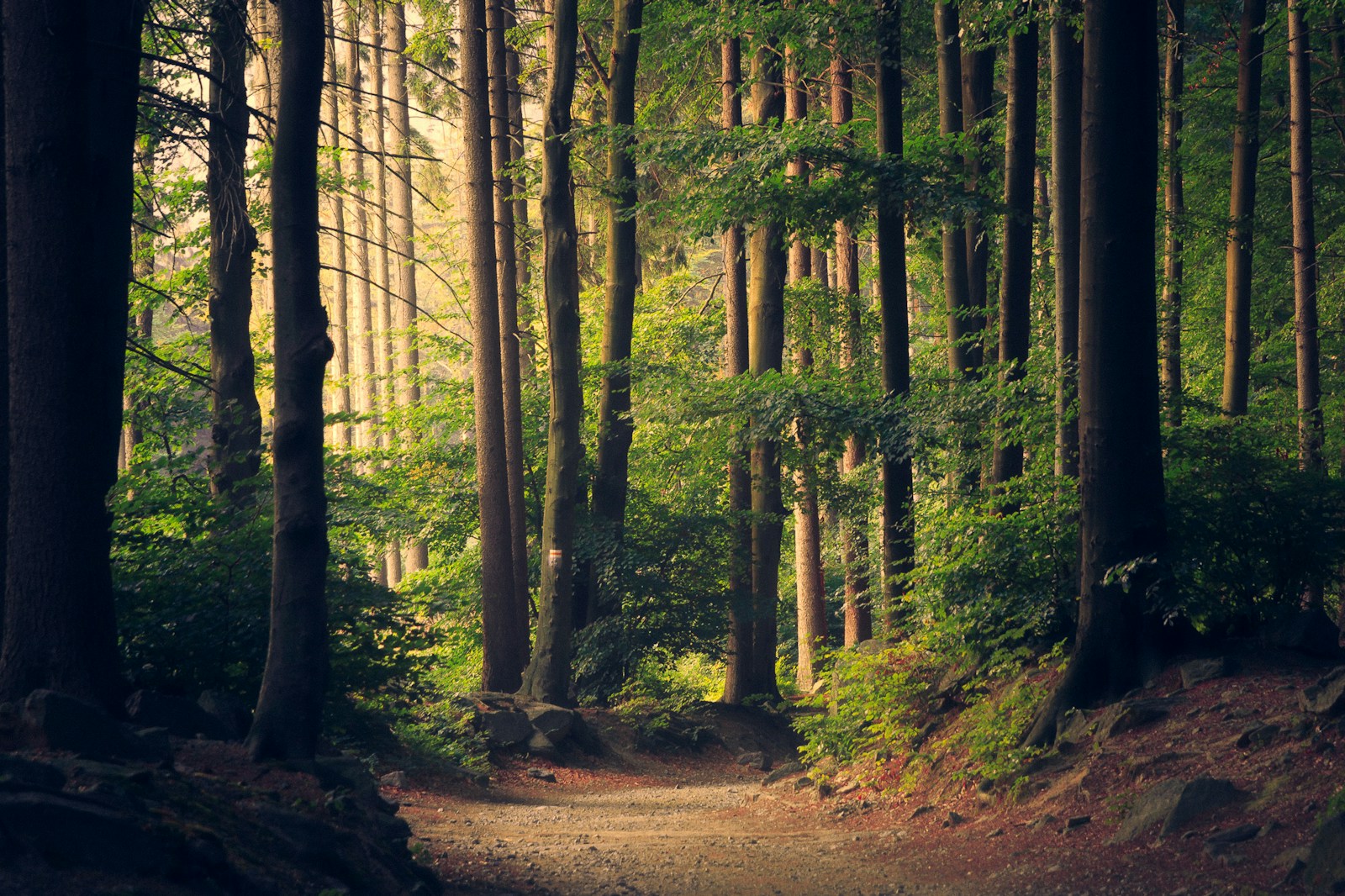
Bear Paw State Natural Area protects a spectacular high-elevation rocky summit in the Blue Ridge Mountains of Ashe County — where exposed amphibolite rock outcrops support plant communities found nowhere else on Earth. These ancient rocks (1.1 billion years old!) weather into nutrient-rich soil pockets that support endemic plant species adapted to the harsh summit conditions — extreme cold, high winds, and thin soil. The southern Appalachian Mountains contain the highest biodiversity in eastern North America — more tree species than all of Europe combined!
Visitor Information
| Detail | Information |
|---|---|
| Location | Ashe County, NC (Blue Ridge!) |
| Entry Fee | Free |
| Rocks | 1.1 BILLION years old! |
| Plants | Endemic — found NOWHERE else! |
About Bear Paw
Bear Paw State Natural Area in Ashe County protects high-elevation forest in the Blue Ridge Mountains of northwestern North Carolina — where elevations exceed 4,000 feet and the climate resembles southern Canada. The area supports northern hardwood forest (yellow birch, sugar maple, American beech) typical of New England but surviving here on cool mountain slopes. These “sky islands” harbor relict species stranded since the last Ice Age.
Things to Do
Hiking through northern hardwood forest, wildflower viewing (trilliums, lady slippers in spring), birdwatching for high-elevation species, nature photography, and experiencing Blue Ridge “sky island” ecology.
Insider Tips
Mountain cove: Bear Paw protects a rich mountain cove forest in western NC — cove forests are among the most biodiverse temperate forests on Earth. Pro tip: The Southern Appalachian cove forests contain more tree species than all of Europe combined. Salamander capital: Western NC is the “Salamander Capital of the World” — more salamander species than anywhere else on the planet.
Best Time to Visit
Spring: Wildflower spectacle. Summer: Shaded cool forest. Fall: Mountain foliage. Winter: Evergreen understory visible.
Frequently Asked Questions
Why is NC the salamander capital?
Western North Carolina has 60+ salamander species — more than any comparable area on Earth. The Southern Appalachians’ ancient, unglaciated mountains allowed species to diversify over millions of years. Cool, moist forests provide ideal habitat. Many species are “lungless” — they breathe through their skin. Some exist on a single mountain. This extraordinary diversity makes NC a global priority for amphibian conservation.
Make it a road trip: Pair a visit with Mount Jefferson State Natural Area (a short drive away) or New River State Park (a short drive away).
🏔️ Visit Bear Paw State Natural Area
1.1-billion-year-old summit — plants found nowhere else on Earth!
Wildlife & Nature
Bear Paw SNA — preserves mountain forest in the North Carolina mountains. The area’s Appalachian hardwood forest, streams, and rocky outcrops support black bears, wild boar, and timber rattlesnakes. Brook trout inhabit the cold streams.
Nearby Attractions
Mountain communities — surrounding.

🐾 Dogs & Pets at Bear Paw State Natural Area
- Pets allowed? statewide rule
- Pets are permitted in all North Carolina state parks as long as they are on an attended leash and under the constant control of the owner.
- Leash rule statewide rule
- Attended leash or other restraint no longer than 6 feet required at all times
- Beaches & swim areas statewide rule
- Pets are not permitted at swim areas or in bathhouses
- Cabins & lodging statewide rule
- Pets are strictly prohibited from entering any building, including cabins; no pet-friendly cabin program
- Statewide exceptions statewide rule
- Not all campgrounds allow pets (contact the park office first); pets must be confined to tent or vehicle during quiet hours (10 p.m.-7 a.m.); at Hammocks Beach visitors must arrange their own transportation for pets to Bear Island
Are dogs allowed at Bear Paw State Natural Area?
Pets are permitted in all North Carolina state parks as long as they are on an attended leash and under the constant control of the owner. Individual parks can post stricter rules — check signage on arrival.
Rules verified July 2026 via ncparks.gov. More: North Carolina state parks guide · Dog rules in all 50 states compared
Park Location
Plan your gear for Bear Paw State Natural Area
From our editorial guides, matched to this park’s activities:


Top Tours & Activities Near Boone
 from $125
 from $29
 from $10