🌤 Weather at Sumpter Valley Dredge State Heritage Area by season
| Spring | Summer | Fall | Winter |
|---|---|---|---|
| 23–62 °F | 38–83 °F | 22–73 °F | 15–39 °F |
Each range runs from the coldest monthly average low to the warmest monthly average high in that season (1991-2020 climate normals), measured at Austin 3 S, 19 mi away, elevation 4,213 ft. Conditions at the park can differ from the station, especially where elevation differs — check a forecast before you go.

🏆 Official Guide: Sumpter Valley Dredge State Heritage Area — Home to a massive 1935 Yuba-style gold dredge — the last of three that operated in Oregon’s Sumpter Valley, extracting over $4 million in gold before shutting down in 1954.
Sumpter Valley Dredge State Heritage Area preserves one of the most impressive industrial relics in the Pacific Northwest — a 1,200-ton floating gold dredge that operated nearly 24 hours a day, 7 days a week for nearly two decades in the Powder River valley near Sumpter, Oregon. Listed on the National Register of Historic Places since 1971, the dredge opened to the public as a state heritage area in 1994.
Visitor Information
| Detail | Information |
|---|---|
| Location | Sumpter, Baker County, Oregon |
| Season | May 1 – October 31 |
| Admission | Free (Oregon State Parks) |
| Guided Tours | Weekends only (ranger-led) |
| Gold Panning | Free demos on weekends |
| Contact | (541) 894-2486 |
The Gold Dredge
The Sumpter Valley Dredge is a Yuba-style bucket-line dredge — the last of three that systematically worked the Powder River floodplain for fine gold deposits.
| Specification | Detail |
|---|---|
| Type | Yuba-style bucket-line dredge |
| Weight | ~1,200 tons |
| Buckets | 72 massive scooping buckets |
| Operation Period | 1935–1954 |
| Gold Extracted | Over $4 million (historical prices) |
| Operating Schedule | Nearly 24/7 during active years |
| NRHP Listed | 1971 |
How Dredge Mining Worked
The dredge floated on a pond of its own creation. Its 72 buckets scooped riverbed material from the front, processed it through sluices and screens to separate gold particles, and deposited waste rock (“tailings”) out the back. The dredge literally ate its way through the valley, leaving behind the distinctive piles of processed rock that still characterize the landscape today.
Activities
| Activity | Details |
|---|---|
| Dredge Exploration | Walk the decks of the restored dredge (self-guided) |
| Ranger Tours | Guided interpretation, weekends only |
| Gold Panning | Free lessons and demonstrations (weekends) |
| Hiking | ~1.5 miles of wetland trails with viewing platforms |
| Wildlife Viewing | Wetland birds, beaver activity in reclaimed ponds |
| Photography | Industrial ruins + wildlife = unique photo opportunities |
Nature Reclaims the Tailings
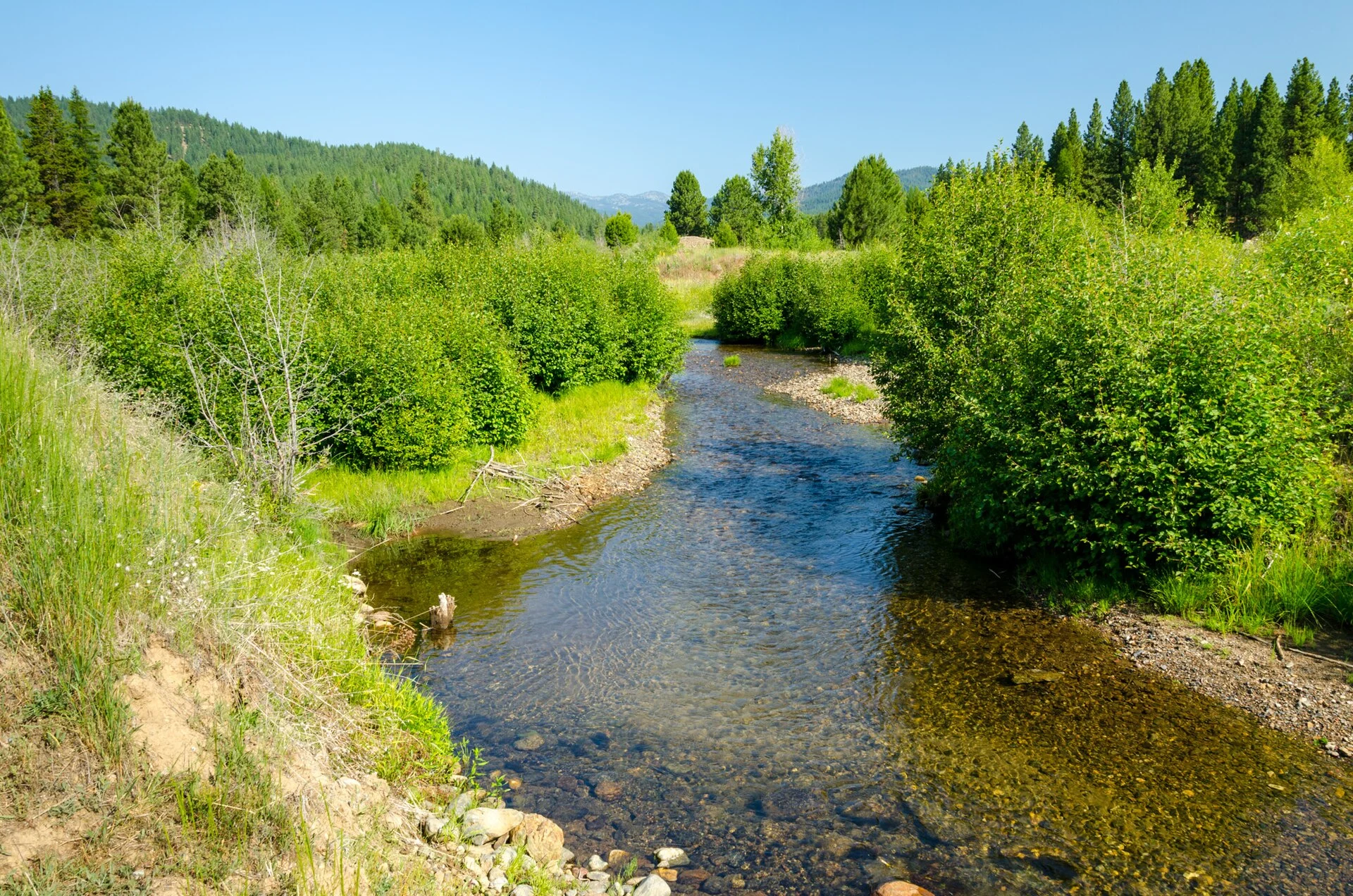
One of the most fascinating aspects of the heritage area is watching nature reclaim the mining landscape. The 1.5-mile trail network passes through wetlands that have formed in old dredge ponds, now home to beavers, waterfowl, and diverse plant communities. Viewing platforms offer perspectives on both the industrial past and the ecological recovery.
Mining History
Gold was discovered in the Sumpter Valley in 1862, triggering a rush that transformed the remote Blue Mountains into a mining boomtown. By the early 1900s, hand mining gave way to industrial-scale dredging — machines that could extract the fine gold flakes embedded in river gravels that human hands could never recover efficiently. Three dredges operated in the valley; this one is the sole survivor.
Getting There
Located on Highway 7 in Sumpter, about 30 miles west of Baker City in eastern Oregon. The Elkhorn Scenic Byway passes through the area. The nearest major airport is in Boise, Idaho (~2.5 hours east).
Nearby Attractions
| Attraction | Distance | Highlights |
|---|---|---|
| Sumpter Valley Railroad | Adjacent | Historic narrow-gauge steam train rides |
| Elkhorn Scenic Byway | Through route | 80-mile loop through Blue Mountains |
| Anthony Lakes | 25 miles NW | Alpine lake, skiing, hiking |
| Baker City Historic District | 30 miles E | Oregon Trail Interpretive Center |
Frequently Asked Questions
Can I pan for gold at Sumpter Valley Dredge?
Yes. Rangers offer free gold panning demonstrations on weekends during the May–October season. You can try panning yourself with provided equipment. While you probably won’t strike it rich, finding small flakes of real gold is common and makes for a memorable experience.
Is Sumpter Valley Dredge free?
Yes. There is no admission fee. The heritage area is part of the Oregon State Parks system and is free to visit. Self-guided exploration of the dredge decks is available daily (May–October). Ranger-led guided tours are offered on weekends.
How much gold did the dredge extract?
The dredge extracted over $4 million in gold at historical prices during its operation from 1935 to 1954. At today’s gold prices, that amount would be worth significantly more. The dredge processed thousands of cubic yards of river gravel daily using its 72 massive buckets.
Make it a road trip: Pair a visit with Unity Lake State Recreation Site (within about an hour’s drive) or Unity Forest State Scenic Corridor (within about an hour’s drive).

🐾 Dogs & Pets at Sumpter Valley Dredge State Heritage Area
- Pets allowed? statewide rule
- Pets are welcome in Oregon state parks and on most ocean beaches but must be leashed except in designated off-leash areas.
- Leash rule statewide rule
- Leash no longer than 6 feet required in developed park areas
- Beaches & swim areas statewide rule
- Pets are allowed on most ocean beaches under direct control; western snowy plover nesting areas restrict pets March 15 - Sept. 15; leash required on the beach at some parks (e.g. Cape Lookout)
- Cabins & lodging statewide rule
- Designated pet-friendly yurts and cabins at many parks (South Beach has 14 pet-friendly yurts, Tugman 8); maximum two dogs and/or cats; $10 per night pet fee
- Pet fees statewide rule
- $10 per night for pet-friendly yurts/cabins; no pet fee for day use or campsites
- Statewide exceptions statewide rule
- Pets prohibited at Dabney SRA, the Trail of Ten Falls at Silver Falls, and Shore Acres; off-leash areas at Stub Stewart, Willamette Mission, Elijah Bristow, Cottonwood Canyon and LaPine
Are dogs allowed at Sumpter Valley Dredge State Heritage Area?
Pets are welcome in Oregon state parks and on most ocean beaches but must be leashed except in designated off-leash areas. Individual parks can post stricter rules — check signage on arrival.
Rules verified July 2026 via stateparks.oregon.gov. More: Oregon state parks guide · Dog rules in all 50 states compared
Park Location
Plan your gear for Sumpter Valley Dredge State Heritage Area
From our editorial guides, matched to this park’s activities: