🌤 Weather at Kam Wah Chung State Heritage Site by season
| Spring | Summer | Fall | Winter |
|---|---|---|---|
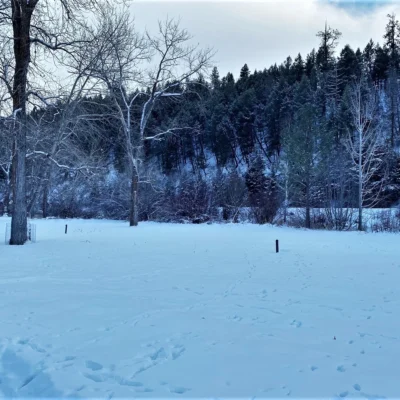
| 26–66 °F | 43–86 °F | 26–77 °F | 21–45 °F |
Each range runs from the coldest monthly average low to the warmest monthly average high in that season (1991-2020 climate normals), measured at John Day, 0 mi away, elevation 3,063 ft. Conditions at the park can differ from the station, especially where elevation differs — check a forecast before you go.

🏆 Chinese Heritage Treasure — Best-preserved Chinese heritage building in Oregon with intact 1887 apothecary and general store
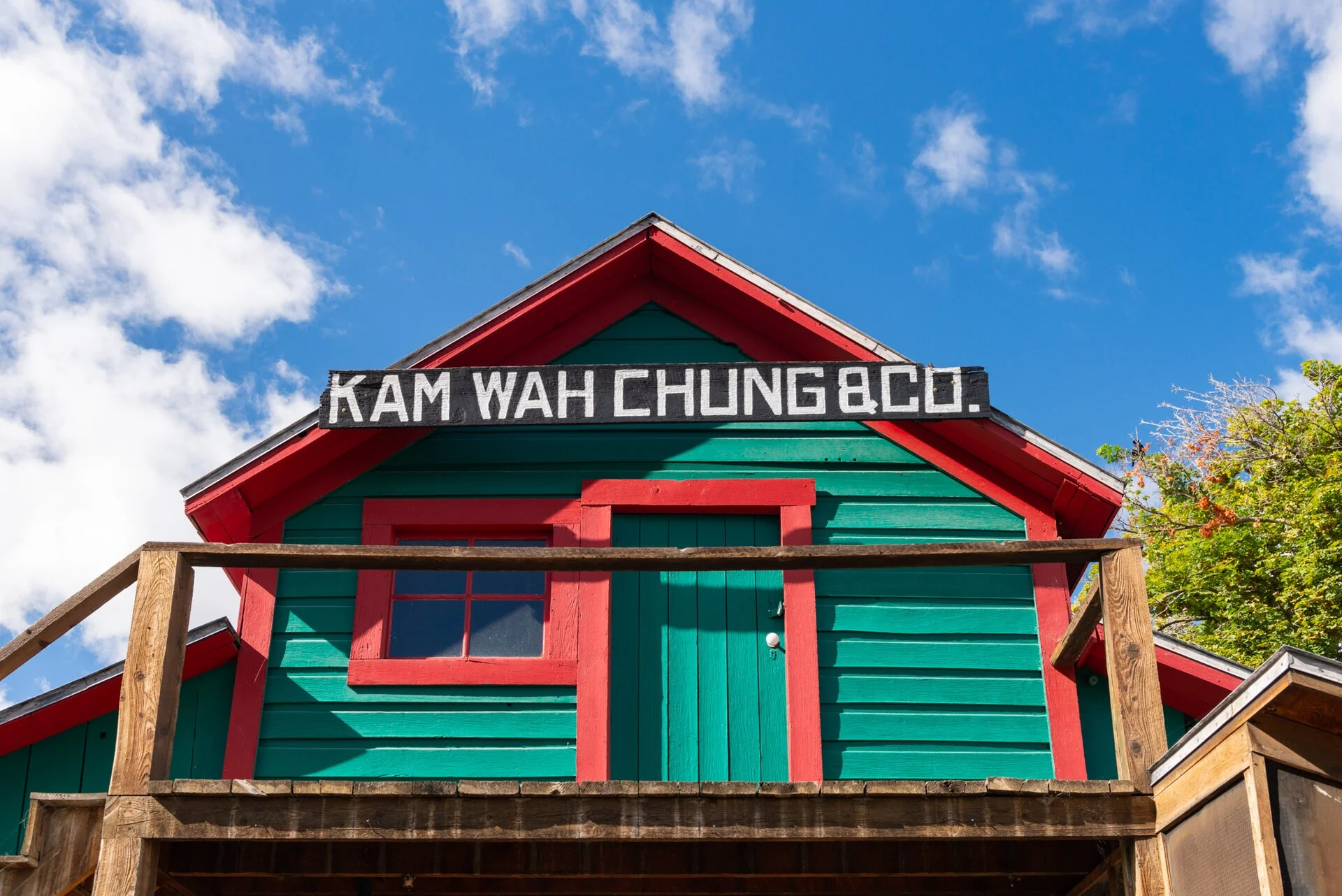
Kam Wah Chung State Heritage Site preserves a remarkable 1860s stone building in John Day that served as the social, medical, and spiritual center of the Chinese community in Eastern Oregon’s gold mining region. The building — originally a trading post — was operated by Ing Hay (a renowned herbalist) and Lung On (a businessman) from the 1880s through 1948. When the building was opened in 1968, the interior was virtually unchanged — containing over 500 Chinese herbal medicines, religious artifacts, preserved food, and personal effects frozen in time for 20 years.
Visitor Information
| Detail | Information |
|---|---|
| Location | John Day, Grant County, OR |
| Entry Fee | Free (guided tours required) |
| Designation | National Historic Landmark |
| Built | 1860s (operated 1880s–1948) |
| Collection | 500+ herbal medicines, artifacts intact |
Frequently Asked Questions
Can I just walk in?
No — the building can only be visited by guided tour (free). Tours are offered daily May–October. The fragile interior and irreplaceable collection require controlled access. The interpretive center next door is self-guided.
About Kam Wah Chung
Kam Wah Chung State Heritage Site in John Day preserves a remarkable Chinese herbal medicine shop and general store that operated from the 1860s-1940s. “Ing Hay” Doc Hay treated patients with traditional Chinese medicine, while his partner Lung On ran a general store serving the region’s Chinese gold miners. The building is a time capsule — sealed for decades with original contents intact.
Things to Do
Guided tours of the incredibly well-preserved interior reveal thousands of original artifacts — herbal medicines, tools, and personal effects. The interpretive center tells the story of Chinese immigrants in Oregon’s gold fields. Open May-October.
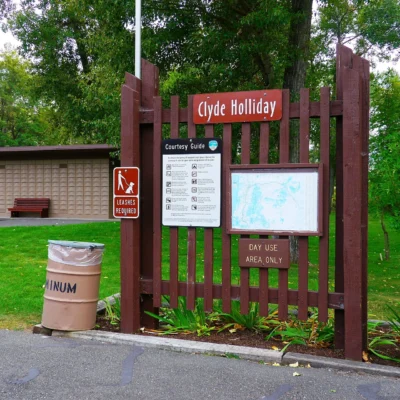
Keep exploring: The closest neighbors are Clyde Holliday State Recreation Site (a short drive away) and Bates State Park (within about an hour’s drive).
🏛️ Visit Kam Wah Chung SHS
Time capsule — 1860s Chinese apothecary with 500 medicines frozen since 1948.
Wildlife & Nature
Kam Wah Chung SHS — preserves a 19th-century Chinese trading post and apothecary — one of the most significant Chinese heritage sites in the American West. The building served as a general store, herb shop, and social center for the Chinese mining community in John Day. Over 500 Chinese herbal remedies were found inside — perfectly preserved. The site’s town and canyon setting support mule deer and raptors.
Nearby Attractions
John Day — adjacent. John Day Fossil Beds NM — 30 miles west — world-class Cenozoic fossil record. Strawberry Mountain Wilderness — 15 miles south.

🐾 Dogs & Pets at Kam Wah Chung State Heritage Site
- Pets allowed? statewide rule
- Pets are welcome in Oregon state parks and on most ocean beaches but must be leashed except in designated off-leash areas.
- Leash rule statewide rule
- Leash no longer than 6 feet required in developed park areas
- Beaches & swim areas statewide rule
- Pets are allowed on most ocean beaches under direct control; western snowy plover nesting areas restrict pets March 15 - Sept. 15; leash required on the beach at some parks (e.g. Cape Lookout)
- Cabins & lodging statewide rule
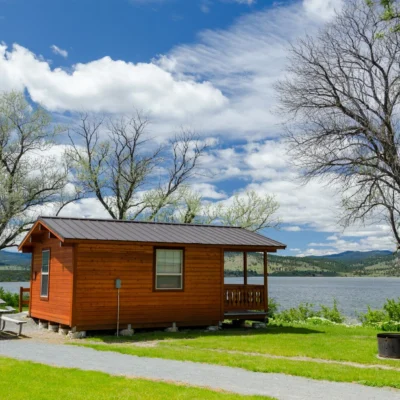
- Designated pet-friendly yurts and cabins at many parks (South Beach has 14 pet-friendly yurts, Tugman 8); maximum two dogs and/or cats; $10 per night pet fee
- Pet fees statewide rule
- $10 per night for pet-friendly yurts/cabins; no pet fee for day use or campsites
- Statewide exceptions statewide rule
- Pets prohibited at Dabney SRA, the Trail of Ten Falls at Silver Falls, and Shore Acres; off-leash areas at Stub Stewart, Willamette Mission, Elijah Bristow, Cottonwood Canyon and LaPine
Are dogs allowed at Kam Wah Chung State Heritage Site?
Pets are welcome in Oregon state parks and on most ocean beaches but must be leashed except in designated off-leash areas. Individual parks can post stricter rules — check signage on arrival.
Rules verified July 2026 via stateparks.oregon.gov. More: Oregon state parks guide · Dog rules in all 50 states compared
Park Location
Plan your gear for Kam Wah Chung State Heritage Site
From our editorial guides, matched to this park’s activities: