🌤 Weather at Bates State Park by season
| Spring | Summer | Fall | Winter |
|---|---|---|---|
| 23–62 °F | 38–83 °F | 22–73 °F | 15–39 °F |
Each range runs from the coldest monthly average low to the warmest monthly average high in that season (1991-2020 climate normals), measured at Austin 3 S, 6 mi away, elevation 4,213 ft. Conditions at the park can differ from the station, especially where elevation differs — check a forecast before you go.

🪵 Where the Lumber Mill Died and the Forest Came Back — A Ghost Town Turned Campground in Oregon’s Blue Mountains — Bates State Park near Prairie City, Grant County, Oregon, 131 acres on former lumber mill site, Blue Mountains at 4,070 feet, 28 primitive campsites, Middle Fork John Day River, Bridge Creek and Clear Creek fishing, ponderosa pine meadows, old mill pond, interpretive history, remote eastern Oregon — Grant County, OR
For 58 years, the Bates lumber mill cut ponderosa pine from the Blue Mountains. A company town grew around it — houses, a store, families. In 1975, the mill closed. The town emptied. The forest began to take it back.
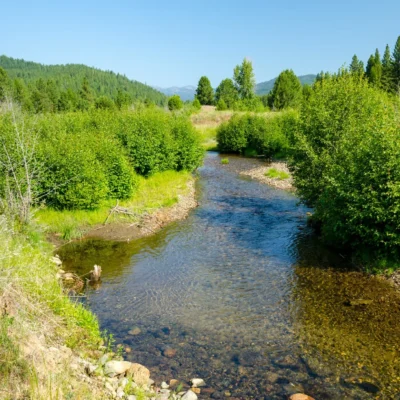
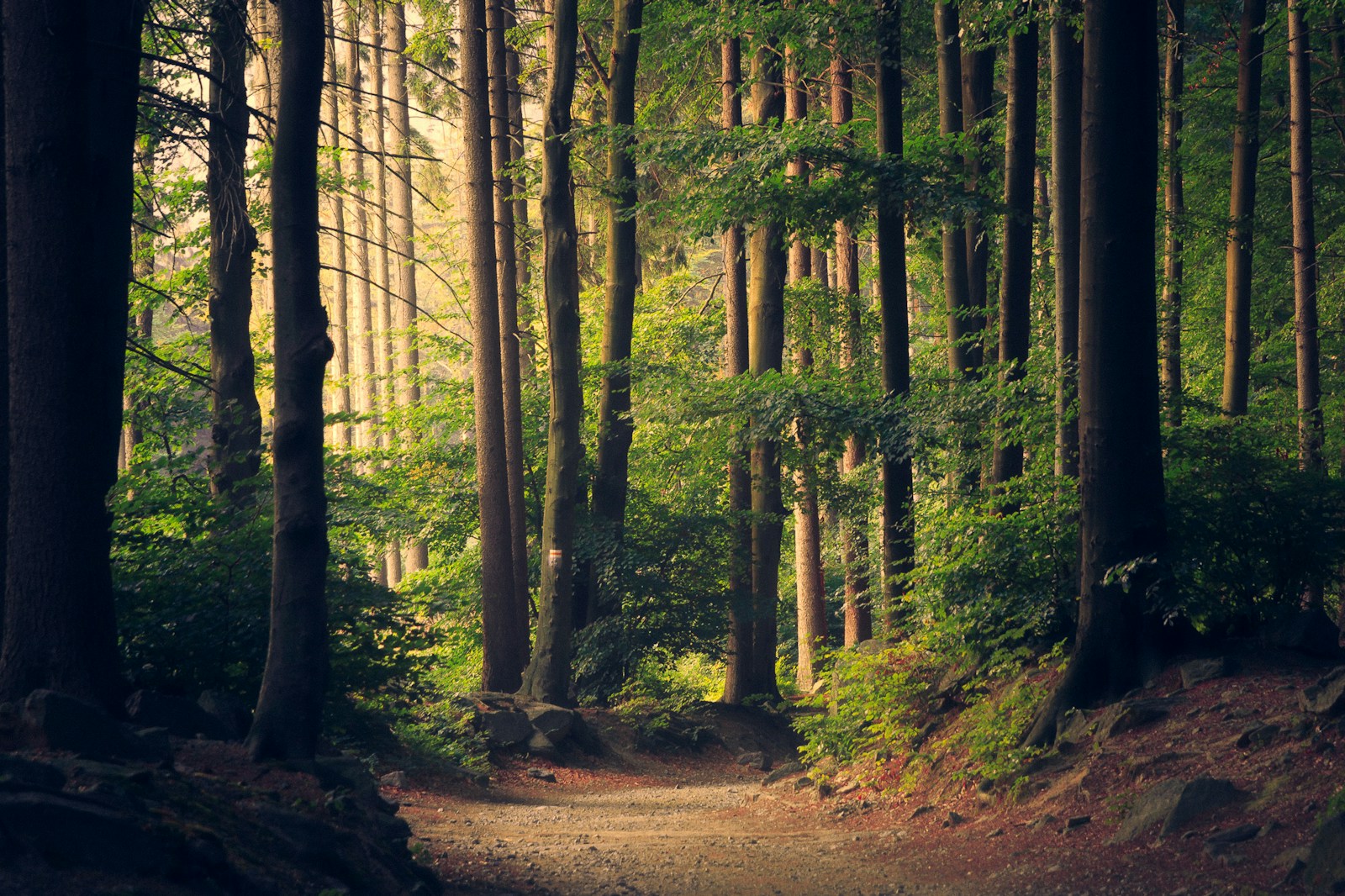
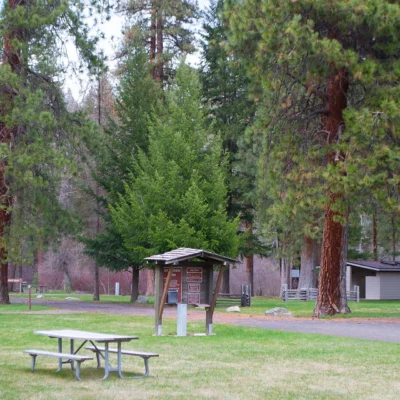
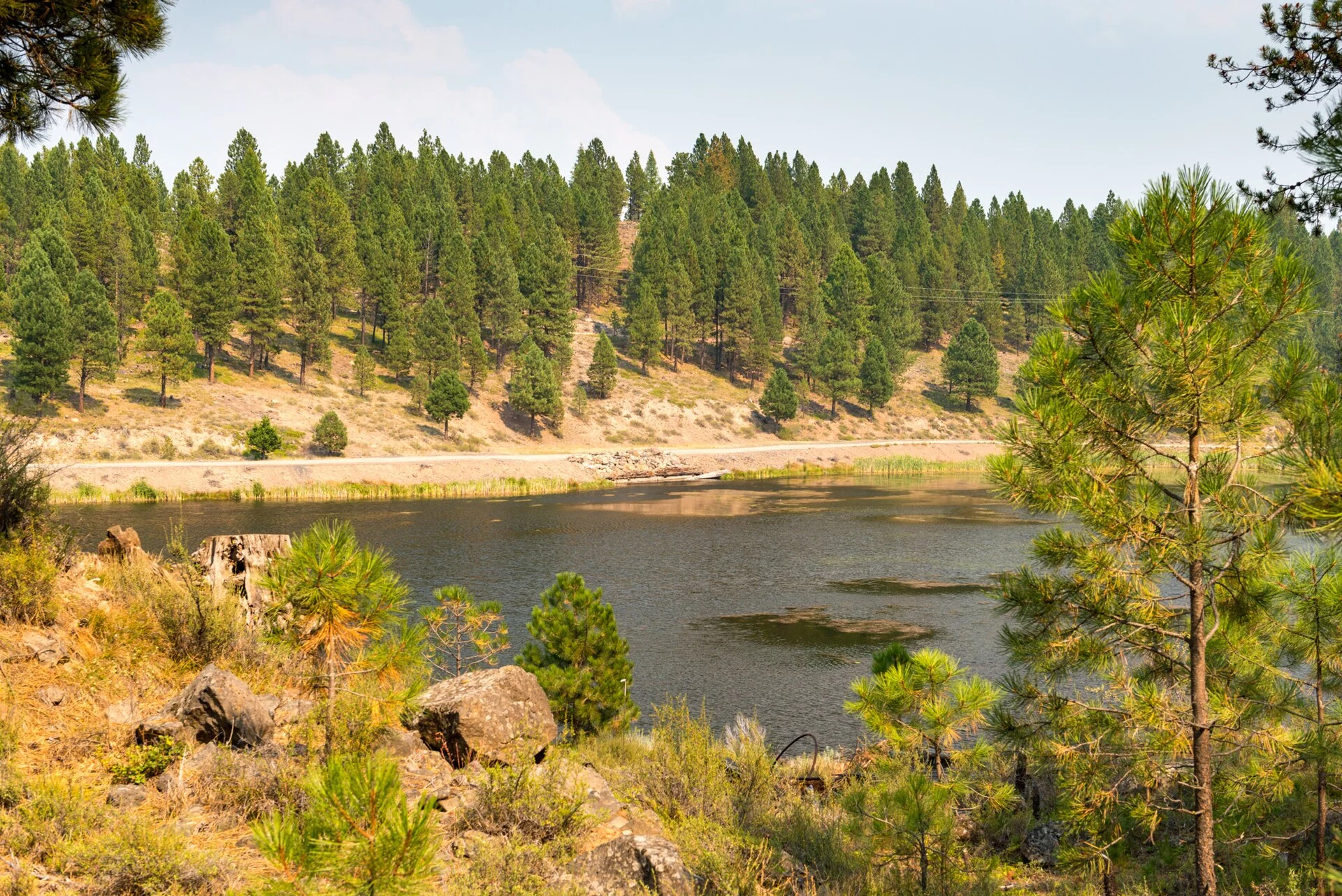
Today, Bates State Park occupies the ghost of that company town. The mill pond is still there — now a quiet fishing hole. The meadows where the lumber was stacked are open grassland. The creeks still flow through, and the ponderosa pines are growing back taller every year. This is what happens when the industry leaves and nature gets a second chance.
What to Do
| Activity | Details |
|---|---|
| Camping | 28 primitive campsites — tent and self-contained RV. First-come, first-served (no reservations). Vault toilets and potable water. Hiker/biker area with electric plug-ins. May through mid-October |
| Fishing | Middle Fork John Day River and Bridge Creek offer rainbow trout fishing. The old mill pond also holds fish. Check ODFW regulations |
| Hiking | 3+ miles of trails through meadows, past the mill pond, and along the creeks. Views of the Blue Mountains valley. Wildflowers in spring |
| History | Interpretive panels tell the story of the Bates lumber mill (1917–1975) and the company town that once stood here. Walk the grounds where the town used to be |
| Wildlife | Deer, elk, wild turkey, osprey, and songbirds. The transition from meadow to forest creates excellent habitat. Quiet mornings bring wildlife close |
The Timeline
| Year | Event |
|---|---|
| 1917 | The Bates lumber mill begins operation, processing ponderosa pine from the Blue Mountains. A company town grows around the mill — houses, a store, a community |
| 1917–1975 | 58 years of continuous lumber production. Generations of families live and work in the town of Bates. The mill is the economic engine of the area |
| 1975 | The mill closes permanently. The town empties. Buildings are removed or collapse. The forest begins to reclaim the site |
| 2000s | Oregon State Parks acquires the site and develops it as a primitive campground. The mill pond, meadows, and creek corridors are preserved. The history is interpreted |
Best Time to Visit
| Season | Best For |
|---|---|
| Summer (Jun–Aug) | ☀️ High-country camping at 4,070 feet. Cool nights even when lowlands are hot. Fishing, hiking, stargazing |
| Fall (Sep–Oct) | 🍂 Golden meadows. Larch turning yellow in the Blue Mountains. Elk bugling. Cool weather |
| Spring (May–Jun) | Campground opens. Snowmelt creeks running high. Wildflowers in the meadows. Muddy in spots |
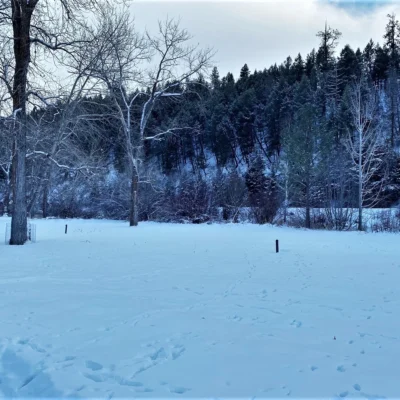
| Winter (Nov–Apr) | Campground closed. Snow at 4,070 feet. Cross-country skiing in the Blue Mountains |
Frequently Asked Questions
Is there anything in the town of Bates?
No — the town is gone. When the mill closed in 1975, the town emptied and most structures were removed. What remains is the landscape — the mill pond, the meadows, the creek corridors. The park interprets the history through panels and the layout of the land itself.
How remote is it?
Very remote — this is eastern Oregon. The nearest town is Prairie City (about 20 minutes). John Day is 30 minutes away. Bring everything you need. Cell service is limited to nonexistent. That’s the appeal.
Can I reserve a campsite?
No — all 28 sites are first-come, first-served. The campground rarely fills up. This is one of Oregon’s least-visited state parks. If you want solitude in a ponderosa forest, Bates delivers.
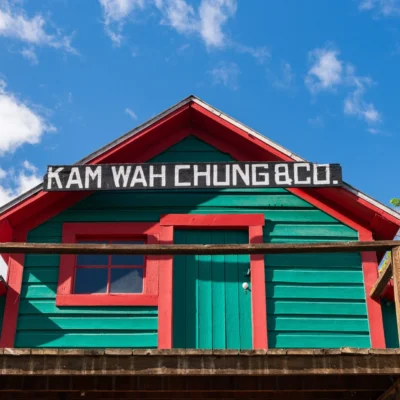
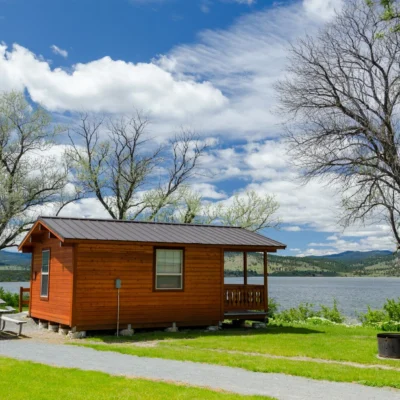
Make it a road trip: Pair a visit with Kam Wah Chung State Heritage Site (within about an hour’s drive) or Unity Lake State Recreation Site (within about an hour’s drive).
🪵 The Mill Closed. The Town Vanished. The Forest Came Back.
58 years of sawing ponderosa pine. Then silence. Now meadows, creeks, and 28 campsites where a company town used to stand. Eastern Oregon at its quietest.

🐾 Dogs & Pets at Bates State Park
- Pets allowed? statewide rule
- Pets are welcome in Oregon state parks and on most ocean beaches but must be leashed except in designated off-leash areas.
- Leash rule statewide rule
- Leash no longer than 6 feet required in developed park areas
- Beaches & swim areas statewide rule
- Pets are allowed on most ocean beaches under direct control; western snowy plover nesting areas restrict pets March 15 - Sept. 15; leash required on the beach at some parks (e.g. Cape Lookout)
- Cabins & lodging statewide rule
- Designated pet-friendly yurts and cabins at many parks (South Beach has 14 pet-friendly yurts, Tugman 8); maximum two dogs and/or cats; $10 per night pet fee
- Pet fees statewide rule
- $10 per night for pet-friendly yurts/cabins; no pet fee for day use or campsites
- Statewide exceptions statewide rule
- Pets prohibited at Dabney SRA, the Trail of Ten Falls at Silver Falls, and Shore Acres; off-leash areas at Stub Stewart, Willamette Mission, Elijah Bristow, Cottonwood Canyon and LaPine
Are dogs allowed at Bates State Park?
Pets are welcome in Oregon state parks and on most ocean beaches but must be leashed except in designated off-leash areas. Individual parks can post stricter rules — check signage on arrival.
Rules verified July 2026 via stateparks.oregon.gov. More: Oregon state parks guide · Dog rules in all 50 states compared
Park Location
Plan your gear for Bates State Park
From our editorial guides, matched to this park’s activities: