🌤 Weather at Vinzenz Lausmann Memorial State Natural Area by season
| Spring | Summer | Fall | Winter |
|---|---|---|---|
| 35–66 °F | 47–80 °F | 37–74 °F | 33–48 °F |
Each range runs from the coldest monthly average low to the warmest monthly average high in that season (1991-2020 climate normals), measured at Skamania Fish Hatchery, 5 mi away, elevation 435 ft. Conditions at the park can differ from the station, especially where elevation differs — check a forecast before you go.

🏆 Columbia Gorge Forest — Old-growth forest preserve in the heart of the Columbia River Gorge with towering Douglas fir
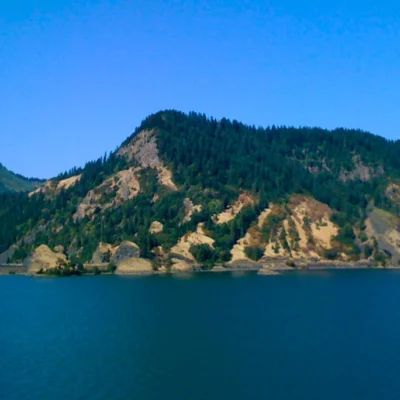
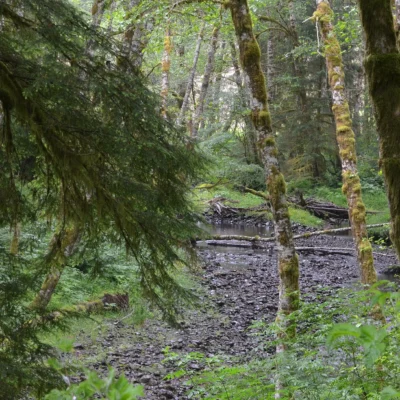
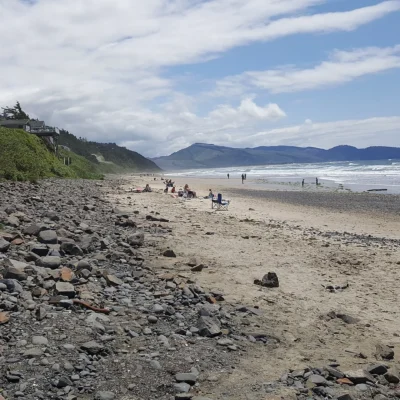
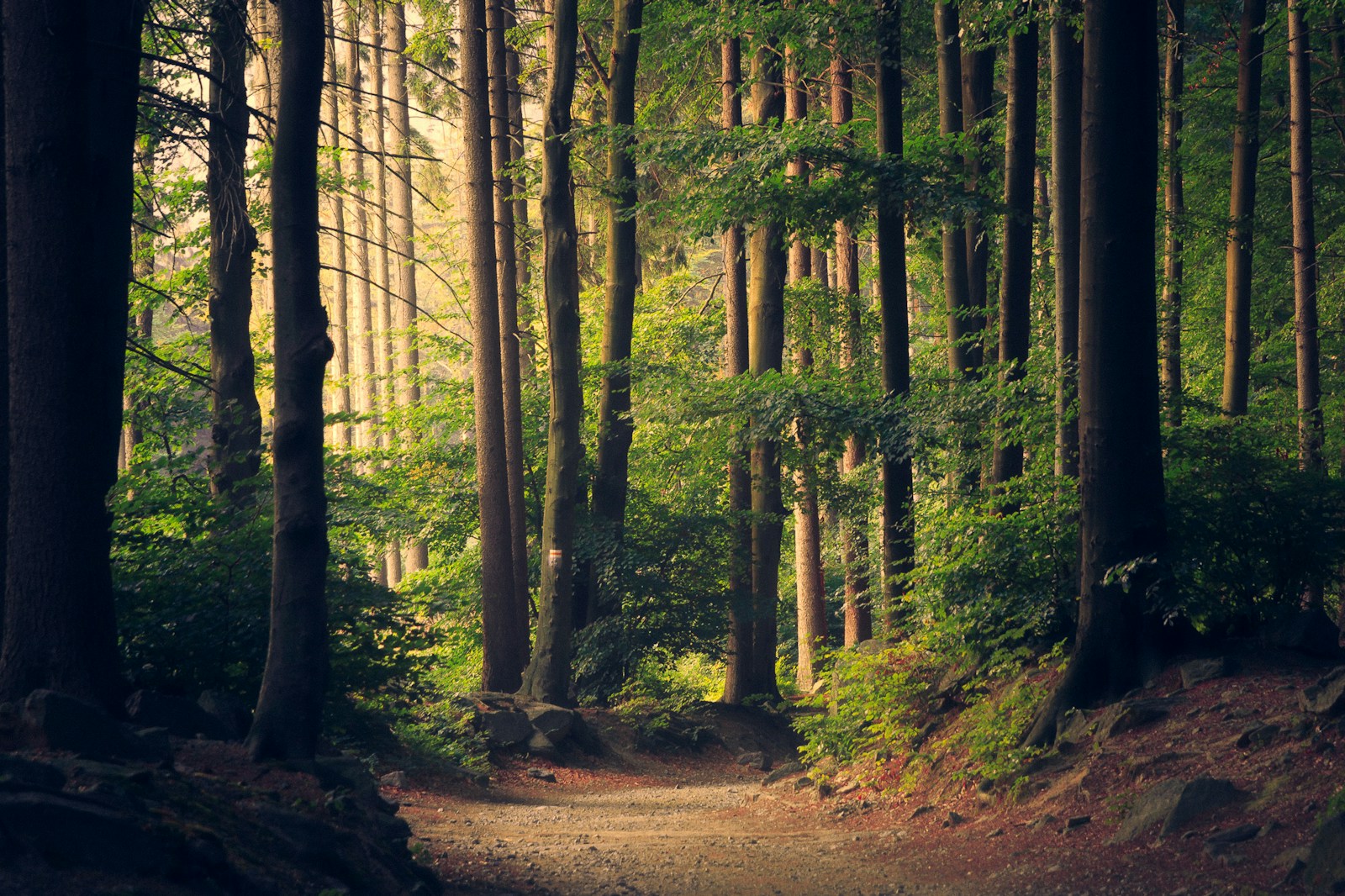
Vinzenz Lausmann Memorial State Natural Area protects 880 acres of old-growth and mature second-growth forest in the Columbia River Gorge between Crown Point and Multnomah Falls. The property encompasses steep, forested hillsides above the Historic Columbia River Highway, with towering Douglas fir, western red cedar, and bigleaf maple creating a dense canopy. The forest provides critical habitat for northern spotted owls and connects larger forest blocks in the Gorge — an important wildlife corridor.
Visitor Information
| Detail | Information |
|---|---|
| Location | Columbia River Gorge, OR |
| Size | 880 acres |
| Entry Fee | Free |
| Forest | Old-growth Douglas fir, spotted owl |
Frequently Asked Questions
Can I hike here?
Access is limited — this is primarily a conservation preserve. The Gorge Trail (#400) passes through portions of the property. Contact OPRD for current access information.
Why is the Columbia Gorge so windy?
The Gorge is the only sea-level break in the Cascade Range — warm inland air rises, pulling cool marine air through the canyon. The resulting wind tunnel produces reliable 25-35 mph winds all summer, creating world-class conditions for windsurfing and kiteboarding.
About Vinzenz Lausmann
Vinzenz Lausmann Memorial State Natural Area protects a forested stretch of the Sandy River Gorge east of Portland. Named for conservationist Vinzenz Lausmann, the area features old-growth forest and the dramatic basalt-walled canyon of the Sandy River — one of Mt. Hood’s primary glacial rivers.
Things to Do
Hiking through old-growth forest along the Sandy River, swimming in river pools during summer, and birdwatching. The area connects to the Sandy River trail system for extended hiking.
Insider Tips
Columbia Gorge treasure: This natural area protects a steep, forested slope in the Columbia River Gorge. Pro tip: The Gorge is a National Scenic Area — the only one in the US — with special protections that preserve the dramatic landscape. Wind sports: The Gorge is the windsurfing and kiteboarding capital of North America — Hood River (nearby) draws athletes from around the world.
Best Time to Visit
Summer: Wind sports and Gorge hiking. Spring: Wildflower bloom is spectacular — balsamroot and lupine carpet the hillsides. Fall: Vine maple turns scarlet. Winter: Waterfall season — temporary falls appear everywhere.
Wildlife & Nature
Vinzenz Lausmann Memorial State Natural Area preserves forest and river habitat in the Columbia River Gorge — where dramatic basalt cliffs channel one of North America’s mightiest rivers. The gorge’s unique meteorology — Pacific marine air funneling through the only sea-level break in the Cascade Range — creates wind patterns that support diverse ecological communities. The western gorge receives 75+ inches of rain annually, while the eastern end receives just 15 inches — creating a dramatic precipitation gradient visible in the vegetation. Western hemlock and sword fern give way to Oregon white oak and bunchgrass within 80 miles. This gradient supports the gorge’s extraordinary wildflower diversity — over 800 species, including 15 found nowhere else on Earth.
Nearby Attractions
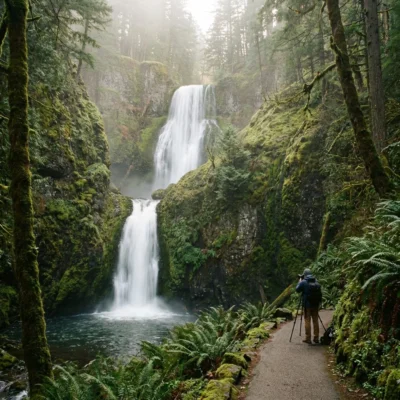
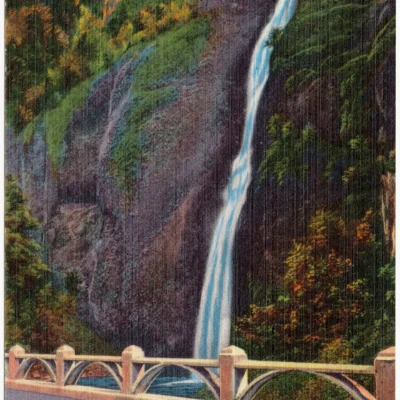
Columbia River Gorge National Scenic Area provides world-class hiking, waterfalls, and scenic driving. Multnomah Falls (620 feet) is Oregon’s most visited natural attraction. Hood River — the windsurfing and kiteboarding capital — offers craft breweries, farm-to-table dining, and the Fruit Loop scenic drive. Mt. Hood (11,249 feet) provides year-round skiing at Timberline Lodge. Historic Columbia River Highway is a National Historic Landmark. Beacon Rock State Park (WA) offers a dramatic basalt core hike.
More parks nearby: Rooster Rock State Park is a short drive away, while Historic Columbia River Highway State Trail lies a short drive away.
🌲 Visit Vinzenz Lausmann Memorial SNA
880 acres of Gorge old-growth — spotted owl habitat between Crown Point and Multnomah Falls.

🐾 Dogs & Pets at Vinzenz Lausmann Memorial State Natural Area
- Pets allowed? statewide rule
- Pets are welcome in Oregon state parks and on most ocean beaches but must be leashed except in designated off-leash areas.
- Leash rule statewide rule
- Leash no longer than 6 feet required in developed park areas
- Beaches & swim areas statewide rule
- Pets are allowed on most ocean beaches under direct control; western snowy plover nesting areas restrict pets March 15 - Sept. 15; leash required on the beach at some parks (e.g. Cape Lookout)
- Cabins & lodging statewide rule
- Designated pet-friendly yurts and cabins at many parks (South Beach has 14 pet-friendly yurts, Tugman 8); maximum two dogs and/or cats; $10 per night pet fee
- Pet fees statewide rule
- $10 per night for pet-friendly yurts/cabins; no pet fee for day use or campsites
- Statewide exceptions statewide rule
- Pets prohibited at Dabney SRA, the Trail of Ten Falls at Silver Falls, and Shore Acres; off-leash areas at Stub Stewart, Willamette Mission, Elijah Bristow, Cottonwood Canyon and LaPine
Are dogs allowed at Vinzenz Lausmann Memorial State Natural Area?
Pets are welcome in Oregon state parks and on most ocean beaches but must be leashed except in designated off-leash areas. Individual parks can post stricter rules — check signage on arrival.
Rules verified July 2026 via stateparks.oregon.gov. More: Oregon state parks guide · Dog rules in all 50 states compared
Park Location
Plan your gear for Vinzenz Lausmann Memorial State Natural Area
From our editorial guides, matched to this park’s activities: