🌤 Weather at George W. Joseph State Natural Area by season
| Spring | Summer | Fall | Winter |
|---|---|---|---|
| 35–66 °F | 47–80 °F | 37–74 °F | 33–48 °F |
Each range runs from the coldest monthly average low to the warmest monthly average high in that season (1991-2020 climate normals), measured at Skamania Fish Hatchery, 4 mi away, elevation 435 ft. Conditions at the park can differ from the station, especially where elevation differs — check a forecast before you go.

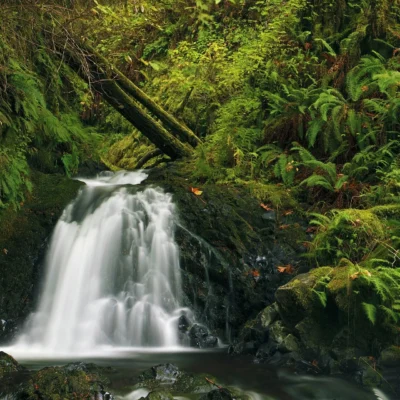
🏆 Protects Punch Bowl Falls — a 35-foot waterfall plunging into a bowl-shaped basin in Eagle Creek canyon, one of the most photographed waterfalls in the Columbia River Gorge.
Visitor Information
| Detail | Information |
|---|---|
| Location | Columbia Gorge, Oregon |
| Entry Fee | Free (Oregon Coast) / Day-Use Permit |
About George W. Joseph State Natural Area
George W. Joseph State Natural Area protects the stunning Punch Bowl Falls on Eagle Creek in the Columbia River Gorge. The 35-foot waterfall plunges into a turquoise-green pool carved from basalt — it’s one of the most photographed waterfalls in Oregon. The natural area is named for Portland attorney and conservationist George W. Joseph, who championed public power and scenic preservation in the 1920s.
George W. Joseph State Natural Area in Hood River County protects forest and dramatic Tamanawas Falls — a 100-foot waterfall cascading over a basalt amphitheater on the slopes of Mount Hood. The trail to the falls crosses the East Fork Hood River and passes through old-growth forest. Mount Hood (11,250 feet) is Oregon’s highest peak and one of the most iconic mountains in the Pacific Northwest.
Things to Do
The hike to Punch Bowl Falls viewpoint is a 4.2-mile round trip along the Eagle Creek Trail — one of the most popular hikes in the Columbia River Gorge. The trail traverses dramatic basalt cliffs with cable handrails, crosses narrow bridges, and passes behind Tunnel Falls further upstream. Swimming in the pool below Punch Bowl Falls is popular but the water is cold. A Northwest Forest Pass or Recreation Day-Use Pass is required.
Hiking to Tamanawas Falls (3.4 miles round trip), waterfall photography, creek wading, birdwatching in old-growth forest, and enjoying the Mount Hood landscape. A bucket-list Oregon waterfall hike.
Getting There
Located at Eagle Creek Trailhead off Interstate 84 (exit 41) in the Columbia River Gorge National Scenic Area. Limited parking — arrive early on summer weekends.
Insider Tips
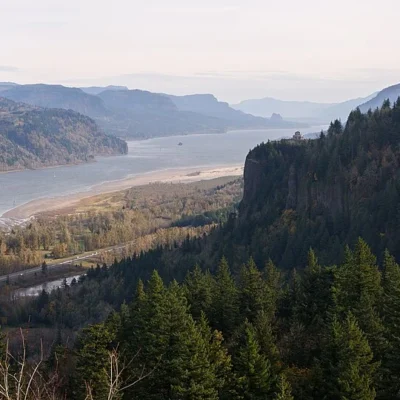
Columbia Gorge waterfall: This natural area protects the access trail to Wiesendanger Falls and Ecola Falls in the Columbia River Gorge. Pro tip: These falls are accessed via the Larch Mountain Trail from Multnomah Falls — less crowded than Multnomah itself. Gorge hiking: The Columbia Gorge has more waterfalls per mile than anywhere in North America.
Best Time to Visit
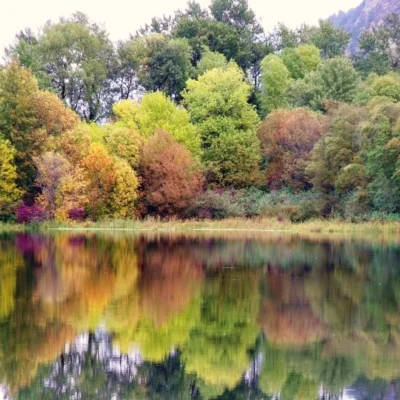
Spring: Peak waterfall flow and wildflowers. Fall: Gorge foliage. Summer: Comfortable hiking weather. Winter: Ice formations on falls (trails may close).
Frequently Asked Questions
How many waterfalls are in the Columbia Gorge?
The Columbia River Gorge contains over 90 waterfalls on the Oregon side alone. The Historic Columbia River Highway connects many of them. Multnomah Falls (620 feet) is the most famous, but dozens of others — including Wiesendanger, Ecola, Wahkeena, and Horsetail — are equally stunning and far less crowded.
Make it a road trip: Pair a visit with Bridal Veil Falls State Scenic Viewpoint (a short drive away) or Ainsworth State Park (a short drive away).
Wildlife & Nature
George W. Joseph SNA — in the Columbia River Gorge. The area’s temperate rainforest, waterfalls, and basalt formations support bald eagles, American dippers, and Roosevelt elk.
Nearby Attractions
Columbia River Gorge NSA — surrounding. Portland — 30 miles west.

🐾 Dogs & Pets at George W. Joseph State Natural Area
- Pets allowed? statewide rule
- Pets are welcome in Oregon state parks and on most ocean beaches but must be leashed except in designated off-leash areas.
- Leash rule statewide rule
- Leash no longer than 6 feet required in developed park areas
- Beaches & swim areas statewide rule
- Pets are allowed on most ocean beaches under direct control; western snowy plover nesting areas restrict pets March 15 - Sept. 15; leash required on the beach at some parks (e.g. Cape Lookout)
- Cabins & lodging statewide rule
- Designated pet-friendly yurts and cabins at many parks (South Beach has 14 pet-friendly yurts, Tugman 8); maximum two dogs and/or cats; $10 per night pet fee
- Pet fees statewide rule
- $10 per night for pet-friendly yurts/cabins; no pet fee for day use or campsites
- Statewide exceptions statewide rule
- Pets prohibited at Dabney SRA, the Trail of Ten Falls at Silver Falls, and Shore Acres; off-leash areas at Stub Stewart, Willamette Mission, Elijah Bristow, Cottonwood Canyon and LaPine
Are dogs allowed at George W. Joseph State Natural Area?
Pets are welcome in Oregon state parks and on most ocean beaches but must be leashed except in designated off-leash areas. Individual parks can post stricter rules — check signage on arrival.
Rules verified July 2026 via stateparks.oregon.gov. More: Oregon state parks guide · Dog rules in all 50 states compared
Park Location
Plan your gear for George W. Joseph State Natural Area
From our editorial guides, matched to this park’s activities: