🌤 Weather at Pioneer State Recreation Area by season
| Spring | Summer | Fall | Winter |
|---|---|---|---|
| 27–73 °F | 60–87 °F | 27–78 °F | 12–38 °F |
Each range runs from the coldest monthly average low to the warmest monthly average high in that season (1991-2020 climate normals), measured at Wahoo, 7 mi away, elevation 1,220 ft. Conditions at the park can differ from the station, especially where elevation differs — check a forecast before you go.

🏆 Named for the pioneers who crossed this region on the Oregon Trail — recreation area along the South Platte River in western Nebraska.
Visitor Information
| Detail | Information |
|---|---|
| Location | Keith County, NE |
| Entry Fee | NE Park Permit Required |
About Pioneer
Pioneer State Recreation Area in Richardson County commemorates the pioneer heritage of southeastern Nebraska — where early settlers broke the tallgrass prairie for farming. The park provides camping and recreation in the heavily agricultural southeast corner of the state.
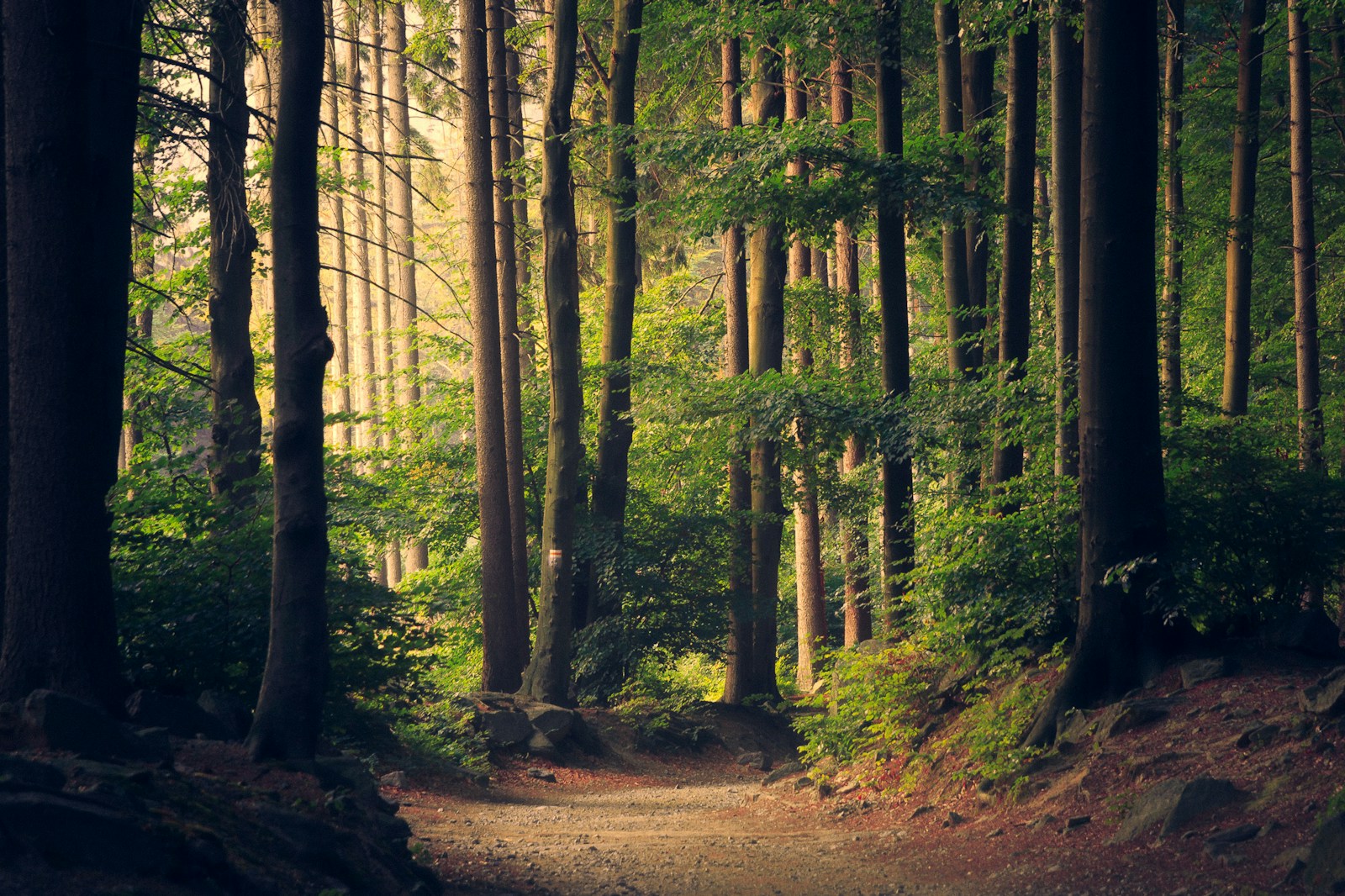
Pioneer State Recreation Area in Richardson County preserves recreation land in the far southeastern corner of Nebraska — the Missouri River borderlands where Nebraska, Kansas, and Missouri converge. This corner of the state receives more rainfall than the western Panhandle (35 inches vs. 14 inches), supporting deciduous hardwood forests of oak, walnut, and hickory that would look more at home in Missouri than stereotypical Nebraska.
Things to Do
Fishing, camping, hiking, picnicking, and reflecting on the pioneer settlement that transformed the tallgrass prairie into America’s breadbasket.
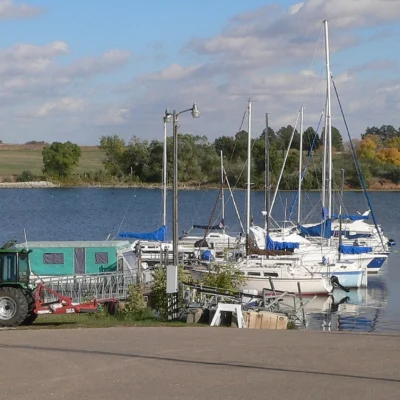
Fishing, hiking through the hardwood forest, hunting (deer and turkey — seasonal), birdwatching for eastern woodland species rare elsewhere in Nebraska, and exploring the most “un-Nebraska” landscape in the state.
Getting There
Pioneer SRA sits near Lincoln in Lancaster County, providing accessible lake recreation for Nebraska’s capital city. Named in honor of the pioneer settlers who crossed Nebraska on the Oregon, California, and Mormon Trails — the greatest overland migration in human history. Over 400,000 emigrants passed through Nebraska between 1843 and 1869, following the Platte River corridor that this area drains into.
Insider Tips
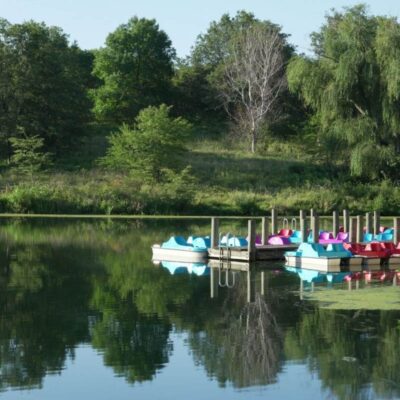
Lancaster County escape: Pioneer SRA near Lincoln offers a quiet alternative to busy Pawnee Lake. Pro tip: The smaller lake is better suited for canoes and kayaks — no-wake zones keep the water calm. Prairie restoration: The surrounding grassland has been restored with native prairie species — big bluestem, Indian grass, and wildflowers replace the former cropland.
Best Time to Visit
Summer: Kayaking and fishing. Spring: Prairie wildflowers and crappie spawn. Fall: Golden prairie grass and quiet fishing. Winter: Cross-country skiing on the trails.
Frequently Asked Questions
What is prairie restoration?
Prairie restoration recreates the original grassland ecosystem by planting native grass and wildflower seeds on former cropland. It takes 5-10 years for a restoration to mature. Native prairies support 300+ plant species per acre — compared to a corn field’s single species. Restored prairies also reduce erosion, filter water, and provide wildlife habitat.
Make it a road trip: Pair a visit with Lake Ogallala State Recreation Area (a short drive away) or Riverview Marina State Recreation Area (a short drive away).

🐾 Dogs & Pets at Pioneer State Recreation Area
- Pets allowed? statewide rule
- Pets are allowed in Nebraska state park areas, including campgrounds, provided they are leashed, crated or caged.
- Leash rule statewide rule
- All animals must be on a leash no longer than 6 feet, or crated or caged.
- Beaches & swim areas statewide rule
- Designated swimming beaches and pools are off-limits to all animals except service dogs.
- Cabins & lodging statewide rule
- Pets are allowed in cabins for a $25 one-time pet fee per unit; pets are not allowed in lodge rooms.
- Pet fees statewide rule
- $25 one-time pet fee per unit for pets in cabins; no day-use pet fee.
- Statewide exceptions statewide rule
- At Lake McConaughy SRA leashing is strictly enforced to protect Least Tern and Piping Plover nesting areas; pets at large may be impounded.
Are dogs allowed at Pioneer State Recreation Area?
Pets are allowed in Nebraska state park areas, including campgrounds, provided they are leashed, crated or caged. Individual parks can post stricter rules — check signage on arrival.
Rules verified July 2026 via outdoornebraska.gov. More: Nebraska state parks guide · Dog rules in all 50 states compared
Park Location
Plan your gear for Pioneer State Recreation Area
From our editorial guides, matched to this park’s activities: