
America’s state park system is a uniquely American invention. From the first dedicated state park – the Yosemite Valley Grant of 1864 – to today’s network of over 10,000 properties across all 50 states, the story of state parks is one of citizens fighting to preserve natural spaces for public enjoyment.
The Beginning: Yosemite Valley Grant (1864)
In 1864, President Abraham Lincoln signed the Yosemite Grant Act, transferring Yosemite Valley and the Mariposa Big Tree Grove to the State of California. This marked the first time any government set aside scenic land specifically for public use and recreation. The concept of “public parks” was revolutionary.
Early Growth: 1900s–1930s
The early 20th century saw states across the country beginning to establish their own park systems. New York created the nation’s first state park commission in 1885 to protect the Adirondacks and Niagara Falls. By the 1920s, most states had at least one designated state park.
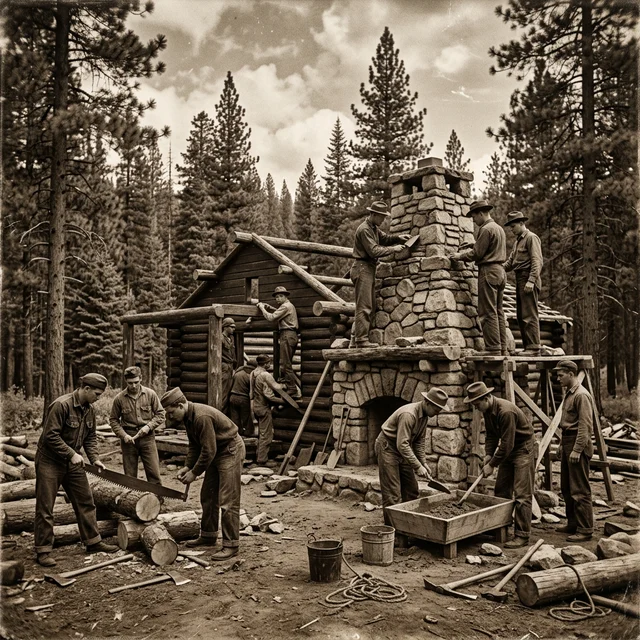
The New Deal era of the 1930s transformed state parks forever. The Civilian Conservation Corps (CCC) built lodges, trails, shelter houses, and swimming areas in hundreds of parks. Many of these stone-and-timber structures still serve visitors today and are listed on the National Register of Historic Places.
Post-War Boom: 1950s–1970s
The post-war population boom and the rise of automobile culture drove massive expansion. The Mission 66 program for national parks had a parallel effect on state parks: states invested heavily in campgrounds, day-use areas, and boating facilities to meet surging demand.
Modern Era: Challenges & Growth
Today, America’s state parks protect over 18 million acres and welcome nearly 800 million visits annually – roughly twice the visitation of all national parks combined. Despite chronic underfunding and a maintenance backlog exceeding $20 billion, state parks remain the most accessible gateway to nature for most Americans.