THE OUTDOOR FIELD GUIDE
Fishing in State Parks
License Rules, Costs & Best Parks by State
Whether you're casting a fly rod into a mountain stream or dropping a line from a lakeside pier, state park fishing offers some of the best angling in America — often without the crowds and costs of private waters.
Updated September 25, 2026
Explore this guide
Whether you're casting a fly rod into a mountain stream or dropping a line from a lakeside pier, state park fishing offers some of the best angling in America — often without the crowds and costs of private waters. From trophy trout in Appalachian creeks to monster bass in Southern reservoirs, state parks provide affordable, accessible fishing for every skill level.
Editorial note: We choose and update recommended parks using official park information, visitor-planning usefulness, available activities and facilities, geographic fit, and editorial review. Learn more in our Editorial Policy & Review Methodology.
This guide covers the best state parks for fishing across the country, complete with species guides, license information, gear recommendations, and insider tips to help you plan your perfect fishing trip.
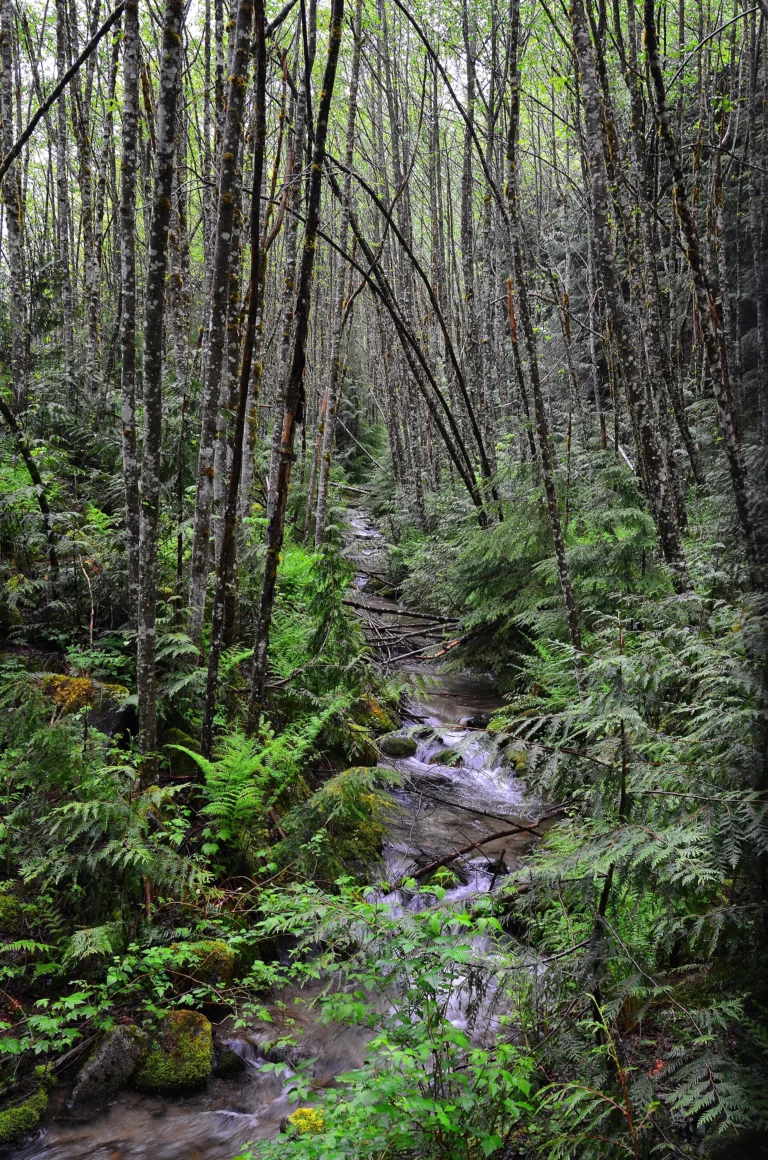 Washington
25 Mile Creek State Park
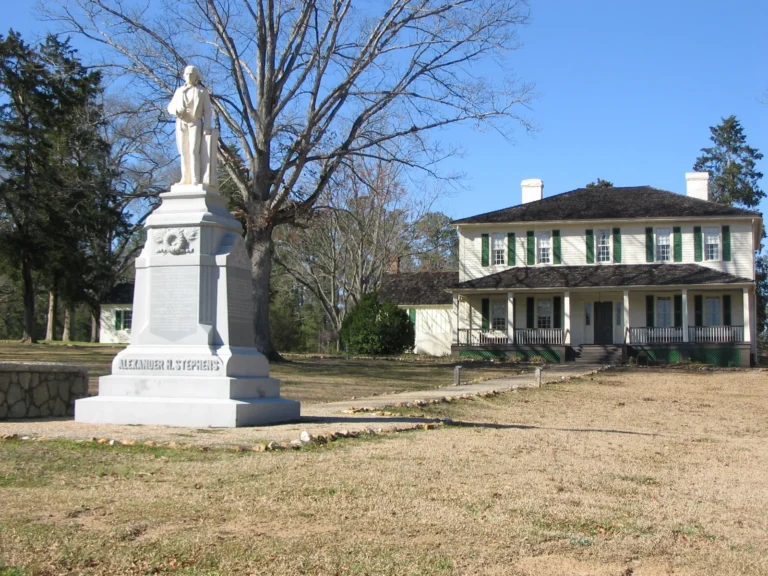 Georgia
A.H. Stephens State Park
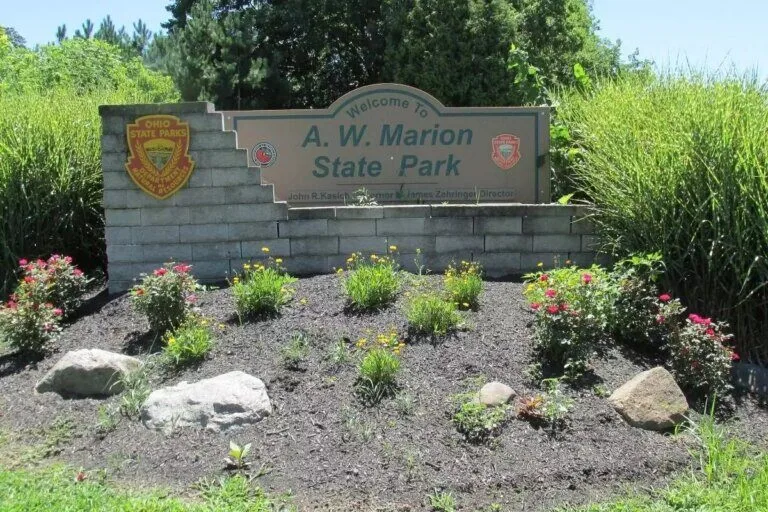 Ohio
OhioA.W. Marion State Park
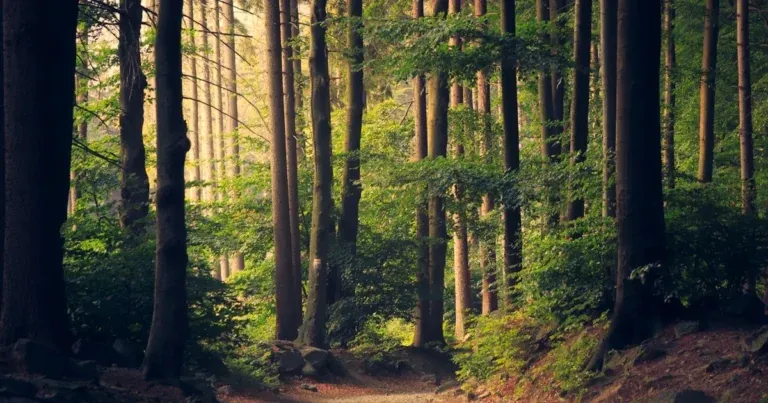 Massachusetts
Abigail Adams State Park
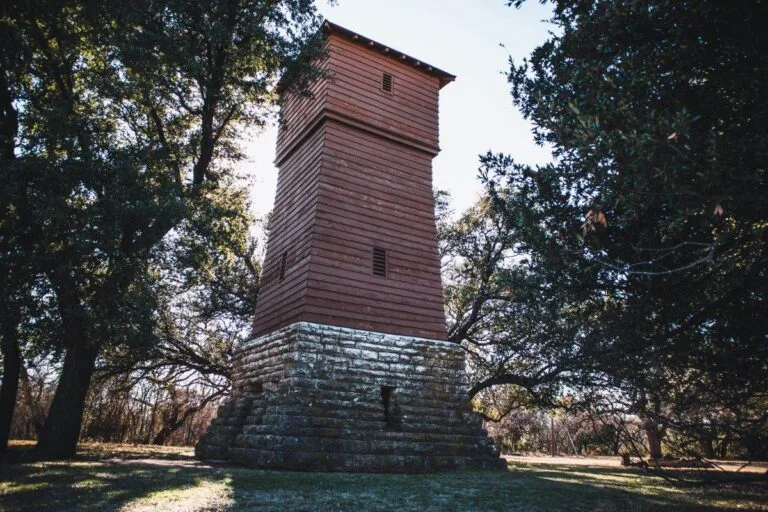 Texas
TexasAbilene State Park
MontanaAckley Lake State Park
South DakotaAdams Homestead and Nature Preserve
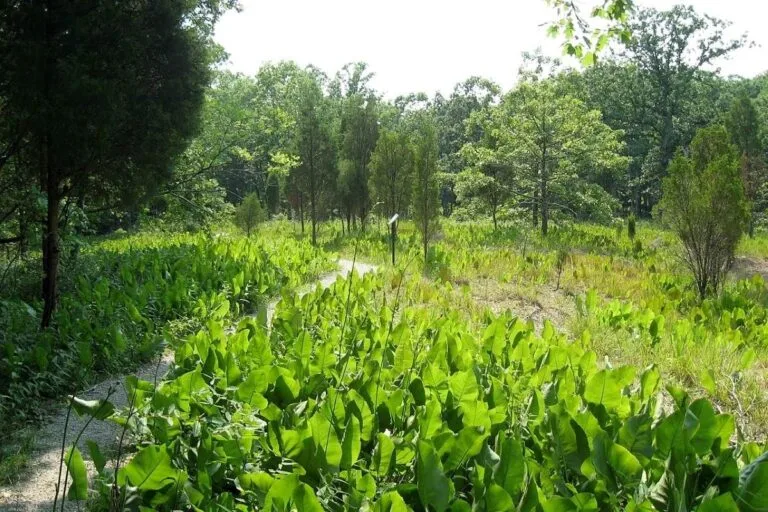 Ohio
OhioAdams Lake State Park
FloridaAddison Blockhouse Historic State Park
CaliforniaAdmiral William Standley State Recreation Area
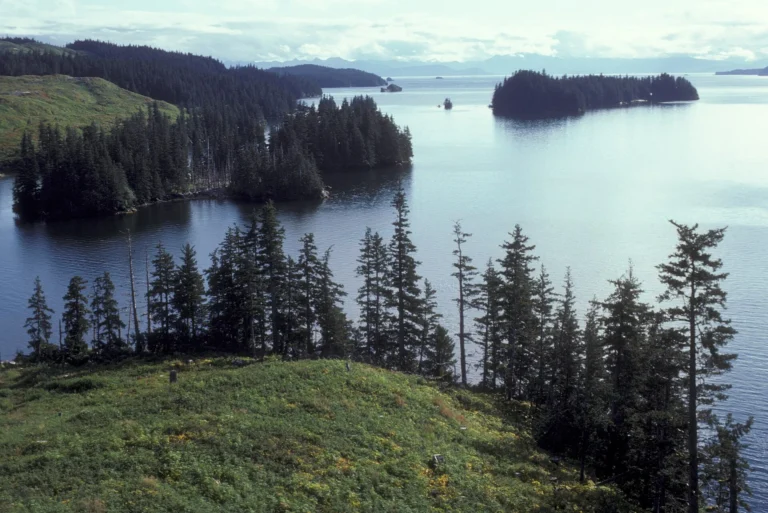 Alaska
Afognak Island State Park
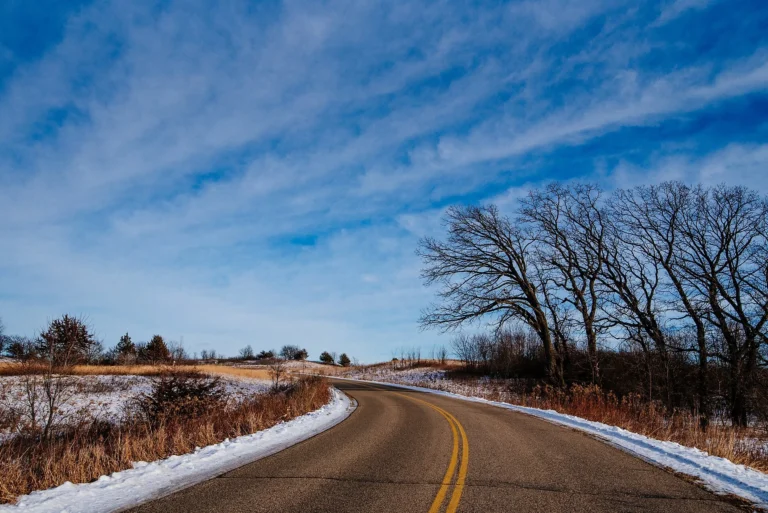 Minnesota
Afton State Park
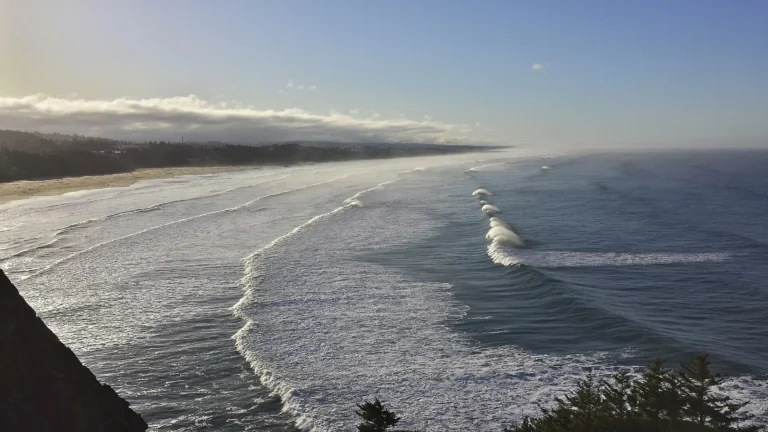 Oregon
Agate Beach State Recreation Site
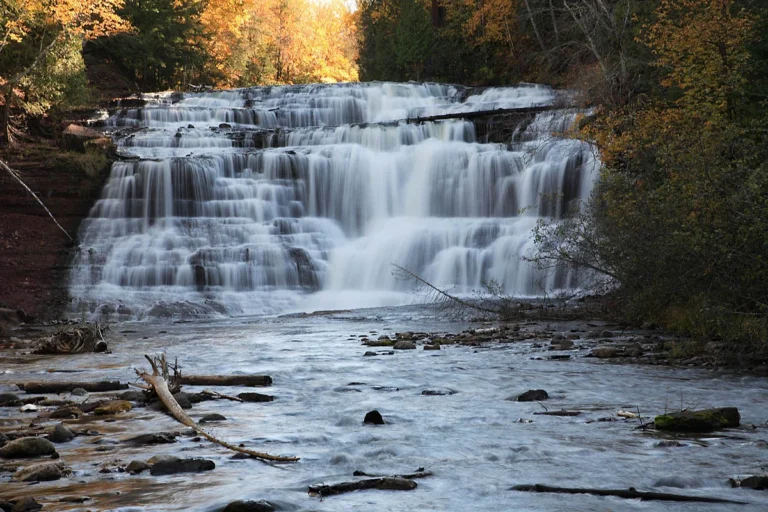 Michigan
Agate Falls Scenic Site
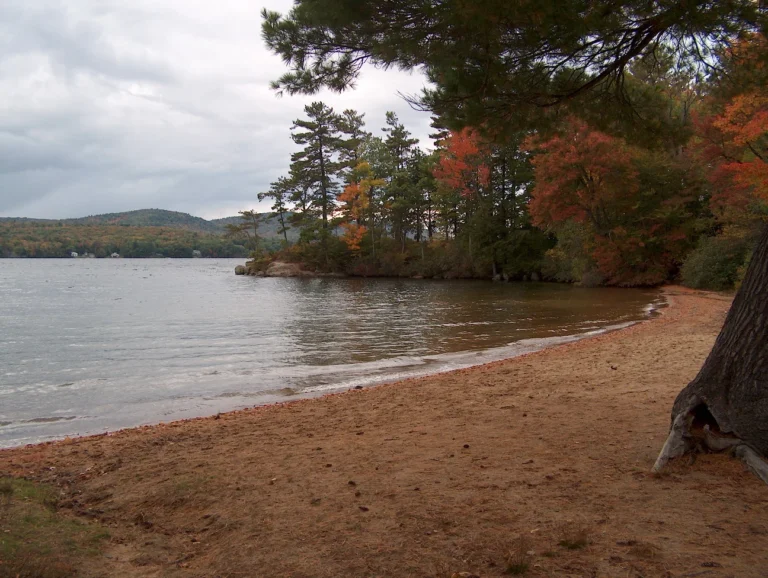 New Hampshire
Ahern State Park
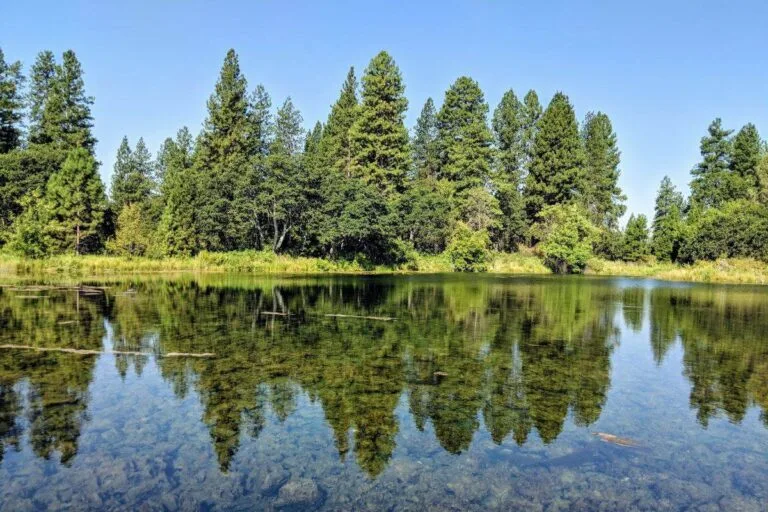 California
Ahjumawi Lava Springs State Park
HawaiiAhukini State Recreation Pier
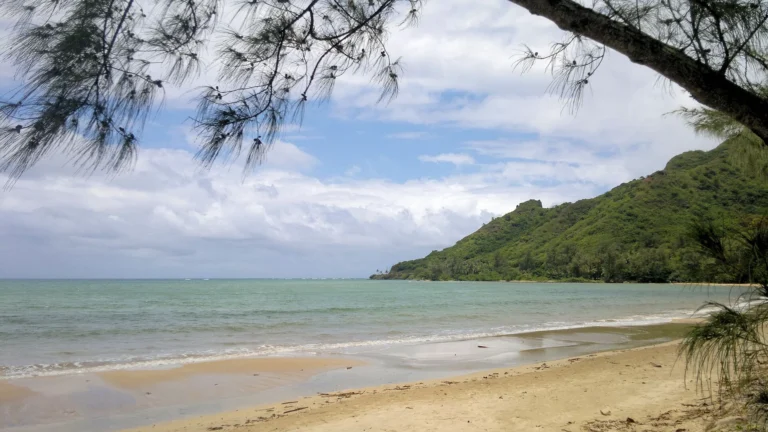 Hawaii
Ahupuaʻa ʻO Kahana State Park
South CarolinaAiken State Park
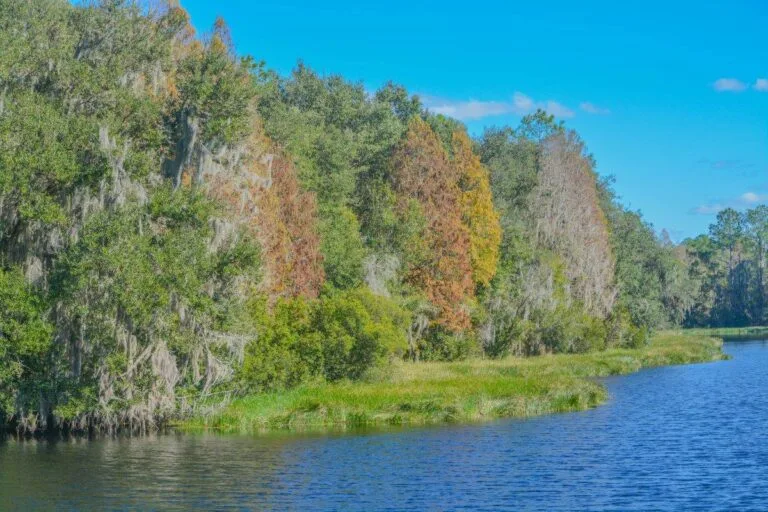 Florida
Alafia River State Park
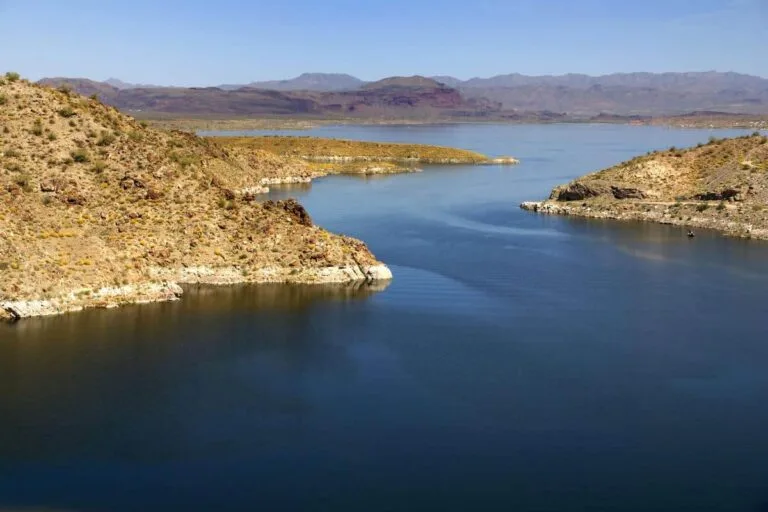 Arizona
Alamo Lake State Park
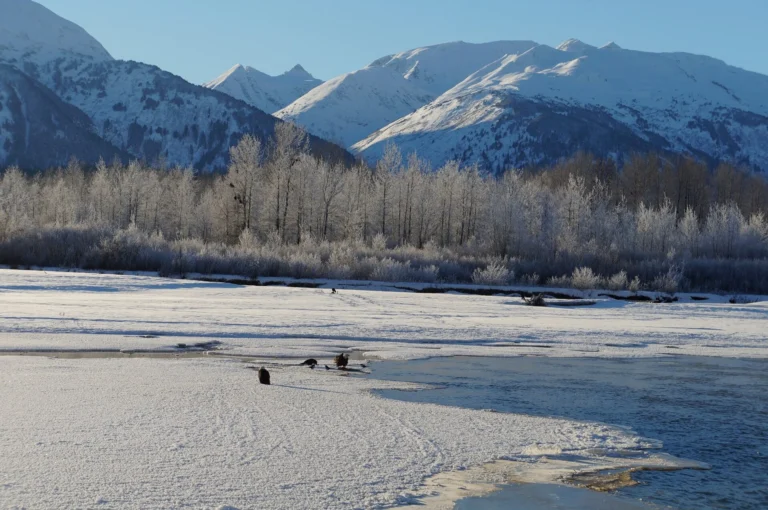 Alaska
Alaska Chilkat Bald Eagle Preserve
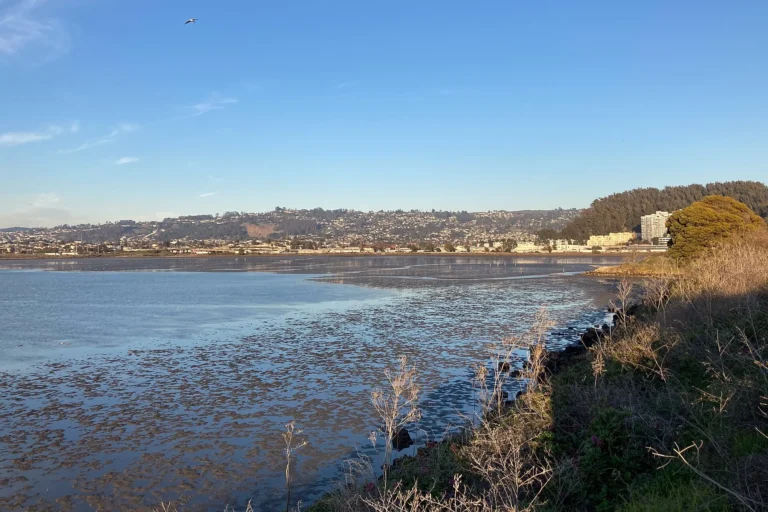 California
Albany State Marine Reserve
MichiganAlbert E. Sleeper State Park
Showing 24 of 2,902 parks
Top 15 State Parks for Fishing in America
After evaluating water quality, species diversity, accessibility, stocking programs, and overall angling experience, these are the 15 best state parks for fishing. Each park offers exceptional fishing combined with beautiful natural settings.
| Park | State | Target Species | Water Type | Best For | Rating |
|---|---|---|---|---|---|
| Lake Bob Sandlin SP | Texas | Bass, Crappie, Catfish | Lake (9,460 acres) | Trophy Bass 🏆 | ⭐ 4.8 |
| Montauk SP | Missouri | Rainbow Trout, Brown Trout | Spring-Fed Stream | Fly Fishing 🪰 | ⭐ 4.9 |
| Pymatuning SP | Pennsylvania | Walleye, Musky, Bass | Lake (17,088 acres) | Walleye Fishing 🐟 | ⭐ 4.7 |
| Ray Roberts Lake SP | Texas | Largemouth Bass, Crappie | Lake (29,000 acres) | Bank Fishing 🎣 | ⭐ 4.6 |
| Grayton Beach SP | Florida | Redfish, Snook, Trout | Coastal Dune Lake | Saltwater Fishing 🌊 | ⭐ 4.8 |
| Custer SP | South Dakota | Rainbow Trout, Brook Trout | Mountain Streams & Lakes | Scenic Fishing 🏔️ | ⭐ 4.9 |
| Brazos Bend SP | Texas | Bass, Catfish, Sunfish | Three Lakes + Creek | Family Fishing 👨👩👧 | ⭐ 4.7 |
| Moccasin Creek SP | Georgia | Stocked Trout, Bass | Creek + Lake Burton | Kids Fishing 🧒 | ⭐ 4.6 |
| Eisenhower SP | Texas | Striped Bass, Blue Catfish | Lake Texoma (89,000 acres) | Striper Fishing 💪 | ⭐ 4.7 |
| Bluestone SP | West Virginia | Bass, Catfish, Bluegill | Lake (2,040 acres) | Multi-Species 🐠 | ⭐ 4.6 |
| Cooper SP | Texas | Bass, Hybrid Striper, Catfish | Lake (19,305 acres) | Hybrid Bass 🎯 | ⭐ 4.5 |
| Unicoi SP | Georgia | Stocked Trout | Smith Creek + Lake | Trout Stocking 📅 | ⭐ 4.7 |
| Lake Livingston SP | Texas | Catfish, White Bass | Lake (83,000 acres) | Catfishing 🐱 | ⭐ 4.5 |
| Inks Lake SP | Texas | Striped Bass, Black Bass | Lake (803 acres) | Year-Round Fishing 📆 | ⭐ 4.7 |
| Black Rock Mountain SP | Georgia | Trout, Bream, Bass | Mountain Lake (17 acres) | Bank Fishing 🌲 | ⭐ 4.6 |
Pro Tip: Texas state parks don't require a separate fishing license — your park admission covers fishing. This makes Texas parks some of the most budget-friendly fishing destinations in the country, especially for families.
Freshwater Fish Species Guide: What You'll Catch
Knowing what species swim in state park waters helps you choose the right gear, bait, and technique. Here's a comprehensive guide to the most common freshwater fish species you'll encounter at state parks across America.
| Species | Best Bait/Lure | Peak Season | Difficulty | Best States | Fun Fact |
|---|---|---|---|---|---|
| Largemouth Bass | Plastic worms, spinnerbaits | Spring (Apr–Jun) | Intermediate | TX, FL, GA, AL | Can weigh 10+ lbs in southern waters |
| Rainbow Trout | PowerBait, flies, spinners | Spring & Fall | Beginner | MO, GA, NC, CO | Most commonly stocked trout species |
| Channel Catfish | Chicken liver, stink bait | Summer (Jun–Aug) | Beginner | TX, MO, MS, OK | Uses whisker-like barbels to taste food |
| Crappie | Minnows, small jigs | Spring (Mar–May) | Beginner | TX, MS, TN, AR | Best-tasting freshwater panfish |
| Walleye | Jigs, live minnows, leeches | Spring & Fall | Intermediate | MN, WI, PA, OH | Has reflective eyes for low-light feeding |
| Bluegill/Sunfish | Worms, crickets, small flies | Late Spring–Summer | Beginner | All 50 states | Perfect first fish for kids |
| Brown Trout | Nymphs, streamers, spinners | Fall (Sep–Nov) | Advanced | MT, PA, NY, WI | Most challenging trout to catch |
| Striped Bass | Live shad, large swimbaits | Spring & Fall | Advanced | TX, NC, SC, MD | Can exceed 50 lbs in reservoirs |
Best State Parks for Fishing by Region
Every region of the United States offers unique fishing experiences shaped by climate, water systems, and native species. Here are the best regional picks for state park fishing.
Northeast
The Northeast is trout country. Pennsylvania's Pymatuning State Park sits on a 17,088-acre reservoir spanning the Pennsylvania-Ohio border — one of the largest lakes in either state. It's legendary for walleye, musky, and both largemouth and smallmouth bass. Maine's Baxter State Park offers remote brook trout fishing in pristine mountain ponds.
New York's Allegany State Park features stocked trout streams and warm-water lakes perfect for bass and panfish. Vermont's state parks provide access to crystal-clear mountain streams with wild brook trout. Connecticut's Housatonic River corridor through Housatonic Meadows State Park is one of the premier fly fishing destinations in the Northeast.
Southeast
The Southeast dominates bass fishing. Georgia's Moccasin Creek State Park on Lake Burton receives weekly trout stockings, making it ideal for families with children. The park's ADA-accessible fishing pier means everyone can cast a line. Unicoi State Park's Smith Creek is heavily stocked with rainbow trout during cooler months.
West Virginia's state parks form a fishing paradise — Bluestone State Park on its 2,040-acre lake offers bass, catfish, crappie, and bluegill. Holly River State Park provides excellent wild trout fishing in the Left Fork of Holly River. Florida's Grayton Beach State Park offers unique saltwater fishing in the rare coastal dune lakes.
Midwest
The Midwest is walleye and musky territory. Minnesota's state parks provide access to over 11,000 lakes — including legendary walleye waters. Wisconsin's state parks on Lake Michigan and Lake Superior offer world-class salmon and trout fishing during seasonal runs.
Missouri's Montauk State Park is the crown jewel of Midwest trout fishing. Fed by Montauk Spring — one of the largest springs in the state — the park's cold, clear waters support year-round trout fishing. Daily trout tags are required, and anglers regularly catch limits of rainbow and brown trout on fly or spinning gear.
Southwest
Texas state parks are a fishing revelation. With no fishing license required inside state parks (just pay park admission), Texas makes fishing incredibly accessible. Ray Roberts Lake State Park covers 29,000 acres of prime largemouth bass water. Eisenhower State Park on Lake Texoma — the "Striper Capital of the Southwest" — produces striped bass exceeding 20 pounds.
Arizona's state parks offer desert fishing adventures at reservoirs like Patagonia Lake and Roper Lake, where you can fish for bass and trout against a backdrop of Sonoran Desert landscapes. New Mexico's state parks provide trout fishing at high-elevation lakes in the Sangre de Cristo Mountains.
Mountain West
Custer State Park in South Dakota offers pristine mountain stream fishing for rainbow and brook trout amid 71,000 acres of Black Hills wilderness. Montana's state parks along the Missouri and Madison Rivers are fly fishing meccas—producing brown trout exceeding 20 inches.
Wyoming's state parks near Yellowstone provide access to some of America's most legendary trout waters. Colorado's state parks at high elevations feature gold medal waters — specially designated streams and rivers where the trout fishing quality is among the best in the state.
West Coast
California's state parks offer diverse fishing from Pacific Coast surf casting to Sierra Nevada mountain trout. Washington's state parks along Puget Sound provide salmon and steelhead fishing during seasonal runs. Oregon's state parks feature outstanding steelhead and salmon rivers, including access to the legendary Rogue and Deschutes Rivers.
Alaska — while technically not a "state park" system in the traditional sense — offers fishing experiences found nowhere else on earth, with five species of Pacific salmon, massive rainbow trout, and Arctic grayling in waters accessible through state recreation areas.
Fishing License Costs: State-by-State Guide
Fishing license rules and prices vary by state, and the numbers move every year. Our 50-state license table further down this page lists every state — resident and non-resident annual prices, short-term licenses, youth and senior rules, free fishing days and the official agency link — and we keep it in sync with the figures we check against the agencies.
What to check before you go: most states run free fishing days, usually in early June, when no license is required — the dates change yearly, so confirm them with the agency. Youth ages differ more than people expect: under 15 in West Virginia, under 16 in most states, under 17 in Texas, under 18 in South Dakota. In Texas you do not need a license while you fish on state park property or in waters completely enclosed by a state park; the park entry fee still applies (TPWD, as of September 2026).
Best Season to Fish: Monthly Hatch Calendar
Timing is everything in fishing. This seasonal guide helps you plan your state park fishing trip for the best bite based on species activity and natural hatch cycles.
| Season | Best Species | Technique | Water Temp | Top Parks |
|---|---|---|---|---|
| Early Spring (Mar–Apr) | Crappie, White Bass | Small jigs, minnows near structure | 50–60°F | Cooper Lake, Pymatuning |
| Late Spring (May–Jun) | Largemouth Bass, Bluegill | Topwater lures, bed fishing | 60–75°F | Ray Roberts, Brazos Bend |
| Summer (Jul–Aug) | Catfish, Striped Bass | Bottom fishing, deep trolling | 75–85°F | Lake Livingston, Eisenhower |
| Early Fall (Sep–Oct) | Brown Trout, Walleye | Streamers, jigs at dusk | 55–65°F | Montauk, Custer |
| Late Fall (Nov–Dec) | Stocked Rainbow Trout | PowerBait, small flies, spinners | 45–55°F | Moccasin Creek, Unicoi |
| Winter (Jan–Feb) | Trout, Yellow Perch | Slow retrieves, ice fishing (north) | 32–45°F | Black Rock Mtn, Pymatuning |
Best Overall Month: May and early June consistently produce the best fishing across most species and regions. Water temperatures are ideal, bass are on beds, crappie are spawning in shallows, and trout stocking programs are in full swing at parks like Moccasin Creek and Montauk.
Essential Fishing Gear: What to Pack
Whether you're a seasoned angler or picking up a rod for the first time, having the right gear makes all the difference. Here's a comprehensive packing checklist for state park fishing trips.
| Category | Essential Items | Approx. Cost | Tip |
|---|---|---|---|
| Rod & Reel | Medium-action spinning combo (6–7 ft) | $40–$100 | Versatile enough for bass, trout, and panfish |
| Line | 6–10 lb monofilament or fluorocarbon | $5–$15 | Lighter line = more bites in clear water |
| Terminal Tackle | Hooks (#6–#2), split shot, bobbers, swivels | $10–$20 | A basic tackle box covers 90% of situations |
| Bait | Live worms, PowerBait, small jigs | $5–$15 | Live bait outperforms artificial for beginners |
| Sun Protection | Hat, polarized sunglasses, SPF 50+ | $20–$50 | Polarized lenses reduce glare to spot fish |
| Safety | Needle-nose pliers, first aid kit, whistle | $10–$25 | Pliers are essential for hook removal |
| Storage | Cooler with ice, stringer or fish basket | $15–$40 | Keep catch on ice immediately for best flavor |
| License | State fishing license + any required stamps | $5–$80 | Buy online before your trip to save time |
Budget Tip: Many state parks offer loaner rod programs where you can borrow fishing equipment for free. Check with the park office before buying gear, especially for first-time anglers. Parks like Montauk State Park in Missouri even sell tackle and bait at their on-site store.
Bait & Lures: What to Use
Choosing the right bait is often the difference between a successful outing and going home empty-handed. Here's a breakdown of effective options for freshwater fishing in state parks.
| Bait Type | Best For | How to Use | Availability |
|---|---|---|---|
| 🪱 Nightcrawlers/Worms | Bass, trout, panfish, catfish | Thread onto hook or cut into pieces | Bait shops, dig your own |
| 🐟 Minnows | Bass, pike, walleye, crappie | Hook through lips or dorsal fin | Bait shops near parks |
| 🦗 Crickets/Grasshoppers | Panfish, sunfish, trout | Hook once through thorax | Bait shops, catch in fields |
| 🦐 Crayfish | Smallmouth bass, catfish | Hook through tail, cast near rocks | Catch in shallow streams |
| 🧀 PowerBait/Dough Bait | Stocked trout | Mold onto treble hook, float off bottom | Sporting goods stores |
| 🔄 Spinners | Trout, bass, pike | Cast and retrieve at steady pace | Tackle shops, online |
| 🐛 Soft Plastic Worms | Largemouth bass | Texas-rig, slow retrieve along bottom | Tackle shops, online |
| 🎯 Jigs | Bass, crappie, walleye | Bounce along bottom with jigging motion | Tackle shops, online |
Fishing Techniques for State Parks
State park waters vary widely — from small stocked ponds to large natural lakes to flowing rivers. Here are the most effective techniques for each scenario.
Bobber Fishing (Best for Beginners)
Attach a bobber 2–4 feet above your baited hook. Cast near structure (fallen trees, rocks, weed beds) and watch the bobber. When it dips below the surface, set the hook with a firm upward rod sweep. This is the simplest and most effective technique for catching panfish, trout, and bass in state park ponds and lakes.
Cast and Retrieve
Using a spinner or artificial lure, cast toward likely fish-holding areas and reel back at a steady pace. Vary your retrieve speed — sometimes a fast retrieve triggers strikes, other times a slow, erratic retrieve works better. Excellent for covering water in larger lakes.
Bottom Fishing
Use a heavy sinker to keep your bait near the bottom. Best for catfish and carp which feed along the lake bed. Use cut bait, worms, or dough bait. Cast out, tighten your line, and wait — bottom fishing rewards patience.
Float Fishing in Rivers
In rivers and streams, use a bobber to drift your bait naturally with the current. Position yourself upstream of likely holding spots (pools, eddies, undercut banks). This technique is deadly for trout and smallmouth bass.
Family Fishing Guide: Getting Kids Started
State parks are the best places to introduce children to fishing. With stocked ponds, ADA-accessible piers, and ranger-led fishing programs, many parks are specifically designed to create positive first fishing experiences.
Best Parks for Kids
Moccasin Creek State Park in Georgia is the gold standard for family fishing. Weekly trout stockings mean abundant, easy-to-catch fish. The ADA-accessible fishing pier on Lake Burton means children, seniors, and mobility-impaired anglers all have equal access. Brazos Bend State Park in Texas features three easily accessible lakes where kids regularly catch bluegill and channel catfish from the bank.
Black Rock Mountain State Park receives monthly trout stockings in its 17-acre lake, with excellent bank fishing that eliminates the need for a boat. West Virginia's Beech Fork State Park offers over 100 lakefront campsites where you can literally fish from your campsite.
Tips for Fishing with Kids
- Keep sessions short: 1–2 hours is ideal for children under 10. End on a high note — leave while they're still having fun
- Start with panfish: Bluegill and sunfish bite frequently and are easy to catch on simple worm-and-bobber setups
- Bring snacks: Hungry kids lose focus fast. Pack extra water and favorite snacks
- Use barbless hooks: Easier to remove from fish (and fingers) — just crimp down the barb with pliers
- Celebrate every catch: A 4-inch bluegill is a trophy to a 6-year-old. Take photos and make it memorable
- Let them get messy: Touching worms, holding fish, and getting creek mud on boots are part of the experience
Fly Fishing in State Parks
For anglers who prefer the art of fly fishing, several state parks offer exceptional opportunities on cold-water streams and spring creeks.
Montauk State Park in Missouri is widely considered the finest state park fly fishing destination in America. The spring-fed Current River maintains ideal water temperatures year-round for both rainbow and brown trout. The park's catch-and-release zone upstream of the mill dam challenges experienced anglers with spooky, well-educated fish.
Georgia's Unicoi State Park offers fly fishing on Smith Creek, which flows through a lush Appalachian valley. The creek is stocked with rainbow trout during cooler months, and the park's proximity to Helen makes it easy to combine a fishing trip with a mountain town getaway.
Pennsylvania's Houstatonic and Pine Creek valleys feature state parks along some of the finest trout streams in the Mid-Atlantic. South Dakota's Custer State Park offers small-stream fly fishing for brook and rainbow trout in scenic mountain settings — plus the chance to spot bison herds along the water.
Fly Fishing Starter Gear
New to fly fishing? A 5-weight rod and reel combo ($100–$250) covers most state park trout water. Pack a selection of size 14–18 nymphs (Pheasant Tail, Hare's Ear, Prince) and a few dry flies (Elk Hair Caddis, Adams, Parachute Adams). A 9-foot 5X tapered leader and a box of split shot round out the essentials.
Catch and Release Best Practices
Many state parks have special catch-and-release regulations on premium waters. Even where keeping fish is allowed, practicing proper catch and release helps maintain healthy fish populations for future anglers.
- Land fish quickly: Fight time should be under 2 minutes to minimize stress
- Wet your hands: Dry hands remove the protective slime coat that shields fish from infection
- Keep fish in water: Aim to release within 30 seconds. Keep the mouth and gills submerged
- Use rubber nets: Rubber mesh is far gentler on fish than traditional knotted nylon nets
- Remove hooks gently: Use needle-nose pliers or forceps. If deeply hooked, cut the line — the hook will dissolve
- Monitor water temperature: Avoid fishing for trout when water exceeds 68°F (20°C) — warm water reduces oxygen and makes recovery difficult
- Revive before releasing: Hold the fish facing upstream in gentle current until it swims away under its own power
Frequently Asked Questions About State Park Fishing
Do I need a fishing license to fish in state parks?
In most states, yes — you need a valid state fishing license even inside state parks. The major exception is Texas, where your state park admission covers fishing without an additional license. Most states offer affordable day passes ($3–$15) and free fishing days (usually in June). Children under 15–16 typically fish for free in every state.
What is the best state park for fishing in America?
Montauk State Park in Missouri is widely regarded as the best state park for trout fishing, with its spring-fed streams supporting year-round populations of rainbow and brown trout. For bass fishing, Lake Bob Sandlin State Park in Texas offers trophy largemouth bass in a 9,460-acre lake. Texas waives the fishing license while you fish from the park’s own banks and piers, but the reservoir reaches well beyond the park boundary, so ask park staff where it runs before you fish from a boat. The best park depends on your target species and preferred fishing style.
Can I keep the fish I catch in a state park?
Yes, in most state parks you can keep fish within the daily creel limits set by the state's fish and wildlife department. These limits vary by species, water body, and season. Some premium waters may have catch-and-release-only zones or special regulations (like artificials-only or slot limits). Always check the specific regulations posted at the park or on the state's DNR website before fishing.
What fishing gear do I need for state parks?
A medium-action spinning rod and reel combo (6–7 feet, $40–$100), 8 lb test line, a basic tackle box with hooks, split shot, and bobbers, plus live bait (worms) covers 90% of state park fishing. For trout streams, scale down to a lighter setup. Many parks offer free loaner rod programs — check with the park office before buying gear.
Are state parks stocked with fish?
Many state parks participate in fish stocking programs, particularly for trout. Parks like Moccasin Creek (weekly), Montauk (regular), and Black Rock Mountain (monthly) in Georgia receive regular stockings. Stocking schedules are typically published on the state's DNR website. Stocked waters are excellent for beginners because fish are abundant and actively feeding.
Can I fly fish in state parks?
Absolutely! Many state parks have excellent fly fishing water. Montauk State Park (MO), Unicoi State Park (GA), and state parks along Pennsylvania's Pine Creek are top fly fishing destinations. Some parks designate catch-and-release, artificials-only zones that create superb fly fishing. A 5-weight rod with basic nymph and dry fly patterns covers most state park trout streams.
What is the best time of year to fish in state parks?
Late spring (May–June) is generally the best time for most species. Bass are on spawning beds, crappie are in the shallows, and trout stocking programs are running at full capacity. Fall (September–November) is the second-best window, especially for brown trout, walleye, and autumn bass feeding frenzies. Each species and region has a unique peak — use our seasonal guide above for specific timing.
Is fishing in state parks safe for children?
State parks are among the safest places to fish with children. Many feature ADA-accessible fishing piers, stocked ponds with easy bank access, and ranger-led fishing programs. Use barbless hooks for safety, bring life jackets for waterside activities, and keep sessions short (1–2 hours). Parks like Moccasin Creek, Brazos Bend, and Black Rock Mountain are specifically known for being family-friendly fishing destinations.
🎣 Find Your Perfect Fishing Spot
Use our interactive park filter above to explore fishing-friendly state parks by state. With detailed information on activities, amenities, and real visitor ratings, finding your next fishing destination takes seconds.
Planning a broader outdoor trip? Check out our guides to Best State Parks for Camping, Best State Parks for Hiking, Dog-Friendly State Parks, and State Parks with Cabins.
| State | Resident | Free Days | Official | ||||
|---|---|---|---|---|---|---|---|
| Alabama | 💚 $17 | $66.25 | < 16 Free | 65+: not needed (residents only) | June 13, 2026 |
Residents may fish from the bank with hook and line in their…
Residents may fish from the bank with hook and line in their home county without a license (proof of residency). On the Gulf State Park Pier you also pay the pier permit ($10 a day for adults) on top of an Alabama saltwater or pier license. All licenses expire August 31. | ↗ |
| Alaska | 💚 $20 | $100 | Under 18 (residents) / under 16 (non-residents) free | 60+ free (residents) | Check agency |
One sport fishing license covers fresh and salt water; licenses run from…
One sport fishing license covers fresh and salt water; licenses run from purchase to December 31. King salmon need the king salmon stamp, except in stocked lakes. Residents 60 and older fish without a license but need the no-cost ADF&G identification card. | ↗ |
| Arizona | 💛 $37 | $55 | Under 10: not needed. Ages 10-17: youth combo hunt/fish $5 (R and NR) | 70+ with 25 years of Arizona residency: no-cost pioneer license. Otherwise full price | First Saturday of National Fishing and Boating Week, usually in early June (2026: June 6) |
Licenses run 365 days from purchase and cover all species, including trout,…
Licenses run 365 days from purchase and cover all species, including trout, and fishing with two poles. Anglers 10 and older need a license, blind residents do not. A combination hunt and fish license costs $57 for residents and $160 for non-residents. Prices are from the Arizona Game and Fish Department licensing page and the 2025-26 fishing regulations (checked in September 2026). | ↗ |
| Arkansas | 💚 $10.50 | $60 | < 16 Free | 65+: $10.50 lifetime | June 12-14, 2026 |
Residents 65 and older can buy a lifetime fishing license for $10.50,…
Residents 65 and older can buy a lifetime fishing license for $10.50, the price of one annual license. Keeping trout, or fishing the listed trout tailwaters, needs a trout permit ($10 residents, $20 non-residents). | ↗ |
| California | 🟠 $64.54 | $174.14 | < 16 Free | No general discount 65+ on SSI/CAPI: $10.04 (residents) | July 4 and Sept 5, 2026 |
One license covers inland and ocean waters and runs 365 days from…
One license covers inland and ocean waters and runs 365 days from purchase. Angling from a public pier in ocean waters does not need a license. A second rod in inland waters needs the $20.26 second rod validation. Fees include a 5% agent handling fee and a 3% application fee. | ↗ |
| Colorado | 🟠 $44.87 + $12.76 habitat stamp | $124.01 + $12.76 habitat stamp | < 16 Free | 64+: $12.96 (residents) | June 6-7, 2026 |
Anglers 18 to 64 also need the $12.76 habitat stamp once a…
Anglers 18 to 64 also need the $12.76 habitat stamp once a year; it is not part of the license price. Annual licenses run March 1 to March 31 of the next year (13 months). | ↗ |
| Connecticut | 💛 $28 inland ($32 all waters) | $55 inland ($63 all waters) | < 16 Free | 65+: no charge (residents, renew yearly) | May 9, 2026 |
The all-waters license covers inland and marine waters; marine licenses from Maine,…
The all-waters license covers inland and marine waters; marine licenses from Maine, Massachusetts, New York and Rhode Island are valid in Connecticut's marine district. On June 21 and August 8, 2026 anglers needed a no-cost one-day license from the online system. Trout parks, most of them in state parks, need the trout and salmon stamp. | ↗ |
| Delaware | 💚 $8.50 | $20 | < 16 Free | 65+: not needed (residents, FIN number required) | June 6-7, 2026 |
One license covers fresh and tidal waters, crabbing and clamming. Anglers 16…
One license covers fresh and tidal waters, crabbing and clamming. Anglers 16 and older also need the no-cost Fisherman Information Network (FIN) number. Agents add $2.50 per license. Licenses follow the calendar year. | ↗ |
| Florida | 💚 $17 | $47 | Under 16 free (year-round) | 65+: not needed (residents) | Freshwater: first weekend in April and second weekend in June. Saltwater: first weekend in June, first Saturday in September and the Saturday after Thanksgiving |
Prices include the state issuance fee, vendors may add 50 cents. Residents…
Prices include the state issuance fee, vendors may add 50 cents. Residents can get a no-cost shoreline license for saltwater fishing from land or from structures fixed to land. Residents can also buy 5-year and combination licenses. Prices are from the FWC license pages (copies of June and September 2026). | ↗ |
| Georgia | 💚 $15 | $50 | < 16 Free | 65+: $4/yr (residents) | June 6, June 13 and Sept 26, 2026 (Georgia residents only) |
Saltwater anglers 16 and older also need the no-cost Saltwater Information Program…
Saltwater anglers 16 and older also need the no-cost Saltwater Information Program (SIP) permit. Several Georgia state parks lend fishing tackle through a loaner program. Online purchases add a $3 transaction fee. | ↗ |
| Hawaii | 💚 $5 freshwater (16–64); saltwater: no license | $25 freshwater (16–64); $70 saltwater (15+) | Under 9 free 9–15: $3/yr (freshwater) | 65+: freshwater license at no cost (still required) | Check agency |
Visitors need a marine fishing license from age 15 for saltwater and…
Visitors need a marine fishing license from age 15 for saltwater and a freshwater game fishing license from age 9 for streams and reservoirs. Residents fish saltwater without a license but need the freshwater license from age 9. Lake Wilson on Oahu also requires the Wahiawa entry permit, issued at no charge with a freshwater license. Online processing fees are extra. | ↗ |
| Idaho | 💛 $30.50 | $108 | < 14 Free | 65+: $13.75 hunt & fish combo (residents) | June 12, 2027 (next) |
Salmon and steelhead need an extra permit ($15.25 residents, $28.25 non-residents). Annual…
Salmon and steelhead need an extra permit ($15.25 residents, $28.25 non-residents). Annual licenses add an access/depredation fee ($5 resident adults, $10 non-resident adults). Licenses follow the calendar year. | ↗ |
| Illinois | 💚 $15 | $31.50 | < 16 Free | 65-74: $7.75 75+: $1.50 (residents) | June 19-22, 2026 |
Annual licenses run until March 31 (bought on or after March 1,…
Annual licenses run until March 31 (bought on or after March 1, 2026: valid to March 31, 2027). Prices include the agent fee; a transaction fee may apply. Trout and salmon in Lake Michigan need the salmon stamp, trout elsewhere the inland trout stamp. | ↗ |
| Indiana | 💛 $23 | $60 | < 18 Free | Residents 64+: $3/yr or $23 for life born before Apr 1, 1943: not needed | May 10, June 6-7 and Sept 26, 2026 (Indiana residents only) |
Annual licenses run April 1 to March 31. The $11 trout/salmon stamp…
Annual licenses run April 1 to March 31. The $11 trout/salmon stamp is sold on its own; one-day and senior licenses include it. Online purchases add a $3 tech fee per license plus a card fee. | ↗ |
| Iowa | 💛 $22 | $48 | < 16 Free | 65+: $61.50 lifetime (residents) | June 5-7, 2026 (Iowa residents only) |
Anyone fishing for or keeping trout needs the trout fee ($14.50 residents,…
Anyone fishing for or keeping trout needs the trout fee ($14.50 residents, $17.50 non-residents). Licenses follow the calendar year; next year's resident licenses go on sale December 15. | ↗ |
| Kansas | 💛 $27.50 | $77.50 | < 16 Free | 65-74: $12.50 (residents) 75+: not needed | June 6-7, 2026 |
Annual prices shown include the $1 agent fee and $1.50 transaction fee…
Annual prices shown include the $1 agent fee and $1.50 transaction fee KDWP adds to every license (base fees: $25 resident, $75 non-resident); online purchases add a 2.95% card fee. Anglers 16 and older who fish for trout also need the $17.50 trout permit. Annual licenses run 365 days. | ↗ |
| Kentucky | 💛 $24.31 | $58.14 | < 16 Free | 65+: $12.68 senior sportsman's license, includes the trout permit (residents) | June 6-7, 2026 |
Anglers 16 and older need a Kentucky fishing license, also inside state…
Anglers 16 and older need a Kentucky fishing license, also inside state parks. Licenses run March 1 to the end of February. Residents can also buy a 3-year fishing license ($58.14) or a joint married-couple license ($44.38). Prices are from the Kentucky Department of Fish and Wildlife Resources fee page (copy of July 2026). | ↗ |
| Louisiana | 💚 $17 | $68 | < 18 Free | Born before 6/1/1940: free 60+: $5 | June 6-7, 2026 |
Unique age-based senior pricing. Saltwater requires basic + saltwater license.
Unique age-based senior pricing. Saltwater requires basic + saltwater license. | ↗ |
| Maine | 💛 $30 | $83 | < 16 Free | 70+: $8 one-time lifetime (residents) | Feb 14-15 and May 30-31, 2026 |
Anglers 16 and older need a license for inland waters. The saltwater…
Anglers 16 and older need a license for inland waters. The saltwater registry is separate, but holders of a Maine freshwater license do not need it. License agents add a $2 fee per license. | ↗ |
| Maryland | 💛 $32 | $55 minimum (varies by home state) | < 16 Free | 65+: $12 consolidated license (residents) | First two Saturdays in June and July 4 (every year) |
Nontidal (freshwater) and tidal (Chesapeake Bay and coastal) waters each need their…
Nontidal (freshwater) and tidal (Chesapeake Bay and coastal) waters each need their own license, both run 365 days from purchase. Non-resident nontidal fees match what the angler's home state charges Marylanders, at least $55. Prices are from the Maryland DNR license page (copy of June 2026). | ↗ |
| Massachusetts | 💛 $40 (+$5 Wildlands stamp on the first license each year) | $50 (+$5 Wildlands stamp) | Under 15: not needed. Ages 15-17: no-cost license for residents, $8 for non-residents | 65-69: $20. 70+: no charge (residents) | Check agency |
Licenses follow the calendar year and expire December 31. Prices do not…
Licenses follow the calendar year and expire December 31. Prices do not include the $5 Wildlands Conservation Stamp, added to the first resident license each year and to every non-resident license. Prices are from the MassWildlife fee page (copy of July 2026). | ↗ |
| Michigan | 💛 $26 | $76 | < 17 Free | 65+: $11 | Presidents Day weekend (Sat-Sun) and the weekend after the first full week of June |
Annual licenses run April 1 to March 31 (2026 licenses are valid…
Annual licenses run April 1 to March 31 (2026 licenses are valid through March 31, 2027) and cover all species. A $1 surcharge is added to annual licenses. | ↗ |
| Minnesota | 💛 $25 | $51 ($46 + $5 surcharge) | Under 16 free (residents; non-residents with a licensed parent) | 90+: not needed (residents) | Residents only: Take a Kid Fishing weekends with a child under 16 (next: January 16-18, 2027, ice fishing) and Mother's Day weekend for mothers |
Residents may fish without an angling license when shore fishing or wading…
Residents may fish without an angling license when shore fishing or wading on state-owned land in a state park, and on lakes lying completely inside a park, but not on waters that need a trout stamp. Non-residents need a license there too. The license year runs March 1 to the end of February and every license carries a $1 issuing fee. Prices are from the 2026 Minnesota fishing regulations. | ↗ |
| Mississippi | 💚 $13.49 | $75.42 | < 16 Free | 65+: exempt, proof required optional Senior Exempt License $2.30 | Check agency |
Annual prices shown include the $1.00 agent fee and $2.49 process fee…
Annual prices shown include the $1.00 agent fee and $2.49 process fee MDWFP adds to resident licenses ($3.00 and $4.42 for non-residents); the base prices are $10.00 for the Small Game Hunting/Freshwater Fishing license, the cheapest resident option that covers fishing, and $68.00 for the non-resident freshwater license. At 12 of the 17 state park lakes MDWFP manages you also need the park permit: $5 a day without boat launching, $9 with, or $55 a year for ages 16 to 61 ($35 at the exempt rate). Registered campers have fishing and launching included. | ↗ |
| Missouri | 💚 $14 | $57 | < 16 Free | 65+: not needed (residents, trout permit/tags still apply) | Saturday and Sunday after the first Monday in June |
Bennett Spring, Montauk and Roaring River state parks are trout parks: besides…
Bennett Spring, Montauk and Roaring River state parks are trout parks: besides a fishing permit you need a daily trout tag ($5 adults, $3 ages 15 and younger). A daily fishing permit costs $9 per day for residents and non-residents. | ↗ |
| Montana | 💛 $31 | $117.50 incl. conservation + AIS ($100 base) | < 12 Free | 62+: $16.50 season total (residents) | Mother's Day and Father's Day weekends (every year, by state law) |
Prices shown are totals: the base license plus the conservation license ($8…
Prices shown are totals: the base license plus the conservation license ($8 residents, $10 non-residents) and the angler AIS prevention pass ($2, $7.50 for non-residents). Licenses run March 1 to the end of February. Children 11 and younger fish without a license. | ↗ |
| Nebraska | 🟠 $41 (incl. habitat stamp) | $95.50 (incl. habitat stamp) | < 16 Free | 69+: $5 hunt/fish/fur (residents) | Saturday before Memorial Day weekend (Free Fishing and Park Entry Day) |
Prices include the aquatic habitat stamp and a $3 issue fee. Once…
Prices include the aquatic habitat stamp and a $3 issue fee. Once a year, on the Saturday before Memorial Day weekend, you need neither a fishing permit nor a park entry permit. | ↗ |
| Nevada | 💛 $40 | $80 | < 12 Free | 65+: $15 combination (residents, 6 months) | June 13, 2026 |
Anglers 12 to 17 fish on the $15 Youth Combination License. NDOW…
Anglers 12 to 17 fish on the $15 Youth Combination License. NDOW also sells a $30 Interstate Boundary Waters License valid only on the Colorado River, Lake Mead, Lake Mohave, Lake Tahoe and Topaz Lake. A small processing fee is added to all prices. | ↗ |
| New Hampshire | 🟠 $45 | $63 | < 16 Free | 68+: $7/yr (residents) | Third Saturday in January and first Saturday in June |
Freshwater and saltwater licenses are sold on their own; the $11 saltwater…
Freshwater and saltwater licenses are sold on their own; the $11 saltwater license applies to residents and non-residents. A $2 transaction fee is added per license ($2.75 online). | ↗ |
| New Jersey | 💛 $22.50 | $34 | < 16 Free | 65-69: $12.50 70+: not needed (residents) | June 6 and Sept 26, 2026 (NJ residents only) |
Saltwater anglers 16 and older need the no-cost New Jersey Saltwater Recreational…
Saltwater anglers 16 and older need the no-cost New Jersey Saltwater Recreational Registry. Trout and salmon need the trout stamp ($10.50 residents, $20 non-residents). Licenses run until December 31. | ↗ |
| New Mexico | 💛 $35 (+ $4 habitat validation, 18+) | $90 (+ $4 habitat validation, 18+) | < 12 Free | 65-69: $8 70+: no charge (residents) | June 6-7 and Sept 26-27, 2026 |
Anglers 18 and older also pay the $4 habitat management and access…
Anglers 18 and older also pay the $4 habitat management and access validation (HMAV); a $10 habitat stamp is needed on U.S. Forest Service and BLM land. Licenses run April 1 to March 31. Residents 70 and older get the license at no charge but must carry it. | ↗ |
| New York | 💛 $25 | $50 | < 16 Free | 70+: $5 | Feb 14-15, June 27-28, Sept 26 and Nov 11, 2026 |
Annual licenses run 365 days from purchase. Saltwater fishing needs the no-cost…
Annual licenses run 365 days from purchase. Saltwater fishing needs the no-cost Recreational Marine Fishing Registry (16+). Some Long Island state parks require extra permits for night fishing or 4WD beach access. | ↗ |
| North Carolina | 💛 $32 inland ($51 inland + coastal) | $56 inland | < 16 Free | 70+: $20 lifetime (residents, or 65+ if born by Aug 1, 1953) | July 4 every year (inland, coastal and trout waters) |
The State Inland license covers inland waters, including Public Mountain Trout Waters;…
The State Inland license covers inland waters, including Public Mountain Trout Waters; coastal waters need the Coastal Recreational Fishing License. Mountain Heritage Trout Waters also sell a 3-day license for $10. A $5 transaction fee applies per order. | ↗ |
| North Dakota | 💛 $27 + $2 certificate | $68 + $5 certificate | Under 16 free (residents; non-residents with a licensed adult) | 65+: $10 (residents) | June 6-7 and Dec 26-27, 2026 (residents only) |
All licenses need the fishing, hunting and furbearer certificate ($2 residents, $5…
All licenses need the fishing, hunting and furbearer certificate ($2 residents, $5 non-residents), bought once per license year. Licenses run April 1 to March 31. | ↗ |
| Ohio | 💛 $25 | $76.96 | < 16 Free | 65+: $10/yr (residents) born before 1938: no charge | June 20-21, 2026 (Ohio residents only) |
One-year licenses run 365 days from the date of purchase and cover…
One-year licenses run 365 days from the date of purchase and cover Lake Erie and all other public waters. Short-term options: resident 1-day $14; non-resident 1-day $27.04 or 3-day $52. A transaction fee may apply online. | ↗ |
| Oklahoma | 💛 $31 | $81 | < 18 Free | 65+: $30 lifetime (residents) | June 5-6, 2027 (next) |
Anglers 18 and older need a license; annual licenses run 365 days.…
Anglers 18 and older need a license; annual licenses run 365 days. The $12 Lake Texoma license allows fishing on both the Oklahoma and Texas portions of the lake. Texas residents 65 and older do not need an Oklahoma fishing license. | ↗ |
| Oregon | 🟠 $50 | $138 | < 12 Free | 70+: $34 (residents, 5 years) | Feb 14-15, June 6-7 and Nov 27-28, 2026 |
Anglers 12 and older need a license; youth 12 to 17 pay…
Anglers 12 and older need a license; youth 12 to 17 pay $10. Salmon, steelhead, sturgeon and halibut also need the combined angling tag. Ocean fishing from beaches, jetties and boats needs the $9 ocean endorsement (new in 2026). Licenses run January 1 to December 31. | ↗ |
| Pennsylvania | 💛 $27.97 | $60.97 | < 16 Free | 65+: $14.47/yr or $86.97 lifetime (residents) | May 24 and July 4, 2026 |
Licenses follow the calendar year (2026 licenses went on sale December 1,…
Licenses follow the calendar year (2026 licenses went on sale December 1, 2025). Trout need the $14.97 trout permit, Lake Erie the $9.97 Lake Erie permit. Prices include the $1 agent fee and the $0.97 transaction fee. | ↗ |
| Rhode Island | 💛 $21 | $38 | < 15 Free | 65+: no charge, permanent license (residents) | First full weekend in May (freshwater only) |
Licenses run March 1 to the end of February. A combination hunting…
Licenses run March 1 to the end of February. A combination hunting and fishing license costs $38. Prices are from the Rhode Island DEM freshwater license page (copy of April 2026, page dated February 2024). The minimum age and the saltwater license fee could not be checked. | ↗ |
| South Carolina | 💚 $10 | $35 | < 16 Free | 64+: $9 lifetime (residents) born by 7/1/1940: no cost | Memorial Day and July 4 (residents, freshwater only, next: May 31, 2027) |
Freshwater and saltwater licenses are sold on their own. On the Myrtle…
Freshwater and saltwater licenses are sold on their own. On the Myrtle Beach State Park pier a daily pier pass ($8 for ages 16 and older) replaces the saltwater license; surf fishing from the beach still needs one. Licenses run one year from purchase. | ↗ |
| South Dakota | 💛 $31 + $10 habitat stamp | $80 + $25 habitat stamp | < 18 Free | 65+: $17 | May 15-17, 2026 |
Annual licenses need the habitat stamp ($10 residents, $25 non-residents, ages 18+);…
Annual licenses need the habitat stamp ($10 residents, $25 non-residents, ages 18+); 1-day licenses do not. Agents and online sales add up to $4 per license. The 2026 license period runs December 15, 2025 to January 31, 2027. | ↗ |
| Tennessee | 💛 $33 (hunt/fish combo, no trout) | $49 no trout, $98 all species (plus processing fees) | < 13 Free | 65+: $4/yr (residents) | Bobby Wilson Free Fishing Day, the Saturday of the first full week in June (next: June 12, 2027). Children 15 and younger fish without a license the following week |
Anglers 13 and older need a license. Trout fishing needs the trout…
Anglers 13 and older need a license. Trout fishing needs the trout supplement (residents) or an all-species license (non-residents). Annual licenses run 365 days from purchase and processing fees apply to every purchase. Prices are from the TWRA license page (copy of September 2026). | ↗ |
| Texas | 💛 $30 | $58 | < 17 Free | 65+: $12 | First Saturday in June (next: June 5, 2027) |
You don't need a fishing license or endorsement on Texas state park…
You don't need a fishing license or endorsement on Texas state park property or in waters completely enclosed by a state park (more than 70 parks, all year). Park entry fees and all other fishing rules still apply. | ↗ |
| Utah | 💛 $40 | $120 | < 12 Free | 65+: $31 (residents) | June 6, 2026 |
Anglers 12 and older need a license; ages 12 to 13 pay…
Anglers 12 and older need a license; ages 12 to 13 pay $5 (residents) or $18 (non-residents). Licenses run 365 days from purchase. Card payments carry a 2.2% transaction fee. | ↗ |
| Vermont | 💛 $28 | $54 | < 15 Free | 66+: $60 one-time permanent license (residents) | Last Saturday in January and second Saturday in June |
Children under 15 never need a license; anglers 15 to 17 buy…
Children under 15 never need a license; anglers 15 to 17 buy a youth license ($8 residents, $15 non-residents). Short-term licenses run on consecutive days. | ↗ |
| Virginia | 💛 $23 ($28 from Oct 1, 2026) | $47 ($72 from Oct 1, 2026) | < 16 Free | 65+: $9 | June 5-7, 2026 |
Freshwater prices rise on October 1, 2026. Douthat State Park's fee fishing…
Freshwater prices rise on October 1, 2026. Douthat State Park's fee fishing area needs a daily permit ($8, $13 from Oct 1), and the Kiptopeke and York River state park piers charge a fishing fee instead of a license. Saltwater licenses come from the Virginia Marine Resources Commission. | ↗ |
| Washington | 💛 $39.95 | $115.85 | < 16 Free | 70+: $9.59 freshwater (residents) | June 12-13, 2027 (next) |
The freshwater license does not cover saltwater; the combination license covers fresh…
The freshwater license does not cover saltwater; the combination license covers fresh water, salt water and shellfish. Licenses include a Vehicle Access Pass, prices include all fees, and the license year runs April 1 to March 31. | ↗ |
| West Virginia | 💚 $19 | $37 | < 15 Free | 65+: $25 senior license (residents) born before 1947: not needed | June 13-14, 2026 |
Annual licenses also need the conservation stamp ($5 residents; $13 conservation/law enforcement…
Annual licenses also need the conservation stamp ($5 residents; $13 conservation/law enforcement stamp for non-residents). Anglers on national forest land also need the $2 national forest stamp. Licenses follow the calendar year. | ↗ |
| Wisconsin | 💚 $20 | $55 | < 16 Free | 65+: $7 | Jan 17-18 and June 6-7, 2026 |
Inland trout and Great Lakes salmon/trout each need a $10 stamp. On…
Inland trout and Great Lakes salmon/trout each need a $10 stamp. On the June 6-7, 2026 weekend the license and stamp rules and state park admission were waived. Annual licenses run April 1 to March 31. | ↗ |
| Wyoming | 💛 $27 + $21.50 conservation stamp | $102 + $21.50 conservation stamp | < 14 Free | 65+ with 30 years residency: lifetime pioneer license at no cost | June 6, 2026 |
Annual licenses also need the $21.50 conservation stamp; daily and 5-day licenses…
Annual licenses also need the $21.50 conservation stamp; daily and 5-day licenses do not. Licenses run 12 months from purchase. | ↗ |