
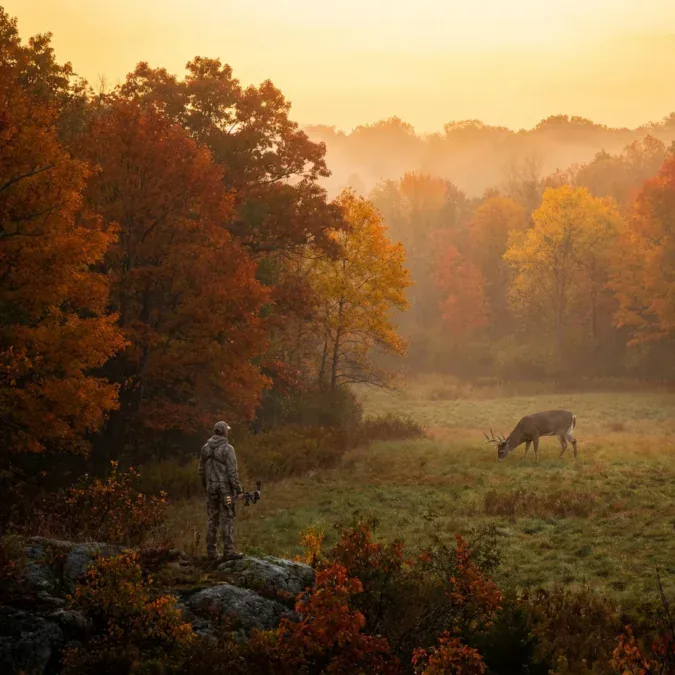
Quick Answer: Hunting season in the United States typically runs from September through February, with peak activity during fall and early winter. However, exact dates vary significantly by state, game species, and hunting method. Deer rifle season—the most popular—generally occurs in November and December, while archery seasons often start earlier in September or October.
This comprehensive guide breaks down hunting seasons by game type, explains state-by-state variations, and shows you where to find public hunting opportunities in state parks across America.
Why Hunting Seasons Exist
Wildlife management agencies carefully regulate hunting seasons based on scientific research and conservation goals. Understanding the reasoning behind these regulations helps hunters become better stewards of wildlife resources.
Population Management
Healthy wildlife populations require balance. When deer populations grow too large, they can cause overgrazing, damage crops, increase vehicle collisions, and spread disease. Hunting seasons allow wildlife managers to control populations within an ecosystem’s carrying capacity—the number of animals an area can sustainably support.
Breeding Cycle Protection
Most hunting seasons are timed to occur after animals have raised their young but during or after the breeding season (rut). This timing ensures:
- Young animals are independent and can survive without parents
- Breeding has already occurred, maintaining population stability
- Animals are in prime physical condition
- Bucks are more active and visible during the rut
Conservation Funding
Through the Pittman-Robertson Act, an 11% excise tax on firearms and ammunition funds wildlife conservation nationwide. Combined with hunting license fees, hunters contribute over $1.6 billion annually to conservation—making them the largest source of wildlife funding in America.
Hunter Safety
Designated seasons help separate hunting activities from peak recreational use of public lands. Many states also stagger seasons by weapon type (archery, muzzleloader, rifle) to reduce hunter density and conflicts in the field.
2025 Hunting Season Overview by Game Type
While exact dates vary by state, here are the general timeframes for America’s most popular game animals in the 2024-2025 hunting season.
White-Tailed Deer
The most popular game animal in North America, white-tailed deer are found throughout the Eastern, Midwestern, and Southern United States. Over 10 million hunters pursue whitetails annually.
| Season Type | Typical Dates | Notes |
|---|---|---|
| Archery | Sept 15 – Jan 15 | Longest season, lowest harvest rates |
| Rifle/Firearm | Nov 1 – Dec 31 | Peak activity, often 1-3 weeks in many states |
| Muzzleloader | Oct/Dec – Jan | Often before or after rifle season |
| Youth Season | Varies | Special weekends before general season |
Peak Rut: The whitetail rut (breeding season) typically peaks in mid-November across most of North America. During the rut, bucks are more active during daylight hours, making this the most popular time to hunt trophy deer.
Mule Deer
Found primarily in the Western states, mule deer inhabit mountainous terrain and open prairies. Their rut occurs slightly later than whitetails.
- Archery: August – September
- Rifle: October – November
- Peak Rut: Late November to early December
- Top States: Colorado, Wyoming, Montana, Utah, Idaho
Elk
Elk hunting is primarily a Western pursuit, with Colorado holding the largest elk population in North America. Most elk hunts require drawing a tag through a lottery system, though some states offer over-the-counter (OTC) tags.
- Archery: September (during the bugling rut)
- Rifle: October – November
- Muzzleloader: September or December
- Top States: Colorado, Montana, Wyoming, Oregon, Idaho, New Mexico
Pro Tip: The elk rut occurs in September, when bulls “bugle” to attract cows. This is the best time for archery hunters but also the most physically demanding—expect to cover significant ground in mountainous terrain.
Wild Turkey
Turkey hunting offers two distinct seasons with different hunting styles:
| Season | Dates | Legal Harvest | Hunting Style |
|---|---|---|---|
| Spring | March – May | Gobblers only | Calling, decoys |
| Fall | October – November | Either sex | Flock hunting, spot-and-stalk |
Spring turkey hunting is more popular because gobblers are vocal and responsive to calls. The best hunting typically occurs the first few weeks after season opens.
Waterfowl (Ducks and Geese)
Unlike other game, waterfowl seasons are regulated by federal law through the U.S. Fish and Wildlife Service. States select their dates within federal frameworks based on flyway (Atlantic, Mississippi, Central, Pacific).
- Ducks: September – January (often split into 2-3 segments)
- Geese: September – February (species-specific seasons)
- Special Seasons: Early teal season (September), youth waterfowl days
Requirements: Waterfowl hunters must purchase a Federal Duck Stamp, a state waterfowl stamp (in most states), and register for HIP (Harvest Information Program).
Black Bear
Bear hunting is legal in approximately 30 states, with regulations varying significantly:
- Spring Season: April – June (primarily Western and Northern states)
- Fall Season: September – November (most common)
- Methods: Some states allow baiting or hound hunting; others restrict to spot-and-stalk
- Top States: Idaho, Wisconsin, Pennsylvania, Maine, North Carolina
Upland Game Birds
Upland hunting seasons generally run through fall and winter:
- Pheasant: October – January (Midwest stronghold: South Dakota, Kansas, Nebraska)
- Quail: October – February (Texas, Oklahoma, Kansas lead)
- Grouse: September – January (Northern forests and mountains)
- Dove: September – January (split seasons in many states)
State-by-State Hunting Season Summary
Here’s a quick reference for the most popular hunting states, showing typical deer season dates and available state park hunting opportunities:
| State | Deer Archery | Deer Rifle | State Parks with Hunting |
|---|---|---|---|
| Texas | Oct 1 – Nov 3 | Nov 4 – Jan 5 | View 23+ Parks |
| Pennsylvania | Sept 14 – Nov 16 | Nov 30 – Dec 14 | View 15+ Parks |
| Michigan | Oct 1 – Nov 14 | Nov 15 – Nov 30 | View 12+ Parks |
| Wisconsin | Sept 14 – Jan 5 | Nov 23 – Dec 1 | View 10+ Parks |
| Georgia | Sept 9 – Jan 12 | Oct 21 – Jan 12 | View 8+ Parks |
| Missouri | Sept 15 – Nov 8 | Nov 16 – Nov 26 | View 6+ Parks |
| Virginia | Oct 5 – Nov 15 | Nov 16 – Jan 4 | View 12+ Parks |
| Ohio | Sept 28 – Feb 2 | Dec 2 – Dec 8 | View 5+ Parks |
| Alabama | Oct 15 – Feb 10 | Nov 23 – Feb 10 | View 9+ Parks |
| Colorado | Aug 31 – Sept 29 | Oct 12 – Nov 3 | View 4+ Parks |
Important: These dates are approximate and subject to change. Always verify current season dates with your state’s wildlife agency before hunting.
Hunting on Public Land: State Parks
One of the most common questions from new hunters is: “Where can I hunt without owning land?” The answer often lies in America’s state park system.
Across the United States, 119 state parks in 21 states offer public hunting opportunities. These range from managed deer hunts to full-season access for various game species.
Benefits of State Park Hunting
- Free or Low-Cost Access: No lease fees or private land permissions needed
- Managed Populations: Parks often have healthy game populations due to controlled harvest
- Facility Access: Parking, restrooms, and sometimes camping nearby
- Less Pressure: Many hunters overlook state parks in favor of national forests
State Park Hunting Regulations
State park hunting rules vary significantly:
- Allowed: General hunting with standard state license and seasons
- Limited: Archery-only, managed hunts, or specific zones within the park
- Prohibited: Some parks don’t allow hunting due to high visitor use
Always check both state regulations AND individual park rules before planning your hunt. Many parks require special permits, have unique season dates, or restrict hunting methods.
Top States for State Park Hunting
Based on the number of parks offering hunting and the diversity of game available:
- Texas – Largest variety of game and most park options
- Pennsylvania – Excellent whitetail opportunities
- Virginia – Long seasons, diverse terrain
- Michigan – Great for waterfowl and deer
- Georgia – Extended seasons, managed hunts
Hunting License and Requirements
Before you can legally hunt anywhere in the United States, you’ll need proper licensing and certification.
Hunter Education
All 50 states require first-time hunters to complete a hunter education course. These courses cover:
- Firearm safety and handling
- Wildlife identification
- Hunting laws and ethics
- Outdoor survival skills
- Conservation principles
Most states offer both online and in-person options. Courses typically take 8-12 hours and include a practical field component.
License Types
- Resident License: For state residents (6-12 month residency typically required)
- Non-Resident License: For out-of-state hunters (significantly higher fees)
- Combination License: Covers multiple species (deer, turkey, small game)
- Special Tags: Required for specific animals (elk, antelope, bear)
- Federal Stamps: Duck Stamp required for waterfowl
Where to Buy
Most states sell licenses through:
- State wildlife agency websites (most convenient)
- Sporting goods retailers (Walmart, Bass Pro Shops, Cabela’s)
- Local license agents and bait shops
Frequently Asked Questions
When does deer season start?
Deer season start dates vary by state and method. Archery season typically opens in September or October, while rifle season usually begins in November. Check your state’s wildlife agency website for exact dates.
What is the rut and when does it occur?
The rut is the deer breeding season when bucks actively seek does. For white-tailed deer, peak rut typically occurs in mid-November across most of the United States. During this time, bucks are more active during daylight and less cautious, making it the best time to hunt mature bucks.
Can I hunt in state parks?
Yes, 119 state parks across 21 states allow hunting. Rules vary significantly—some offer general hunting access, others only managed hunts or archery-only restrictions. Always check individual park regulations before planning your hunt. View our complete guide to state park hunting →
What’s the difference between archery and rifle season?
Archery season is longer (often several months) but has lower harvest success rates due to the challenge of bow hunting. Rifle season is typically shorter (1-3 weeks in many states) but coincides with peak deer activity during the rut, offering higher success rates.
Do I need hunter education to hunt?
All 50 states require first-time hunters to complete a hunter education course. Some states offer exemptions for hunters who learned before certain dates or who are hunting under direct supervision. Check your state’s specific requirements.
What is an open season vs. closed season?
An open season is when it’s legal to hunt a specific species. A closed season means hunting that species is prohibited. Hunting during a closed season is poaching—a serious wildlife crime with significant penalties.
Get Started: Plan Your Hunt
Ready to start planning your hunting season? Here are your next steps:
- Complete Hunter Education – Required for first-time hunters in all states
- Purchase Your License – Apply early for limited tags (elk, antelope)
- Find Public Land – Explore 119 state parks with hunting access
- Gear Up – Check our essential hunting gear list
- Learn the Basics – Read our beginner hunting tips
Understanding hunting seasons is the foundation of ethical, legal hunting. By following regulations and respecting wildlife management principles, hunters play a vital role in conservation while enjoying America’s great outdoor traditions.
