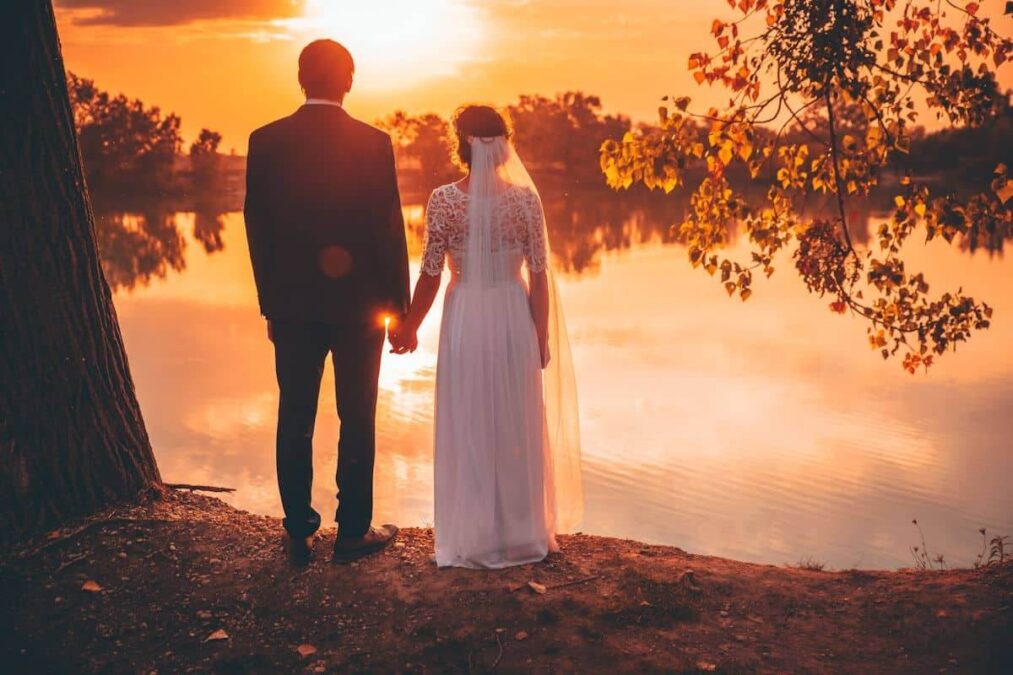
A state park wedding gives you something no ballroom or banquet hall can deliver: a ceremony set against waterfalls, ancient forests, mountain overlooks, or Gulf Coast sunsets — for a fraction of what private venues charge. The average American wedding venue costs $10,500. A state park permit typically runs $25 to $300.
That price difference is real, but planning a state park wedding requires a different approach than booking a conventional venue. You’ll need permits, you’ll need to understand park-specific restrictions, and you’ll need a backup plan for weather. This guide covers exactly how to plan it, what it costs, and where to do it — with 15 specific parks that host exceptional weddings.
Why Choose a State Park Wedding?
The practical case is simple: dramatically lower venue costs that free up budget for everything else — better food, better photography, or just keeping more money in the bank. But beyond cost, state parks offer something that manufactured venues spend millions trying to replicate: genuine natural beauty that doesn’t need a florist to look spectacular.
| Expense | Traditional Venue | State Park |
|---|---|---|
| Venue rental | $5,000–$15,000 | $25–$1,000 |
| Ceremony site | Often included | $0–$300 (permit) |
| Decorations | $2,000–$5,000 | $200–$800 (nature does the work) |
| Guest accommodations | Hotel blocks ($150+/night) | Cabins/camping ($25–$150/night) |
| Total venue-related | $7,000–$20,000+ | $250–$2,000 |
The trade-off: private venues handle logistics for you. State parks don’t. You’re responsible for vendors, setup, teardown, and navigating park regulations. That’s what the rest of this guide helps you manage.
How to Plan a State Park Wedding: 8 Essential Steps
State park weddings require more advance planning than conventional venues because you’re working within a public space with its own rules. Here’s the complete planning sequence:
Step 1: Choose Your Park and Visit in Person
Don’t book based on photos alone. Visit the park at the same time of year and same time of day you’re planning your ceremony. Check sightlines, listen for road noise or other visitor activity, test cell signal (your DJ may need it), and walk the paths your guests will use — especially elderly or mobility-limited guests.
Key questions to answer on your visit:
- Where exactly will the ceremony take place? Is it a flat clearing, a slope, or a rocky overlook?
- How far is the nearest parking area? Will guests walk on trails, gravel, or paved paths?
- Are restrooms nearby? What condition are they in?
- Where will vendors set up? Where can catering trucks park?
- What does the light look like at ceremony time?
Step 2: Apply for a Special Use Permit
Nearly every state park requires a Special Use Permit (sometimes called a Special Event Permit) for weddings — even small ceremonies. Do not assume you can simply show up. Some states require applications 90-180 days in advance.
| State | Permit Fee | Additional Costs | Application Lead Time |
|---|---|---|---|
| California | $150–$500+ | Varies by park unit | 90+ days recommended |
| Virginia | $25 application + venue rental | Venue: $200–$1,000 | 60+ days |
| Colorado | $100–$250 | Park Pass for guests | 90+ days |
| Georgia | $100–$300 | ParkPass ($10/day per vehicle) | 60+ days |
| Florida | $100–$700 | Varies by park/guest count | 90+ days |
| Washington | $50–$200 | Discover Pass ($35/vehicle) | 30-90 days |
| Tennessee | Varies by park | Lodge rental available | 60+ days |
| Utah | $50–$150 | Day-use fee ($10-20/vehicle) | 30+ days |
| Wisconsin | $25–$100 | Vehicle admission ($8-13/day) | 30+ days |
| Oregon | $50–$200 | Day-use parking ($5/vehicle) | 60+ days |
Do not finalize your guest list, send invitations, or book vendors until your permit is approved. Permits can be denied if the date conflicts with other park events or if the location can’t safely accommodate your group size.
Step 3: Understand Park Rules and Restrictions
This is where most couples get surprised. State parks exist to preserve natural spaces, and their regulations reflect that priority. Common restrictions include:
- Decorations: No flower petals on the ground (they attract wildlife), no confetti, no rice throwing. Anything brought in must be removed entirely.
- Amplified sound: Many parks prohibit amplified music or limit it to specific hours and decibel levels. Acoustic music is generally accepted. Check before booking a DJ.
- Alcohol: Rules vary dramatically by state and by individual park. Some allow it freely, some require additional permits, some prohibit it entirely.
- Tents and structures: Some parks allow you to set up temporary structures (reception tents, arches); others don’t. Staking into the ground may be prohibited.
- Candles and fire: Open flames are often restricted, especially during fire season in western states. LED candles as alternatives.
- Photography: Professional photography usually requires a separate permit. Commercial drone use typically requires both a park permit and FAA authorization.
Pro tip: Contact the park’s special events coordinator directly. They’ve handled dozens of weddings and can tell you exactly what works and what doesn’t at their specific location.
Step 4: Plan Your Backup for Weather
This is non-negotiable for outdoor weddings in public parks. Unlike private venues, most state parks don’t have a ballroom you can move into if it rains.
- Option A: Rent a large tent as your backup (confirm the park allows tent setup first)
- Option B: Identify a nearby indoor venue as a rain plan — a lodge, restaurant, or community center within 15 minutes of the park
- Option C: Choose a park that has both outdoor ceremony space AND an indoor facility (lodges at Fall Creek Falls TN, Maumee Bay OH, Unicoi GA)
Step 5: Choose Vendors Experienced with Outdoor Events
Not every caterer, florist, or photographer is equipped for a state park setting. Ask potential vendors:
- Have you worked in this park before? (If not, have they done similar outdoor events?)
- Do they have their own power source (generators)? Parks rarely provide electrical hookups at ceremony sites.
- Can they work within the park’s setup/teardown time windows?
- Are they familiar with Leave No Trace principles?
Step 6: Plan Guest Logistics
Your guests need clear directions — not just to the park, but to the specific location within the park. State parks can cover thousands of acres.
- Provide GPS coordinates (not just \”meet at the park\”)
- Note entrance fees — will you prepay them or should guests bring cash?
- Recommend appropriate footwear (no stilettos on forest trails)
- Ensure adequate parking — can the lot handle your guest count?
- Arrange for on-site accommodation or nearby hotel recommendations
Step 7: Create a Leave No Trace Plan
You are a guest in a public natural space. Your wedding should leave zero evidence that it happened.
- Assign someone to post-ceremony cleanup duty (not the bride and groom)
- Bring trash bags — lots of them
- Remove all decorations, including any tied to trees or bushes
- Check the grounds before leaving — dropped bobby pins, cake crumbs, flower stems
Step 8: Get Your Marriage License
A common oversight: your marriage license must be valid in the state where the park is located. If you live in Texas but marry in a Colorado state park, you need a Colorado marriage license. Requirements (waiting periods, witness counts, officiating rules) vary by state. Handle this early.
15 Amazing State Parks to Get Married In
These parks were selected because they specifically accommodate weddings — with designated ceremony areas, event coordination, and in some cases, on-site lodging and catering. This isn’t just parks that look pretty; these are parks that are set up to host your wedding.
1. Fall Creek Falls State Park — Tennessee
Capacity: Up to 400 (Lodge theater-style)
Indoor option: Yes — renovated lodge with full catering
Best for: Large weddings with waterfall backdrop
Tennessee’s crown jewel. The park features the tallest waterfall east of the Mississippi (256 feet) and over 5,000 square feet of indoor event space at the recently renovated Lodge at Fall Creek Falls. The lodge provides on-site catering, conference rooms, and a theater that seats 400 — unusual for a state park. Combine a morning waterfall ceremony with an evening lodge reception.
Guests can stay in modern cabins with hot tubs and fireplaces, or camp. Activities for non-wedding hours include rock climbing, aerial adventure courses, and gorge hiking. Tennessee state parks have free entry, so guests pay nothing to attend.
2. Indian Springs State Park — Georgia
Capacity: Up to 500 (Idlewilde Event Center)
Indoor option: Yes — 20,000 sq ft event center
Cost: Venue rental + $10/day parking per vehicle
Georgia’s most wedding-ready state park. The Idlewilde Event Center (20,000 sq ft) includes a lakeside porch that accommodates up to 500 guests — making it one of the largest event venues in any state park system. The historic stone pavilion, built by the Civilian Conservation Corps in the 1930s, provides a second ceremony option with character that can’t be replicated.
Indian Springs is one of the oldest state parks in the US (established 1825) and features natural mineral springs that Native Americans used for centuries. Cottages and camping available for guest accommodations.
3. Golden Gate Canyon State Park — Colorado
Capacity: 50–100 (intimate ceremonies)
Indoor option: Red Barn (rustic indoor)
Cost: Venue $100–$200 + park pass
The most affordable wedding venue east of Denver — and the fall colors in the aspen groves make it a photographer’s dream in September and October. The Red Barn provides a rustic indoor option; Panorama Point offers mountain views in every direction. Both rent for about $100–$200.
The spaces are intimate — this isn’t the park for 300 guests. Perfect for elopements and small weddings where the landscape is the decoration. Campsite reservations for guests run just $10/night.
4. Natural Bridge State Park — Virginia
Capacity: Various sizes accommodated
Indoor option: Contact park for options
Cost: $25 application + venue rental (~$200–$1,000)
Saying your vows beneath a 215-foot-tall natural limestone arch carved by Cedar Creek over millions of years — few natural features in the eastern US match this for drama. The arch, which Thomas Jefferson once owned (he purchased it from King George III), creates a natural cathedral that dwarfs any man-made structure.
Virginia’s state park wedding program is well-organized, with a $25 application fee and venue-specific rental costs. The park offers both outdoor and indoor ceremony locations, with hiking trails, a creek, and surrounding Blue Ridge Mountain forests.
5. Monterey State Historic Park — California
Capacity: Up to 1,000 (Plaza)
Indoor option: Pacific House Building
Cost: Varies by garden — contact special events coordinator
Six private gardens for ceremonies, with the Memory Garden being the most popular — a secret garden with year-round flowering plants, climbing roses, camellias, and a wisteria tree. The Pacific House Building combines Mexican and Monterey colonial architecture with stucco Andalusian arches. The plaza can hold up to 1,000 guests for large celebrations.
California’s state park wedding program is extensive — the state manages a dedicated special events page listing every park that accommodates weddings. Costs vary significantly by park unit and should be confirmed with the local special events coordinator at least 90 days in advance.
6. He’eia State Park — Hawaii
Capacity: Up to 300 (banquet hall)
Indoor option: Yes — rustic banquet hall with chandeliers
Cost: Contact park for current rates
On an 18-acre peninsula on Oahu’s windward coast, surrounded by Kaneohe Bay’s barrier reef — the only barrier reef in Hawaii, which creates calm turquoise waters perfect for a backdrop. The rustic banquet hall features dark wood beams, chandeliers, and floor-to-ceiling views of the bay.
Trade winds keep the venue cool year-round. The proximity to Oahu’s major resorts makes guest logistics simple — most visitors can drive to the park from Waikiki in 30 minutes.
7. Maumee Bay State Park — Ohio
Capacity: Up to 130 (White Tent), larger in ballroom
Indoor option: Yes — full-service lodge with ballroom
Cost: Contact Maumee Bay Lodge directly
The closest thing to a full-service wedding venue in the state park system. Maumee Bay Lodge’s staff handles everything — menu planning, flowers, and even an on-site pastry chef for the wedding cake. The brick terrace overlooks Lake Erie; the North Lawn provides beach atmosphere without sand in your shoes. The White Tent reception holds 130 guests with waterfront views.
For couples who want the state park setting but don’t want to coordinate every vendor themselves, Maumee Bay is the answer. The ballroom offers floor-to-ceiling windows and a balcony overlooking the lake — a genuine full-service indoor option.
8. Smithgall Woods State Park — Georgia
Capacity: Up to 75 (intimate)
Indoor option: Limited — tented in meadow
Cost: Contact Georgia State Parks weddings
A mountain retreat in the North Georgia Blue Ridge — designed for small, elegant ceremonies. The grassy meadow accommodates tented receptions for up to 75 guests, and the streamside deck puts you directly above a pristine trout stream. Cottages on the property provide guest accommodation in a setting that feels like a private estate.
Georgia State Parks’ wedding program offers affordable packages across multiple parks, with both indoor and outdoor options from mountains to coast.
9. Silver Falls State Park — Oregon
Capacity: Amphitheater seats ~100
Indoor option: Conference center available
Cost: Permit $50–$200 + $5/vehicle
Oregon’s largest state park, home to the legendary Trail of Ten Falls — a loop trail that passes behind four waterfalls. The park’s amphitheater, set in old-growth forest, provides a natural ceremony venue. The conference center offers indoor reception space.
For unforgettable wedding photos, the trail behind South Falls (177 feet) provides a waterfall backdrop that no studio can replicate. The park is open year-round for camping, making a full wedding weekend possible.
10. Fort Zachary Taylor State Park — Florida
Capacity: 4 ceremony sites with water views
Indoor option: Limited
Cost: Contact Florida State Parks special events
The southernmost state park in the continental US — beach weddings in Key West with the Gulf and Atlantic meeting at your feet. Four designated ceremony sites offer water views from different angles. The coral beach and turquoise water create the tropical wedding backdrop that destination couples spend thousands flying to Caribbean islands to find.
Key West’s infrastructure (hotels, restaurants, activities) makes guest logistics easy. Florida’s state park system provides event coordination through their wedding page.
11. Hardman Farm State Historic Site — Georgia
Capacity: Medium (outdoor ceremony + tented reception)
Indoor option: Limited — West End mansion rooms
Cost: Contact Georgia State Parks weddings
The “West End” mansion provides a historic architecture backdrop, while the Nacoochee Indian Mound — a 190-foot cone-shaped mound created by the Cherokee — rises behind the ceremony site in the valley. The combination of Appalachian mountain scenery, antebellum architecture, and indigenous history creates a layered, meaningful setting that’s unique in the state park system.
12. Auburn Valley State Park — Delaware
Capacity: Up to 125 (outdoor tent/garden)
Indoor option: Yes — mansion rooms, dressing rooms
Cost: Very reasonable for mansion wedding
The former Thomas Marshall mansion — a Victorian Queen Anne estate on the Delaware-Pennsylvania border. The mansion includes separate dressing rooms for bride and groom, a sun porch for smaller gatherings, and gardens with a stunning rose arbor for the ceremony. Tents in the surrounding lawn accommodate up to 125 guests.
Guests can tour the mansion or arrange a ride in a Stanley Steamer automobile as part of the event. For couples who want a historic mansion wedding at a fraction of the usual cost, Auburn Valley delivers the setting without the $15,000 price tag.
13. Pocahontas State Park — Virginia
Capacity: Medium to large (dining hall + outdoor areas)
Indoor option: Yes — dining halls in the woods
Cost: $25 application + venue rental
Virginia’s most popular state park wedding venue — with dining halls set in the forest that combine indoor comfort with outdoor atmosphere. The park is 20 minutes from Richmond, making it accessible for large guest lists. Outdoor ceremony locations around the lake provide natural settings with restroom access nearby. Camping and group cabins handle guest accommodations.
14. Cheaha State Park — Alabama
Capacity: Lodge and outdoor areas
Indoor option: Yes — Cheaha Lodge
Cost: Contact Alabama State Parks
A destination wedding at Alabama’s highest point — Cheaha Mountain rises 2,413 feet above sea level at the southern end of the Appalachian chain. The CCC-built stone lodge and overlook deck provide ceremony venues with panoramic views of the Talladega National Forest below. Lodges, cabins, and chalets accommodate guests for a full mountain weekend.
15. Dead Horse Point State Park — Utah
Capacity: Small — elopements and intimate ceremonies
Indoor option: No
Cost: Permit + $20/vehicle entry
For dramatic landscape elopements, Dead Horse Point is hard to beat — a mesa-top overlook 2,000 feet above the Colorado River, with views of Canyonlands stretching to the horizon. The red rock spires and canyon walls create a backdrop that is genuinely otherworldly. This is an elopement park, not a 200-guest park — the overlook is compact and exposed.
Utah’s state park system accommodates weddings at multiple parks, including Snow Canyon (red sandstone amphitheater) and Goblin Valley (surreal landscape). Permits are required for all organized events.
Best State Parks for Elopements
Elopements — small, intimate ceremonies with few or no guests — are the fastest-growing wedding format, and state parks are perfect for them. Many elopements don’t require a full event permit (just a couple, an officiant, and a photographer), though you should always confirm with the park.
| Park | State | Setting | Why It Works |
|---|---|---|---|
| Dead Horse Point | Utah | Canyon overlook | Most dramatic backdrop in the US |
| Julia Pfeiffer Burns | California | Big Sur, waterfall into ocean | McWay Falls is iconic |
| Sue-meg (Patrick’s Point) | California | “Wedding Rock” on Pacific coast | Has a rock literally called “Wedding Rock” |
| Cloudland Canyon | Georgia | Canyon overlook, waterfalls | Small overlooks perfect for two |
| Deception Pass | Washington | Bridge over churning strait | Dramatic coastal scenery |
| Cape Disappointment | Washington | Clifftop lighthouse | Lighthouse + ocean drama |
| Sky Meadows | Virginia | Appalachian Trail meadow | Hilltop ceremonies at sunset |
| Grayson Highlands | Virginia | Wild ponies, mountain balds | Wild ponies in your photos |
| Tallulah Gorge | Georgia | 1,000-foot deep gorge | Extreme landscape drama |
| Snow Canyon | Utah | Red and white sandstone | Natural amphitheater feel |
Elopement planning tip: Even small ceremonies may require a permit if you’re bringing a photographer with professional equipment (tripods, lighting) or blocking a trail/overlook for your ceremony. A quick call to the park ranger station clarifies what you need.
State Park Wedding FAQ
Do I need a permit to get married in a state park?
Almost always yes. Even a ceremony with just a couple and officiant may require notification or a permit. For any event with setup, decorations, vendors, or more than a handful of guests, a Special Use Permit is required. Fees range from $25 to $500+ depending on the state and the scale of the event.
How much does a state park wedding cost?
Permit and venue fees typically range from $25 to $1,000 — dramatically less than private venues. Total wedding cost depends on your choices for catering, photography, and other services, but the venue savings alone can reduce total wedding spend by $5,000–$15,000 compared to a traditional venue.
Can I serve alcohol at a state park wedding?
It depends on the state and the specific park. Some states (like Tennessee) allow alcohol in their parks; others (like many Utah parks) prohibit it. Some parks require a separate alcohol permit. Always confirm with the park coordinator before assuming alcohol is allowed.
Can I play music?
Acoustic music is almost always fine. Amplified music (speakers, DJs) is often restricted or prohibited, especially in wilderness-adjacent areas. Some parks allow amplified music at specific venues (like lodges or pavilions) during designated hours. Confirm decibel limits and time restrictions with your permit.
What if it rains?
Always have a backup plan. Parks with lodges or indoor facilities (Fall Creek Falls, Maumee Bay, Pocahontas) can shift indoors. For parks without indoor options, rent a large event tent (confirm park allows it) or have a nearby indoor venue on standby.
How far in advance should I book?
Apply for your permit 6-12 months in advance for popular parks and peak season (May-October). Some parks accept applications up to 18 months ahead. Less popular parks and off-season dates may be available with 2-3 months notice.
Are state park weddings worth it?
If you value natural beauty over manufactured elegance, and you’re willing to handle more logistics yourself, absolutely. The cost savings are substantial, the settings are genuinely spectacular, and the experience of celebrating outdoors — with the sounds of a creek or the view of a canyon — creates memories that a hotel ballroom simply can’t match.
Final Thoughts
A state park wedding isn’t for everyone. It requires more planning, more flexibility, and a willingness to work within rules that exist to protect public land. But for couples who want their ceremony to feel connected to something larger than a decorated room — mountain views, old-growth trees, waterfalls, ocean cliffs — state parks deliver the real thing at a price that leaves room in your budget for the honeymoon.
Start your search in our guide to the Most Romantic State Parks for couples getaway and honeymoon inspiration, or explore all 3,332+ state parks across 50 states to find your perfect venue.