
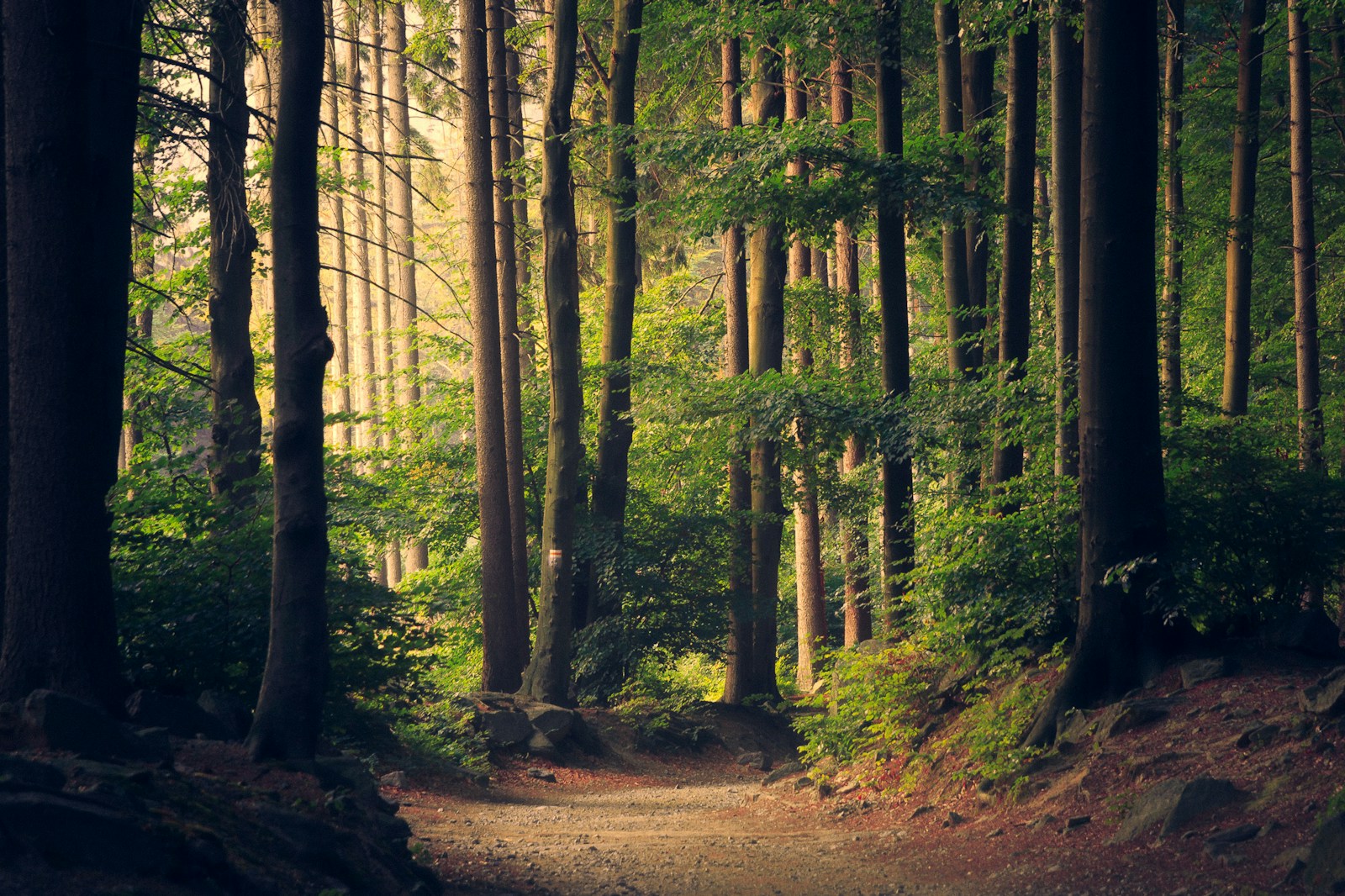
Big Island State Park
🏆🏆🏆🏆🏆 Minnesota — On the shores of Albert Lea Lake in southern Minnesota — 116-acre “Big Island” is a glacial remnant surrounded by prairie and wetland. The Interpretive Center explains how the last Ice Age (12,000 years ago) carved the lake basin. Over 200 bird species recorded!
Visitor Information
| Detail | Info |
|---|---|
| Location | Minnesota |
About Big Island
Big Island State Park near Albert Lea in southern Minnesota protects 116 acres on the largest island in Albert Lea Lake. The park preserves oak savanna and Big Woods forest — remnants of the landscape that covered southern Minnesota before settlement. The island is connected to the mainland by a causeway, making it a unique island-based park experience.
Things to Do
Camping (97 sites), hiking through oak savanna and Big Woods forest, fishing in Albert Lea Lake, canoeing, swimming at the beach, birdwatching, cross-country skiing and snowshoeing in winter.
Getting There
Located on County Road 38 south of Albert Lea in Freeborn County. The park surrounds Albert Lea Lake — named for the U.S. Army topographer who surveyed the area in 1835. The 116-acre wooded island is connected to the mainland by a causeway. The oak savanna habitat supports white-tailed deer, wild turkeys, and over 150 bird species. The park’s CCC-era stone buildings are on the National Register.
Plan Your Visit
Big Island offers 115 campsites, swimming beach, boat launch, and 8 miles of hiking trails. The 116-acre island is connected by a causeway. CCC-era stone buildings provide the architectural character. Albert Lea — “The Land Between the Lakes” — sits between Albert Lea Lake and Fountain Lake. Myre-Big Island connects to the Blazing Star Trail for biking. The park is an Important Bird Area with 150+ species recorded. Open year-round; ice fishing in winter.
Insider Tips
Glacial lake: Big Island sits on a 116-acre island in Albert Lea Lake — formed when glaciers retreated 10,000 years ago. Pro tip: The park preserves one of the last remnants of the Big Woods — the dense maple-basswood forest that once covered 3,000+ square miles of south-central Minnesota. Bur oak savanna: The savanna areas feature ancient bur oaks with trunks 4+ feet wide — survivors of centuries of prairie fires.
Best Time to Visit
Fall: Big Woods maple foliage is spectacular. Spring: Wildflower bloom in the old-growth forest. Summer: Swimming, fishing, and camping. Winter: Cross-country skiing and snowshoeing.
Frequently Asked Questions
What were the Big Woods?
The Big Woods was a vast maple-basswood forest covering 3,000+ square miles of south-central Minnesota — the transition zone between prairie and forest. Laura Ingalls Wilder’s “Little House in the Big Woods” was set here. By 1900, logging and farming had reduced the forest to fragments. Big Island preserves one of the last intact remnants.
Park Location


Top Tours & Activities Near Wisconsin
 from $89
 from $55
 from $260