Calaveras Big Trees State Park
Walk Among Ancient Giant Sequoias in the Sierra Nevada
Calaveras Big Trees State Park protects two magnificent groves of giant sequoias — the largest living things on Earth — in the western Sierra Nevada foothills of California. Established in 1931, this park preserves trees that were already ancient when the Roman Empire fell, standing as living monuments to the deep time of the natural world.
The park’s story begins in 1852 when hunter Augustus T. Dowd stumbled upon the North Grove and introduced the world to these colossal trees. His discovery ignited both tourism and controversy — the famous “Discovery Tree” was stripped of its bark for exhibition, eventually dying. Today, the massive Big Stump remains as a sobering reminder of the importance of conservation.
The Sequoia Groves
North Grove
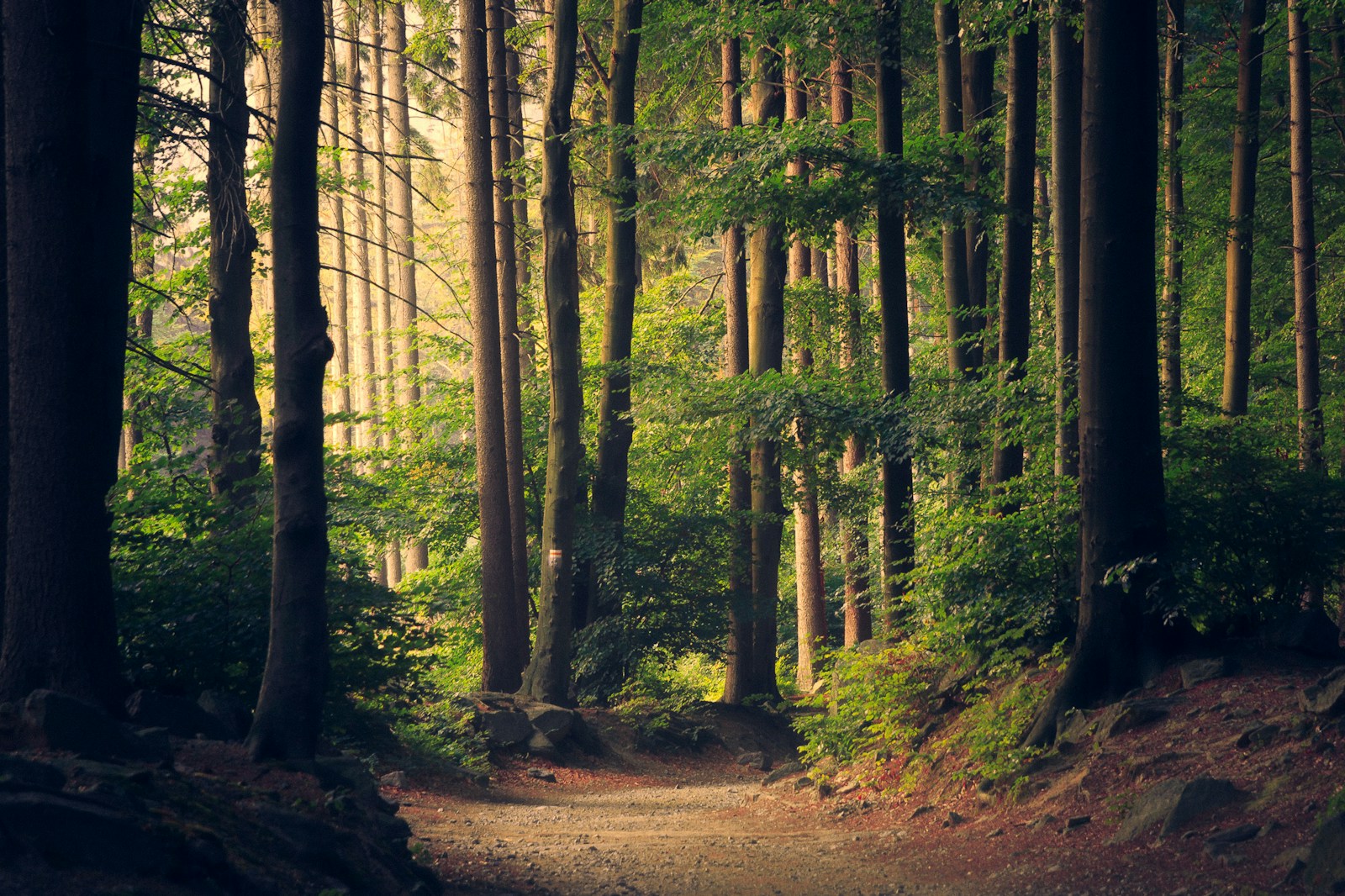
The most accessible and popular grove, located near the park entrance and visitor center. An easy 1.5-mile self-guided loop trail winds among approximately 100 giant sequoias on a nearly level path suitable for strollers and wheelchairs in parts. Interpretive displays explain the natural history of these ancient trees, which can live over 3,000 years and grow to 325 feet tall.
South Grove
The more remote and wilder of the two groves, reached via a moderately challenging 3.5–5.5 mile hike with about 200 feet of elevation gain. The South Grove contains the park’s largest tree — the magnificent Agassiz Tree — and offers a more immersive, wilderness experience with far fewer visitors. Vehicle access to the South Grove parking area is typically closed from December through May due to snow.
More Hiking Trails
- Grove Overlook Trail (0.5 miles): Branches off the North Grove trail for elevated views over the treetops
- Bradley Grove Trail (2.5-mile loop): Visits a grove of young sequoias planted in the 1950s — a glimpse at what the big trees looked like as teenagers
- River Trail: Descends to the scenic North Fork of the Stanislaus River for fishing and swimming in summer
- Lava Bluff Trail: Explores unique volcanic formations along the canyon rim
Camping
The park offers approximately 120 campsites in two developed campgrounds, generally open May through September.
- North Grove Campground: Near the park entrance and visitor center, with easy access to the sequoia grove. Each site has a picnic table, bear-proof food locker, fire pit with grill, and water spigot.
- Oak Hollow Campground: A quieter alternative with similar amenities in a more secluded setting.
- Environmental Campsites (5 sites): Tent-only primitive sites requiring a short hike from parking. Bring your own water. Perfect for those seeking solitude.
All developed campgrounds feature flush toilets and coin-operated showers. Bear-proof food storage is mandatory — bears are active in the park. Reserve through Reserve California up to six months in advance.
Winter Activities
When snow blankets the Sierra foothills, Calaveras Big Trees transforms into a cross-country skiing and snowshoeing paradise. Guided snowshoe walks among the snow-covered giant sequoias are offered on weekends — an unforgettable experience. Some road sections close to vehicles but remain open for skiing and hiking.
Visitor Tips
- Best Time: Late spring through fall for camping and hiking; winter for snow activities. The South Grove is accessible only May–November.
- Altitude: The park sits at 4,500–5,500 feet elevation. Pack layers — mountain weather changes quickly.
- Dogs: Welcome in campgrounds and on paved paths on leash. Not allowed on hiking trails or in the woods.
- Entry Fee: $10 per vehicle.