Bomoseen State Park
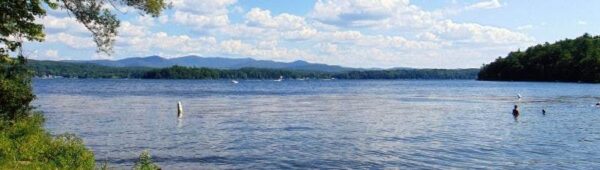
🏆🏆🏆🏆🏆 Vermont — On the shores of Lake Bomoseen — Vermont’s largest lake entirely within state borders! The park includes the historic remains of the West Castleton slate industry that once employed hundreds. Half Moon Pond and Glen Lake are nearby for multi-lake paddling adventures.
Visitor Information
| Detail | Info |
|---|---|
| Location | Vermont |
About Bomoseen
Bomoseen State Park on Lake Bomoseen in Rutland County provides recreation on Vermont’s largest lake entirely within state borders. The 2,360-acre lake sits in a valley once dominated by slate quarries — the Taconic Mountains region produced the roofing slate for thousands of American buildings. The park’s Glen Lake Nature Trail passes through a forest recovering from 19th-century slate quarrying that employed Welsh and Irish immigrants.
Things to Do
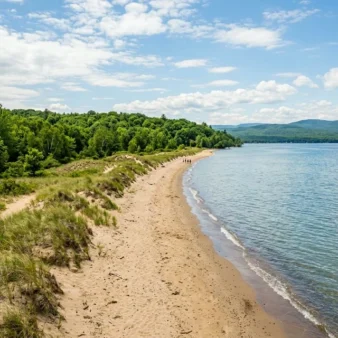
Swimming at the beach, camping (66 sites), boating, fishing for bass and perch, hiking the Glen Lake Nature Trail through former slate quarry territory, and exploring Vermont’s largest lake.
Plan Your Visit
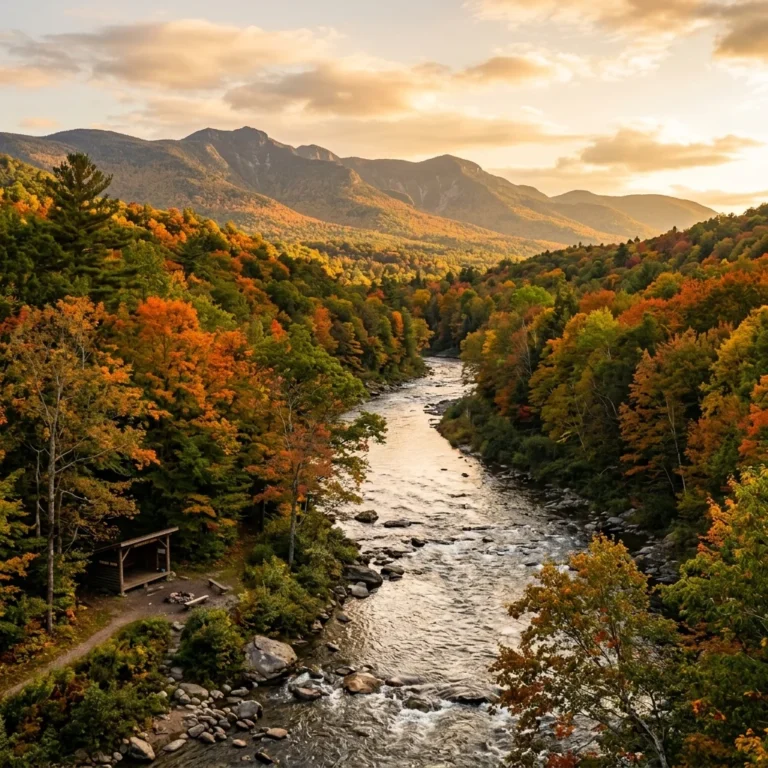
Bomoseen offers 66 campsites, swimming, boat launch, and the Glen Lake Nature Trail. Vermont’s largest lake (entirely within state borders) provides bass, perch, and northern pike fishing. The Taconic Mountains rise to the west — hiking Birdseye Mountain (nearby) provides panoramic lake views. Castleton University and the historic Castleton Village are 10 minutes south. Open May through October; lean-to sites are especially popular.
Plan Your Visit Continued
The park’s Glen Lake provides a quieter alternative to Bomoseen — canoe rentals available. The Taconic Mountains region’s abandoned slate quarries create dramatic swimming holes (unofficial but popular with locals). The Half Moon Pond trail connects to Bomoseen for a 5-mile loop. Vermont’s “Green Mountain” moniker comes from the French “Verd Mont.” Campsite reservations via vtstateparks.com; lean-to sites book months ahead for July-August.
Insider Tips
Slate country: Lake Bomoseen sits in Vermont’s slate belt — the region produced most of America’s roofing slate in the 1800s. Pro tip: Vermont is the second-least-populated state (after Wyoming) — its 643,000 residents enjoy pristine landscapes. Largest lake: Bomoseen is Vermont’s largest lake entirely within the state (Lake Champlain straddles VT-NY).
Frequently Asked Questions
Why is Vermont so sparsely populated?
Vermont’s mountainous terrain, harsh winters, and thin soil limited agriculture — farmers moved to fertile Midwest lands in the 1800s, and the state’s population actually declined. Vermont never developed major industry or cities. This “failure to develop” became its greatest asset — the pristine landscape now attracts tourists, second-home buyers, and remote workers. Vermont’s population density (68/sq mi) is the lowest in New England.