
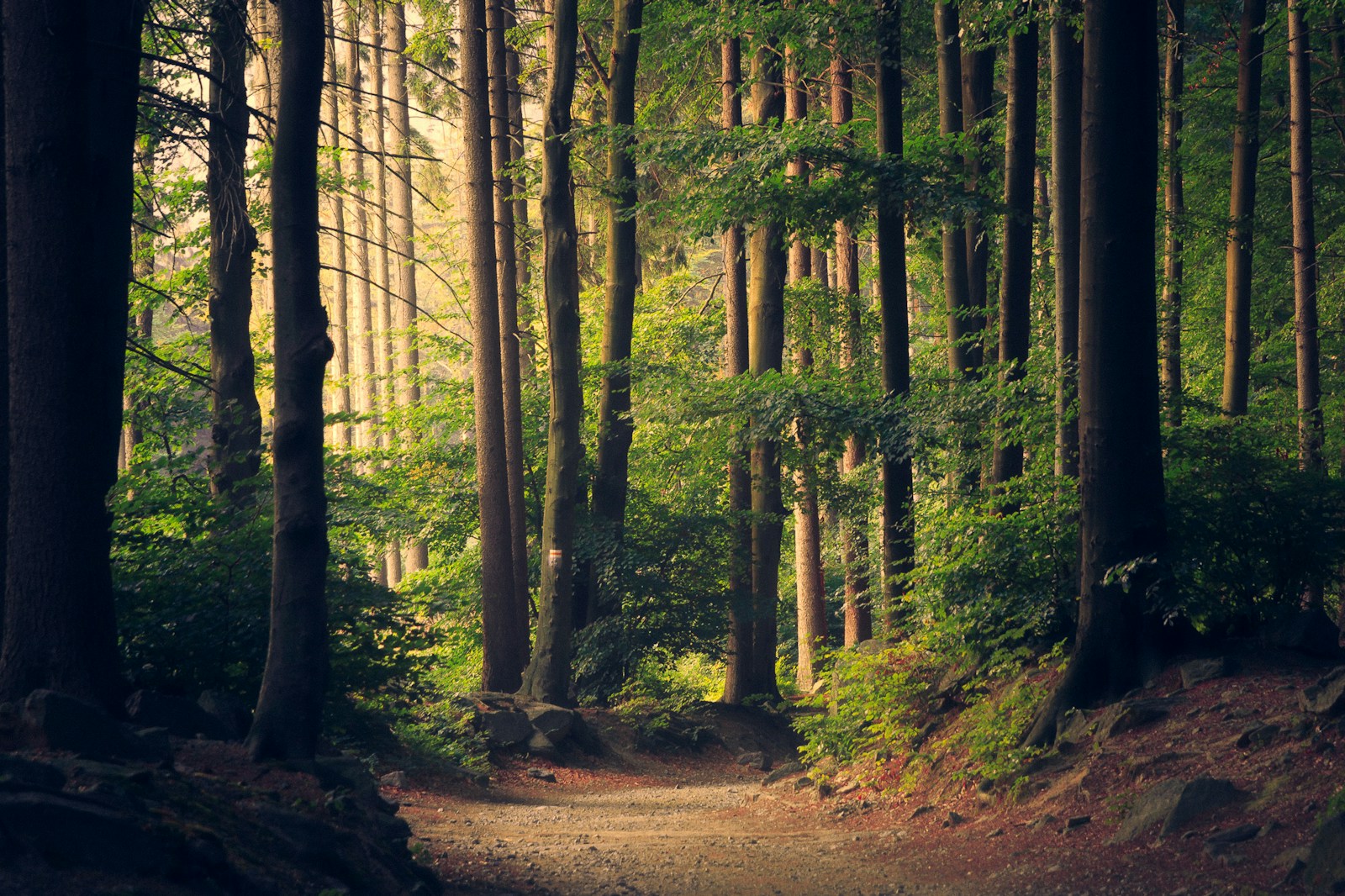
Cayler Prairie State Preserve
Located in Dickinson County, just three miles west of West Okoboji Lake, Cayler Prairie State Preserve stands as one of Iowa’s most precious ecological time capsules. Before agricultural development transformed the Midwest, tallgrass prairie covered roughly 80% of Iowa. Today, less than 0.1% remains, and Cayler Prairie protects a pristine, unplowed remnant of that original landscape.
First identified for preservation in 1944 by pioneering botanist Ada Hayden, the site gained National Natural Landmark status in 1966. A massive land acquisition in 1998 expanded the protected complex to over 1,200 acres, ensuring a vital buffer zone for delicate native species.
Glacial “Knob and Kettle” Topography
What makes Cayler Prairie visually distinct from typical flat midwestern fields is its dramatic, rolling landscape. The preserve sits on the western edge of the Des Moines Lobe landform region.
Approximately 14,000 years ago, advancing and retreating glaciers left behind highly irregular, hummocky terrain characterized by steep, dry hills (knobs) interspersed with low, poorly drained depressions (kettles). This extreme variety in soil moisture and elevation within a small geographic area is the primary reason the preserve supports such an explosive diversity of plant life.
Unmatched Biological Diversity
Cayler Prairie is a living laboratory, boasting an astonishing array of flora and fauna.
| Ecological Feature | Highlights & Facts |
|---|---|
| The Tallgrasses | Over 35 species of native grass thrive here. In late summer, the dominant “Big Bluestem” and “Indian Grass” can reach soaring heights of over six feet. |
| Seasonal Wildflowers | With 225 native plant species, the prairie is a continuous cycle of color: Lambert’s crazyweed in spring, the state prairie rose in summer, and dotted gayfeather in the fall. |
| Bird Conservation Area | Designated as an official BCA in 2011, it is a critical nesting ground for declining grassland specialists like the bobolink, upland sandpiper, and northern harrier. |
| Prairie Butterflies | Over 40 distinct species of butterflies have been recorded utilizing the native forbs as vital nectar sources. |
Visiting the Preserve
Visiting Cayler Prairie is a raw, unfiltered wilderness experience. Unlike traditional state parks, there are no paved trails, visitor centers, or modern restroom facilities. Visitors are encouraged to carefully navigate the prairie ridges on foot, relying on the natural contour of the land.
Frequently Asked Questions
What is a State Preserve compared to a State Park?
In Iowa, “State Preserves” receive the highest level of legal protection to maintain their historical, geological, or biological integrity. While state parks focus heavily on recreation and amenities, preserves focus primarily on conservation, limiting heavy human impact.
Are there hiking trails at Cayler Prairie?
There are no formal, maintained trails in the original unplowed prairie section. Visitors are allowed to hike cross-country through the grass, but must take great care not to trample delicate wildflowers or disturb ground-nesting birds.
Is hunting allowed?
While the original 160-acre preserve does not permit hunting, the larger 1,200-acre complex surrounding it was historically connected with wildfowl hunting, and specific wetland tracts may allow seasonal hunting according to DNR regulations.
When is the best time to visit?
Late August through mid-September is considered the peak viewing window. At this time, the tallgrass species have reached their maximum height, and the fall wildflowers are in full, vibrant bloom.
