
🌤 Weather at Drake Well Museum and Park by season
| Spring | Summer | Fall | Winter |
|---|---|---|---|
| 22–69 °F | 53–81 °F | 29–73 °F | 14–37 °F |
Each range runs from the coldest monthly average low to the warmest monthly average high in that season (1991-2020 climate normals), measured at Titusville Wtr Wks, 2 mi away, elevation 1,220 ft. Conditions at the park can differ from the station, especially where elevation differs — check a forecast before you go.

⛽ Where the Oil Age Began — The Spot That Changed the World on August 27, 1859 — Drake Well Museum & Park near Titusville, Pennsylvania, birthplace of the modern petroleum industry, 240 acres, replica 1859 derrick, Colonel Edwin Drake’s first commercial oil well, Oil Creek, outdoor machinery exhibits, hiking and biking trails, fly fishing, Oil Region Heritage Area — Venango County, PA
On August 27, 1859, at a depth of 69½ feet, crude oil rose through a pipe driven into the ground beside Oil Creek. It was the first time in human history that petroleum was intentionally and commercially extracted from the earth. Colonel Edwin L. Drake had just changed the world — and the place where he did it is still here, preserved on 240 acres of Pennsylvania forest.
Before Drake Well, people collected oil from surface seeps. After Drake Well, they drilled for it. The global petroleum industry, the automobile, plastics, modern aviation, the entire 20th century — all of it traces back to this creek bank in Venango County, Pennsylvania.
What to See & Do
| Feature | Details |
|---|---|
| Replica Derrick | A board-for-board replica of the original 1859 engine house and derrick — built at the exact site where Drake’s well struck oil. The wooden derrick, the steam engine, the pipe — all faithful to the original. Stand where the oil age began |
| Museum Exhibits | 12,000 square feet of indoor exhibits — artifacts, photographs, documents, and technology from the birth of the petroleum industry. From Drake’s original tools to early refineries to the global industry that followed. The story told with Pennsylvania directness |
| Outdoor Machinery | Operating oil field machinery scattered across the grounds — walking beams, pump jacks, a central power oil lease. Some of it still runs. The mechanical ingenuity of early oil drilling is remarkable when you see it at human scale |
| Hiking & Biking | Paved trails through the 240-acre park follow Oil Creek — the creek that gave its name to an industry. The Oil Creek State Park bike trail connects nearby, running through the valley where the first oil boom turned quiet forest into boomtowns overnight |
| Fly Fishing | Oil Creek supports a delayed-harvest fly fishing program — trout fishing in the creek that started the petroleum industry. The irony of fly fishing in “Oil Creek” is not lost on anyone |
The History
| Feature | Details |
|---|---|
| Edwin Drake | A former railroad conductor hired by the Seneca Oil Company to figure out how to get oil out of the ground. He wasn’t a geologist. He wasn’t an engineer. He adapted salt well drilling technology, hired driller William “Uncle Billy” Smith, and struck oil at 69½ feet. He died nearly broke in 1880 — the industry he created made others billionaires |
| The Oil Boom | Within weeks of Drake’s strike, the valley filled with prospectors. Titusville, Oil City, Pithole — boomtowns appeared overnight. By 1862, Pennsylvania was producing more oil than the rest of the world combined. John D. Rockefeller built Standard Oil on this foundation |
| Oil Region Heritage Area | The Pennsylvania Oil Region National Heritage Area encompasses the valley — a landscape shaped entirely by petroleum. Historic boomtown sites, the Oil Creek & Titusville Railroad, and the forests that reclaimed the land after the boom moved on |
| Legacy | Every gas station, every plastic product, every flight — Drake Well is the origin point. The park doesn’t shy away from the environmental implications. It tells the full story: innovation, wealth, transformation, and consequence |
Best Time to Visit
| Season | Best For |
|---|---|
| Summer (Jun–Aug) | ☀️ Museum open daily. Outdoor exhibits at their best. Bike the Oil Creek trail. Full programming and events |
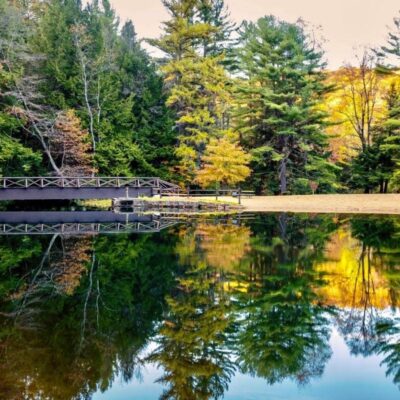
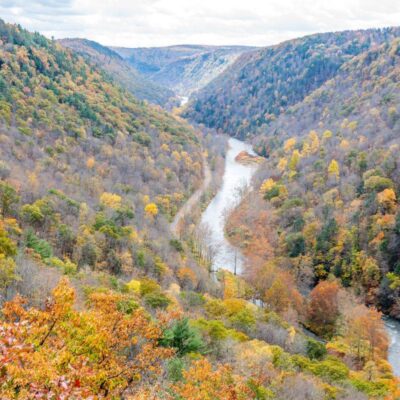
| Fall (Sep–Oct) | 🍂 Pennsylvania fall color in the Oil Creek valley. Fewer visitors. The forest that reclaimed the boomtowns in full autumn dress |
| Spring (Apr–May) | Fly fishing season. The creek running. Wildflowers in the forest. Museum reopening for the season |
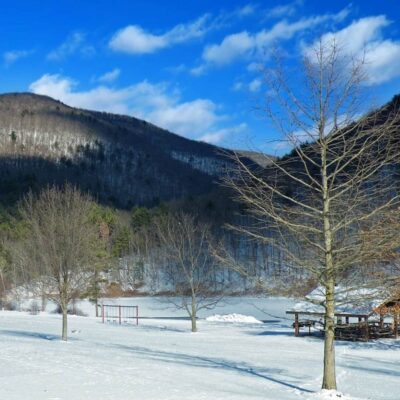
| Winter (Nov–Mar) | Reduced hours but open. The park quiet and contemplative. The derrick against bare trees and gray sky — the most atmospheric season |
Frequently Asked Questions
Is there still oil here?
Yes — northwestern Pennsylvania still produces small amounts of crude oil. You’ll see working pump jacks along the roads nearby. The wells are stripper wells now — producing barrels per day, not barrels per minute. But the oil is still here, 165+ years later.
Is the museum good for kids?
Excellent — the outdoor machinery and the replica derrick are hands-on history. Kids can see how a pump jack works, walk through the engine house, and understand where the gasoline in their parents’ car comes from. The story is compelling at any age.
Make it a road trip: Pair a visit with Oil Creek State Park (a short drive away).
⛽ 69½ Feet Deep. August 27, 1859. The Day Everything Changed.
Stand where a railroad conductor and a salt well driller struck oil and accidentally launched the modern world. The derrick is still here. Oil Creek still flows. And the story — innovation, ambition, consequence — is still being written.
Wildlife & Nature
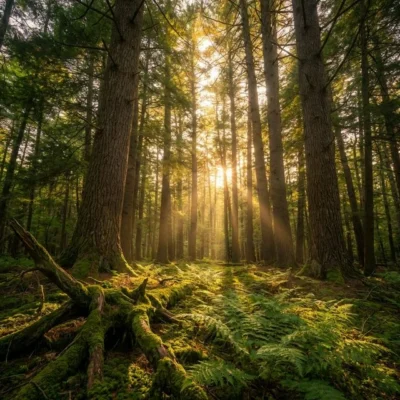
Drake Well SP — in the Oil Creek valley — preserves the site of the world’s first commercial oil well (1859). The park’s forest, creek, and wetlands support bald eagles, great blue herons, and white-tailed deer. Brook trout inhabit Oil Creek. River otters have returned to the valley.
Nearby Attractions
Titusville — adjacent. Oil Creek SP — adjacent. Franklin — 15 miles south. Meadville — 30 miles north.

🐾 Dogs & Pets at Drake Well Museum and Park
- Pets allowed? statewide rule
- Pets are allowed in day-use areas of Pennsylvania state parks and in designated campground sites, but must be physically controlled, attended at all times and leashed, caged or crated.
- Leash rule statewide rule
- Leash required at all times; no universal maximum length — inquire at the park office (electronic fences/shock collars not accepted as control)
- Beaches & swim areas statewide rule
- Pets are prohibited in swimming areas and designated beaches
- Cabins & lodging statewide rule
- Dogs allowed in a limited number of designated cabins, cottages and yurts (pilot program); maximum two dogs per unit; dogs must be house-trained and current on rabies vaccination
- Pet fees statewide rule
- No standard statewide pet fee; fees may be assessed for damage in dog-friendly lodging
- Statewide exceptions statewide rule
- Maximum two non-caged pets per campsite; pets prohibited in buildings; pet food may not be left outside camping units
Are dogs allowed at Drake Well Museum and Park?
Pets are allowed in day-use areas of Pennsylvania state parks and in designated campground sites, but must be physically controlled, attended at all times and leashed, caged or crated. Individual parks can post stricter rules — check signage on arrival.
Rules verified July 2026 via pa.gov. More: Pennsylvania state parks guide · Dog rules in all 50 states compared
Park Location
Plan your gear for Drake Well Museum and Park
From our editorial guides, matched to this park’s activities:

Top Tours & Activities Near Erie
 from $29
 from $225
 from $250