🌤 Weather at Fort Foster State Historic Site by season
| Spring | Summer | Fall | Winter |
|---|---|---|---|
| 56–91 °F | 72–94 °F | 58–92 °F | 50–78 °F |
Each range runs from the coldest monthly average low to the warmest monthly average high in that season (1991-2020 climate normals), measured at Plant City, 10 mi away, elevation 110 ft. Conditions at the park can differ from the station, especially where elevation differs — check a forecast before you go.

Florida’s Seminole War Fort — 1836 Replica Wooden Fortification, Hillsborough River Bridge Defense, Inside Hillsborough River State Park Near Tampa
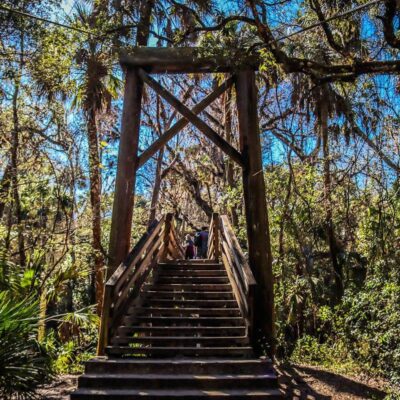
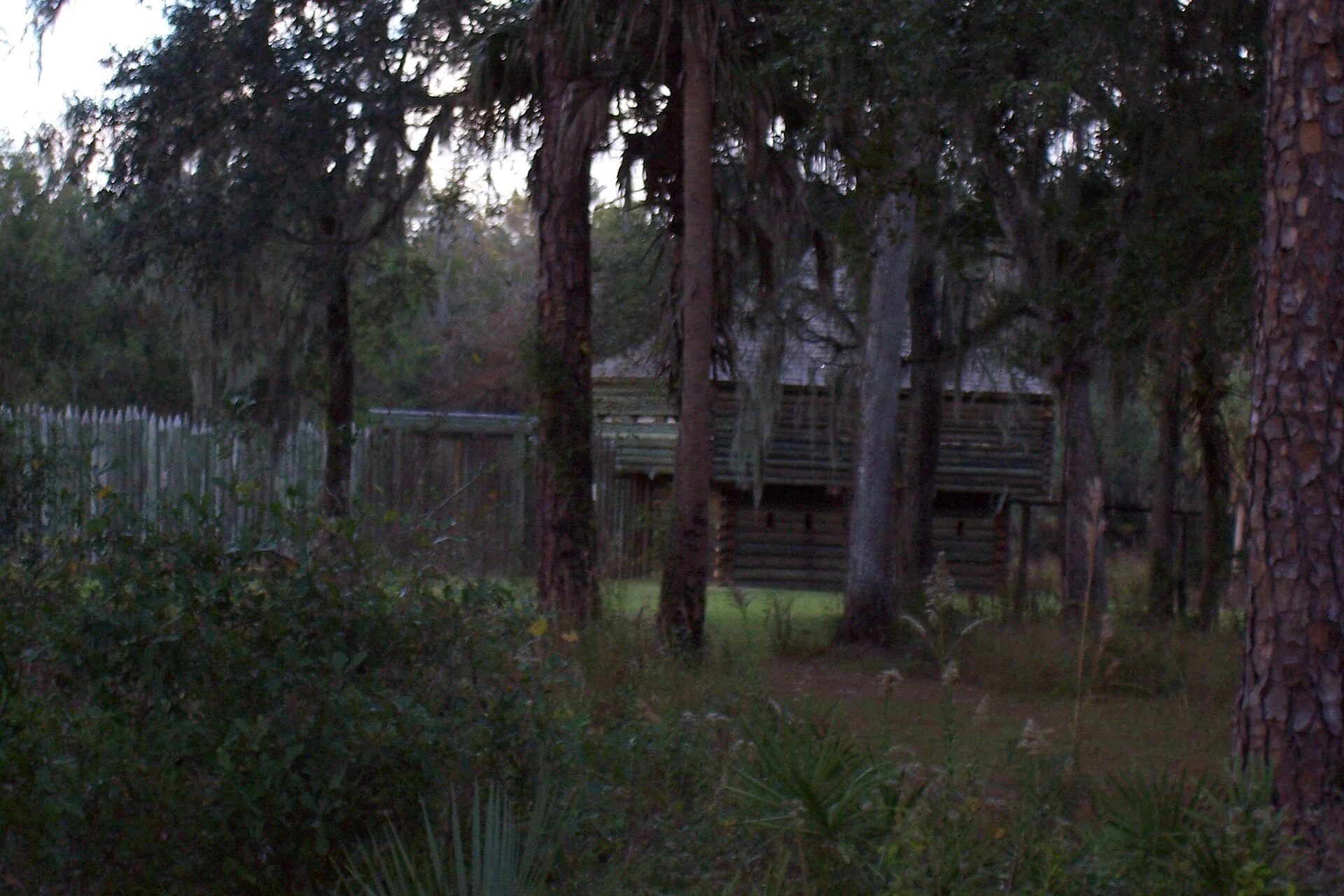
Fort Foster State Historic Site is a state historic site within Hillsborough River State Park, Thonotosassa, Hillsborough County, Florida, near Tampa. The site features a reproduction of the 1836 Second Seminole War wooden fort — built to defend a strategic bridge across the Hillsborough River — with interpretive displays, living history programs, and integration with the larger Hillsborough River State Park offering camping, canoeing, swimming, and hiking.
During the Second Seminole War (1835–1842), the U.S. Army built Fort Foster in 1836 to protect a vital bridge across the Hillsborough River — a key military supply route through central Florida’s wilderness. The fort saw active combat during the conflict. Today a faithful reproduction of the original wooden palisade fort stands on the historic site within Hillsborough River State Park. Interpretive displays explain the Seminole Wars and frontier military life. Living history programs bring the era to life with period demonstrations. The surrounding state park offers camping, canoeing and kayaking on the Hillsborough River, swimming pool, over 7 miles of trails, and Class II rapids — the only rapids in Florida.
Things to Do
Fort History
- Fort reproduction — 1836 wooden palisade
- Interpretive displays
- Living history programs
- Second Seminole War history
State Park Recreation
- Camping — within Hillsborough River SP
- Canoeing + kayaking — Hillsborough River
- Swimming pool
- 7+ miles of hiking trails
- Class II rapids — only rapids in Florida!
Park Information
| Feature | Details |
|---|---|
| Location | Within Hillsborough River SP, Thonotosassa, FL |
| War | Second Seminole War (1835–1842) |
| Built | 1836 — bridge defense |
| Structure | Reproduction — wooden palisade fort |
| River | Hillsborough River — canoe/kayak + Class II rapids |
| Camping | Yes — within Hillsborough River SP |
| Swimming | Pool at state park |
| Trails | 7+ miles |
| Near | ~20 mi NE of Tampa |
| Coordinates | 28.1490° N, 82.2190° W |
Best Time to Visit
| Season | Highlights | Considerations |
|---|---|---|
| Winter (Nov–Feb) | ⭐ BEST: Comfortable weather; living history events; kayaking; dry season | Pool may have limited hours; check schedule |
| Spring (Mar–May) | Wildflowers; birding; comfortable; before summer heat | Getting warmer; some rain |
| Fall (Sep–Nov) | Cooler return; living history season; kayaking; fishing | Hurricane season; check forecasts |
| Summer (Jun–Aug) | Pool open; long days; full services | Hot and humid; mosquitoes; afternoon thunderstorms; bring bug spray |
Visitor Tips
- Only rapids in FL: Hillsborough River State Park has Florida’s only Class II rapids — unique in the state.
- Living history: Check the park calendar for living history programs with period-costumed interpreters.
- Two-for-one: Fort Foster is inside Hillsborough River State Park — one entrance fee covers both the fort and all park amenities.
- Kayak rentals: The park offers canoe and kayak rentals for paddling the Hillsborough River.
- Near Tampa: Just ~20 miles NE of Tampa — an easy day trip from the city.
Wildlife & Nature
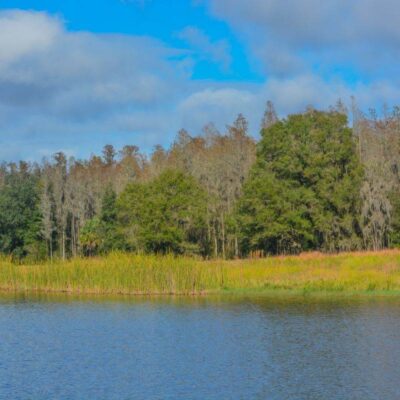
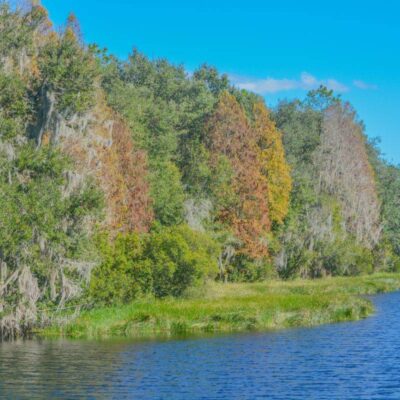
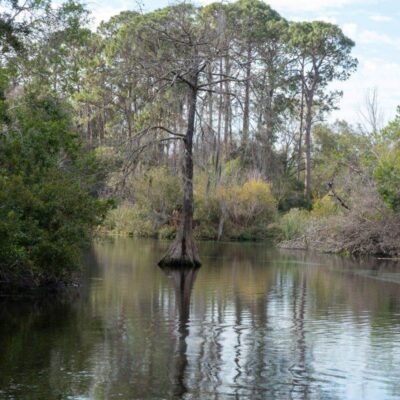
Fort Foster SHS — preserves the site of a Second Seminole War military post (1836-1838) at the Hillsborough River crossing. The park’s river, hammock, and pine flatwoods support alligators, river otters, and barred owls. Limpkins probe for apple snails along the riverbank.
Nearby Attractions
Zephyrhills — nearby. Hillsborough River SP — adjacent. Tampa — 30 miles south.
What is Fort Foster in Florida?
Fort Foster State Historic Site is a reproduction of an 1836 Second Seminole War wooden fort located within Hillsborough River State Park near Thonotosassa, Florida, about 20 miles northeast of Tampa. The fort was built to defend a bridge across the Hillsborough River. The surrounding state park offers camping, canoeing, a swimming pool, 7+ miles of hiking trails, and Florida’s only Class II rapids. Living history programs are held seasonally.
Last updated: May 2026
Nearby parks: If you have extra time, Hillsborough River State Park is a short drive away, and Colt Creek State Park is a short drive away.

🐾 Dogs & Pets at Fort Foster State Historic Site
- Pets allowed? statewide rule
- Domestic pets are welcome in many Florida State Parks — on hiking trails, in picnic areas and campgrounds — but only in designated areas.
- Leash rule statewide rule
- Leashes may not exceed 6 feet; pets must be under physical control at all times.
- Beaches & swim areas statewide rule
- Pets are not permitted on beaches, boardwalks or playgrounds, or in bathing areas — swimming pets can be viewed as prey by alligators.
- Cabins & lodging statewide rule
- Pets are not allowed in any state park buildings, cabins or cabin areas.
- Statewide exceptions statewide rule
- Pets prohibited at several parks including Ellie Schiller Homosassa Springs (free kennels at the entrance), Weeki Wachee Springs and Egmont Key; in campgrounds pets must be confined in the camping unit 11 p.m.-7 a.m.
Are dogs allowed at Fort Foster State Historic Site?
Domestic pets are welcome in many Florida State Parks — on hiking trails, in picnic areas and campgrounds — but only in designated areas. Individual parks can post stricter rules — check signage on arrival.
Rules verified July 2026 via floridastateparks.org. More: Florida state parks guide · Dog rules in all 50 states compared
Park Location
Plan your gear for Fort Foster State Historic Site
From our editorial guides, matched to this park’s activities: