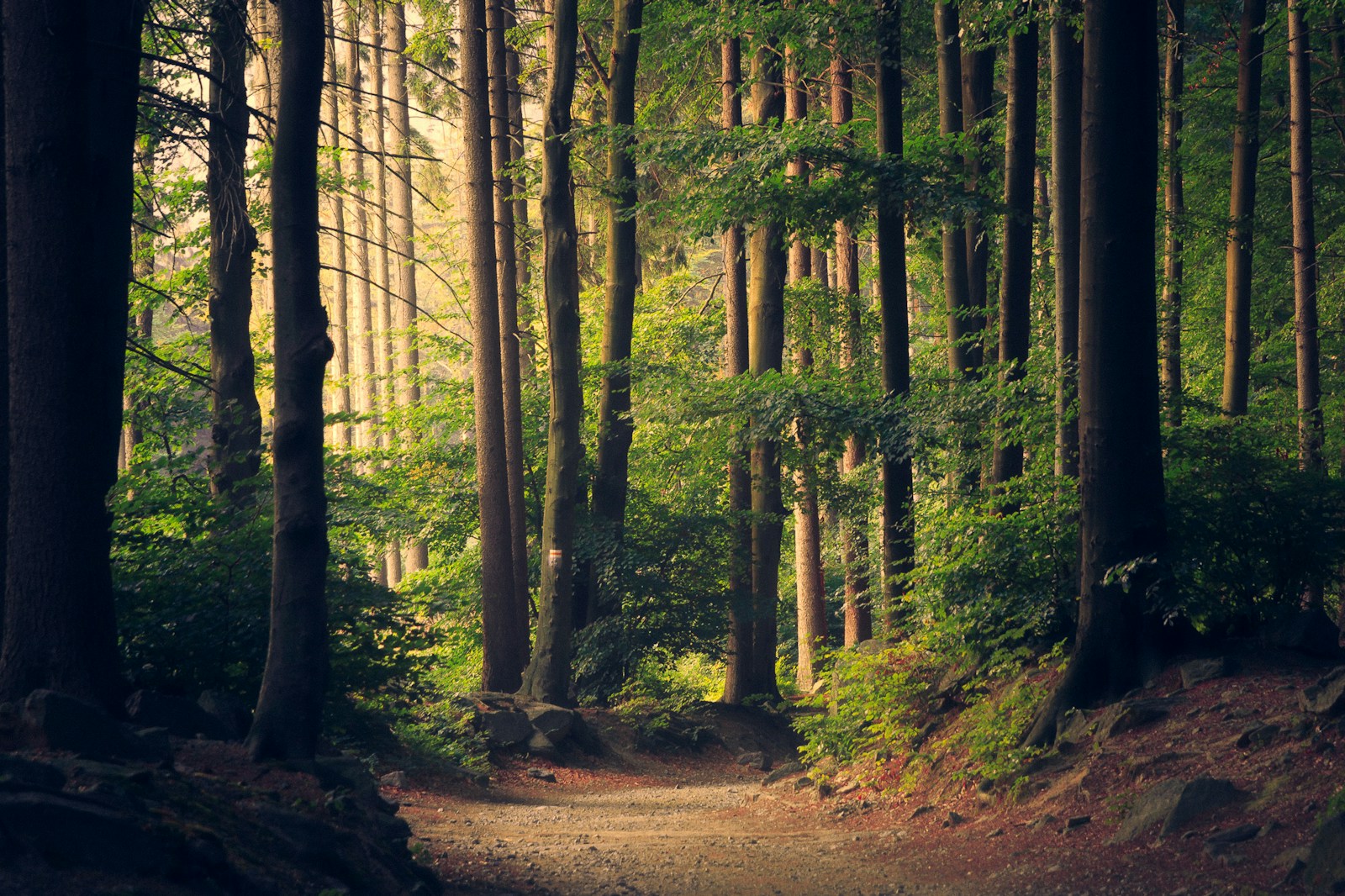
Frontenac State Park
Minnesota’s Premier Birdwatching Destination on the Mississippi
Perched atop ancient bluffs overlooking Lake Pepin — a natural widening of the Mississippi River — Frontenac State Park is home to the highest bird species count of any state park in Minnesota, with over 260 species recorded. The park’s 2,773 acres encompass dramatic limestone and sandstone bluffs carved by glacial rivers, restored prairies, floodplain forests, and upland hardwoods. Located along the Mississippi Flyway, one of the continent’s most important migratory corridors, Frontenac offers an unparalleled window into North America’s avian diversity.
Birdwatching: 260+ Species Along the Mississippi Flyway
Frontenac State Park’s position on the Mississippi Flyway makes it one of the top birding destinations in the Upper Midwest. The park’s diverse habitats — bluffland, prairie, floodplain forest, and upland hardwood forest — attract different species throughout the year.
Seasonal Birding Calendar
| Season | Key Species | Highlights |
|---|---|---|
| Spring (Apr–May) | Warblers, vireos, tanagers, thrushes | Peak migration, 20+ warbler species in May |
| Summer (Jun–Aug) | Nesting raptors, songbirds, herons | Breeding pairs, young birds |
| Fall (Sep–Nov) | Bald eagles, hawks, waterfowl | Fall migration, eagle soaring |
| Winter (Dec–Mar) | Bald eagles, owls, wintering finches | Open water attracts eagles |
May is the prime birding month, when dozens of warbler species, flycatchers, sparrows, and other neotropical migrants pass through. Bald eagles are a common sight from fall through spring, with some pairs nesting in the park. Birding kits with field guides and binoculars are available at the park office.
Hiking: Bluff Trails with River Valley Views
Frontenac’s 14 miles of hiking trails range from easy riverside walks to strenuous bluff climbs with staircases and rock steps. The reward for the challenging terrain is some of the most spectacular river valley scenery in the state.
Trail Guide
| Trail | Distance | Difficulty | Highlights |
|---|---|---|---|
| Hiking Club Trail | 2.5 miles loop | Moderate | Family-friendly, diverse habitats |
| Upper Bluffside Trail | 3.0 miles | Challenging | Panoramic Lake Pepin views |
| Bluff Side Trail | 2.0 miles | Strenuous | 425-ft descent, staircases, switchbacks |
| Sand Point Trail | 1.5 miles | Easy | Floodplain forest, Lake Pepin beach, birding |
| Riverview Trail (paved) | 1.0 miles | Easy | Accessible, connects picnic area and campground |
In-Yan Teopa: The Natural Limestone Arch
One of the park’s most iconic features is In-Yan Teopa, a natural limestone arch perched on the bluffs. The Dakota name translates to “rock with opening” — a fitting description for this geological curiosity formed by millions of years of erosion. The arch is accessible via the Upper Bluffside Trail and serves as one of the most photographed spots in the park.
Camping and Lodging
The park offers 58 drive-in campsites (19 with electric hookups) and 6 walk-in sites in a wooded setting near the bluff’s edge. Facilities include modern restrooms with showers (seasonal), a dump station, and firewood sales. Group camping accommodates up to 40 people. A daily vehicle permit ($7) or annual permit ($35) is required.
Visitor Information
Getting There
Frontenac State Park is located off Highway 61 near the town of Frontenac, approximately 90 minutes southeast of the Twin Cities. Take Highway 61 south from Red Wing for about 10 miles — the park entrance is well-marked.
Best Time to Visit
May for peak bird migration and wildflower blooms. October for fall color along the bluffs. Winter weekends for eagle watching along the open river.
Frequently Asked Questions
What makes Frontenac special for birdwatching?
Frontenac sits directly on the Mississippi Flyway, one of North America’s four major migratory corridors. Its diverse habitats (bluffs, prairie, floodplain, forest) create varied niches that attract over 260 species — the highest count of any Minnesota state park.
Can I see bald eagles at Frontenac?
Yes! Bald eagles are regularly seen from fall through spring, with some nesting in the park year-round. The best viewing spots are along the Upper Bluffside Trail and from the bluff overlooks facing Lake Pepin.
How difficult are the bluff trails?
The bluff trails involve significant elevation changes — up to 425 feet — with rock steps and staircases. The Bluff Side Trail is the most challenging. For easier options, try the paved Riverview Trail or the Sand Point Trail through the floodplain forest.