Government Canyon State Natural Area
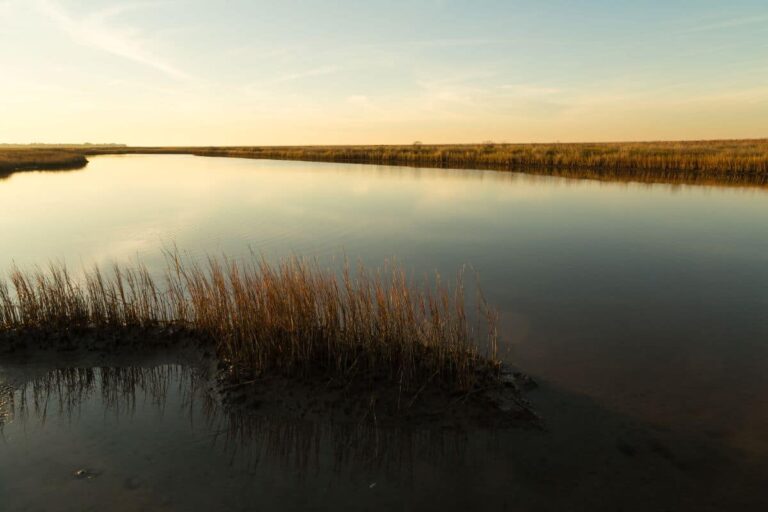
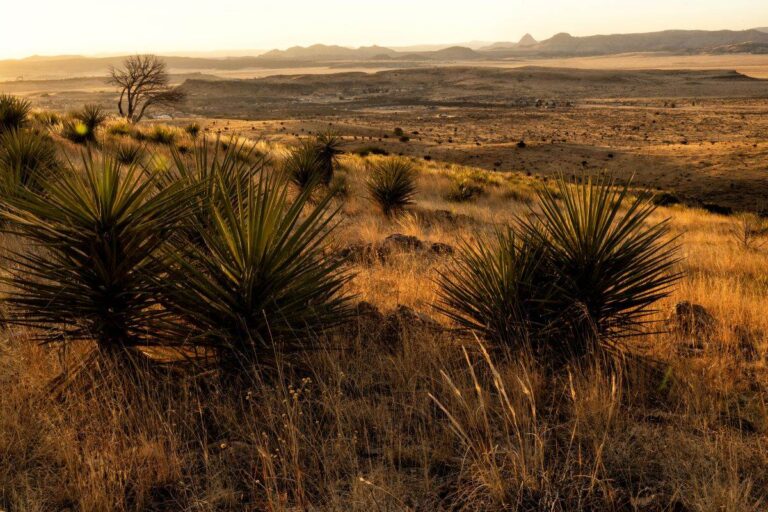
Encompassing over 12,000 acres of rugged wilderness in the Texas Hill Country just outside of San Antonio, the Government Canyon State Natural Area is a sprawling preserve designed to protect both the region’s crucial drinking water supply and some of its most ancient history.
While the Hill Country ecosystem—with its deep limestone canyons and rolling grasslands—is beautiful in its own right, Government Canyon is world-famous for one specific reason: it is the only place on public land in Bexar County where you can hike directly to 110-million-year-old dinosaur tracks.
Hiking to the Dinosaur Tracks
Discovered relatively recently in 2014, the fossilized tracks at Government Canyon offer a literal window into the Early Cretaceous period, a time when this arid Texas canyon was actually the muddy shoreline of the ancient Gulf of Mexico.
Paleontologists from the Witte Museum have identified the tracks as belonging primarily to two massive species: the bipedal, carnivorous Acrocanthosaurus and the massive, long-necked herbivorous Sauroposeidon.
Additional Features and Highlights
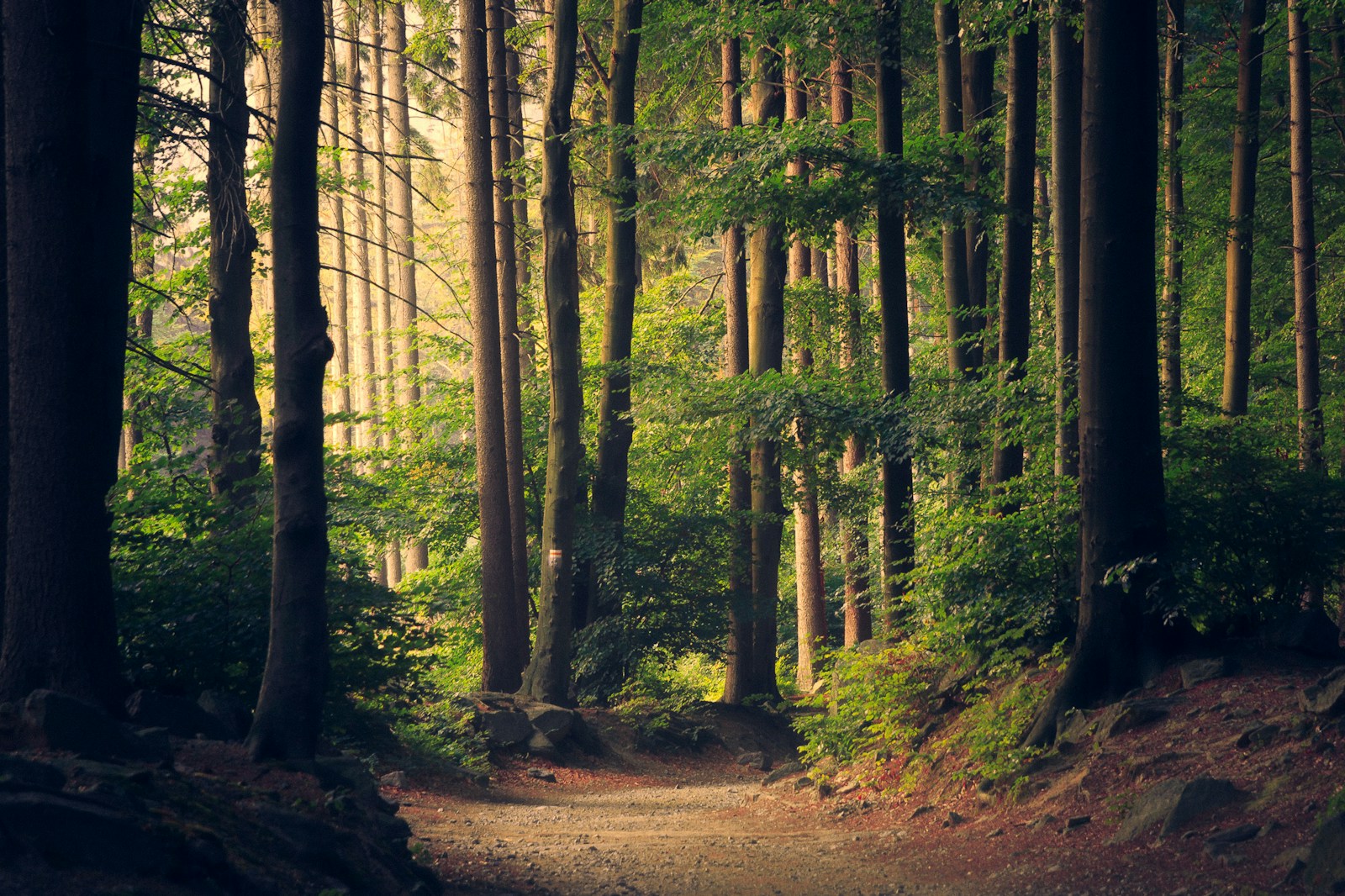
Beyond prehistoric footprints, the natural area offers over 40 miles of expansive trail networks split roughly into the “Frontcountry” (gentle, sprawling grasslands) and the “Backcountry” (remote, steep, and rocky canyons).
| Feature | Details & Highlights |
|---|---|
| Edwards Aquifer Recharge Zone | The primary ecological purpose of this park is to protect the delicate karst limestone geology that captures rainwater, feeding the Edwards Aquifer and securing San Antonio’s drinking water. |
| Historic Zizelmann House | Also located along the Joe Johnston Route, hikers can view the stone remnants of this 1880s homestead, built by early German immigrants. |
| Expansive Overlooks | Trails like the Far Reaches Trail lead to the Chula Vista and Sotol overlooks, offering sweeping, panoramic views of the raw Hill Country landscape. |
| Walk-In Camping | For those seeking solitude, the park offers heavily shaded, relatively remote walk-in tent campsites, requiring a short haul from the parking area. |
Frequently Asked Questions
Why is it called a “State Natural Area” instead of a State Park?
In Texas, State Natural Areas are heavily focused on the conservation and protection of sensitive environmental features (in this case, the Edwards Aquifer Recharge Zone). Because of this, recreational development—such as paved RV pads, large visitor centers, or swimming pools—is intentionally kept to an absolute minimum.
Are dogs allowed on the trails?
Partially. To protect sensitive wildlife habitats, dogs are strictly prohibited in the Backcountry (which includes the trail to the dinosaur tracks). However, leashed dogs are welcome on the Frontcountry trails.
Can I ride my mountain bike here?
Yes, Government Canyon is a highly-rated, albeit technical, mountain biking destination. While some trails are designated as hike-only, many of the rugged backcountry loops are open to equestrians and mountain bikers. Be prepared for relentless “baby head” rocks and steep, punchy climbs.
Does the park ever close unexpectedly?
Yes. Because the soil is thin and highly susceptible to erosion, all backcountry trails (including the route to the dinosaur tracks) are immediately closed following any significant rainfall. Always check the park’s official social media channels before visiting if it has rained recently.