
Grand Isle State Park
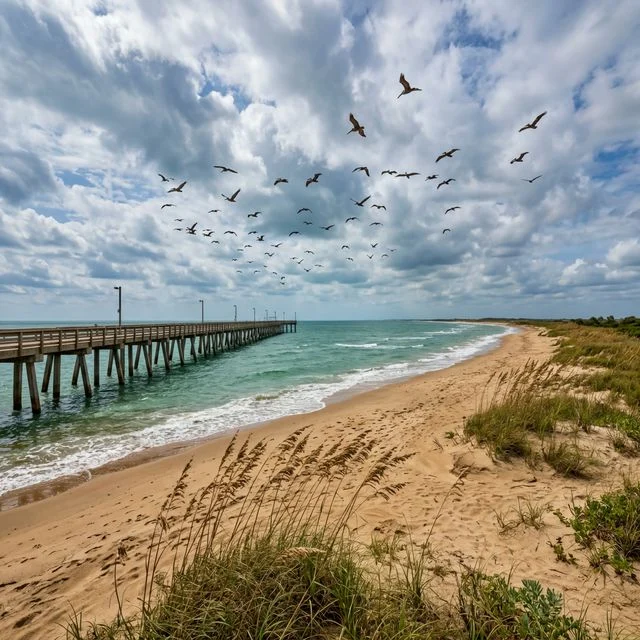
At the eastern tip of Louisiana’s only inhabited barrier island, where the last wild beach in the state meets the warm waters of the Gulf of Mexico, Grand Isle State Park stands as a defiant outpost of coastal wilderness. This is Louisiana’s gateway to the Gulf—a slender ribbon of sand that has survived hurricanes, oil spills, and rising seas to remain one of the most remarkable coastal parks in the American South.
With a mile of undeveloped beach, a 900-foot fishing pier extending directly into the Gulf, over 300 species of fish in its waters, and its position as a critical stopover on the Mississippi Flyway for migratory birds, Grand Isle is a destination unlike any other—a place where fishing, birding, and beachgoing converge against a backdrop of raw, fragile beauty.
Table of Contents
Fishing: Louisiana’s Gulf Gateway
Grand Isle is legendary among Gulf Coast anglers. The park provides access to over 300 species of fish, and visitors can cast from the surf, the park’s lagoon, a freshwater pond, or the crown jewel: the 900-foot public fishing pier—the only pier in Louisiana extending directly into the Gulf of Mexico. A fish-cleaning station near the pier makes processing the day’s catch convenient. Speckled trout run year-round, redfish surge in fall and winter, and tarpon appear in the summer months. Crabbing is also popular throughout the park.
Birding on the Mississippi Flyway
Grand Isle is one of the premier birding destinations in North America. Positioned directly on the Mississippi Flyway, the island serves as the first landfall for millions of migratory birds crossing the Gulf each spring and fall. During peak migration (March through May and September through November), birders can spot over 300 species including warblers, tanagers, grosbeaks, buntings, orioles, pelicans, herons, and terns. The park’s 2.5-mile nature trail system winds through diverse habitats—beach, marsh, and maritime forest—providing excellent viewing opportunities.
Beach and Recreation
The park protects what is considered Louisiana’s last wild beach—one mile of undeveloped Gulf Coast shoreline. The warm Gulf waters are suitable for swimming for much of the year, and an observation tower provides panoramic views of the surrounding coastal landscape. Nature trails totaling 2.5-3 miles traverse the island’s various ecosystems.
Camping
Grand Isle offers 49 premium pull-through RV campsites with water and electrical hookups, plus 14 unimproved tent camping sites directly on the beach—among the most scenic tent spots anywhere in Louisiana. Bathhouses with running water and a dump station serve the campground.
History and Resilience
Grand Isle’s history reads like a novel. The Chitimacha people called it home first. In the 18th century, pirates Jean and Pierre Lafitte used the island as a base. By the 19th century, wealthy New Orleanians transformed it into a fashionable resort. The 20th and 21st centuries brought devastating hurricanes—Katrina (2005), Gustav and Ike (2008)—and the Deepwater Horizon oil spill (2010), which closed the park’s beach for an extended period. Grand Isle faces one of the highest rates of relative sea level rise in the world. The New York Times has described it as a place that “may soon vanish.” And yet it endures—rebuilt, restored, and still breathtakingly beautiful.
Essential Visitor Information
- Location: Grand Isle, Louisiana 70358, at the eastern tip of the island approximately 100 miles south of New Orleans.
- Admission: Day-use fee applies. A valid Louisiana fishing license is required for anglers aged 17+.
- Season: Open year-round. Spring and fall migration seasons are ideal for birding.
- Nearby: The town of Grand Isle offers restaurants, shops, and charter fishing services.
FAQ: Grand Isle State Park
Can you swim at Grand Isle State Park?
Is Grand Isle State Park good for birding?
Can you camp on the beach at Grand Isle?
