Grand Mere State Park
Overview: A National Natural Landmark with Disappearing Lakes
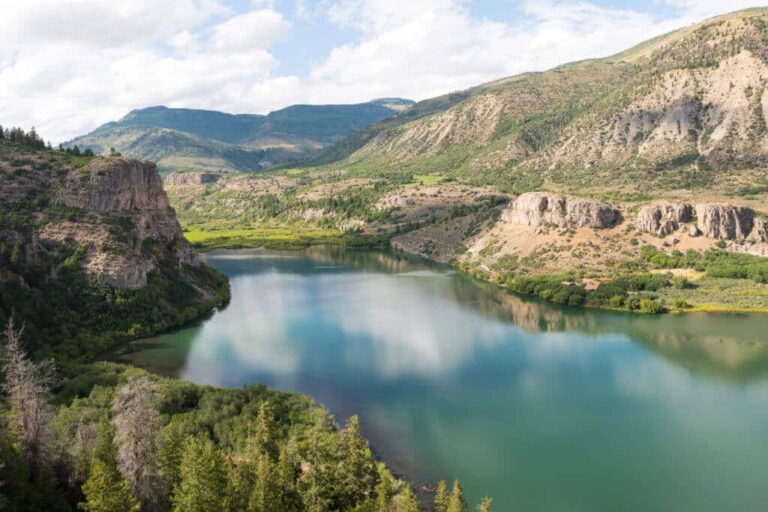
Designated a National Natural Landmark for its exceptional ecological significance, Grand Mere State Park occupies a dramatic stretch of Lake Michigan dune coast near Stevensville in Berrien County—southwestern Michigan’s wine country. The park’s defining feature is not just its sweeping sand dunes and mile-long Lake Michigan beach, but a geological story still unfolding in real time: three ancient interdunal lakes—North Lake, Middle Lake, and South Lake—are slowly disappearing through the natural process of ecological succession, becoming shallower, more vegetated, and gradually transitioning from open water to wetland to dry land.
Originally a chain of five lakes left behind by receding glaciers approximately 10,000 years ago, two have already vanished—filled in by sediment, vegetation, and the inevitable march of ecological succession. The three surviving lakes provide a living laboratory of how landscapes change over geological time, and their gradual transformation is one of the reasons the federal government designated this site a National Natural Landmark.
The Dunes and the Beach
Grand Mere’s Lake Michigan beach—approximately one mile of sandy shoreline—is accessible only by hiking over the park’s dune ridges, which adds both solitude and a sense of earned discovery. The dunes feature deep “blowouts” where wind has excavated dramatic amphitheater-shaped depressions in the sand, creating stark, almost lunar landscapes within the otherwise lush dune forest.
- Beach Access: Hike over the dunes from the parking area—approximately 15–20 minutes to the shoreline
- Swimming: Unsupervised Lake Michigan swimming. The beach is relatively uncrowded due to the hiking requirement
- Sunsets: West-facing orientation produces full Lake Michigan sunset panoramas
Three Interdunal Lakes
North Lake
The most open and accessible of the three surviving lakes, supporting fishing and wildlife observation.
Middle Lake
Intermediate in its succession stage—partially open water, partially vegetated. A vivid illustration of the transition process.
South Lake
The most advanced in succession—substantially vegetated and on its way to becoming wetland rather than open water.
Together, the three lakes present a visual timeline of how glacial lakes evolve and eventually disappear—a process that typically takes thousands of years but is visible in compressed form across the three distinct stages represented here.
Trails (4 Miles)
Approximately four miles of trails wind through the dune landscape, connecting the parking areas to the beach, the interdunal lakes, and the various ecological zones within the park. Many trails are informal and unmarked, encouraging exploration but requiring attention to navigation. A short paved section near the picnic area provides accessible access to the immediate surroundings.
National Natural Landmark
The federal designation (1968/1976) recognizes Grand Mere’s ecological diversity—the combination of active dunes, stabilized dune forest, interdunal lakes in various stages of succession, and Lake Michigan shoreline within a compact area creates a concentration of Great Lakes coastal habitats rarely found in such proximity.
Practical Information
- Camping: None. This is a day-use park.
- Facilities: Parking areas, picnic area, restrooms. No concessions.
- Location: Near Stevensville, adjacent to I-94. Southwest Michigan wine country and the city of St. Joseph are nearby.
- Best For: Hiking, beach access, nature study, photography, and understanding ecological succession
Frequently Asked Questions
Why is it a National Natural Landmark? For its exceptional ecological diversity—active dunes, interdunal lakes in various stages of succession, and Lake Michigan shoreline create a nationally significant concentration of coastal habitats.
Are the lakes really disappearing? Yes. Originally five glacial lakes, two have already vanished through ecological succession. The three remaining are at different stages of the same process—a living demonstration of how landscapes change over geological time.
How far is the beach? Approximately 15–20 minutes hiking over the dunes from the parking area. No vehicle access to the shoreline.