Huntington Beach State Park
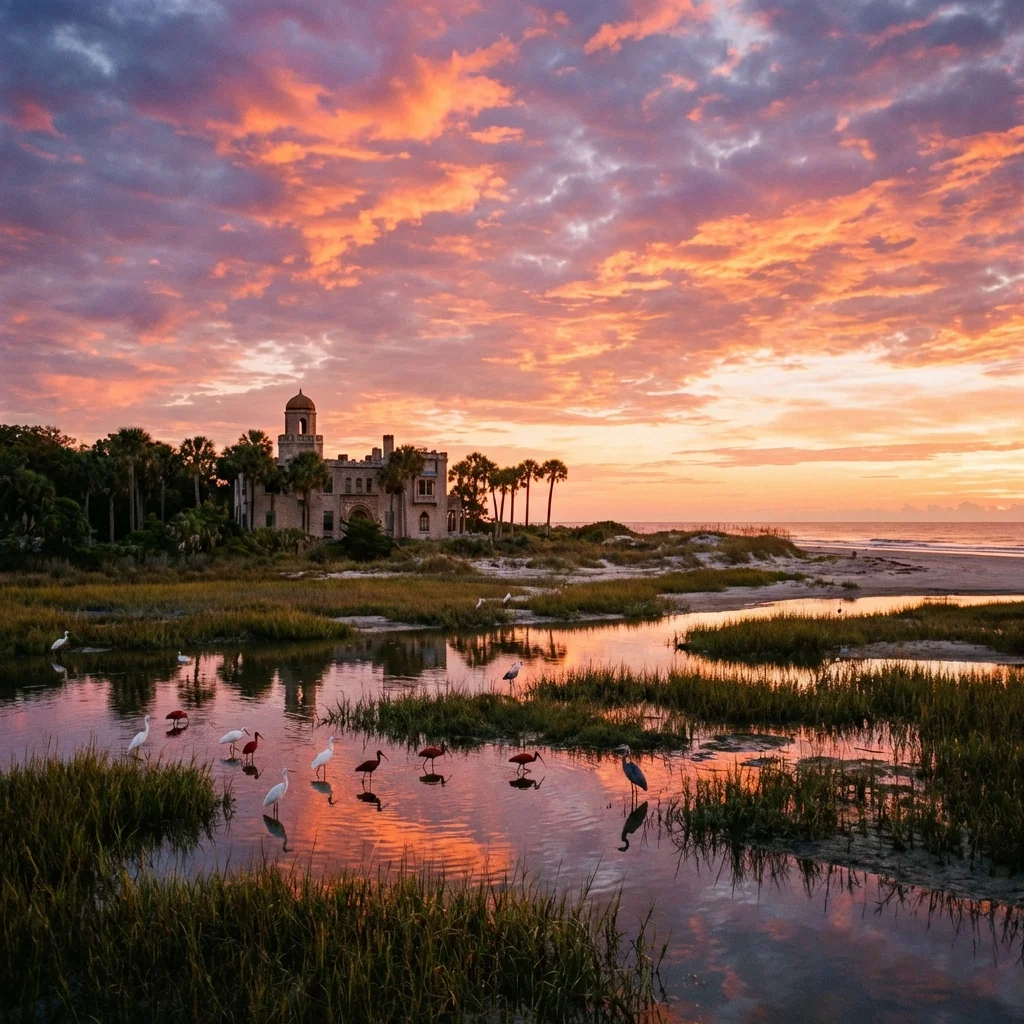
The Roseate Spoonbill wades through the salt marsh at dawn, its improbable pink plumage glowing against the gray-green cordgrass. Across Highway 17, Atalaya’s Moorish towers catch the first light—a castle built by a railroad heir for his sculptor wife, now sitting silent in maritime forest. And beyond the dunes, three miles of uncrowded beach stretch toward the horizon, empty except for sanderlings chasing the tide.
Welcome to Huntington Beach State Park, a 2,500-acre coastal nature preserve that offers the best of the Carolina coast without the crowds that plague nearby Myrtle Beach. This is South Carolina’s premier birding destination—over 300 documented species—and home to Atalaya, a National Historic Landmark that tells the remarkable story of Archer and Anna Hyatt Huntington, whose vision also created neighboring Brookgreen Gardens.
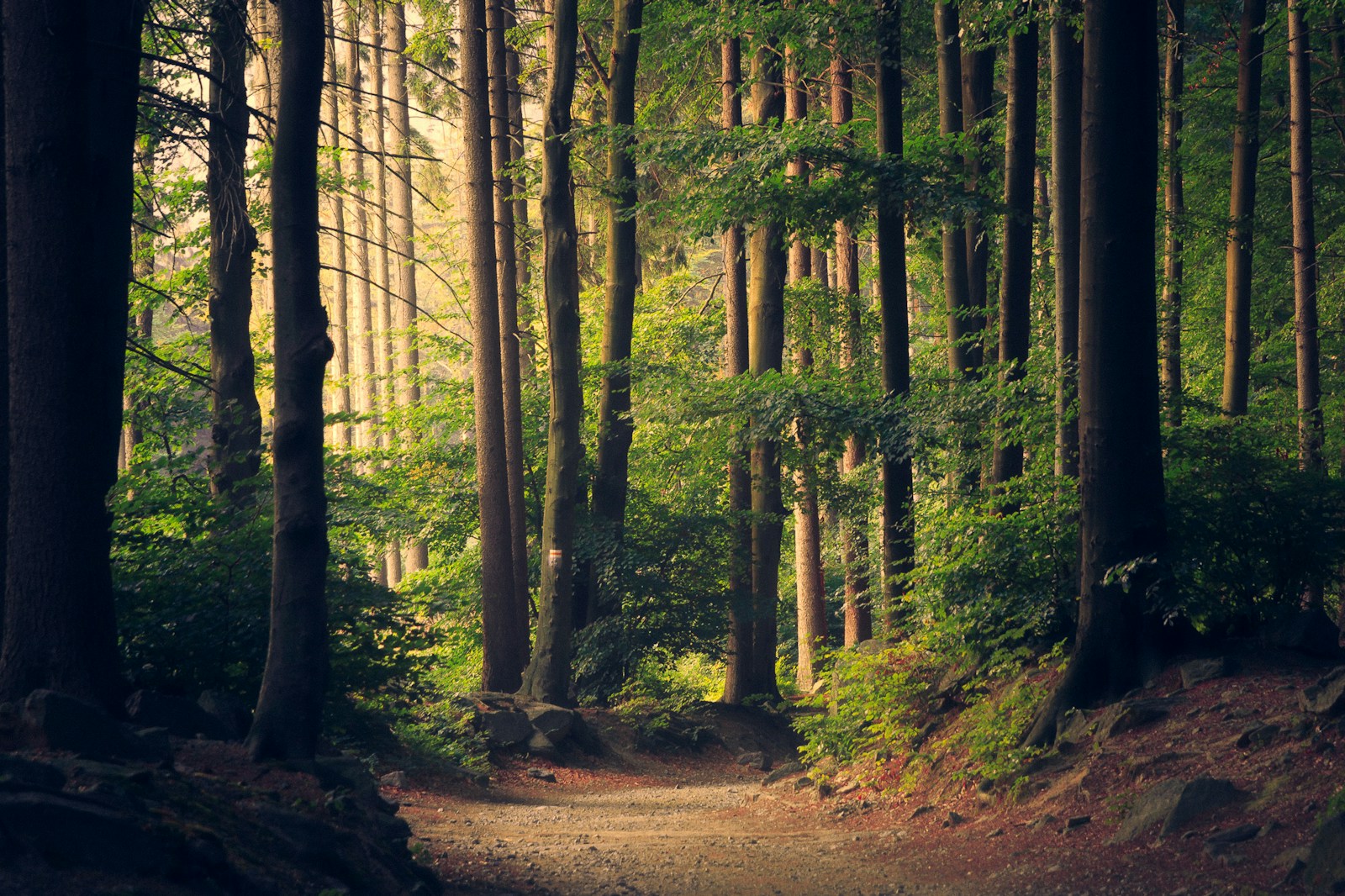
The park sits at the confluence of salt marsh, freshwater lagoon, maritime forest, and barrier island beach—four distinct ecosystems compressed into one remarkable preserve. Whether you come for the birds, the beach, the history, or simply to escape, Huntington Beach delivers a coastal experience unlike any other in the Southeast.
What Makes Huntington Beach Exceptional
300+ Bird Species
One of the East Coast’s premier birding sites—Roseate Spoonbills, Snowy Plovers, rarities.
Atalaya Castle
National Historic Landmark—1930s Moorish winter home of the Huntingtons.
3-Mile Beach
Pristine, uncrowded barrier island beach—far from Myrtle Beach chaos.
Four Ecosystems
Salt marsh, freshwater lagoon, maritime forest, and beach in one park.
Atalaya Castle: The Sculptor’s Retreat
Rising from the maritime forest like something from another world, Atalaya (“watchtower” in Spanish) is a 30-room Moorish-style castle built between 1931 and 1933. It was the winter home of Archer Milton Huntington—railroad heir, scholar, and founder of the Hispanic Society of America—and his wife Anna Hyatt Huntington, one of the most celebrated sculptors of the 20th century.

Castle History
Archer designed Atalaya himself, drawing on Spanish and Moorish architectural traditions. The castle centers on an open courtyard, with rooms arranged around the perimeter. Anna’s sculpture studio—with its 40-foot tower to control natural lighting—anchors one corner. The couple sought a winter retreat where Anna could work in mild weather and escape the East Coast cold.
| Atalaya Detail | Information |
|---|---|
| 🏛️ Designation | National Historic Landmark |
| 📅 Built | 1931-1933 |
| 🏠 Size | 30 rooms around central courtyard |
| 🗼 Tower | 40 feet (for sculptor’s studio lighting) |
| 🎟️ Castle Admission | $2/person (ages 6+) + park entry |
| ⏰ Tours | Self-guided daily; guided tours available |
🎨 Art Connection
Directly across Highway 17 lies Brookgreen Gardens—also created by the Huntingtons—featuring Anna’s sculptures and hundreds more in a stunning 9,100-acre sculpture garden and wildlife preserve. The Huntingtons originally owned both properties, leasing the coastal portion to South Carolina to become the state park.
Birding: 300+ Species
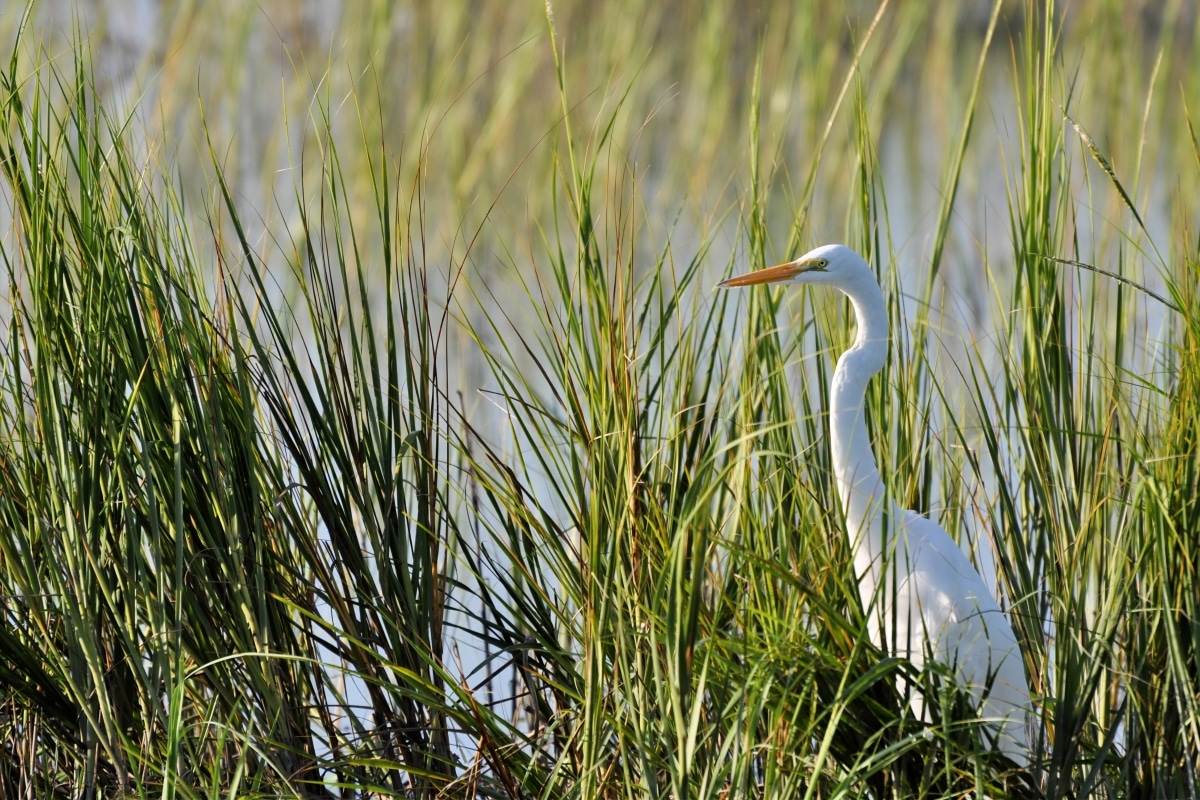
Huntington Beach is consistently ranked among the top birding destinations on the East Coast. The park’s combination of salt marsh, freshwater lagoon, maritime forest, and beach creates habitat diversity that attracts an extraordinary range of species—over 300 documented, with rarities appearing regularly.
Prime Birding Spots
| Location | Habitat | Target Species |
|---|---|---|
| 🌿 Causeway | Marsh/lagoon edge | Roseate Spoonbill, waders, rails |
| 🪨 North Jetty | Rocky coast | Shorebirds, terns, pelicans |
| 🏖️ Beach | Barrier island | Snowy Plover, piping plover, sanderlings |
| 🌳 Maritime Forest | Oak/palmetto | Migrants, painted bunting (spring) |
| 💧 Sandpiper Pond Trail | Freshwater lagoon | Alligators, herons, egrets |
Notable Species
- 🦩 Roseate Spoonbill: Regular visitor; pink wading bird
- 🐦 Snowy Plover: Rare; beach nester
- 🦆 Painted Bunting: Spring migrant; brilliant colors
- 🦅 Black Skimmer: Nests on beach; distinctive bill
- 🦉 Yellow Rail: Rare; marsh skulker
🔭 Birding Tips
- Early morning is best—arrive at park opening
- The causeway between Mullet Pond and salt marsh is most productive
- Bring scope—spoonbills often feed at distance
- Weekly park-led birding expeditions available
The Beach
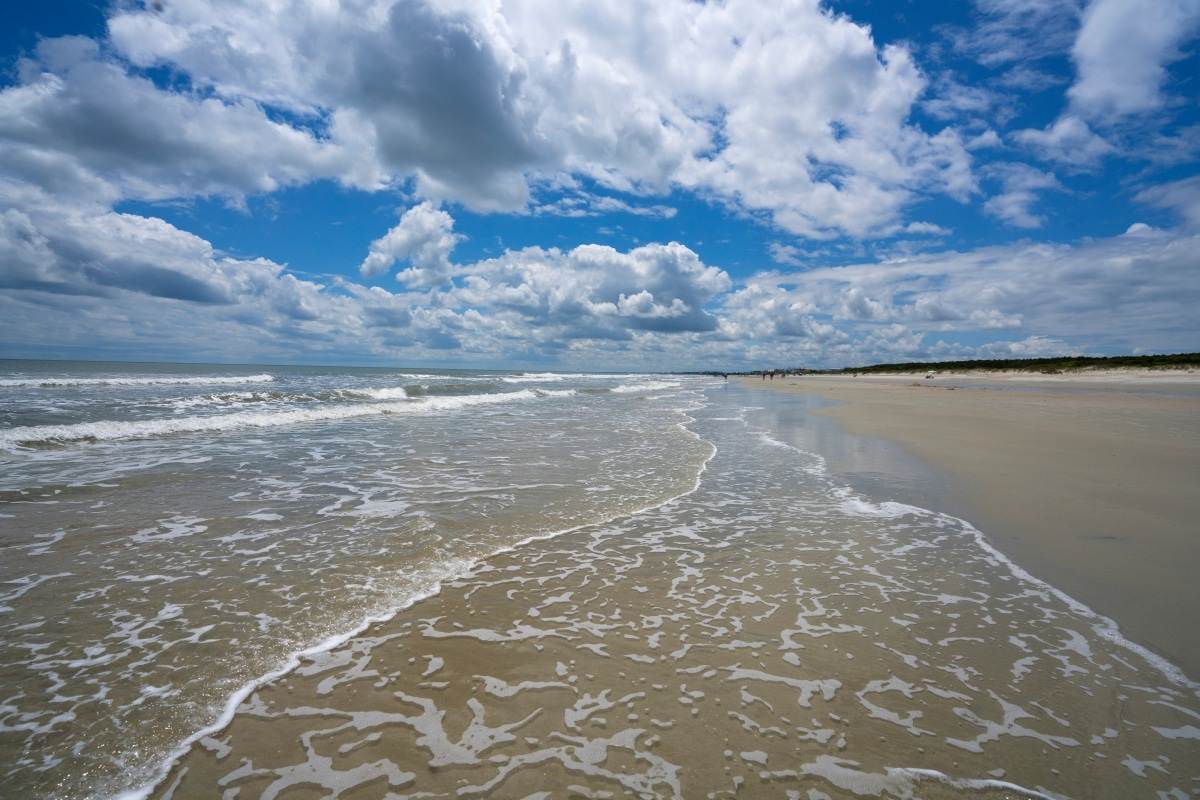
Three miles of pristine, uncrowded beach stretch along the park’s Atlantic shore. Unlike nearby Myrtle Beach’s commercial chaos, Huntington Beach offers a true barrier island experience—natural dunes, minimal development, and far fewer visitors.

Beach Activities
- 🏊 Swimming: Lifeguards on duty seasonally; calm conditions
- 🐚 Shell Hunting: Good shelling, especially after storms
- 🎣 Surf Fishing: Popular for flounder, red drum, whiting (license required)
- 🏖️ Sunbathing: Plenty of room to spread out
Hiking Trails
Several trails explore the park’s diverse ecosystems:
| Trail | Distance | Highlights |
|---|---|---|
| 🦎 Sandpiper Pond Trail | 2 mi | Freshwater lagoon, alligators, waders |
| 🌿 Kerrigan Trail | 0.25 mi | Boardwalk through salt marsh; best bird overlooks |
| 🌳 Atalaya Loop | ~1 mi | Maritime forest around the castle |
🐊 Alligator Warning
Alligators are common in the freshwater lagoon. Maintain distance, never feed them, and keep pets leashed. They are most active at dawn and dusk.
Camping
Huntington Beach offers 170+ campsites in two sections, making it one of the best-equipped beach campgrounds in South Carolina:
| Campground | Sites | Features |
|---|---|---|
| 🔌 Standard (Water/Electric) | 104 | Original north section; more vegetation |
| ⚡ Full Hookup (W/E/S) | 66 | South section; full services; less privacy |
| ⛺ Tent-Only | 6 | Rustic sites |
📅 Reservation Strategy
- Summer weekends and spring break book months in advance
- North section (standard) has more natural screening between sites
- South section (full hookup) is convenient but more open
When to Visit
🌸 Spring (March – May)
Peak birding season. Migrants flood through, painted buntings arrive, shorebirds are active on the beach. Wildflowers bloom in the maritime forest. Comfortable temperatures for hiking and beach. Atalaya Arts Festival typically held in September, but spring offers similar pleasant conditions.
Best for: Birding, hiking, photography
☀️ Summer (June – August)
Beach season. Swimming, sunbathing, and surf fishing are at their peak. Hot and humid; afternoon thunderstorms possible. Campground books solid—reserve early. Birding slows but waders remain active in the marsh.
Best for: Beach activities, camping, families
🍂 Fall (September – November)
Excellent. Fall migration brings songbirds and raptors. Crowds thin after Labor Day. Atalaya Arts & Crafts Festival (late September) is a major event. Comfortable temperatures return. Shorebird activity picks up.
Best for: Birding, Atalaya Festival, photography
❄️ Winter (December – February)
Quiet season. Milder than northern beaches but still cool. Waterfowl and winter shorebirds arrive. Excellent for solitary beach walks. Atalaya tours continue. Best chance for rare bird sightings.
Best for: Winter birding, solitude, Atalaya without crowds
Practical Information
| Item | Details |
|---|---|
| 🎟️ Park Entry | $8/adult; $5/SC senior; $4/youth 6-15; free under 6 |
| 🏰 Atalaya | +$2/person ages 6+ (additional) |
| 🏕️ Camping | From $25/night (tent) to $40+ (full hookup) |
| ⏰ Park Hours | 6 AM – 6 PM (10 PM during DST) |
Getting There
- 📍 Address: 16148 Ocean Hwy, Murrells Inlet, SC 29576
- 📍 From Myrtle Beach: ~20 minutes south on US-17
- 📍 From Charleston: ~1.5 hours north on US-17
- 📍 Across Highway: Brookgreen Gardens
Frequently Asked Questions
Is Atalaya really a castle?
It’s styled after Moorish architecture with castle-like features, but it was built as a private winter home in the 1930s—not a medieval fortress. The 30-room structure, courtyard, and 40-foot tower are authentic, but it’s always been a residence, not a defensive structure.
Can I see alligators in the park?
Yes. Alligators are common in the freshwater lagoon along the Sandpiper Pond Trail. Keep a safe distance and never approach or feed them.
Is this beach crowded like Myrtle Beach?
No—the beach at Huntington Beach State Park is far less crowded than commercial Myrtle Beach. The park setting, entrance fee, and lack of beachfront development keep visitor numbers manageable.
When is the best time for birding?
Spring migration (March-May) brings the most diversity. Fall (September-November) is also excellent. Winter offers waterfowl and rare species. Even summer has active wading birds in the marsh.
Should I visit Brookgreen Gardens too?
Absolutely—it’s directly across Highway 17. The Huntingtons created both sites, and Brookgreen features stunning sculpture gardens, Anna’s artwork, and a lowcountry zoo. Allow at least half a day.
Can I see loggerhead turtles at Huntington Beach?
The park offers special loggerhead turtle programs during nesting season (May-August). These programs give visitors the chance to see these endangered sea turtles up close. Check with the park office for current program schedules—they’re popular and may require advance registration.
Are dogs allowed on the beach?
Yes, but only on the south end of the beach. Dogs are prohibited on the north end (from the north parking lot to the jetty) and inside buildings including Atalaya. All dogs must be kept on a leash no longer than six feet.
Does the park offer guided birding tours?
Yes! Free weekly birding expeditions are held on Wednesdays at 10 AM. These guided walks include the use of binoculars and a knowledgeable guide—all included with park admission. A free bird checklist is available at the entrance station.
🦩 Where Art, Nature, and Coast Converge
Huntington Beach State Park offers something rare: a pristine barrier island beach, a Moorish castle built for a sculptor, world-class birding, and genuine escape from the commercial chaos just up the road. The Huntingtons gave South Carolina an extraordinary gift when they preserved this land—three miles of unmarred coastline, ecosystems teeming with life, and a castle that tells the story of two remarkable people who loved art and nature equally.
📍 Address: 16148 Ocean Hwy, Murrells Inlet, SC 29576
📞 Phone: (843) 237-4440